
If you have just crashed, check everyone for injuries and call 911 for injuries or immediate danger. Turn on your hazard lights, then move a drivable car out of traffic when it is safe and lawful. This Auto Insure News guide explains what to do in a car accident, from exchanging information and documenting the scene to arranging a tow and notifying your insurer.
The first steps after a car accident
Stop and assess what is happening around you. Moving a damaged car a short distance to safety is different from leaving without meeting your responsibilities.
| Priority | Action |
|---|---|
| 1. Check people | Check yourself, passengers and others for injuries without entering traffic. |
| 2. Get help | Call 911 for injuries or immediate danger. Give the location and describe any blocked lanes, fire or trapped occupants. |
| 3. Reduce roadway danger | Use hazard lights. Move the car out of traffic if it can be moved safely and the circumstances permit. |
| 4. Exchange details | Collect the required driver, vehicle and insurance information. |
| 5. Preserve evidence | Take photographs from a safe place and obtain witness contact details. |
| 6. Handle the next steps | Follow police instructions, arrange safe transportation and notify your insurer promptly. |
Check injuries and call for help
Ask each passenger whether they are hurt. Look for anyone who is unconscious, struggling to breathe, bleeding heavily or unable to get out. An injured person may be unable to answer clearly.
Give the dispatcher the road name, direction of travel, nearest exit or mile marker and the number of vehicles involved. Describe hazards you can actually see. A precise location helps responders reach the correct side of a divided highway.
Follow the dispatcher’s instructions while help is coming. Avoid moving an injured person unless an immediate threat, such as fire, makes it necessary. Tell the dispatcher about anyone who is trapped; attempting to pull them free can create additional injuries.
Emergency care takes priority over exchanging insurance cards or taking photographs. If an ambulance takes you away, another person may be able to help gather information later.
Move out of traffic when safe
When the car can be moved
After a minor crash with no apparent injuries, a car that can be safely driven may need to be moved to a nearby shoulder, parking area or other suitable place. Follow local law and any directions from responding officers.
Texas, for example, directs drivers in a collision with no injuries to move a drivable vehicle out of the traffic flow rather than wait there for police. Leaving cars in a travel lane to preserve a photograph can expose everyone to another collision.
Tell the other driver where you are moving if it is safe to communicate. Stay nearby and complete the information exchange and reporting duties.
When you cannot move the car
Tell 911 if the vehicle is stuck in a live lane. Getting out on a high-speed road can be dangerous, so assess traffic and follow the dispatcher’s directions about where to wait. Do not step into moving traffic to inspect a bumper.
If you remain inside while waiting, keep your seat belt fastened. If fire or another immediate danger requires you to leave, move to a safe location away from traffic. Avoid standing between damaged vehicles or directly in front of or behind a car that could be struck.
Exchange driver and insurance information
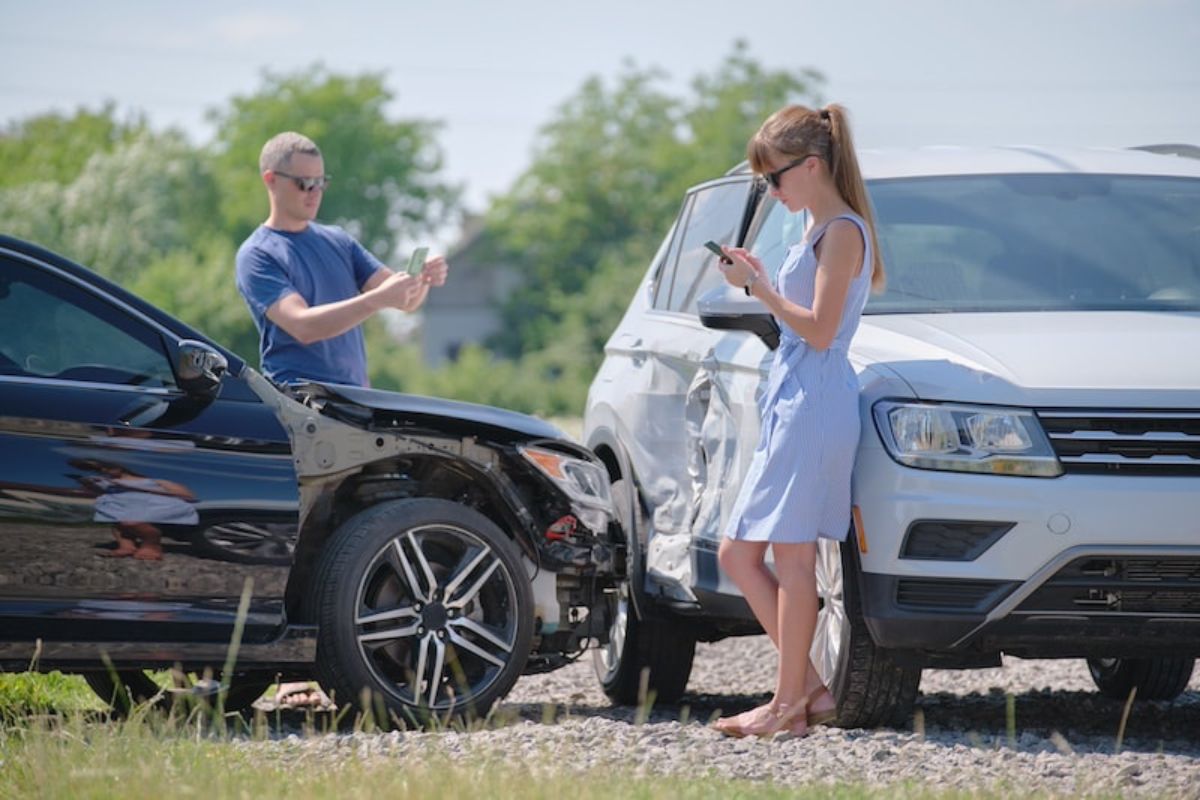
Once everyone is in a safe location, collect enough information to identify each driver, vehicle and insurer. State law controls the required exchange. An insurance card alone may leave you without a usable phone number or the driver’s name.
| Record | Details to collect |
|---|---|
| Driver | Full name, contact details, address and driver’s license information as required. |
| Vehicle | License plate and state, make, model and color; registration or VIN information where required. |
| Insurance | Company name, policy number and available policyholder details. |
| Vehicle owner | Owner’s name and contact information if different from the driver. |
| Additional contacts | Witness names and phone numbers, plus the responding officer’s agency and report number. |
Check that photographs of documents are readable before the other driver leaves. Keep those images private. A request for bank details or a payment at the roadside is separate from the normal exchange of driving and insurance information.
Photograph the crash scene safely
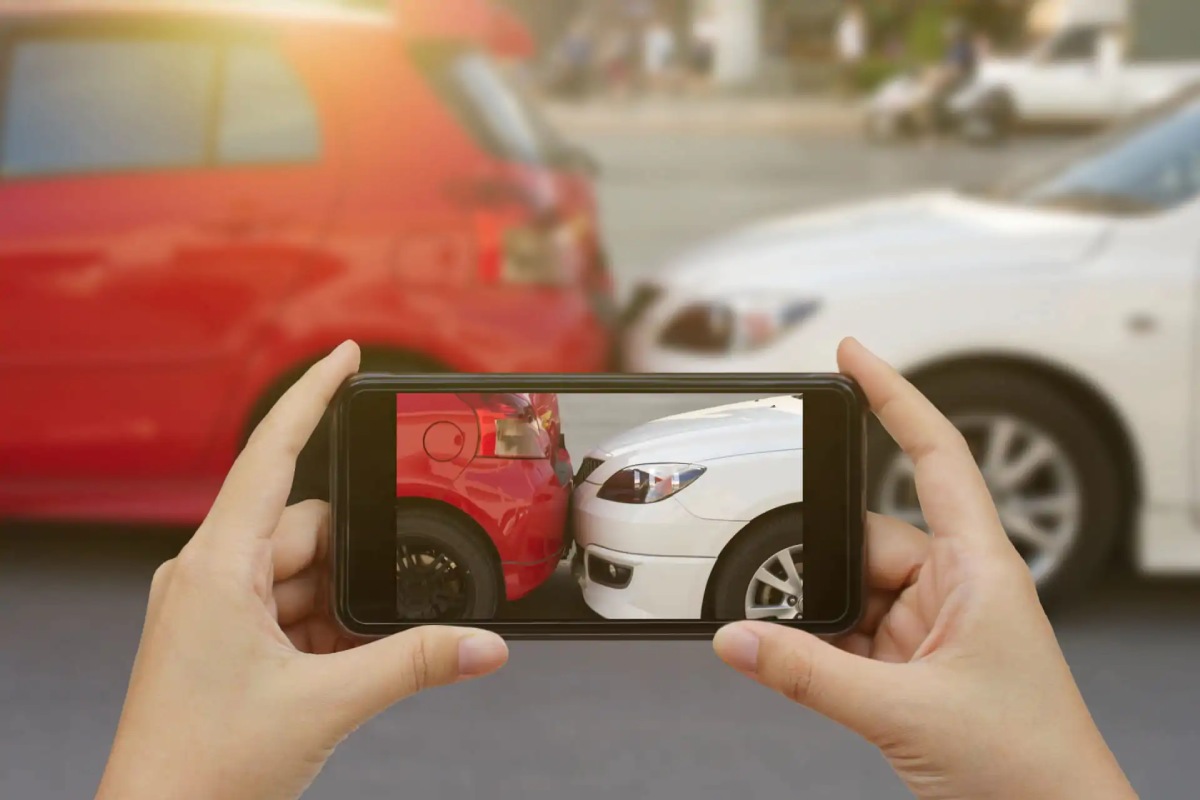
Wide photographs help explain where the crash happened; close-ups show the damage. Capture both when you can do so without entering traffic or delaying emergency care.
- All vehicles: Photograph each vehicle, its license plate and the areas of damage.
- The surroundings: Include lane markings, traffic signs, signals and nearby landmarks.
- Road conditions: Record visible debris, skid marks, standing water or other relevant conditions.
- Vehicle positions: Photograph them only if it is safe; moving out of danger comes first.
- People who saw the crash: Ask willing witnesses for their names and contact details.
- Your own notes: Record the date, time, location, travel direction and sequence you remember.
Save dashcam footage before the device records over it. Preserve the original files and make a backup. If a nearby business may have video, note its name and ask promptly how the recording can be preserved.
In a multi-vehicle crash, the order of impacts can matter as much as the final resting positions. Our guide to fault in a three-car collision explains why photographs and witness accounts become especially important.
If police do not attend the crash
Police may handle a minor collision through a non-emergency line or an online reporting system instead of sending an officer. Ask how to make the appropriate report and keep any incident number or confirmation.
Call 911 for injuries or an immediate roadway danger. For a non-emergency, contact the local police agency and explain the circumstances, including a driver leaving, refusing to exchange information or appearing impaired.
A report to police, a required state crash report and notice to your insurer are separate tasks. California’s SR-1 collision reporting requirements, for example, require a DMV report within 10 days when anyone is injured or killed, or property damage exceeds $1,000. That report is additional to reports made to police or the insurer.
Other states have their own thresholds and procedures. For the difference between policy notice requirements and legal deadlines, see how long you have to report an insurance claim.
Minor crashes and difficult situations
The damage looks minor
Even a low-speed crash can leave damage behind the bumper cover. Injuries can also become noticeable after both drivers have gone home.
Exchange information and document the crash even if neither driver expects to seek payment. Before agreeing to handle everything privately, review your policy’s notice duties. A roadside promise to pay does not replace those duties or provide a complete repair assessment.
Avoid signing a release or agreeing that a cash payment settles all possible injuries and damage while those facts are still unknown.
The other driver leaves or refuses details
Record the plate, vehicle description and direction of travel if you can observe them safely. Do not chase the vehicle or try to block the driver from leaving.
Report the incident to police and preserve witness details and video. If the other driver is aggressive, create distance and tell the dispatcher. Completing an information exchange is not a reason to remain in a confrontation.
You hit an unattended vehicle
Stop and try to locate the owner. Record the vehicle’s plate, the damage and where it was parked.
Follow the state’s rules for leaving identifying information and notifying police when the owner cannot be found. Those duties vary; assuming that a note under the windshield wiper completes every requirement can leave a required report unfinished.
One driver has no insurance
Keep the same priorities: safety, information, evidence and required reporting. Record the driver’s identity and vehicle details even if there is no insurance card to photograph.
If your own coverage had lapsed, the consequences of having an accident while uninsured depend on fault and state law. Tell the truth about coverage and the crash. Purchasing a policy afterward does not insure an earlier collision.
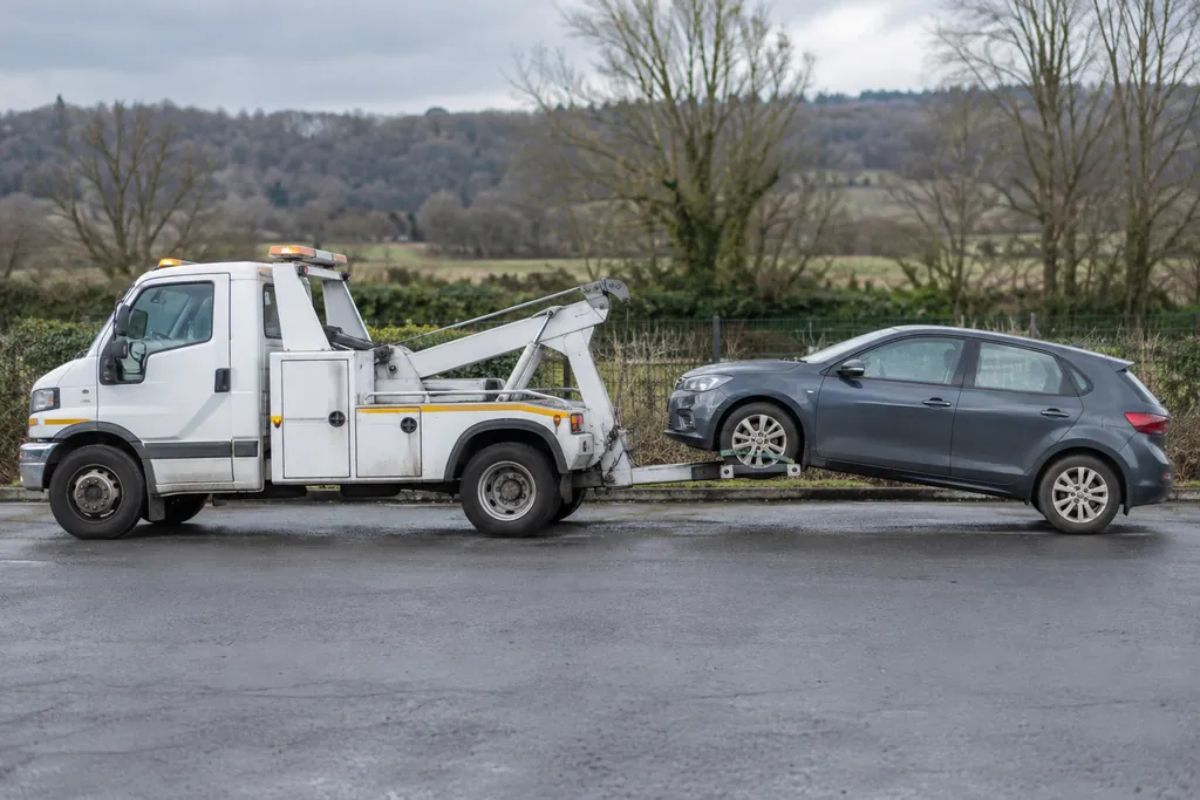
When to arrange a tow
An engine that starts can still belong to a car with damaged steering, brakes or wheels. Fluid leaks, loose bodywork or problems with the controls call for professional help before attempting the trip home.
When you can choose the towing service, ask for the company name, destination, towing charge and any daily storage charge before authorizing the work. Confirm the arrangement with your insurer or roadside provider when practical. Follow police instructions when a vehicle needs immediate removal.
Keep the receipt and the storage yard’s contact details. Tell the insurer where the car went promptly so inspection and any further movement can be arranged.
For an EV or hybrid, identify the vehicle to responders and the tow operator. Avoid exposed electrical components. A damaged high-voltage battery can remain energized and can catch fire after the impact; the vehicle needs handling under its manufacturer’s emergency instructions.
Notify your insurer after reaching safety
Contact your insurer promptly once emergency needs are handled. Give the date, location, vehicles involved, known injuries, police report details and the car’s current location. Send the photographs and other records through the insurer’s official reporting channel.
Describe what you personally saw and did. If you do not know a speed, distance or the reason another driver acted, say so. Guessing can introduce details that are difficult to correct later.
Follow your own policy’s notice requirements even if the other driver promises to call their insurer. Give the information currently available and add repair estimates or medical updates as you receive them.
Save the claim or reference number and the contact information for the person handling the report. The next stages, including documents, inspection and settlement, are covered in our guide to filing a car insurance claim.
When symptoms appear after the crash
After a head injury, symptoms such as headache, dizziness or difficulty concentrating can appear or become noticeable hours or days later. Pay attention to new symptoms after leaving the scene.
Seek emergency medical help for danger signs such as a worsening headache, repeated vomiting, seizures, increasing confusion, slurred speech or difficulty staying awake. Tell medical staff about the crash and when symptoms began. Arrange medical advice for other new or persistent symptoms rather than waiting for an insurance decision.

Check child seats before using them again
NHTSA recommends replacing car seats after moderate or severe crashes. Its guidance allows continued use after a minor crash only when all five of its minor-crash criteria are met. The seat manufacturer’s instructions also apply.
Photograph the seat, its position and its identification label, and keep purchase records if available. Review the instructions before using it again. For the payment question, our guide to insurance coverage for replacing a child seat explains what to raise with the insurer.
Before you leave the scene
Once urgent care and police instructions are addressed, check what remains outstanding:
- Required driver, vehicle and insurance details have been exchanged.
- You have saved available photographs and witness contacts.
- You know the police incident number or how to complete the required report.
- Everyone has safe transportation, and you know where any towed vehicle is going.
- You have a way to contact your insurer and preserve the records.
If medical treatment prevents you from completing the list, have a trusted person help with the remaining records and notifications. Keep the crash date, location, other driver’s details and report number together so they are ready for the next call.

RELATED AUTO INSURANCE GUIDES
Auto Insurance
Is Bundling Home and Auto Insurance Worth It?
Safety & Driving
Tips for long drives: Stay Alert and Travel Comfortably
Safety & Driving
How to take care of a car: A beginner’s maintenance guide
Safety & Driving
Distracted driving in trucking: risks, rules and prevention