

A child car seat is one of the most commonly missed items in a car insurance claim. The vehicle gets the attention, the seat gets forgotten, and by the time anyone remembers, the replacement has already been paid for out of pocket. Worse, most parents never find out that the seat was even claimable. In this Auto Insure News guide, we explain when the seat genuinely needs replacing, which coverage responds, why a technically covered claim can still pay nothing, and how to document it so it is not refused.
Will your car insurance pay for a new car seat after a crash?
In most cases, yes. Car insurance does cover car seat replacement after an accident. If another driver was at fault, the replacement cost is generally recoverable from that driver’s property damage liability coverage, with no deductible applied to you. If you are claiming on your own policy, collision or comprehensive coverage typically treats the seat as covered property, subject to your deductible. To understand how to file an auto insurance claim and what to expect, document the seat and report it with the vehicle loss. Three states go further and require coverage by law.
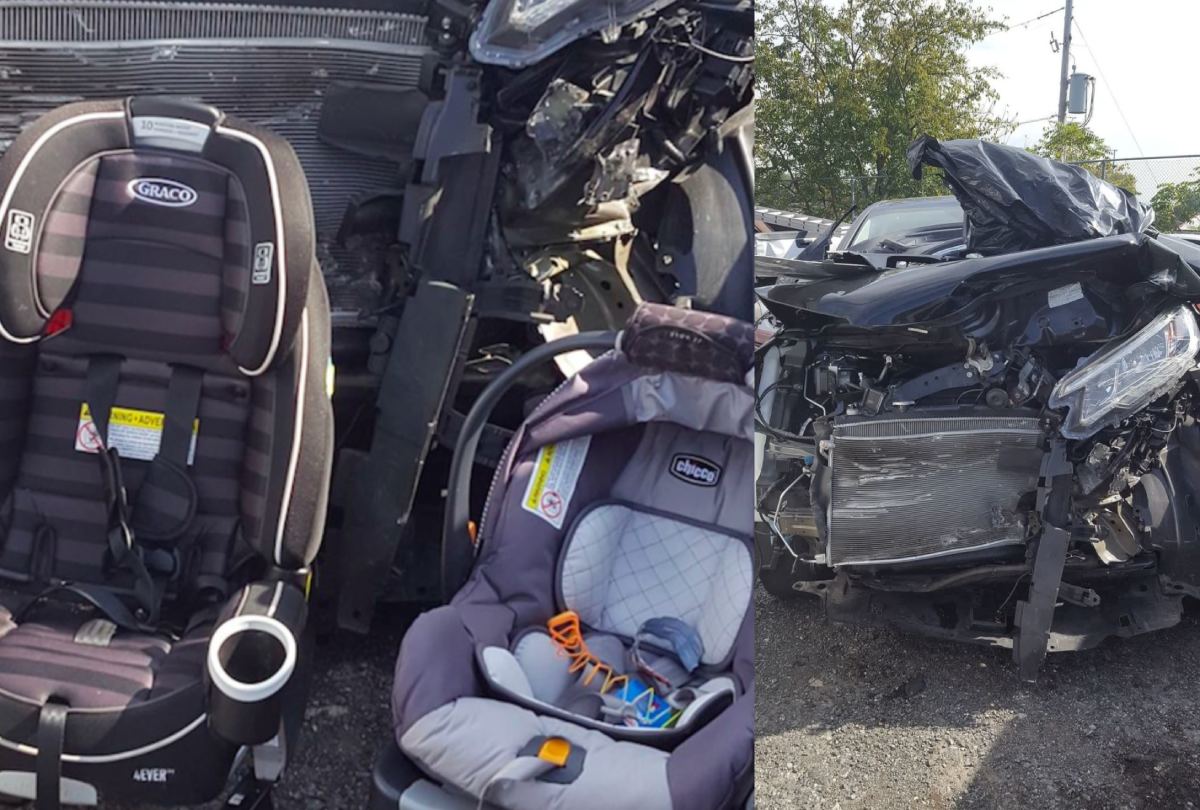
Does the seat actually need to be replaced?
Follow NHTSA guidance and the instructions for the specific model you own. Insurance reimbursement is a separate question governed by the applicable coverage, policy wording, and state law. NHTSA recommends replacing car seats after a moderate or severe crash, but not after a minor crash. A crash counts as minor only when every one of these is true.
| NHTSA minor-crash criteria (all must apply) |
|---|
| The vehicle was able to be driven away from the crash site |
| The vehicle door nearest the car seat was not damaged |
| None of the vehicle occupants sustained injuries in the crash |
| If the vehicle has airbags, the airbags did not deploy |
| There is no visible damage to the car seat |
Manufacturers can be stricter than the federal guidance, and their instructions govern the product you own.
- Britax tells owners to discontinue use immediately after a moderate or severe crash and to refer to the NHTSA criteria for minor crashes.
- Graco recommends replacing a seat after any accident, noting that internal damage may not be visible externally and could still affect safety performance.
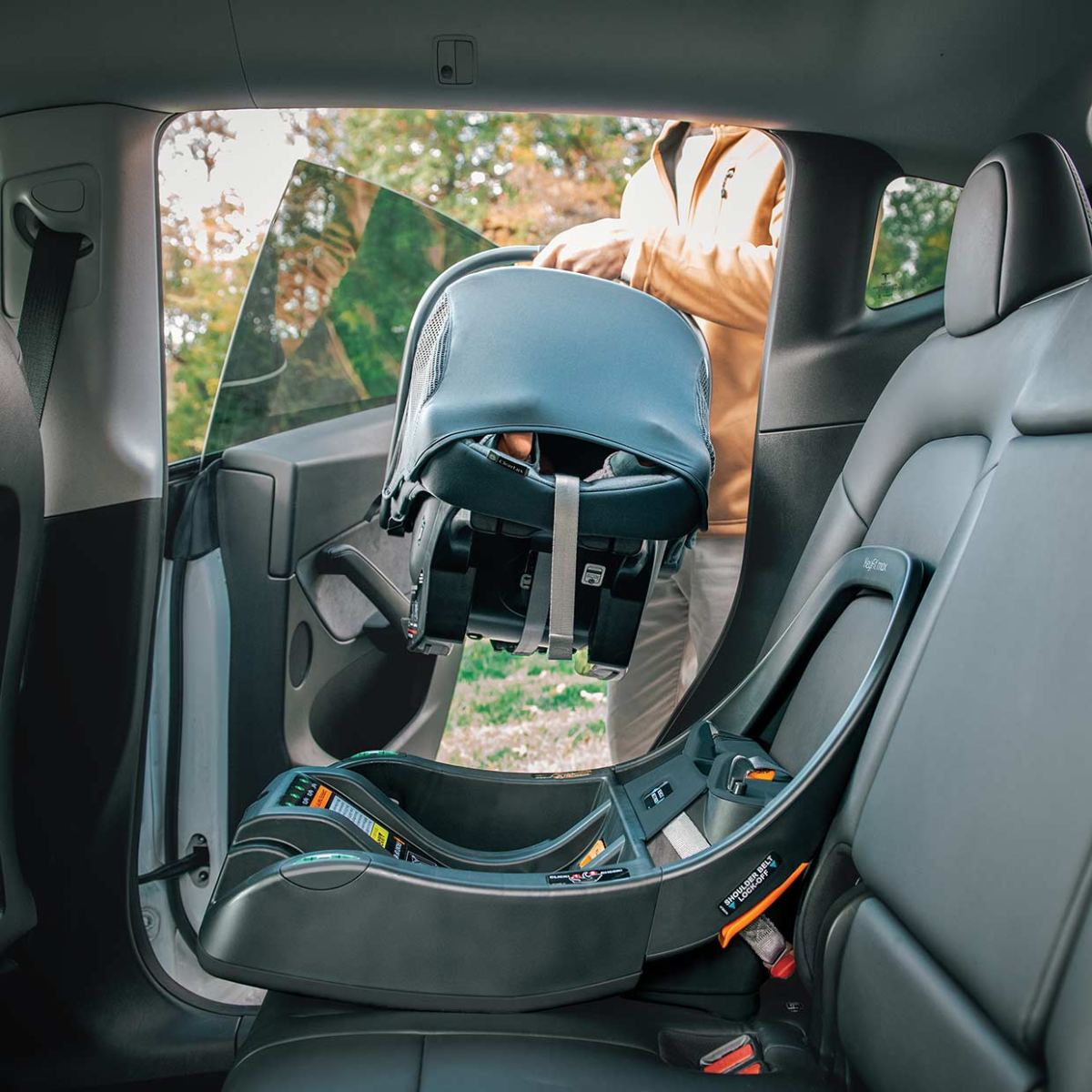
- Chicco makes a related point that owners often miss: the base should be replaced along with the seat, and since the base is a separate purchase, it must be claimed separately, too.
- Consumer Reports notes that a manufacturer contacted directly may tell you to replace the seat regardless of severity.
A manufacturer’s instruction to discontinue use is strong evidence that replacement is necessary, but it does not, by itself, determine whether a particular policy must reimburse the cost.
Which coverage actually pays
There is usually no separate car seat coverage to purchase. Depending on the policy, the responding coverage, and state law, the restraint may be treated as covered property within the vehicle or as property damage.
| Situation | Where the claim usually goes |
|---|---|
| Another driver is clearly at fault | That driver’s property damage liability coverage, once liability is accepted and coverage is available, generally has no deductible for you |
| You were at fault, or the fault is shared or unclear | Your own collision insurance coverage, subject to your deductible |
| Theft, fire, flood, or a falling object | Comprehensive insurance may cover the vehicle loss, but confirm how comprehensive insurance is calculated and whether the policy also treats the child restraint as covered property |
| You carry liability only and caused the crash | Generally, no coverage for your own property, including the seat |
| Your state requires child restraint replacement coverage | The statute may control, so ask the insurer to address it directly |
The deductible trap nobody warns you about
Here is where a technically covered claim turns into no money at all. If the seat is covered under your collision or comprehensive coverage, the payment is subject to your deductible. A car seat and base costing a few hundred dollars may fall below your deductible, so a standalone first-party claim could produce little or no payment.
Three scenarios show how much the framing of the claim matters.
| Scenario | What you receive |
|---|---|
| Vehicle repair and seat replacement total $2,000, with a deductible of $500 | You pay $500, the insurer pays $1,500. The seat is effectively covered because it rides along with the vehicle claim |
| Seat and base cost $280, no vehicle damage claimed, deductible $500 | Nothing. The loss never reaches the deductible |
| Seat and base cost $280, other driver at fault, claim filed against their property damage liability | Typically, the full replacement cost, with no deductible applied to you |
Car seat replacement laws vary by state
Outside states with a specific statutory requirement, replacement often depends on the responding coverage and policy terms. In a small number of states, however, it is expressly required by law.
| State | What the law requires |
|---|---|
| California | Insurance Code section 11580.011 requires automobile liability policies to cover replacement of a child passenger restraint system that was damaged or in use during an accident for which liability coverage applies, and directs the insurer to ask whether a restraint was in use |
| Illinois | 215 ILCS 5/143.32 requires an automobile insurance policy to include coverage for the replacement of a child restraint system that was in use by a child during a crash to which coverage applies |
| Colorado | House Bill 25-1179, effective January 1, 2026, requires a policy issued or renewed under the act to include the replacement cost of a child restraint system that was in the vehicle at the time of an accident to which the applicable coverage applies |
An unoccupied seat may still need to be replaced. NHTSA’s minor-crash criteria do not depend on whether a child was sitting in the restraint, and some manufacturers recommend replacement even when the seat was empty. This is also the single most common reason a claim is denied, so expect the question and answer it accurately. Coverage is a separate issue and varies by policy and state law. If the insurer denies the claim, ask for the policy or statutory basis in writing and provide the manufacturer’s instructions for your model.
What insurers actually pay, and what they ask for
Two expectations are worth setting before you shop for the replacement.
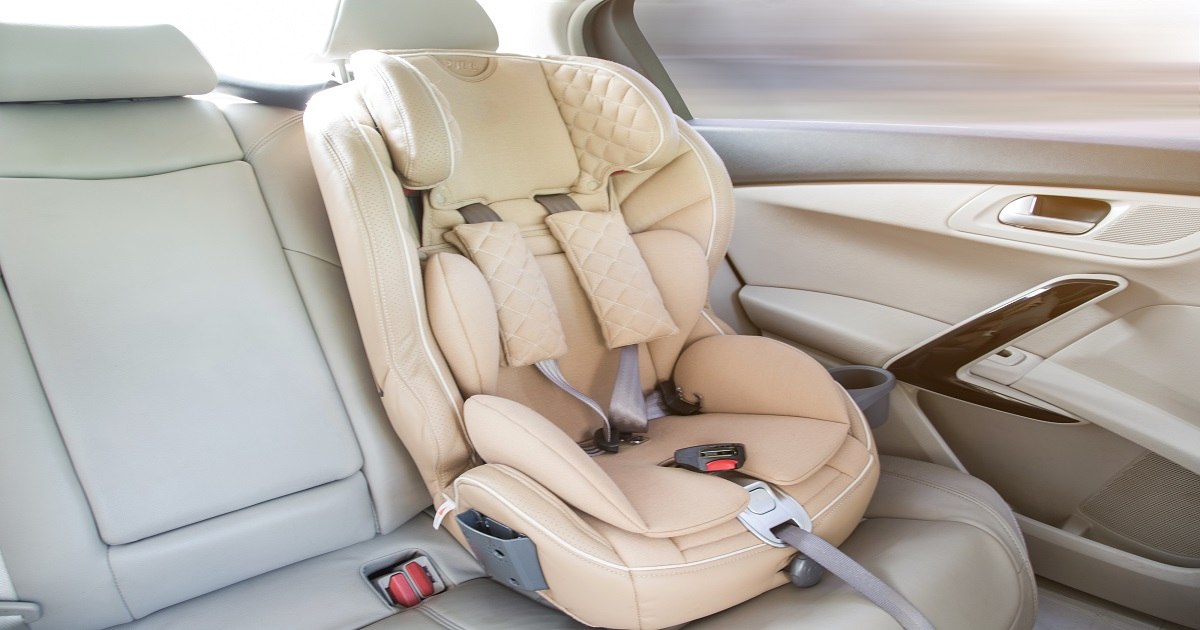
Comparable, not upgraded. Insurers commonly reimburse a seat of a similar type and quality rather than the identical model number, and some apply an internal cap per seat. A crash is not an opportunity to move up to a premium model at the insurer’s expense. If you want a different model, ask the adjuster first and be prepared to pay the difference.
You may be asked to destroy the old seat. Some insurers require photographs of the seat with the harness straps cut, as proof that it cannot be reused or resold. This does not conflict with keeping the seat as evidence, but the order matters: keep the seat, wait for instructions, cut the straps, and photograph it only if asked, and dispose of it only after the claim is closed.
Handling also varies by company. Some carriers process the seat inside the vehicle estimate; some route it to a third-party claims administrator; and a few treat a child restraint as personal property, falling outside auto coverage entirely. Do not assume the practice of one insurer applies to another, and do not rely on a published list of carrier policies. Ask your adjuster directly and get the answer in writing.
If no coverage responds at all, replacement help may still be available. Some Medicaid programs, local police and fire departments, and child safety charities distribute car seats to families in need. A certified child passenger safety technician in your area can tell you what resources are available locally.
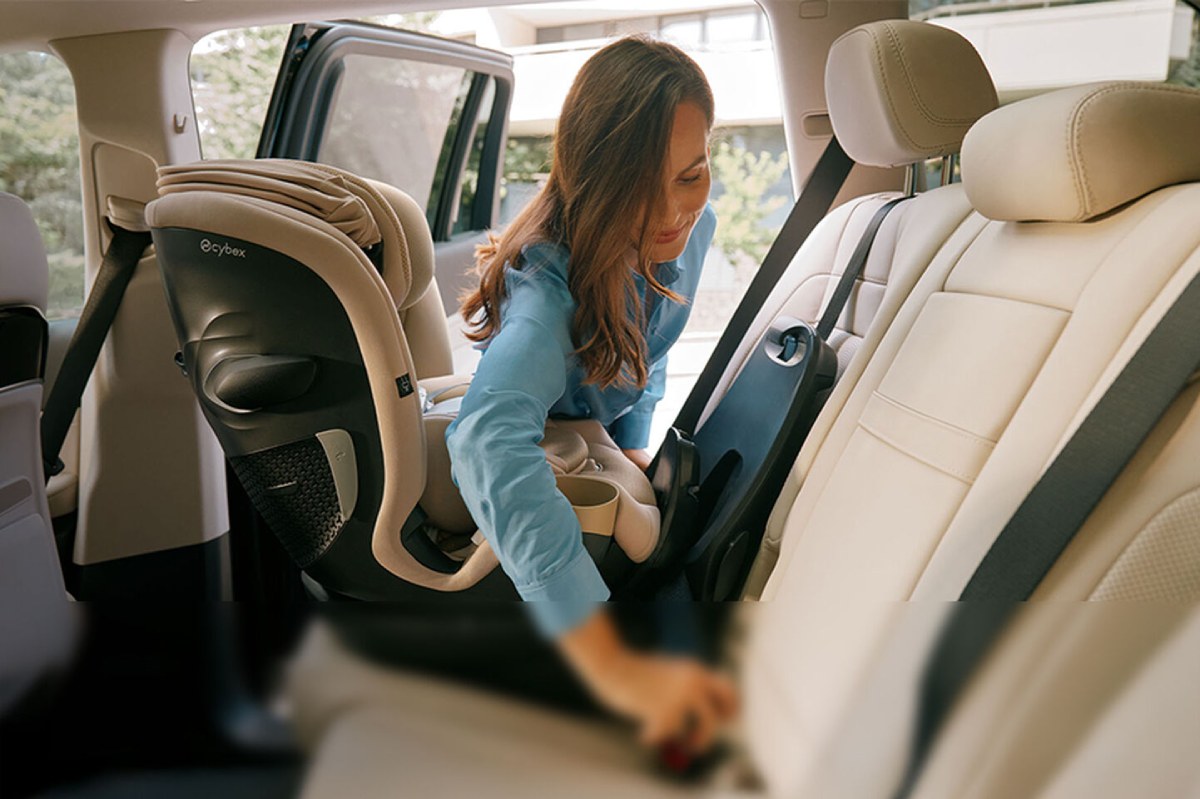
How to get reimbursed, step by step
1. Do not throw the seat away. It is the evidence. Keep it out of use. If the insurer later asks you to cut the harness straps and send photos as proof of disposal, do that, and dispose of the seat only after the claim closes.
2. Photograph everything before you buy. Shoot the seat in place if it is safe to do so, and record any visible damage and the manufacturer’s label showing the model name, model number, and date of manufacture.
3. Mention the seat when you report the claim. Say clearly that a child restraint was in the vehicle, whether a child was riding in it, and that you intend to claim the replacement. Include the base. Knowing when to file an auto insurance claim helps avoid a second, weaker conversation later.
4. Send the manufacturer’s own instructions. Pull the relevant page from the manual or the manufacturer’s support site. Better still, email the manufacturer and ask for a written statement that the seat should not be reused. A written instruction from the maker is far more persuasive than your description of the crash.
5. Ask about the reimbursement process before buying. The insurer may require a replacement receipt, a current retail listing, or approval of a comparable model before issuing payment. Confirm the required documents and any price limit first.
6. Confirm what qualifies as a comparable replacement. Ask the adjuster before buying a more expensive model, and make sure the replacement fits your child and vehicle.
7. Consider the premium effect before filing a standalone claim. A claim paid under your own collision or comprehensive coverage becomes part of your claims history, and how insurers treat it varies. When another driver is at fault and their liability coverage pays, the claim may be recorded and rated differently. If the seat is included in a larger vehicle claim, the premium question is the same as for that claim. This is one of the details to look for in car insurance before you file. Ask your insurer how it handles the specific type of claim.
8. Escalate in writing if it is denied. Ask for the specific policy language or legal basis for the refusal. If the manufacturer has told you in writing not to reuse the seat, ask the insurer to confirm in writing that it is advising you to keep using it anyway. Few adjusters will put that in writing. If the answer still does not hold up, contact your state insurance department.
Documents to include with the claim
- Photos of the seat, the label, and the damaged area of the vehicle
- The claim number, the date, and the description of the crash
- The page from the manual stating that the seat should not be reused after a crash
- The original purchase receipt, if you have it, or a current store listing showing the price
- The receipt for the replacement seat and base
- Any police report or repair estimate that establishes crash severity
The cost of replacing a crash-involved child restraint may be recoverable as part of a covered property damage claim, but the outcome depends on whether the seat should be replaced, which coverage responds, the deductible, and any applicable state requirement. Check the manual and the manufacturer’s guidance first, notify the adjuster early, preserve the old seat, and document the label, damage, and replacement cost. If you are in California, Illinois, or Colorado, cite the statute before accepting a denial.

RELATED AUTO INSURANCE GUIDES
Safety & Driving
Black Ice on the Roads: How to spot it and handle a skid
Auto Insurance
Car Insurance Umbrella Policy: Coverage, Cost and Limits
Auto Insurance
Michigan Car Insurance: Rates, Companies & PIP Coverage
Safety & Driving
Texting and driving: risks, statistics, laws and prevention