

Buying car insurance is often much faster than people expect. For a straightforward application, many insurers can quote, bind, and issue proof of coverage on the same day, sometimes within minutes. But the exact timeline depends on the insurer, your driving and insurance history, the vehicle, the coverage you choose, and whether additional underwriting or verification is required. Auto Insure News explains how long it takes to get car insurance, what can slow the process down, and how to get coverage in place quickly without overlooking important policy details.
How long does it take to get car insurance?
For many drivers, car insurance can be purchased and activated on the same day. Major insurers increasingly provide digital policy documents and proof of insurance shortly after a policy is issued, although the exact timing depends on the company and the effective date you select.
The important distinction is between getting a quote, buying the policy, and having coverage actually take effect. A quote can arrive in minutes, but you should not drive until the insurer confirms the policy’s effective date and time.
Here is a practical reference for how long the process may take based on your situation:
| Your situation | Common timeline |
|---|---|
| Straightforward online application with information ready | Often within minutes of the same day |
| Applying by phone with an agent | Often the same day |
| Applying through a local agency | Often, the same day, depending on office availability and underwriting |
| Complex driving or insurance history | May require additional review |
| Recent lapse or unusual underwriting issue | May take longer if documentation or verification is required |
| SR-22, FR-44, or specialty filing required | Can be fast when electronically filed, but timing varies by insurer and state |
For most applicants, speed comes down to three things: whether the insurer can automatically verify your information, whether your application requires additional underwriting, and whether you have the information needed to bind the policy without stopping midway.
What actually happens when you apply for car insurance
So, how long does it take to get auto insurance once you actually apply? The insurer evaluates information about you, the drivers on the policy, the vehicle, your insurance history, and the coverage you request. Depending on the company and state, underwriting may also use motor vehicle records, prior claims information, and a credit-based insurance score where state law permits it.
Here is how the process generally breaks down:
Step 1: Get a quote. You provide information about the drivers, vehicle, garaging location, driving history, and the coverage you want. This is how car insurance shopping usually begins.
Step 2: Underwriting and verification. The insurer verifies relevant driver, vehicle, claims, and insurance-history information. Many straightforward applications are processed automatically, while discrepancies or more complex risks may require additional review.
Step 3: Select the policy and make any required initial payment. Once you accept the coverage, the insurer will tell you what payment is required to bind the policy or start coverage.
Step 4: Confirm the effective date and time. Your policy documents or confirmation should show exactly when coverage begins. Do not assume that receiving a quote or submitting payment automatically means you are already insured.
Ready to Get Car Insurance?
Now that you know how the application process works, why not see what coverage options are available for your vehicle? Get your free car insurance quote to explore coverage options and take the next step toward getting insured. It only takes a few details to get started.
Documents you need before you apply
One of the easiest ways to slow down an insurance application is to start without accurate driver or vehicle information. A missing VIN, incorrect driver’s license number, or mismatch in your insurance history can require corrections before the insurer can finalize the policy.
Having the information ready also makes quote comparison more useful because every insurer is evaluating the same driver, vehicle, and coverage profile.
Personal information:
- Driver’s license information for drivers being added to the policy
- Date of birth
- Current home and garaging address
- Marital status, where requested
- Additional identity or credit-related information, if required by the insurer and permitted by state law
Vehicle information:
- Vehicle Identification Number (VIN)
- Make, model, and year
- Approximate mileage
- Garaging location
- How the vehicle is used, such as personal driving, commuting, or business use
- Which types of car insurance coverage your policy should include
Insurance history:
- Name of your current or most recent insurer
- Policy information if you are switching carriers
- Expiration or cancellation date of previous coverage
- Details about any recent lapse if requested
Payment information:
- Accepted credit or debit card
- Bank account information if using electronic payments
If you are requesting a specific discount, have supporting information ready when the insurer asks for it. Examples can include student eligibility, approved driver-training documentation, or other discount qualifications offered by that carrier.
The VIN is especially important because it identifies the exact vehicle being insured. It is typically visible through the lower driver’s side of the windshield and on the driver’s door-jamb label.

How fast can you get car insurance? Online vs. phone vs. in-person
The fastest method depends more on the complexity of your application than on the sales channel itself. Online purchasing is convenient for straightforward risks, while speaking with an agent can be useful when the application involves unusual drivers, filings, vehicles, or prior insurance problems.
Applying online
Many major insurers allow drivers to quote and purchase auto insurance entirely online. When the application passes automated underwriting and the applicant selects an immediate effective date, coverage may be available within minutes.
Online applications work particularly well when your driver information is straightforward, you already know the coverage limits and deductibles you want, and you have the VIN and payment information ready.
Applying by phone
Calling an insurer or licensed agent can be useful when you need help interpreting coverage or when the application contains something an automated quote system cannot resolve easily.
For example, a driver with a recent DUI or DWI-related violation, several recent violations, an unusual vehicle, or an SR-22 requirement may benefit from speaking directly with a representative who can explain what documentation or filing is required.

Applying in person
An in-person agency can make sense if you prefer face-to-face help, need assistance with a complicated household or vehicle situation, or want a licensed professional to walk through coverage options with you. The policy itself does not necessarily take longer simply because it is purchased in person, but office hours and appointment availability can affect the overall process.
What can delay your car insurance approval time?
Not every application can be issued immediately. Some situations require additional underwriting, documentation, or state filings before the insurer can finalize coverage.
1. A complicated driving record. Recent accidents, serious violations, a DUI/DWI, license suspension, or several citations may require more underwriting than a clean driving record.
2. A lapse in prior insurance. A break in continuous coverage can affect underwriting and pricing. The significance of the lapse depends on the insurer, state, and length of time you were uninsured rather than on a universal 30-day threshold.
3. Incomplete or inaccurate information. An incorrect VIN, an incorrect driver’s license number, a mismatched address, or incomplete driver information can prevent the insurer from automatically verifying the application.
4. Additional underwriting verification. The insurer may need to confirm information about drivers, vehicles, prior claims, ownership, garaging location, or other risk characteristics before issuing the policy.
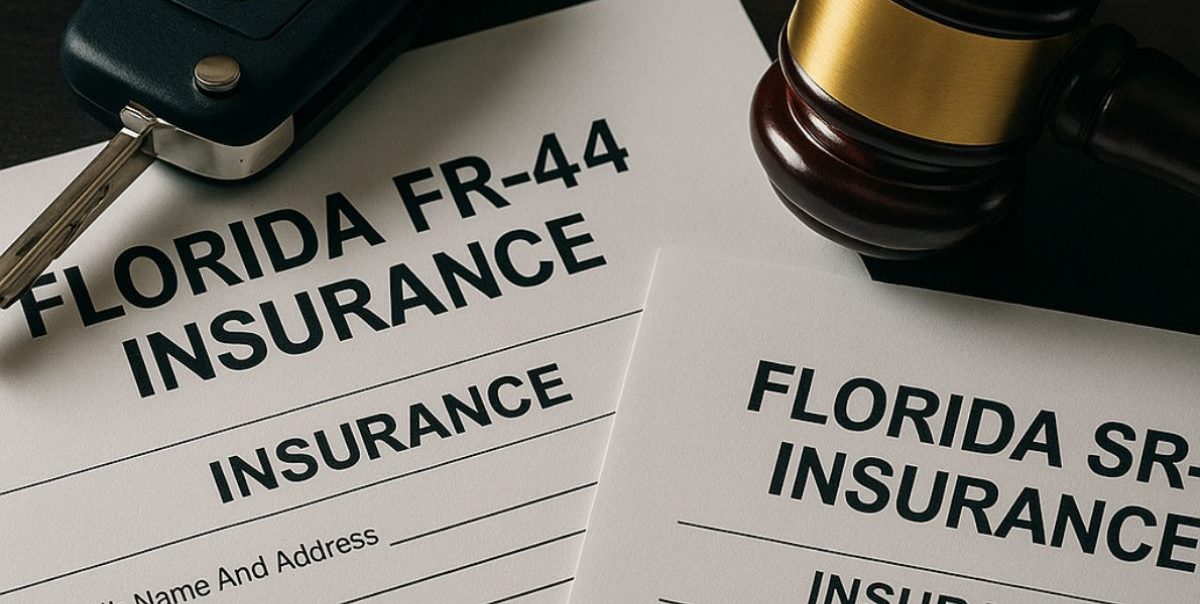
5. SR-22 or FR-44 requirements. If your state requires an SR-22 filing, make sure the insurer you choose can complete the required filing. Some insurers can transmit an SR-22 electronically soon after the policy is purchased, while other states or situations may require a different process.
When does your car insurance actually start?
The most important time on your new policy is not when you requested the quote or even when you submitted payment. It is the effective date and time shown by the insurer.
Many insurers allow customers to choose coverage that begins immediately, while others allow or require a future effective date. The exact start time can depend on the carrier, state, underwriting status, and the option you selected during purchase.
- Same-day coverage can be available when the insurer approves the application, and you select an immediate effective date.
- Future effective dates can be useful when you are arranging insurance before purchasing a vehicle or switching from another carrier.
- The policy documents control. Check the declarations page, binder, insurance card, or the insurer’s confirmation for the exact effective date.
Do not drive solely because your card was charged. Confirm that coverage is active first. Insurance cannot retroactively protect an accident that happened before the policy became effective.

How to get same-day car insurance: a practical approach
For many drivers, same-day car insurance is realistic. The goal, however, should not be to complete the application as quickly as physically possible. The better approach is to prepare the information in advance so you can compare equivalent policies quickly and still understand what you are buying.
Step 1: Gather your information first. Have your driver’s license details, VIN, garaging address, prior insurance information, and payment method ready.
Step 2: Compare several insurers. When learning how to get insurance quotes, use the same liability limits, deductibles, optional coverages, drivers, and vehicle information for each quote. Otherwise, the lowest premium may simply represent less coverage.
Step 3: Choose the policy based on coverage and price. A policy that can start five minutes faster is not necessarily better if it has inadequate liability limits or a deductible you cannot comfortably afford.
Before selecting a policy, review what to look for in car insurance, including limits, deductibles, exclusions, and the effective date.

Step 4: Complete the application carefully. Check the VIN, drivers, address, coverage selections, deductibles, and effective date before submitting.
Step 5: Make the required payment and confirm the policy is bound. Look for written confirmation showing the effective date and time.
Step 6: Save your proof of insurance. Keep the digital or physical documentation required by your state. Do not assume every jurisdiction handles electronic proof exactly the same way.
Auto Insure News recommendation: speed matters when you need coverage today, but quote consistency matters more. Compare the same coverage across insurers first. A lower monthly premium is not a real saving if the cheaper quote reduces your liability limits or increases your deductible without you noticing.
Special situations: how long does it take in these cases?
Some insurance situations deserve extra attention because the policy may need to coordinate with a vehicle purchase, existing coverage, cancellation, or state filing.
Buying a new car
If you already have auto insurance, your existing policy may provide temporary protection for a newly acquired vehicle, but there is no universal grace period that applies to every insurer or every policy. The duration and coverage that extends to the new vehicle depend on your existing contract and state rules.
Do not rely on a general “7 to 30 days” rule before driving a new vehicle. Contact your insurer with the VIN, purchase date, financing information, and vehicle details before taking possession. If you do not currently have active insurance, arrange a policy before driving the vehicle. Buyers can review how to get car insurance before buying a car so coverage is ready before taking possession.
If you are taking delivery today, review what to do after buying a new car so insurance, proof of coverage, registration, paperwork, and early ownership steps are handled in the correct order.
Switching insurers
Switching carriers can usually be arranged without interrupting coverage. The important part is coordinating the effective date of the new policy with the end of the old policy to avoid an uninsured gap.
Do not cancel the existing policy merely because you received a quote from another company. Confirm that the new policy has been issued and that its effective date is correct first.
Adding a driver to an existing policy
Adding a driver can often be handled online, through an app, or by calling the insurer. You will typically need the person’s identifying information and driver’s license details. The insurer may also review the driver’s record before confirming the change and any resulting premium adjustment.
If the change involves a newly purchased or replacement vehicle, review adding a vehicle to an existing insurance policy before the handoff.
Reinstating a lapsed policy
Whether a canceled policy can be reinstated depends on the insurer, the reason for cancellation, how long coverage has been inactive, and state requirements. Some companies may reinstate the existing contract, while others require a new policy application.
If your policy was canceled or non-renewed, contact the insurer before assuming that paying an outstanding balance will automatically restore coverage.

High-risk drivers and SR-22 requirements
Drivers with serious violations, suspended-license history, multiple recent accidents, or a required financial-responsibility filing may have fewer insurers available and may need additional underwriting. That does not mean every high-risk application takes several days.
If an SR-22 is required, ask the insurer two separate questions before buying: Can you insure me based on my driving history, and can you file the required SR-22 with my state? Some insurers can submit the form electronically soon after the policy is issued, while others may not offer the filing you need.
How Auto Insure News evaluates fast car insurance
Getting insured quickly is useful, but speed should never replace verification. A policy purchased in ten minutes can still be the wrong policy if the effective date is incorrect, a driver is missing, the vehicle information is wrong, or the limits do not provide the protection you intended to buy.
At Auto Insure News, we evaluate the process from both the underwriting and coverage perspectives rather than treating “instant insurance” as a race to the checkout screen.
- We separate the quote from active coverage: receiving a price does not mean the policy has started.
- We verify the effective date: the date and time shown on the issued policy determine when protection begins.
- We compare equivalent coverage: the fastest or cheapest quote is not useful if it provides materially less protection than the alternatives.
- We account for underwriting differences: driving history, prior insurance, state filings, vehicle use, and other risk factors can change how quickly a policy can be issued.
For a straightforward driver, same-day auto insurance is often realistic. Our recommendation is to gather your information first, compare equivalent coverage from several insurers, and confirm the exact effective date before you drive. That approach gives you the speed you need without creating an avoidable coverage gap.

RELATED AUTO INSURANCE GUIDES
Safety & Driving
Hot Car Safety Tips for Children, Pets and Drivers
Safety & Driving
How Does a Learner’s Permit Work? Rules and Next Steps
Safety & Driving
Thunderstorm Safety Tips at Home, Outdoors and in a Car
Auto Insurance
ACV vs Replacement Cost: How Insurance Payouts Differ