

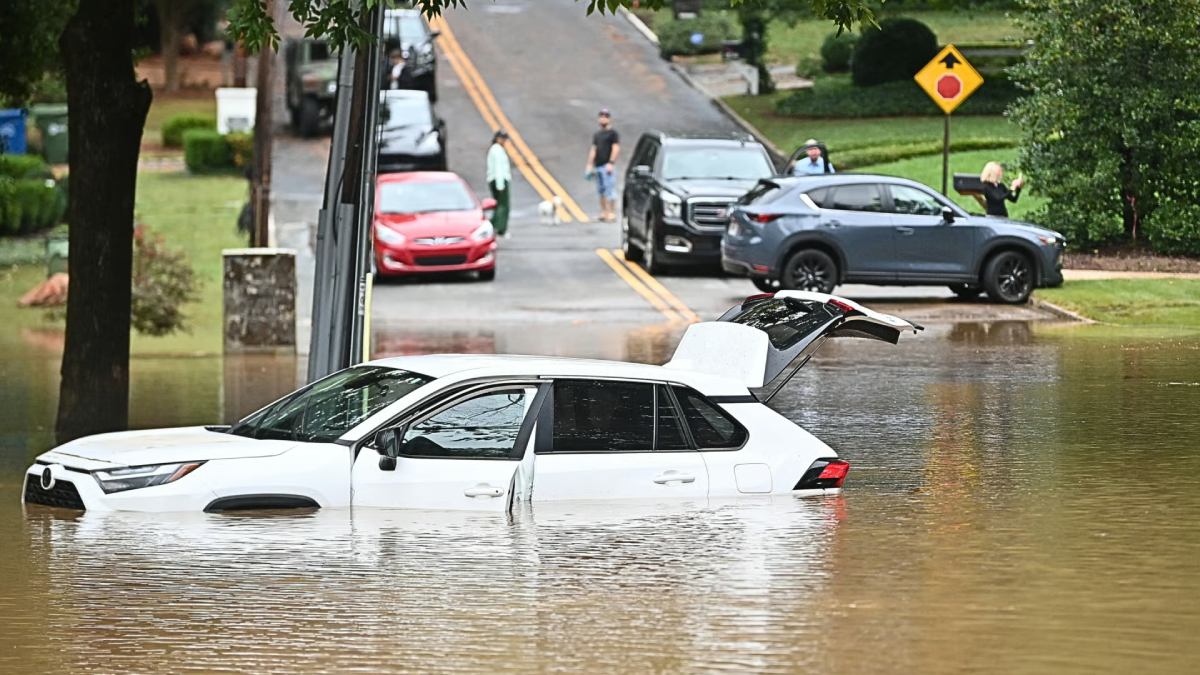
A flood-damaged car can look clean, run normally, and still hide serious problems beneath the carpet, dashboard, and electrical system. Sellers may repair the visible damage, remove odors, or move the vehicle across state lines before putting it back on the market, making the warning signs easy to miss during a quick inspection. This guide by Auto Insure News explains how to spot and avoid flood-damaged cars before you buy. You’ll learn which smells, stains, corrosion, warning lights, title records, and inspection findings deserve attention.
Why flood cars are so risky
The danger isn’t just that you overpaid. It’s that the damage is hidden and progressive. Salt and fresh water both accelerate corrosion in places you can’t see, like inside wiring harnesses and control modules. Airbag sensors and seat-belt pretensioners can fail silently, which means the safety systems you’re counting on may not fire in a crash.
Mold and mildew are health issues, not just smells. And because the harm shows up gradually, you often don’t discover it until well after the seller is gone and the return window has closed. That’s why the goal is to catch these cars before money changes hands.
How does title washing hide a vehicle’s history?
When an insurer declares a flooded car a total loss, it first decides the value of a totaled car. The vehicle is then supposed to get a branded title, something like “flood,” “salvage,” or “junk,” that follows the car for life. Dishonest sellers get around this with a trick called title washing: they move the car to a different state (or even across the border and back) and re-register it, hoping the flood brand drops off along the way. The car ends up with a clean-looking title in a state far from where it was soaked.
This is why a car sold far inland right after a Gulf Coast hurricane deserves extra scrutiny, and why you should never rely on the paper title alone. If flooding occurs while you own the vehicle, it may result in a comprehensive claim covered under your policy.
Check the paperwork first
Before you drive anywhere to see a car, spend a few dollars and a few minutes on its history:
- Get a vehicle history report. Run the 17-digit VIN through Carfax, AutoCheck, or VinAudit. Look specifically for flood, salvage, or rebuilt title brands, and for a car that has bounced between states shortly after a major storm.
- Use free government-linked tools. The National Motor Vehicle Title Information System (NMVTIS) aggregates title-brand data across states and is one of the best defenses against title washing. The National Insurance Crime Bureau’s free VINCheck flags cars that have been reported as salvaged or stolen.
- Try a flood-risk lookup. AutoCheck’s flood-risk check can tell you whether the vehicle was titled or registered in a FEMA-declared disaster county, a useful early warning even when the title looks clean.
- Read the physical title. Inspect the actual paper title for a flood or salvage brand, water stains, or signs that it was reprinted. Cross-check the VIN on the title against the VIN on the dashboard and door jamb.
One honest caveat: reports are powerful but not foolproof. Cars that were never insured or were washed cleverly can slip through with a clean record. So paperwork is step one, not the whole job.
Trust your nose
Most detectives who spot flood cars for a living say the smell gives it away first. Close all the doors and windows, let the car bake for a few minutes, then open a door and take a deep breath.
- A musty, mildewy, or damp basement smell is a serious red flag.
- So is the opposite: an overpowering air freshener or “fresh mountain rain” scent in an older car. Heavy deodorizers are often used to mask mold, not because someone loves a clean cabin.
- Run the heater and the air conditioning for a minute each. Musty air blowing from the vents indicates water in the ducts and the evaporator.
If you know someone who’s sensitive to smells, bring them along. That “do you smell that?” question can save you thousands.
Inspect the hidden spots
Sellers clean the obvious surfaces. Water hides in hard-to-reach places and expensive-to-replace areas, so that’s exactly where you look. Bring a flashlight and don’t be shy about getting on the floor.
- Under the carpets and floor mats. Peel back a corner and feel the padding underneath. Dampness, water lines, silt, or a fresh-looking carpet in an older car are all warning signs. Replacing carpet is costly, so new carpet in a ten-year-old car begs the question: why?
- Seat belts. Pull each belt all the way out to the end. Water stains, grime, or a faint tide line on the lower part of the webbing are classic tells; sellers rarely clean this deep.
- The trunk and spare-tire well. Lift the spare and look for mud, rust, or a water line. This low point traps evidence.
- Glove box, center console, and under the dashboard. Check for silt, water marks, and corrosion on screws and metal brackets.
- Seat mounting bolts. If the bolts look freshly removed or the seats appear to have been out recently, someone may have pulled the interior to dry it.

Under the carpets and floor mats

Look for rust and corrosion in odd places
Surface rust on an old car is normal. Rust in places that never get wet in normal driving is not. Check:
- Upper door hinges, trunk and hood latches, and hood springs.
- Unpainted screws and bolts around the doors, dashboard, and console.
- Brackets and metal under the seats and dash.
- Brake and fuel lines, and the undercarriage, are showing excessive corrosion for the car’s age and region.
A newer car with rusty interior screws is telling you a story the seller isn’t telling you.
Check the electrical and mechanical systems
Water and electronics don’t mix, and modern cars are full of electronics. During your inspection and test drive:
- Test every electrical feature: power windows and locks, radio and infotainment, dashboard lights, turn signals, interior lights, heated seats, wipers, and the horn. Intermittent glitches are a red flag.
- Look at the headlights and taillights for fogging, condensation, or a visible water line inside the housing. Unless a lens is cracked, there shouldn’t be moisture in there.
- Open the hood and check tight crevices near the starter motor, power steering pump, and alternator, as well as behind wiring harnesses, for dried mud or silt.
- Pull the dipstick, check the oil, and look at other fluids: a milky, coffee-with-cream color can indicate water contamination.
Get a professional pre-purchase inspection
Even a careful buyer can miss what a good mechanic catches in twenty minutes. Before you commit to any used car, pay for an independent pre-purchase inspection from a trusted shop, not one the seller recommends. A technician can put the car on a lift, use a borescope to look inside body cavities and behind the dash, and read the electronic control modules for corrosion or fault codes you’d never see from the driver’s seat.
It typically costs somewhere between $100 and $200. Against a car that could cost you thousands in hidden repairs, that’s the cheapest insurance you’ll ever buy.
Buy from sources that stand behind the car
Where you buy matters as much as what you buy.
- Favor reputable dealers who are upfront about a car’s history and will let you take it to your own mechanic. Use the same caution when you negotiate a used car price at a dealership.
- Be extra cautious with private sellers, online-only listings, and prices that seem too good to be true, especially right after a hurricane season.
- Watch for a seller who is in a hurry, won’t allow an independent inspection, or is vague about the car’s history. Any of those is your cue to walk.

A quick pre-purchase checklist
Run through this before you hand over any money:
- Pull a vehicle history report and check NMVTIS and VINCheck for flood, salvage, or rebuilt brands.
- Confirm the VIN matches across the title, dashboard, and door jamb.
- Do the smell test with the car sealed, then run the heat and A/C.
- Peel back carpets, pull the seat belts fully, and check the trunk and spare-tire well.
- Hunt for rust on hinges, latches, and unpainted screws.
- Test every electrical feature and inspect the lights for moisture.
- Check under the hood and the oil dipstick for silt and milky fluid.
- Pay for an independent pre-purchase inspection before you sign anything.
If you are financing the vehicle, decide whether gap insurance is worth it on a used car before you sign the loan paperwork.
What to do if you suspect (or already bought) a flood car
If a car raises red flags before you buy, the answer is simple: walk away. No deal is worth the risk.
If you think you’ve already been sold a flood car without disclosure, save all your paperwork and photos, get a written inspection from a mechanic documenting the damage, and report it to your state’s consumer protection office or attorney general and to the NICB. An insurer may treat pre-existing flood damage differently from a new loss, so understand the auto insurance claim process before you report damage that occurred after you bought the vehicle. Depending on your state’s laws and how the sale was handled, you may have grounds to unwind the deal or recover damages.

RELATED AUTO INSURANCE GUIDES
Safety & Driving
How Does a Learner’s Permit Work? Rules and Next Steps
Safety & Driving
Thunderstorm Safety Tips at Home, Outdoors and in a Car
Auto Insurance
ACV vs Replacement Cost: How Insurance Payouts Differ
Safety & Driving
Black Ice on the Roads: How to spot it and handle a skid