
Hearing thunder is the cue to get indoors, even while the pavement outside is dry. These thunderstorm safety tips from Auto Insure News cover the decisions that matter in the next few minutes: finding proper shelter, staying clear of wiring and plumbing, and handling a storm while driving.
Where to find safe shelter during a thunderstorm
Head into a substantial, enclosed building as soon as you hear thunder or see lightning. Bring children and pets with you. Waiting for rain to start can leave everyone outdoors while lightning is already close enough to be dangerous.
A house, office or other substantial building with electrical wiring or plumbing provides lightning shelter. Once inside, move away from windows and exterior doors. For damaging winds or large hail, seek shelter in a small interior room on a lower floor.
| Place | What to do |
|---|---|
| Substantial enclosed building | Go inside and stay away from windows, plumbing and plugged-in equipment. |
| Enclosed, hard-topped metal vehicle | Use it when a suitable building is out of reach. Close the windows and avoid contact with metal surfaces. |
| Porch, picnic pavilion, tent or open garage | Move to an enclosed building or suitable vehicle. These open structures do not provide proper lightning shelter. |
| Isolated tree | Keep moving toward proper shelter. Lightning and falling branches make the area beneath it dangerous. |
A convertible or golf cart also leaves occupants exposed. A fabric roof keeps rain off without providing the protection of an enclosed metal vehicle.

How to prepare before a thunderstorm
What thunderstorm watches and warnings mean
A severe thunderstorm watch means severe storms are possible in or near the area. Check the forecast, identify where everyone will shelter and stay ready to change plans.
A severe thunderstorm warning means severe weather has been observed or indicated by radar. Move into a substantial building and follow the warning’s instructions. If you live in a mobile or manufactured home, identify a sturdier shelter in advance and leave early enough to reach it safely.
Lightning can threaten you before a severe thunderstorm warning is issued. Act on thunder or visible lightning instead of waiting for a phone alert.
What to prepare before thunder begins
Charge phones and a backup battery before the storm. Keep a flashlight, weather radio, essential medication and shoes where you can reach them in the dark. Bring pets indoors early, particularly animals that normally stay in a yard or outdoor kennel.
Put away patio furniture and other loose items while the weather is still safe. Park in a garage if one is available, away from trees likely to drop branches. Finish those jobs before thunder begins; leave outdoor belongings alone once you need shelter.
For an outing, check that the planned shelter will actually be open. A locked clubhouse or a parking lot full of convertibles can leave a group without a usable place to go.
How to stay safe indoors during lightning
Why showers and running water are unsafe
Lightning can travel through a building’s plumbing. Pause showers, baths, dishwashing and other contact with running water while the storm is nearby. Plastic plumbing does not justify ignoring that precaution.
Stay away from windows and open doorways, including the garage entrance. Avoid leaning against concrete walls or lying on concrete floors, as they may contain metal reinforcement that conducts electricity.
Which phones and electronics are safe to use
A mobile or cordless phone can be used indoors during a storm. Keep your mobile phone off its charger while using it, and avoid corded landline phones or equipment connected to electrical outlets.
Unplug sensitive electronics before the storm arrives if you plan to disconnect them. Once lightning is nearby, leave the plugs and cords alone. A surge protector gives you no reason to handle plugged-in equipment during the storm.
Keep weather updates available on a charged device or battery-powered radio. If the alert changes to a tornado warning or a flash flood warning, follow the shelter or evacuation instructions for that hazard.

What to do when caught outdoors
Leave pools, lakes, beaches, exposed sports fields and elevated ground promptly. Move toward an enclosed building or suitable hard-topped vehicle. Keep away from isolated trees, fences, utility lines and other conducting objects on the way.
At a campground, reach the planned building or vehicle before the storm arrives. A tent offers no dependable lightning shelter. At a sports event, suspend play early enough for participants and spectators to get indoors without a last-minute scramble.
If the proper shelter is far away, keep working toward it while leaving exposed ridges and isolated trees behind. Do not lie flat on the ground. Stopping to crouch in an open field provides little protection; the National Weather Service no longer recommends the lightning crouch.
What drivers should do during a thunderstorm
Where to stop when visibility drops
Postpone a nonessential drive when severe storms are expected along the route. If the storm catches you on the road, slow down smoothly, increase the gap ahead and turn on your low-beam headlights.
When rain makes lane markings or traffic difficult to see, reach a safe parking place off the roadway as soon as you can do so safely. Choose a spot away from trees, overhead wires and areas likely to flood. Keep traffic lanes clear, and avoid stopping under an overpass to protect the car from hail.
If a sturdy building is safely accessible, shelter inside it. Otherwise, an enclosed metal-topped vehicle offers lightning protection with its windows closed. Once parked, keep your seat belt on and avoid touching exposed metal or plugged-in devices.
The metal exterior carries much of the lightning discharge around the passenger compartment. Rubber tires are not what make the vehicle protective. Convertibles and open-sided vehicles do not offer the same shelter.
How to respond to a flooded road
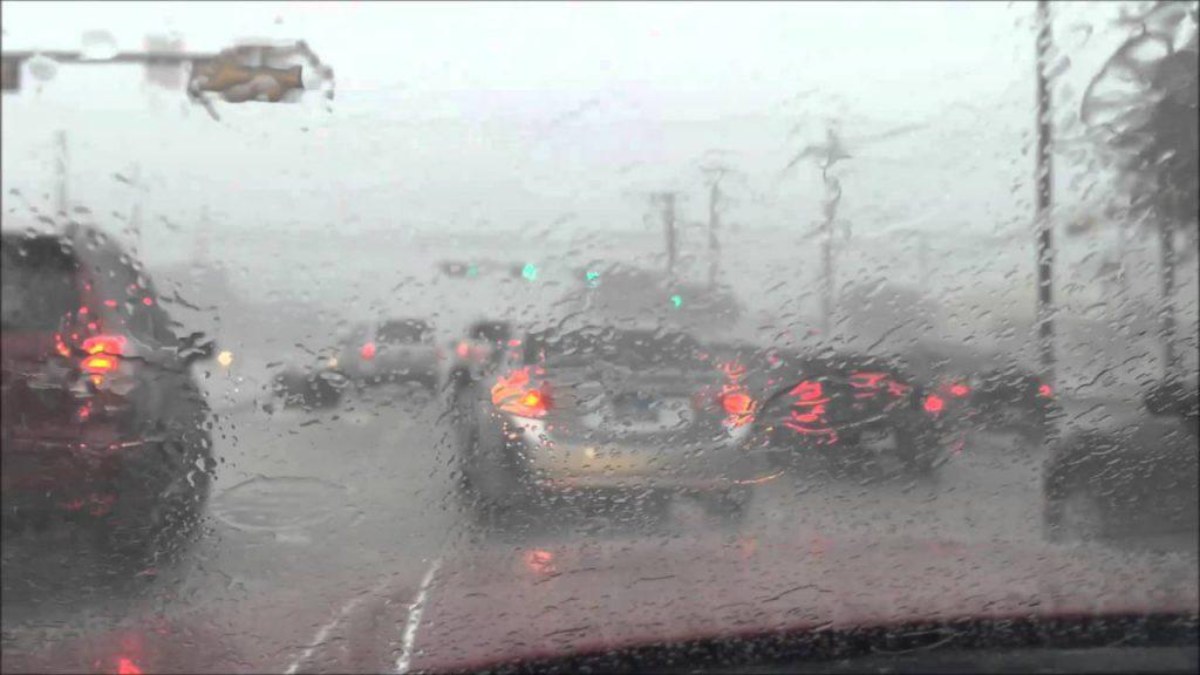
Do not drive into water covering the road or go around a barricade. Water can hide a washed-out surface, and its depth and speed are difficult to judge from the driver’s seat. A taller SUV or pickup does not make the crossing safe.
Choose another route while you still have room to turn around safely. Avoid walking into the water to inspect the road. If flooding threatens your building, follow evacuation orders or move to higher ground; a low-floor wind shelter may be unsafe once water starts entering.
If rapidly moving water traps the vehicle, call 911 and give your exact location. Stay inside while the car is trapped in the current. If water begins rising inside the cabin, get onto the roof and signal for help. Follow the emergency dispatcher’s instructions and avoid entering the moving water.
Where to shelter during a tornado warning
Get to a substantial building, designated shelter or safe room when a tornado warning affects your route and you can reach it safely. Once inside, move to the designated shelter area, basement or a small interior room on the lowest level away from windows.
A car’s lightning protection offers little help against tornado winds and debris. Keep out from under highway overpasses, and avoid trying to outrun a tornado through congested streets.
When is it safe to leave the shelter
The National Weather Service recommends waiting at least 30 minutes after the last sound of thunder before leaving shelter. A fresh rumble starts the wait again. Clearing skies, lighter rain or sunshine do not shorten that interval.
Keep checking local alerts during the wait. Another storm may be approaching, and floodwater or wind damage may keep a route unsafe after the lightning threat has passed.
Before stepping outside, look for hanging branches, damaged structures and downed wires. Keep away from fallen power lines and anything touching them. Report them to the utility company or local emergency authorities, and leave removal to trained crews.
Handling power outages and lightning injuries
Where to place a portable generator safely
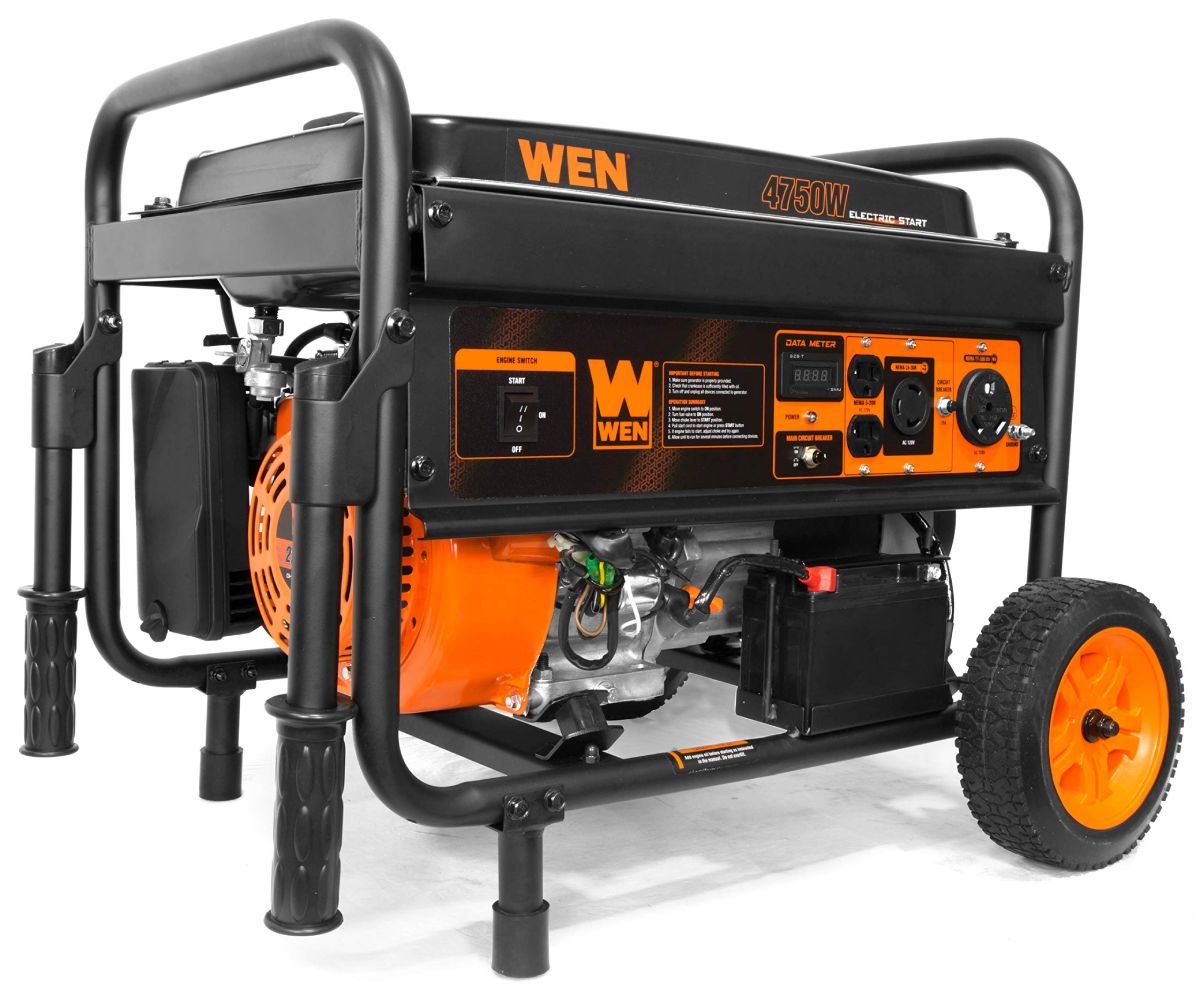
Use flashlights or battery-powered lights during an outage. Run a portable generator outdoors, at least 20 feet from doors, windows and vents. Keep it out of the house, basement and garage, even with the garage door open.
A grill or camping stove also belongs outdoors. Keep carbon monoxide alarms working. If a CO alarm sounds, get everyone into fresh air and call 911.
How to help someone struck by lightning
A person struck by lightning does not retain an electrical charge, so it is safe to touch them. Check the surroundings for ongoing danger and call 911 immediately.
If the person is unresponsive or is not breathing normally, follow the dispatcher’s CPR instructions. Use an available AED as its prompts direct. If safe, move the person away from continued exposure to lightning while emergency help is on the way.
How to check your car after a storm
When to leave a damaged car parked
If the car has been flooded, arrange an inspection and recovery instead of trying to start it. Water can damage the engine, electrical system and transmission. Repeated attempts to start the engine can add damage.
Wet carpets, waterlines, debris and electrical problems can indicate hidden flood damage in a car. Water can remain in wiring, connectors or the engine after the body panels dry. Tell the recovery service whether the vehicle is electric or hybrid, and follow the manufacturer’s flood-recovery instructions.
After a lightning strike, tires, glass or electrical systems may be damaged even if the body looks largely intact. Have the car assessed before resuming the trip. Call emergency services if there is smoke, fire or an immediate danger.
What to document before repairs begin
When filing an auto insurance claim, provide the storm’s date, the vehicle’s location, photos of damage and any recovery or inspection records. Photograph hail dents, broken glass, waterlines and debris only from a safe position.
Contact the insurer promptly and keep receipts for towing and temporary measures to prevent further damage. Ask about inspection arrangements before authorizing major repairs. Leave a car beneath a hanging branch or near a fallen power line alone until emergency or utility crews make the area safe.
What car insurance covers after a thunderstorm
Comprehensive car insurance generally handles covered damage from hail, floodwater, lightning and falling objects. The coverage must already be in force when the loss occurs, and its deductible and policy terms apply.
| Damage | Coverage that generally applies |
|---|---|
| Dents or broken glass from hail | Comprehensive, with the applicable deductible or glass provisions. |
| Floodwater enters the car | Comprehensive coverage for a covered water-damage loss. |
| Lightning or a branch falling onto the car | Comprehensive covers direct damage. |
| Your car skids into another vehicle or a fixed object | Collision coverage covers damage to your car. |
For hail damage claims, compare the repair estimate with the applicable deductible. Windblown debris and tornado damage to a vehicle also require the right physical-damage coverage; liability insurance alone generally leaves your own storm repairs unpaid.

RELATED AUTO INSURANCE GUIDES
Safety & Driving
Thunderstorm Safety Tips at Home, Outdoors and in a Car
Auto Insurance
ACV vs Replacement Cost: How Insurance Payouts Differ
Safety & Driving
Black Ice on the Roads: How to spot it and handle a skid
Auto Insurance
Car Insurance Umbrella Policy: Coverage, Cost and Limits