

Severe weather can strike without warning, leaving drivers wondering whether their insurance policy will cover the damage left behind. If you’ve ever asked, Does car insurance cover tornado damage, the answer depends on the type of coverage you carry. While liability insurance won’t pay for storm-related losses, comprehensive coverage often does. In this guide, Auto Insure News explains when tornado damage is covered, what exclusions may apply, and how to file a claim if your vehicle is affected by a severe storm.
Does car insurance cover tornado damage?
Yes. Tornado damage to your vehicle is covered when comprehensive coverage is active on the policy. Comprehensive is the part of auto insurance that handles direct storm damage, such as wind, hail, fallen trees, flying debris, broken glass, and flooding.
Liability insurance does not pay for tornado damage to your own vehicle. Collision insurance does not cover direct weather damage either. If you carry only liability, or liability plus collision, you pay for tornado damage to your own car yourself.
This matters because tornado exposure is not confined to one small part of the country. NOAA tracks roughly 1,200 tornadoes in the United States in an average year, with severe-weather exposure extending well beyond the traditional Tornado Alley.
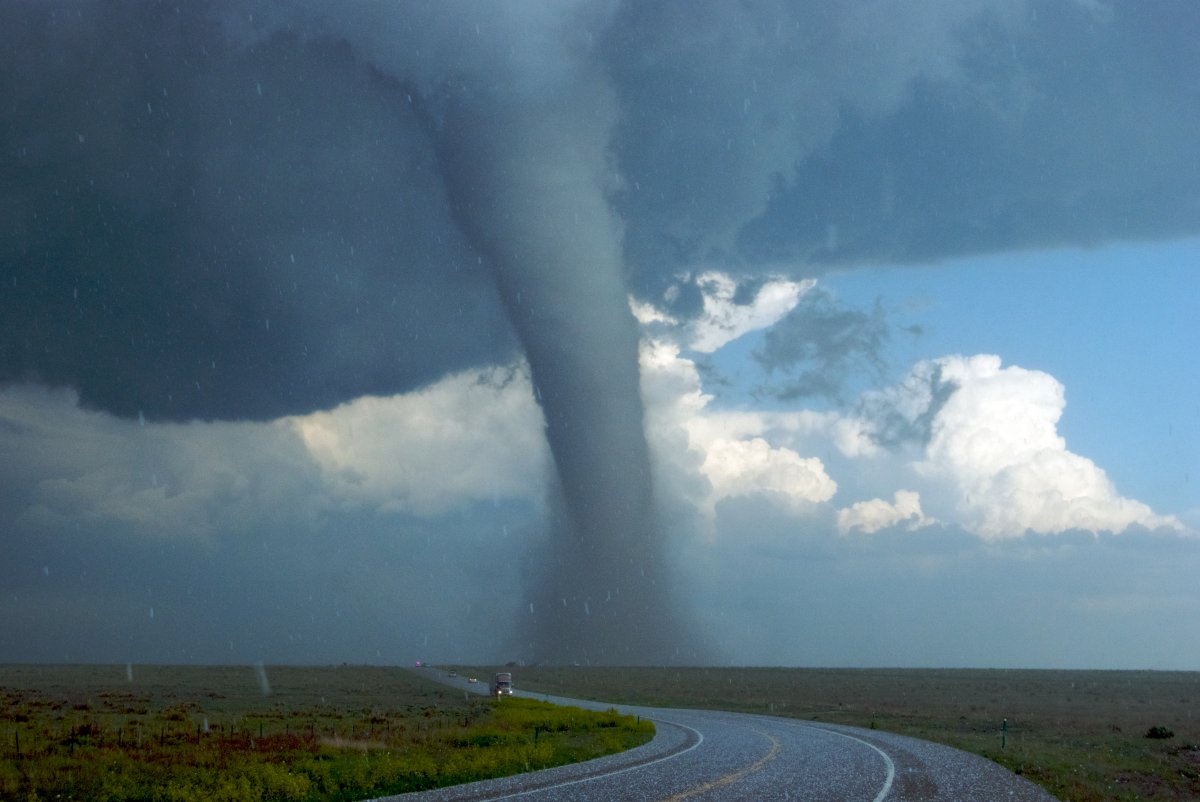
To verify your protection, open your declarations page and look for Comprehensive or Other Than Collision together with a deductible. That is the coverage that responds when a tornado directly damages the vehicle.
Quick answer: Tornado damage is a comprehensive claim. Wind, hail, fallen trees, flying debris, floodwater, and storm-related glass damage are handled under comprehensive coverage when covered by the policy. Liability does not repair your own car. Collision coverage applies when the vehicle itself crashes into another vehicle or object.
What type of car insurance covers tornado damage?
Comprehensive coverage is the insurance that protects your vehicle from tornado damage. The other major auto coverages solve different problems.
| Policy type | Does it cover direct tornado damage to your car? | Why |
|---|---|---|
| Liability-only | No | Liability pays covered losses you cause to other people, not storm damage to your own vehicle |
| Collision only | No | Collision protects against vehicle impacts rather than direct weather damage |
| Comprehensive | Yes | It covers tornadoes and other covered non-collision losses |
| Full coverage that includes comprehensive | Yes | The comprehensive portion handles the storm claim |
The deductible and policy exclusions determine the final settlement, but the coverage category is clear: direct tornado damage belongs under comprehensive.
Comprehensive coverage
Examples of comprehensive claims include losses that do not result from a conventional crash. Tornado damage falls directly into this category.
Typical tornado-related comprehensive claims include:
- Wind damage
- Hail damage
- Flying debris
- Falling trees and branches
- Flood damage
- Fire
- Broken vehicle glass
- A vehicle damaged or overturned by severe wind
Comprehensive normally carries its own deductible. If a covered tornado loss causes $4,000 in repairs and your comprehensive deductible is $500, the insurer’s share is approximately $3,500.
Comprehensive is not required by ordinary state liability laws. If the vehicle is financed or leased, however, the lender or lessor normally requires comprehensive and collision coverage because it has a financial interest in the vehicle.
Collision coverage
Collision does not pay simply because a tornado was occurring when the vehicle was damaged. Collision applies when the immediate cause of damage is an impact involving the vehicle.
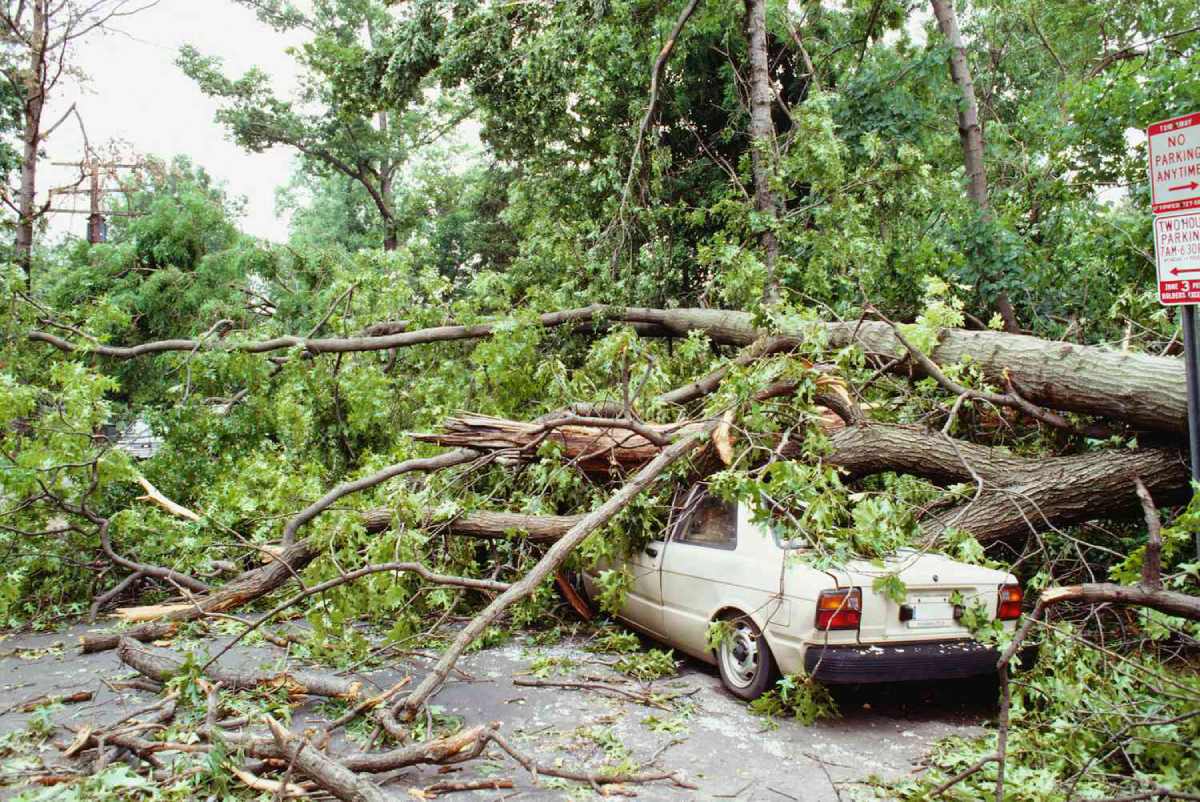
For example, if a tornado uproots a tree and it falls onto your parked car, that is a comprehensive claim. If you are driving during the storm and hit a guardrail, the impact damage is covered under collision coverage.
The cause of the physical damage determines which coverage applies.
Liability coverage
Liability insurance does not repair your own vehicle after a tornado. Its purpose is to protect you against covered financial liability for injuries or property damage you cause to other people.
A driver can therefore satisfy the state’s minimum auto-insurance requirement and still have no protection whatsoever against tornado damage to their own vehicle.
For example, suppose a tornado uproots a tree and drops it onto your parked car, causing $12,000 in damage. With liability-only insurance, the $12,000 loss is yours. With comprehensive coverage, you file a comprehensive claim and pay the applicable deductible.
Full coverage car insurance
“Full coverage” is not a standardized insurance product. It is a common shorthand for a policy containing liability, collision, and comprehensive coverage.
If the policy includes comprehensive coverage, tornado losses are handled under that portion. The declarations page matters more than the phrase “full coverage.”
What tornado damage is covered?
Comprehensive coverage protects against the main forms of direct physical damage to a vehicle caused by tornadoes and the severe weather surrounding them.
- Hail: dents to the hood, roof, trunk, doors, and other body panels.
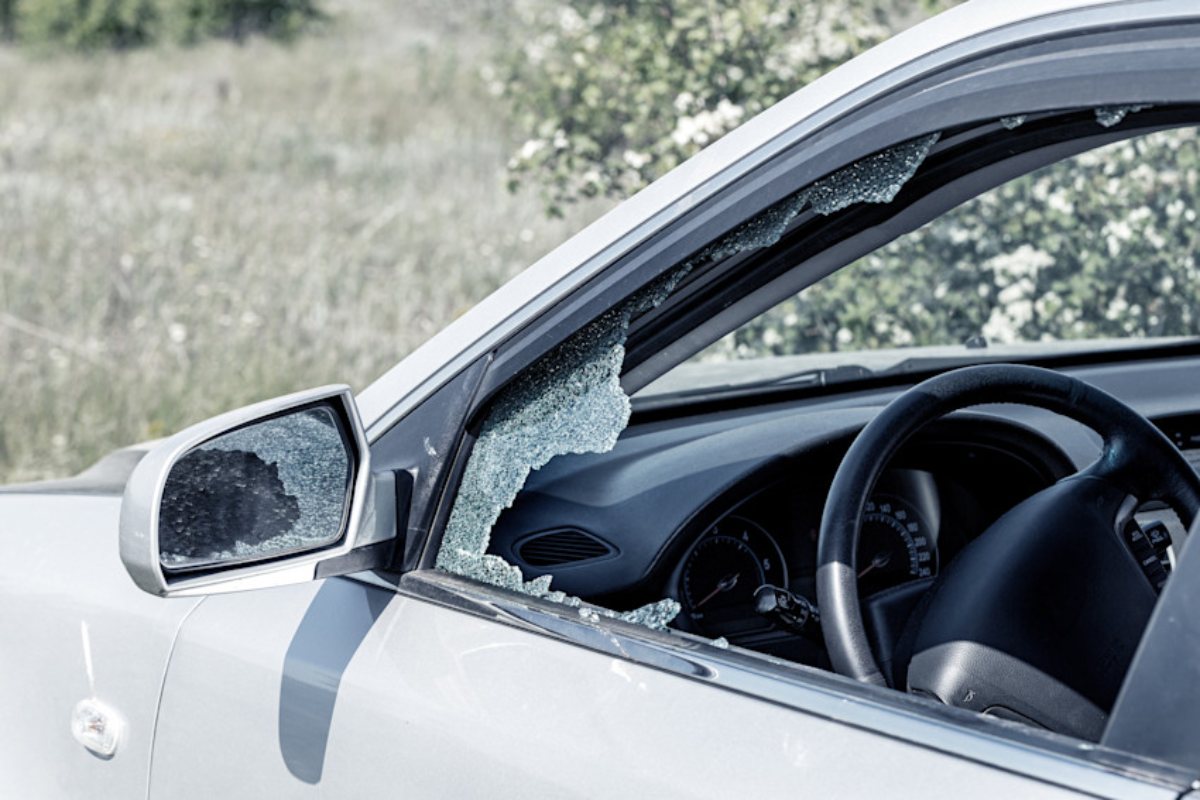
- Broken glass: damaged windshields, side windows, and other covered automotive glass.
- Flying debris: damage from branches, signs, roofing material, metal, and other wind-driven objects.
- Falling trees: damage when a tree or branch lands on the vehicle.
- Wind: direct physical damage caused by extreme wind, including a vehicle being moved or overturned.
- Structural collapse: a garage, wall, carport, or similar structure falling onto the vehicle.
- Flooding: stormwater entering or submerging the vehicle.
These are physical losses to the insured vehicle, which is exactly the risk comprehensive coverage is designed to absorb.
Personal property inside the car is a separate issue. A laptop, camera, luggage, work tools, or other belongings are generally not insured merely because the auto policy covers the vehicle. Those items fall under the applicable homeowners, renters, business property, or specialty coverage.
What tornado damage is not covered?
Comprehensive is broad physical-damage protection, but it is not a maintenance contract or unlimited property policy.
The following losses are not paid as ordinary tornado comprehensive claims:
- Storm damage to your own vehicle when you carry only liability insurance
- Mechanical breakdown unrelated to tornado damage
- Normal wear and tear
- Pre-existing damage
- Repair costs that do not exceed the deductible
- Personal belongings not insured by the auto policy
- Business inventory or equipment requiring separate business coverage
- Damage that occurred before comprehensive coverage became effective
- Losses specifically excluded by the policy
The important distinction is between damage caused by the storm and a mechanical problem discovered after the storm. Comprehensive pays for the covered loss; it does not pay for unrelated maintenance problems.
How deductibles work for tornado damage claims
The comprehensive deductible is the portion of the covered loss you retain yourself.
If tornado debris causes $3,000 in covered damage and your deductible is $500, the insurer pays approximately $2,500.
If repairs cost $400 and the deductible is $500, the insurer pays nothing because the loss does not exceed your deductible.
For a covered total loss, the deductible is deducted from the insurer’s valuation of the vehicle. If the vehicle’s actual cash value is established at $14,000 and the comprehensive deductible is $500, the starting settlement is approximately $13,500 before any other applicable adjustments.
What if a tornado totals your car?
A tornado can total a vehicle through flooding, structural damage, crushed body panels, severe glass damage, or a combination of losses that makes repair economically unreasonable.
Insurers determine whether the vehicle is a total loss by comparing repair economics with the vehicle’s pre-loss actual cash value and the applicable state rules. There is no single national percentage that determines every total loss.
When comprehensive coverage covers the loss, the insurer determines the vehicle’s actual cash value immediately before the tornado and deducts the applicable comprehensive deductible.
Actual cash value is the vehicle’s pre-loss market value. It is not automatically the original purchase price, nor is it the price of buying a brand-new replacement vehicle.
If your loan or lease balance exceeds the covered vehicle settlement, you remain responsible for the remaining debt unless applicable gap protection covers the eligible difference.
Auto Insure News recommendation: always audit a total-loss valuation before accepting it. Check the VIN, trim level, mileage, factory options, major vehicle features, condition adjustments, and comparable vehicles used by the insurer. An incorrect trim or missing option can materially reduce the settlement.
How to file a car insurance claim after tornado damage
Once the immediate danger has passed, document the vehicle and report the loss. If you have not handled a vehicle claim before, our guide to how to claim vehicle insurance explains the broader claims process.
- Stay safe. Avoid downed power lines, standing water, leaking fuel, unstable structures, and broken glass.
- Photograph the vehicle before repairs. Take wide shots showing the surroundings and close-ups showing individual damaged areas.
- Document the storm. Save the date, approximate time, location, and relevant weather alerts.
- Prevent additional damage when it is safe. Cover a broken window, for example, without starting major repairs.
- Report the claim promptly. Contact the insurer through its app, website, agent, or claims line.
- Confirm your comprehensive deductible.
- Ask about towing, storage, and rental reimbursement before incurring substantial expenses.
- Keep all receipts and estimates.
- Give the insurer an opportunity to inspect the vehicle before major repairs.
- Review the settlement carefully. Correct inaccurate vehicle data, missing damage, or valuation errors immediately.
Do not discard damaged components or authorize major repairs before the insurer has had a reasonable opportunity to inspect and document the vehicle.

Should you file a tornado damage claim or pay out of pocket?
File the claim when the expected covered loss is substantially higher than your deductible. Pay out of pocket when the repair is only slightly above the deductible and the expense is easy for you to absorb.
For example, a $650 repair against a $500 deductible leaves only about $150 of potential insurance benefit. Opening a claim for that amount usually provides little financial value.
The answer changes quickly when tornado damage reaches several thousand dollars, involves water intrusion, crush damage, structural damage, extensive glass replacement, or creates a potential total loss. Those losses belong in the claims process.
If the vehicle is financed or leased, major damage should also be handled in accordance with the financing or lease agreement because the lender or lessor has a financial interest in the vehicle.
Will a tornado damage claim raise your insurance premium?
A tornado loss is a comprehensive claim, not an at-fault collision claim. Filing it does not make you the at-fault driver and should not be evaluated the same way as causing a crash.
The claim can still become part of your insurance history, and future pricing can also be affected by broader catastrophe losses in your area. When insurers experience repeated hail, tornado, wind, or flood losses across an entire region, base rates can rise even for drivers who never filed an individual claim.
The distinction is simple: a tornado claim does not establish driver fault, but comprehensive losses can still matter to future insurance pricing.
What if you don’t have comprehensive coverage?
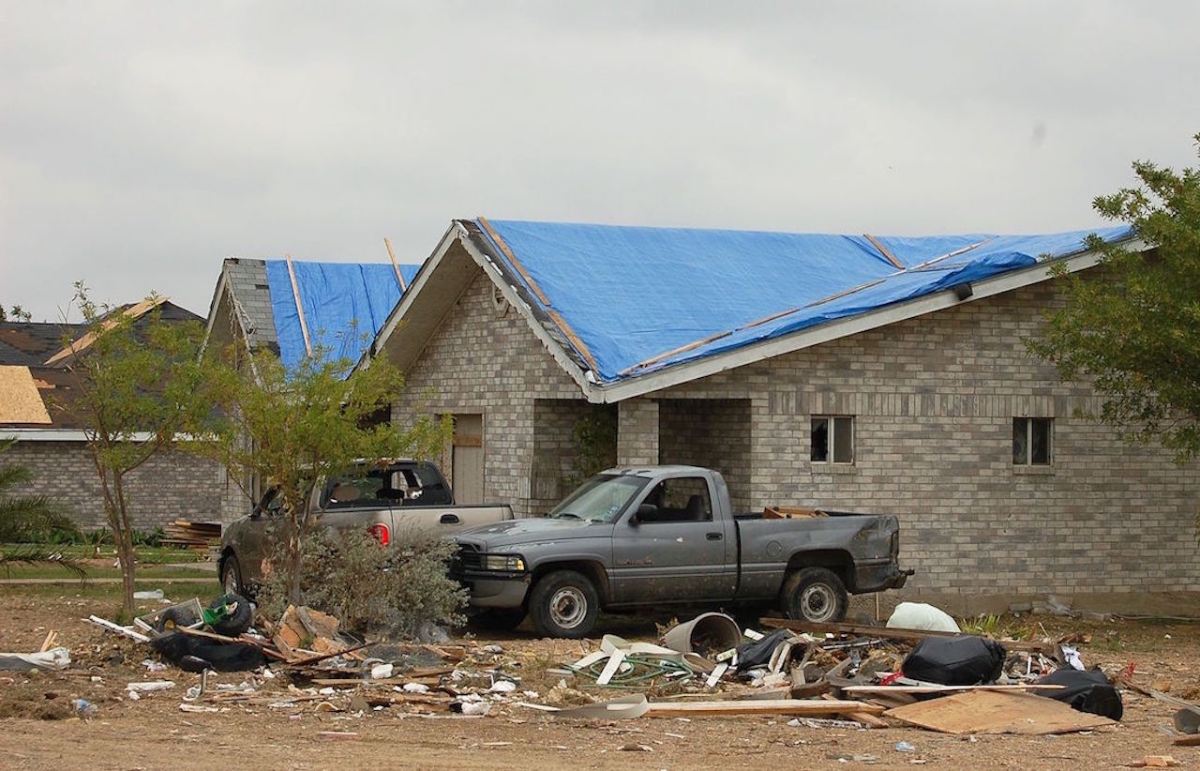
If comprehensive coverage was not active when the tornado damaged your vehicle, your personal auto policy does not pay for that direct storm damage.
Liability cannot replace comprehensive coverage after a loss. Collision cannot be used simply because comprehensive was missing. Adding comprehensive coverage after the tornado also cannot retroactively insure damage that already occurred.
Drivers who cannot comfortably repair or replace their vehicle themselves should price comprehensive coverage before the severe-weather season. Compare the deductible, liability limits, driver information, vehicle details, and optional coverage carefully so the lowest price does not simply represent less insurance.
Tornado damage vs. other storm damage
The same principle applies to most direct weather damage: when the vehicle is damaged by a covered non-collision weather event, comprehensive coverage responds.
| Damage type | Coverage | How it is treated |
|---|---|---|
| Hail damage | Comprehensive | Direct weather damage |
| Flying debris | Comprehensive | Damage from wind-driven objects |
| A fallen tree on a parked car | Comprehensive | Falling-object damage |
| Flooding | Comprehensive | Covered water damage to the vehicle |
| Wind overturns the vehicle | Comprehensive | Direct storm damage |
| The driver crashes into a guardrail during the storm | Collision | The immediate cause of damage is an impact |
| Personal property inside the vehicle | Usually, another property policy | Auto insurance primarily covers the vehicle rather than ordinary personal belongings |
Hail is especially important because it can cause thousands of dollars in damage to vehicles and glass without a tornado ever touching the ground. Our guide answers the question, is hail damage covered by car insurance.
Winter storms create a different group of losses, including falling ice, branches, snow loads, and weather-related vehicle damage. Our guide answers does car insurance cover snow damage for those situations.
When a storm leaves roads icy, safe driving still matters: our driving tips for icy roads can help reduce the chance of a separate collision.
How to check whether your policy covers tornado damage
Open your declarations page and look specifically for:
- Comprehensive or Other Than Collision
- The comprehensive deductible
- Physical-damage exclusions
- Rental reimbursement coverage
- Towing or roadside assistance
- Gap protection if the vehicle is financed or leased
- Business-use or rideshare restrictions that apply to the vehicle
If comprehensive appears on the declarations page and was active when the tornado occurred, that coverage applies to direct tornado damage.
The same policy review helps with unusual ground-related losses. If a vehicle is damaged by a sinkhole, our guide answers the question, are sinkholes covered by insurance.
When contacting the insurer, ask specific questions rather than asking whether you have “full coverage”:
- What is my comprehensive deductible?
- Is wind damage covered?
- Is hail damage covered?
- Are fallen trees and flying debris covered?
- Is flood damage to my vehicle covered?
- Do I have rental reimbursement?
- How will the vehicle be valued if it becomes a total loss?

How to protect your car before tornado season
You cannot eliminate tornado risk, but you can reduce preventable vehicle damage and make a future insurance claim much easier to prove.
- Keep comprehensive coverage active before severe weather develops.
- Review your comprehensive deductible before storm season.
- Park inside a structurally sound garage when severe weather is expected, and conditions are still safe.
- Avoid parking beneath large trees, signs, weak carports, or other objects likely to fall.
- Move loose outdoor objects away from vehicles before dangerous weather arrives.
- Keep recent photographs documenting the vehicle’s condition.
- Keep the declarations page and claims contact information accessible.
Never move a vehicle during an active tornado warning simply to protect the car. Vehicle damage is an insurance problem. Personal safety comes first.
Common mistakes to avoid
The biggest tornado-insurance mistakes are straightforward and preventable:
- Assuming liability insurance protects your own vehicle from weather damage.
- Assuming “full coverage” guarantees comprehensive coverage without checking the declarations page.
- Waiting until dangerous weather is approaching to review your coverage.
- Beginning major repairs before documenting the loss.
- Throwing away damaged parts, towing invoices, storage receipts, or repair estimates.
- Filing a very small claim without comparing the damage with the deductible first.
- Assuming personal property inside the vehicle is automatically insured by the auto policy.
- Accepting a total-loss valuation without checking trim, mileage, options, condition, and comparable vehicles.
- Waiting unnecessarily to report substantial tornado damage.

How Auto Insure News evaluates tornado damage coverage
Tornado coverage becomes simple once you identify the correct part of the policy. The central question is whether comprehensive coverage was active at the time the storm damaged the vehicle.
At Auto Insure News, we evaluate tornado claims using four practical questions:
- What physically caused the damage? Wind, hail, floodwater, fallen trees, and flying debris point directly to comprehensive coverage.
- Was it comprehensive and active before the storm? Insurance added after the loss cannot protect against previous damage.
- How large is the loss compared with the deductible? Minor damage just above the deductible can be paid out of pocket; substantial damage belongs in the claims process.
- Is the settlement accurate? For a total loss, coverage is only half the issue. The vehicle valuation must also be correct.
Our recommendation: if replacing your vehicle tomorrow would create a financial problem, keep comprehensive coverage active. Tornadoes, hail, flooding, falling trees, theft, and other non-collision events can destroy a vehicle without another driver ever being involved.

RELATED AUTO INSURANCE GUIDES
Safety & Driving
Hot Car Safety Tips for Children, Pets and Drivers
Safety & Driving
How Does a Learner’s Permit Work? Rules and Next Steps
Safety & Driving
Thunderstorm Safety Tips at Home, Outdoors and in a Car
Auto Insurance
ACV vs Replacement Cost: How Insurance Payouts Differ