
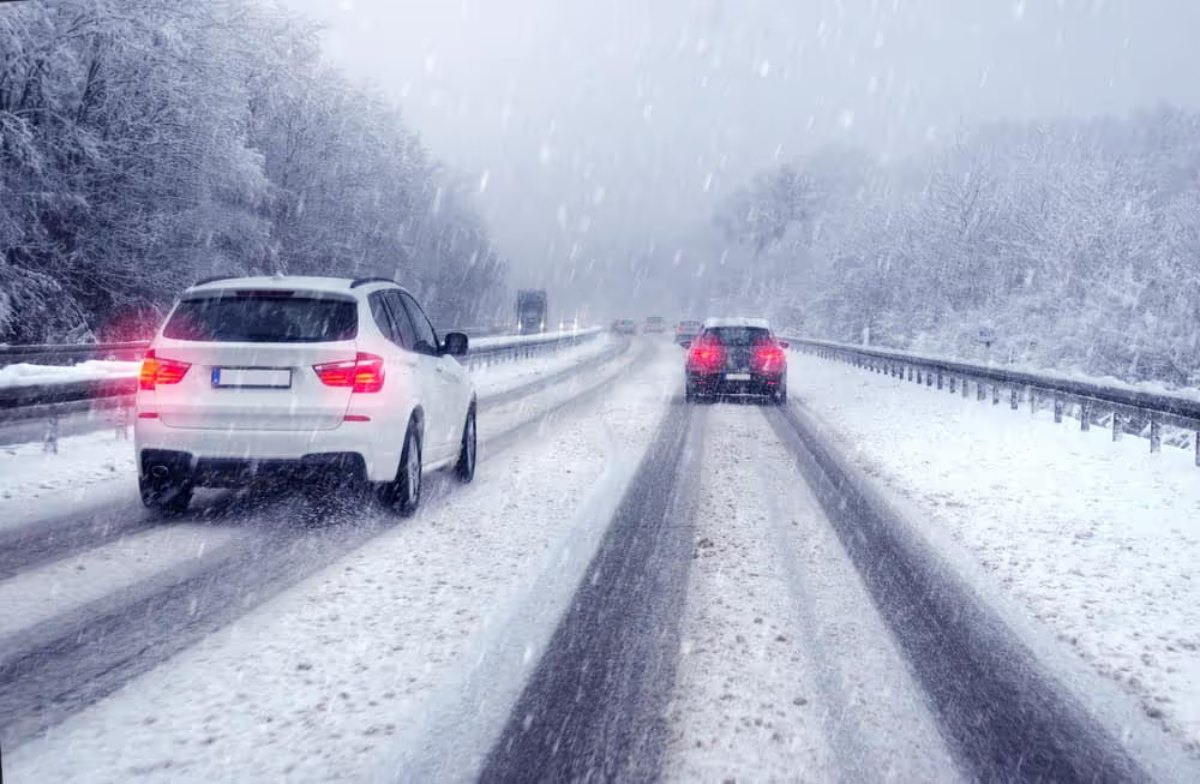
Ice is one of the most dangerous things you can face behind the wheel, and it rarely gives much warning. A road that looks wet can be frozen solid, and the car that stops fine on dry pavement can slide straight through an intersection. The good news is that most icy-road crashes come down to a few avoidable mistakes. These tips for driving on ice will help you prepare your car, read the road, and stay in control when traction disappears, so you can get where you are going safely all winter long. Here’s everything you need to know, compiled by Auto Insure News, from preparing your vehicle to what to do immediately when your car starts to skid.
Get your car ready before winter
Good technique cannot make up for a poorly prepared car. Handle these before the cold season starts. It is also a good time to compare auto insurance quotes using the same coverage limits before winter risks arrive:
- Fit the right tires. Winter tires grip far better than all-season tires below about 45 degrees Fahrenheit. In heavy-snow areas, studded tires or chains may be worth it. All-wheel and four-wheel drive help you accelerate, but they do nothing to help you stop or steer on ice, so do not let them give you false confidence.
- Check tire tread and pressure. Cold air lowers tire pressure, and worn tread is dangerous on ice.
- Top off the essentials. Antifreeze, coolant, washer fluid rated for freezing temperatures, and a healthy battery all matter more in winter.
- Clear the whole car. Remove snow and ice from the roof, hood, windows, mirrors, lights, and sensors before you move, so it does not slide into your view or blind other drivers.
After the first snow, practice in a safe, empty parking lot to learn how your car behaves when it loses grip.
How to spot black ice and where it hides
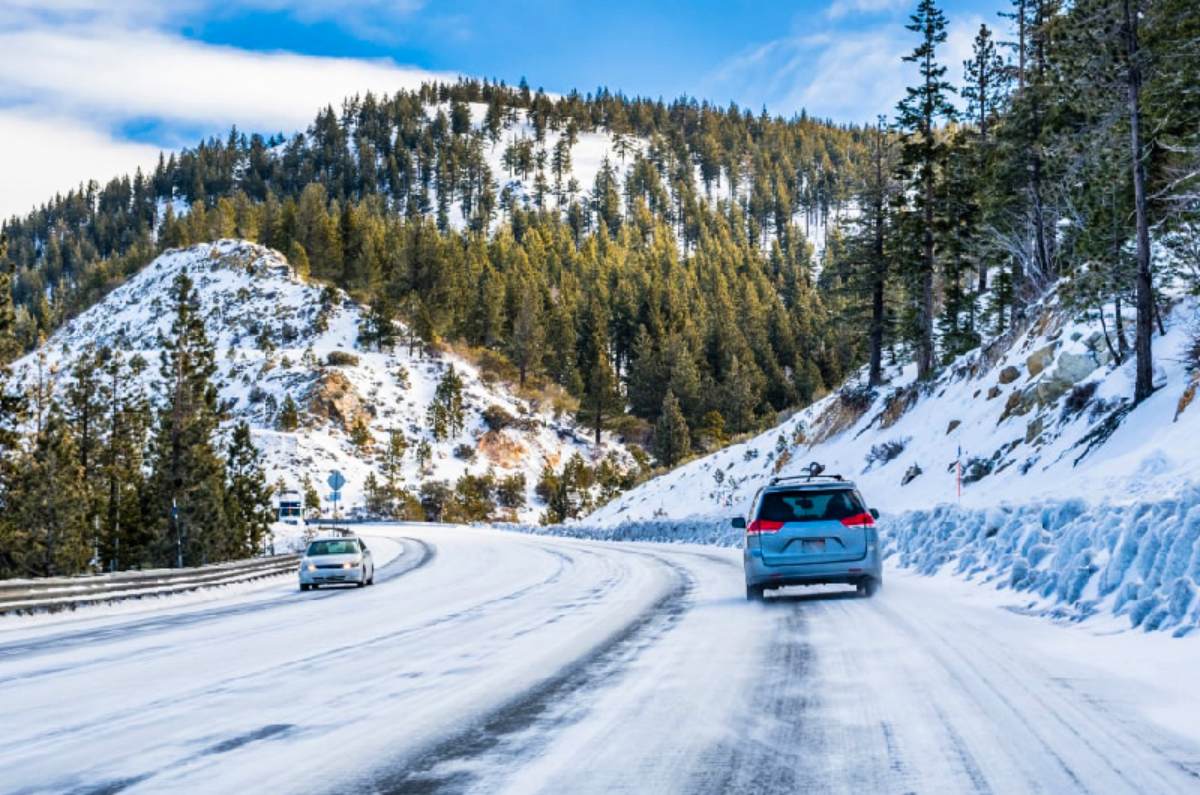
Black ice is a thin, clear layer of ice that takes on the color of the road beneath it, which makes it easy to miss. It forms most often between dusk and dawn and refreezes overnight. Watch for these warning signs:
- A glossy, wet-looking sheen on pavement that should be dry, especially in cold temperatures.
- Spray suddenly stops from the tires of cars ahead, which can mean the water on the road has frozen.
- Cars ahead swerve or slide for no obvious reason.
Ice forms first on bridges, overpasses, ramps, tunnels, and shaded or tree-covered stretches, because those surfaces lose heat faster than roads with solid ground beneath them. Intersections are another trouble spot, because repeated braking and accelerating polishes packed snow into a slick sheet. Stay alert in all of these places, even when the rest of the road looks clear.
The core techniques for driving on ice – Tips for driving on ice
Almost every icy-road crash comes down to the same few habits. Get these four right, and you avoid most of them.
Slow down
Speed is the single biggest factor in icy-road crashes. Posted limits are set for dry pavement, so ignore them when the road is slick. Rarely go above 45 mph on ice, and often much slower. If you are fishtailing or sliding at all, you are going too fast.
Leave much more space
Stopping on ice can take several times as long as on dry pavement. Increase your following distance from the usual 3 to 4 seconds to at least 8 to 10 seconds, and more on hills. Give snow plows extra room, and never pass one on the right or crowd it, because plow operators have limited visibility.
Be smooth with the wheel and pedals
Sudden inputs break a tire’s grip and start a slide, so make every movement gradual. Picture a full cup of hot coffee on the dashboard and drive so you never spill it.
- Accelerate gently so the drive wheels do not spin. In a manual or an automatic that lets you pick gears, pulling away in second gear reduces wheelspin.
- Ease off the gas early, because slowing down on ice takes much longer.
- Look where you want to go, not at the object you are afraid of hitting. Your hands follow your eyes.
Brake early and in a straight line
Brake while the wheels are pointed straight before you enter a curve. Braking and steering at the same time on ice easily causes traction loss.
- With ABS, which nearly all modern cars have, press firmly and hold steady pressure. The pedal may pulse or grind, which is normal. Do not pump it.
- Without ABS, apply steady pressure just short of locking the wheels, and ease off gently if they start to lock.
Keep your heel on the floor and use the ball of your foot for finer control. When you can, avoid a full stop on ice, because getting moving again is harder than keeping a slow roll.
What to do if the car starts to skid
If the car slides, stay calm. Panic inputs usually turn a small slide into a spin. A collision caused by losing control may become an at-fault collision claim, so follow the same steps for any skid. If damage occurs, use this auto insurance claim guide and document what happened:
- Ease off both pedals. Take your feet off the gas and the brake so the tires can regain grip.
- Look where you want to go, at the open road ahead, not the guardrail or ditch.
- Steer into the skid. Gently turn the wheel the same way the rear of the car is sliding.
- Do not overcorrect. Whipping the wheel back and forth causes a more violent second skid.
- Let ABS and stability control work. A flashing stability-control light just means the system is helping.
| Type of skid | What is happening | What to do |
|---|---|---|
| Rear-wheel skid (fishtail) | The back of the car slides sideways | Steer gently the same way the rear is sliding. If the back slides right, steer right. Straighten up as the car recovers. |
| Front-wheel skid (understeer) | The front pushes wide and will not turn | Ease off the gas, do not brake hard, and wait for the front tires to grip again before steering. |
What to do if you get stuck
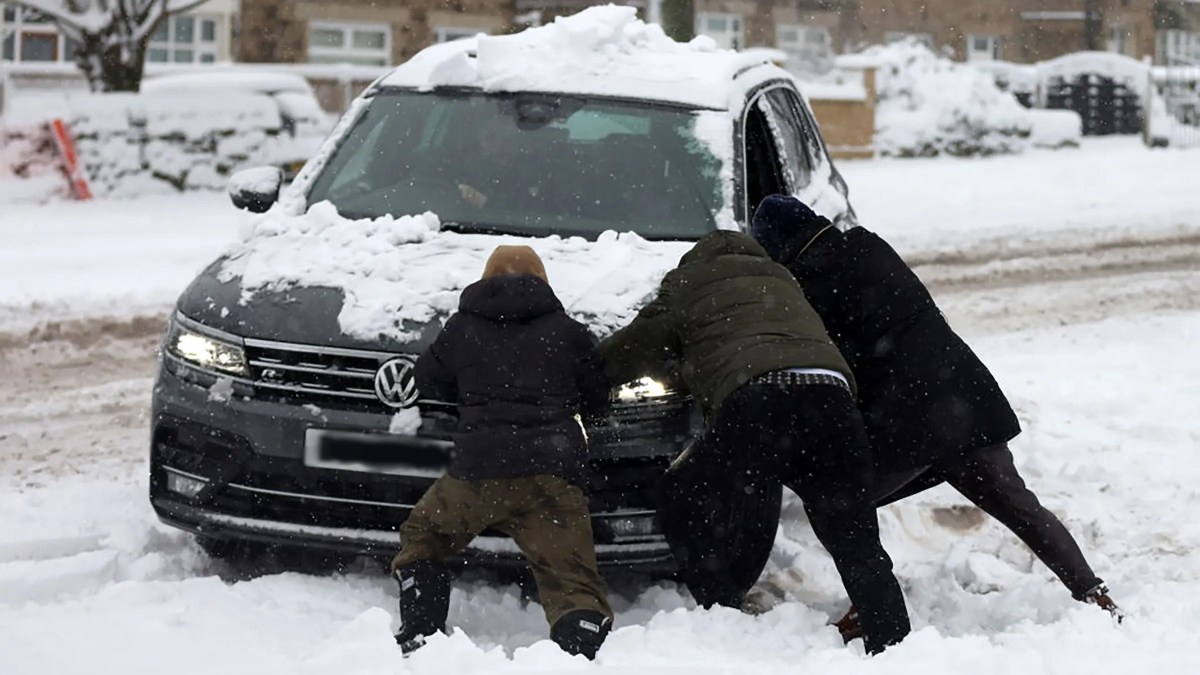
- Do not spin your wheels. It digs you in deeper and can overheat the transmission.
- Turn the wheels back and forth a few times to push snow out of the way.
- Use a light touch on the gas to ease out.
- Spread sand, cat litter, gravel, or salt along the path of the drive wheels, and shovel snow away from the tires if you can.
- Gently rocking between drive and reverse can work, but check your owner’s manual first, because it can damage some transmissions.
What not to do on ice
- Do not use cruise control. It can accelerate on a slick patch, leading to a loss of control.
- Do not slam or pump ABS brakes.
- Do not brake and steer hard at the same time.
- Do not trust all-wheel or four-wheel drive to stop or steer for you.
- Do not follow too closely or leave snow on the roof, hood, or sensors.
- Do not get overconfident, which is a factor in many serious winter crashes.
How an icy-road crash affects your insurance
Careful driving on ice does more than prevent injuries. Non-driving winter damage, such as an ice-laden branch falling on a parked car, generally falls under comprehensive coverage. For the full breakdown of which winter losses are covered, read our guide on whether car insurance covers snow damage.
For official, regularly updated guidance, you can also check the federal winter-driving resources from the National Highway Traffic Safety Administration.
Winter driving emergency kit
Keep these in the car through the cold months in case you get stranded:
- Ice scraper and snow brush
- Small folding shovel
- Sand, cat litter, or traction mats
- Jumper cables or a portable jump starter
- Blanket, hat, and gloves
- Flashlight with spare batteries
- Water and non-perishable snacks
- Fully charged phone and a backup power bank
- Basic first-aid kit
- Flares or reflective warning triangles
Winter tests every driver, and the smartest ones prepare before the first freeze, not after the first slide. Want practical winter-driving checklists, coverage guides, and rate updates sent straight to your inbox? Drop your email and state in the sign-up form below. It takes less than a minute, and it could be the reminder that keeps you safe and covered when the roads turn to glass.

RELATED AUTO INSURANCE GUIDES
Safety & Driving
How Does a Learner’s Permit Work? Rules and Next Steps
Safety & Driving
Thunderstorm Safety Tips at Home, Outdoors and in a Car
Auto Insurance
ACV vs Replacement Cost: How Insurance Payouts Differ
Safety & Driving
Black Ice on the Roads: How to spot it and handle a skid