

After buying a new car, confirm its insurance and registration before the first drive, check the condition at delivery, and keep track of unfinished dealer paperwork. Auto Insure News recommends using the first week to set up the controls and find the maintenance instructions for your model. Accessories and paint protection can wait until you know what you need.
Your first priorities after taking delivery
A signed purchase agreement can still leave a few things to finish. The insurance change might be pending, a second key could be on order, or the dealer may be submitting your registration. Get a clear answer about each outstanding item while the people handling the sale are available.
| When | What to confirm |
|---|---|
| Before driving home | Insurance is effective for the vehicle, and its registration or temporary permit authorizes the trip. |
| At delivery | The VIN matches the paperwork; damage, missing equipment and promised repairs are documented. |
| During the first week | You know who handles the title and plates, how the controls work, and when maintenance is due. |
| Afterward | You follow up on unfinished dealer work, registration documents and recall notices. |
Confirm insurance for the actual vehicle
Give your insurer the VIN, purchase date, garaging address and financing details. Tell it whether you are adding another car or replacing your current vehicle. Ask for the coverage start date and time, the deadline to complete the change, and the updated proof of insurance.
An existing policy’s newly acquired vehicle provision has its own conditions. If your previous car carried only liability coverage, ask specifically when collision and comprehensive protection begin for the new one. A financed or leased vehicle commonly needs those coverages under the loan or lease agreement. Liability limits and deductibles also deserve attention when choosing coverage for a financed car.
If coverage is still being arranged at pickup, confirm how long it takes to get auto insurance with the company handling the application. Its confirmation should establish when you can drive the vehicle with the coverage you selected.

Record the condition and anything still owed
Walk around the car in good light, including the wheels, glass and interior. Check the VIN against the purchase and insurance documents. Test the locks, windows, lights, wipers, climate controls and cameras, and count the keys and accessories included in the sale.
If you find a scratch or missing item, take photos and ask the dealer to describe it in writing. For promised repairs, get the work, the responsible contact, and the expected completion date recorded on a delivery form or due bill. Save a copy.
If you have already driven home, photograph a newly noticed problem and contact the seller promptly. Explain when you found it and provide any delivery photos. The warranty, sale terms and circumstances will determine how it is handled.
Confirm who handles the title, registration and plates
Ask the dealer exactly what it is submitting and what you must complete yourself. Find out whether permanent plates will arrive by mail, be collected from the dealership, or require another step. Record the expiration date on the temporary permit and the contact to use if the permanent documents have not arrived.
Registration deadlines and document requirements come from your state motor vehicle agency. For a factory-new vehicle, the ownership paperwork may include a manufacturer’s certificate of origin or statement of origin rather than a title signed by a previous owner. If your purchase is a used vehicle that is new to you, check the title transfer requirements for that transaction.
Buying across state lines raises another question: what allows you to drive from the seller’s state to your home state? When purchasing a vehicle in another state, confirm the temporary permit, taxes, inspections and registration responsibilities before making the return trip.
Keep the purchase agreement, ownership documents, loan or lease agreement and warranty information together in a secure place. Make digital copies. Carry the registration and current proof of insurance in the form your state accepts or requires; keep original title and financing documents secure at home.
Set up the car during your first week
Start with the controls you will need while driving: seat position, mirrors, lights, wipers, gear selector, parking brake and hazard lights. Pair your phone and set navigation destinations while parked. For driver-assistance features, learn what activates them, which warnings they use and when you must take over.
Use a familiar route for the first few trips. Notice the view from the driver’s seat, the braking response and how the car behaves when parking or changing lanes. If a warning appears or a control behaves unexpectedly, stop somewhere safe and check the manual or contact the dealer.
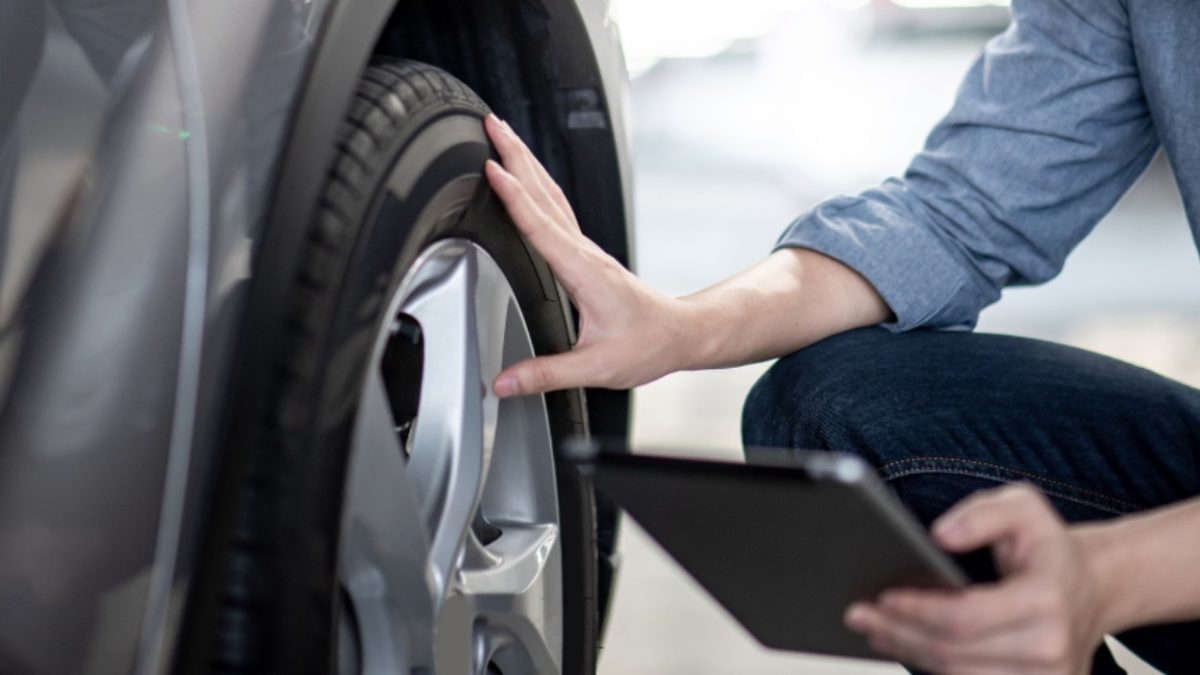
Check cold tire pressures against the vehicle’s tire information placard, usually on the driver’s doorjamb. Locate the spare tire or inflator kit and read its instructions. Save the roadside assistance number and check whether towing is included with the vehicle, insurance or a membership you already have.
A phone charger, flashlight, basic first-aid supplies and season-appropriate roadside equipment are useful to have ready. For an EV, learn the charging procedure and identify charging options for your usual journeys before a longer trip.
Find your model’s maintenance and break-in instructions
Record the first service date and mileage
Find the maintenance schedule for the exact model, year and engine. Note the first service interval, including its time limit, and whether your driving conditions call for a different schedule. Short trips, towing or other demanding use can affect the servicing instructions.
Save the specified oil viscosity and standard, fuel requirements, tire pressures and service intervals somewhere accessible. For an EV, include the manufacturer’s charging and battery-care guidance. If the car comes with a prepaid or complimentary maintenance plan, check which services it covers and when that benefit ends.
Start keeping service receipts from the first appointment. Records showing the date, mileage and work completed can help resolve warranty questions and document the car’s history when you sell it.
Follow the break-in guidance for that vehicle
Read the manufacturer’s instructions for the engine, drivetrain, brakes and tires. Where a break-in period is specified, follow its guidance on acceleration, engine speed, towing and loads.
Set your first oil-change reminder from the maintenance schedule. A generic mileage rule cannot establish the correct service interval for every new car. If the delivery team recommends an extra early service, ask how that recommendation relates to the manufacturer’s instructions and whether there is a vehicle-specific reason for it.

Decide which accessories and protection products you need
Choose accessories based on how you use the car
Floor liners make sense for muddy shoes, snow or frequent spills. Check that the driver’s mat fits correctly, uses the intended retainers and leaves the pedals clear. A sunshade can help when the car is parked for long periods in direct sunlight. A dash cam is another option if you want a record of driving or parking incidents; check its placement, power connection and recording settings.
Paint protection is a separate spending decision. Compare the areas covered, preparation work, product warranty and upkeep before buying a coating or film. How long you expect to keep the car, where it is parked and the roads you use are better starting points than purchasing every protection package at delivery.
Review the add-ons on your purchase agreement
Compare any paid service contract with the manufacturer’s warranty included in the purchase. Check when the extra coverage starts, which repairs it covers, the deductible and who authorizes claims. Some contracts overlap with coverage you already have.
For a financed vehicle, review whether GAP coverage is appropriate for the loan. GAP is intended to cover the shortfall between the outstanding balance and the insurer’s payment after a total loss or theft. Check its limits, exclusions and whether coverage is already included in your lease or another product. Compare offers from the dealer, lender or insurer where available.
Keep the separate price of each add-on, even when it is included in the monthly payment. Financing an optional product adds to the loan balance and the interest paid over time. Save its cancellation and refund terms with the purchase paperwork.
Track recalls and unfinished dealer work
Use the NHTSA recall lookup to search for unrepaired safety recalls by VIN. A recently announced campaign may still be adding affected VINs, so contact the manufacturer or dealer about a recall notice or concern that the search does not yet show. Follow any interim safety instructions and arrange the recall remedy with an authorized dealer.
Update your contact information with the manufacturer and use its notifications or NHTSA recall alerts to keep track of future campaigns.
If you bought coverage from a different insurer, finish canceling your previous auto policy after confirming the new coverage is in effect. Check the cancellation date and how any remaining vehicles on the old policy will be handled.
Keep one note for anything still open: permanent registration documents, a missing key, an agreed repair or an unresolved delivery problem. Add the contact person’s name and the next follow-up date. Once an item is completed, save the confirmation with the rest of the vehicle’s records.

RELATED AUTO INSURANCE GUIDES
Safety & Driving
Hot Car Safety Tips for Children, Pets and Drivers
Safety & Driving
How Does a Learner’s Permit Work? Rules and Next Steps
Safety & Driving
Thunderstorm Safety Tips at Home, Outdoors and in a Car
Auto Insurance
ACV vs Replacement Cost: How Insurance Payouts Differ