

The price on a car insurance quote tells you only part of what a policy could cost you. You might still face a deductible, a rental bill or damage that is not covered. At Auto Insure News, we recommend asking specific car insurance questions before you buy, so you understand what you could owe after a crash.
Car insurance questions about coverage
What does car insurance cover?
What gets paid depends on the coverage you buy. Three common coverages handle different losses:
- Liability: Pays covered injury and property damage claims from other people when you are responsible for an accident.
- Collision: Helps repair or replace your car after a collision with another vehicle or object, or an overturn.
- Comprehensive: Covers specified losses such as theft, fire, hail, vandalism and damage from hitting an animal.
Other types of auto insurance address medical expenses and accidents involving uninsured or underinsured drivers. Their availability, requirements and benefits vary by state.

How much car insurance do I need?
Most states require some auto insurance, but the required coverages and minimum limits differ. A loan or lease can add requirements, usually collision and comprehensive coverage.
Legal minimums can leave a substantial bill after a serious accident. Ask an agent to price higher liability limits alongside the minimum, and consider the savings, income and other assets you could put at risk. For your own car, think about whether you could afford a major repair or replacement without an insurance payment.
What does “full coverage” actually include?
People usually use “full coverage” to mean liability, collision and comprehensive together. It is not a standardized package, and it does not cover every loss. Rental reimbursement, roadside assistance and gap insurance may cost extra.
When comparing liability vs full coverage, request an itemized list of coverages, limits and deductibles. Two quotes using the same label can provide different protection.
How does a car insurance deductible work?
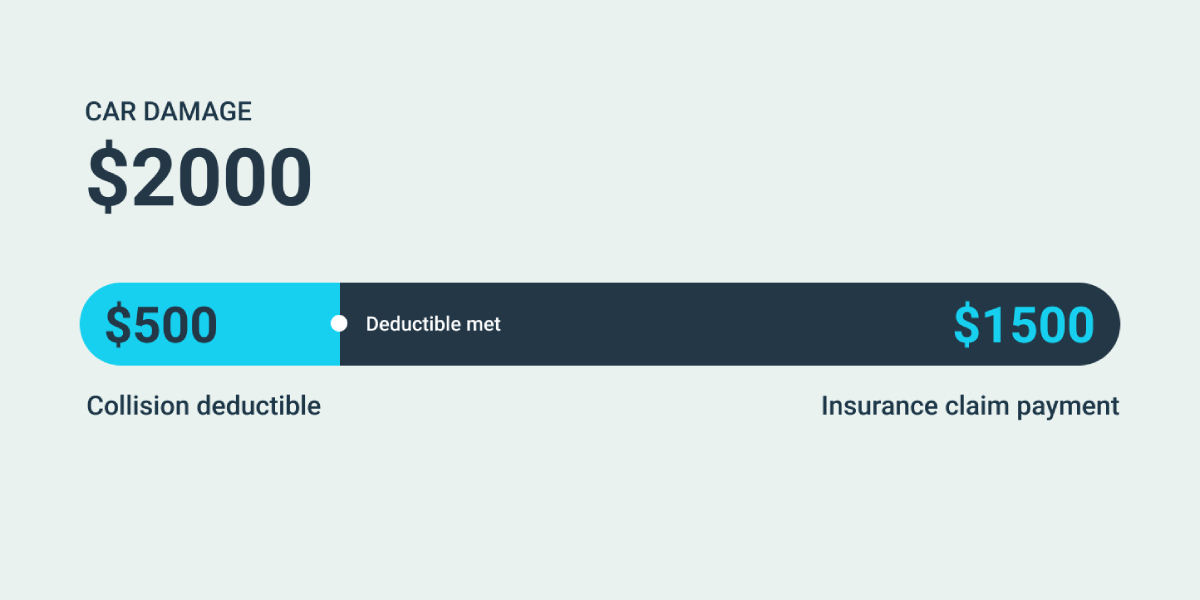
A deductible is the part of a covered claim you pay yourself. For example, a covered collision causing $3,500 in repair costs would generally produce a $2,500 insurance payment with a $1,000 collision deductible.
Collision and comprehensive can have different deductible amounts. A higher deductible often lowers the premium, but compare the actual savings with the extra amount you would need after a loss. Deductibles do not apply to every kind of auto insurance claim.
Do I need collision and comprehensive on a paid-off car?
Paying off the loan usually removes the lender’s requirement for these coverages. You can still keep them, and state insurance requirements continue to apply.
Compare the car’s current value, the cost of each coverage and its deductible. Dropping coverage means accepting the losses it would have paid. An older car may still be worth insuring if replacing it would drain your savings or leave you unable to get to work.
Questions about car insurance prices and quotes
Why do insurance companies give me different prices?
Your driving history, location, mileage and vehicle are part of what determines car insurance rates. Companies weigh those details differently and offer different discounts. Some also use a credit-based insurance score where state law permits it.
A friend’s premium is a poor benchmark unless the drivers, address, car and coverage are comparable. Several quotes for your own circumstances give you a much more useful price range.

What questions will an insurer ask me?
Expect questions about the drivers, the vehicle and how it is used. Have these details ready:
- The car’s year, make, model and VIN.
- The address where the car is usually kept and your estimated annual mileage.
- Household drivers, regular drivers and their license details.
- Accidents, claims and driving violations the application asks about.
- Your current insurance and the coverages you want quoted.
Explain commuting, deliveries, rideshare work or other business use accurately. A quote can change when the insurer verifies information that differs from what you entered.
How can I compare car insurance quotes fairly?
Choosing your coverage first is the best way to get auto insurance quotes you can compare fairly. Give each company the same driver and vehicle details, then check the items below.
| Quote detail | What to match |
|---|---|
| Coverage limits | The same liability limits and comparable medical and uninsured-motorist protection. |
| Deductibles | The same collision and comprehensive deductibles. |
| Optional benefits | Rental reimbursement, roadside assistance and other extras included in the price. |
| Policy period and billing | Coverage for the same number of months, including any down payment and installment fees. |
Ask for the final quote in writing and whether it is still subject to record checks. A low estimate can change before the policy is issued.
Is paying monthly cheaper than paying upfront?
Monthly payments spread the bill out. Paying for the whole policy period upfront may qualify for a discount or avoid installment fees, depending on the insurer.
A six-month policy can still have monthly payments; “six months” describes how long the policy lasts before renewal. Compare the total payable for those six months under each payment plan. Include the initial payment and every remaining installment so a small advertised monthly amount does not hide a larger total.

Which discounts should I ask about?
Ask about multi-car, home-and-auto, good-student, low-mileage, safe-driver, autopay and pay-in-full discounts. Eligibility varies by company and state, and advertised percentages may apply to only part of the premium.
Request the price after all eligible discounts. If you are bundling home or renters coverage, compare the combined cost with separate policies. Also check whether any introductory discount ends at renewal.
Questions about drivers and how you use the car
Can someone else drive my car and still be covered?
Many policies cover a licensed person who occasionally borrows your car with permission. This is often called permissive use. In that situation, car insurance usually follows the car, although the borrower’s insurance may also apply.
Coverage can change if the driver is excluded, lives with you or uses the car regularly. Tell the insurer about regular drivers before lending them the vehicle.

Does everyone in my household need to be on my policy?
Insurers commonly ask you to disclose household members of driving age and anyone who regularly drives the car. Disclosure does not necessarily mean every person must be charged as a covered driver.
A household member with separate insurance may be handled differently from someone who regularly uses your vehicle. Ask how to list each person, including students away at college. If the insurer offers a driver exclusion, understand that excluding someone can remove coverage when that person drives.
Does personal car insurance cover Uber or delivery work?
Personal auto policies commonly exclude carrying passengers or making deliveries for pay, even if the same policy covers your regular commute.
Before starting, describe the exact work to your insurer. You may need a rideshare endorsement, delivery coverage or commercial insurance. Coverage supplied by an app can also change depending on whether you are waiting for work, heading to a customer or completing a trip.
Does my policy cover a rental car?
A personal auto policy may extend existing coverage to a standard rental car used for personal travel. Confirm the applicable limits, deductibles, vehicle restrictions and travel territory before declining the rental company’s protection. A policy covering a vacation rental car might not cover a moving truck or a rental abroad.
Rental reimbursement is a separate benefit. It helps pay the rental bill while your own car is unavailable after a covered loss, subject to the policy’s dollar and time limits.
Can I buy insurance before I buy the car?
You can usually arrange coverage before pickup once you have the vehicle details and expected purchase date. Give the insurer the VIN, lender information if applicable, and the date and time coverage should begin.
Get confirmation that coverage is active before driving away. An existing policy may provide temporary coverage for a newly acquired car, but notification deadlines and coverage conditions vary. Ask about those terms before relying on them.
Car insurance questions about claims and policy changes
What should I do after an accident?
Check for injuries, call emergency services when needed and move to safety if you can. Exchange driver and insurance information, photograph the scene when safe, and follow local police-reporting requirements.
Notify your insurer promptly and ask whether it needs to inspect the car before repairs begin. Keep estimates, receipts and correspondence. After filing a vehicle insurance claim, save the claim number and the adjuster’s contact details so you can follow up without starting over each time.

Do I pay a deductible if the accident was not my fault?
If you use your own collision coverage, your deductible generally applies even when another driver caused the crash. Your insurer may seek reimbursement from the responsible party, including recovery of your deductible, but repayment can depend on fault, available coverage and the amount recovered.
A claim paid through the other driver’s liability insurance generally does not involve your collision deductible. Establishing responsibility and getting payment can take time.
Will filing a claim raise my insurance rate?
A claim can affect the price, especially after an at-fault accident. The effect depends on the claim, your history, the insurer’s rules and state law. A claim may also affect a claims-free discount.
Ask how the company treats that particular type of loss and whether any accident-forgiveness benefit applies. There is no reliable percentage increase that fits every driver, and a renewal increase can reflect wider changes in insurance costs as well.
What happens if my car is totaled?
Under a standard collision or comprehensive claim, the settlement generally reflects the car’s actual cash value immediately before the loss, less any applicable deductible. That value can be lower than the amount you still owe. Taxes, fees and total-loss rules vary by state.
Ask for the valuation report and check the trim, mileage, condition and comparable vehicles. Optional GAP insurance may cover an eligible difference between the car’s cash value and the loan or lease balance after a covered total loss or theft. Limits and exclusions still apply.
Can I switch insurers before my policy ends?
You can generally switch during the policy period. Ask your current insurer about the cancellation process, any fee and the refund due for unused coverage.
Confirm the new policy’s effective date and time before arranging cancellation of the old one. Request written confirmation of both changes. If you have bundled policies, check how moving the auto policy affects the price of the coverage you leave behind.

RELATED AUTO INSURANCE GUIDES
Safety & Driving
Black Ice on the Roads: How to spot it and handle a skid
Auto Insurance
Car Insurance Umbrella Policy: Coverage, Cost and Limits
Auto Insurance
Michigan Car Insurance: Rates, Companies & PIP Coverage
Safety & Driving
Texting and driving: risks, statistics, laws and prevention