
A road that looks wet can already be frozen. Black ice on the roads is a thin, nearly transparent coating that lets the pavement show through, giving drivers little warning before their tires lose grip. Auto Insure News explains where these patches form, how to recognize the conditions behind them and how to respond when a car starts to slide.
How to recognize black ice on the roads
The name describes the view through the ice. Dark asphalt remains visible beneath a clear film, unlike the white surface of packed snow. Against the surrounding pavement, an icy patch may look wet, unusually smooth or slightly different in color.
Don’t wait for the pavement to shine. Black ice can have a dull, matte finish that blends into the asphalt. Darkness and shadows make those patches harder to pick out.
An afternoon thaw, light rain before a freeze or freezing fog can leave ice across a lane. By the time you drive through, the precipitation may have stopped. Water left behind still has time to freeze.
| What you notice | Why it matters |
|---|---|
| Rain or snowmelt followed by colder weather | Water left on the pavement can refreeze after precipitation ends. |
| Ice on mirrors, signs, branches or fences | Nearby surfaces have iced over; the roadway may have done so, too. |
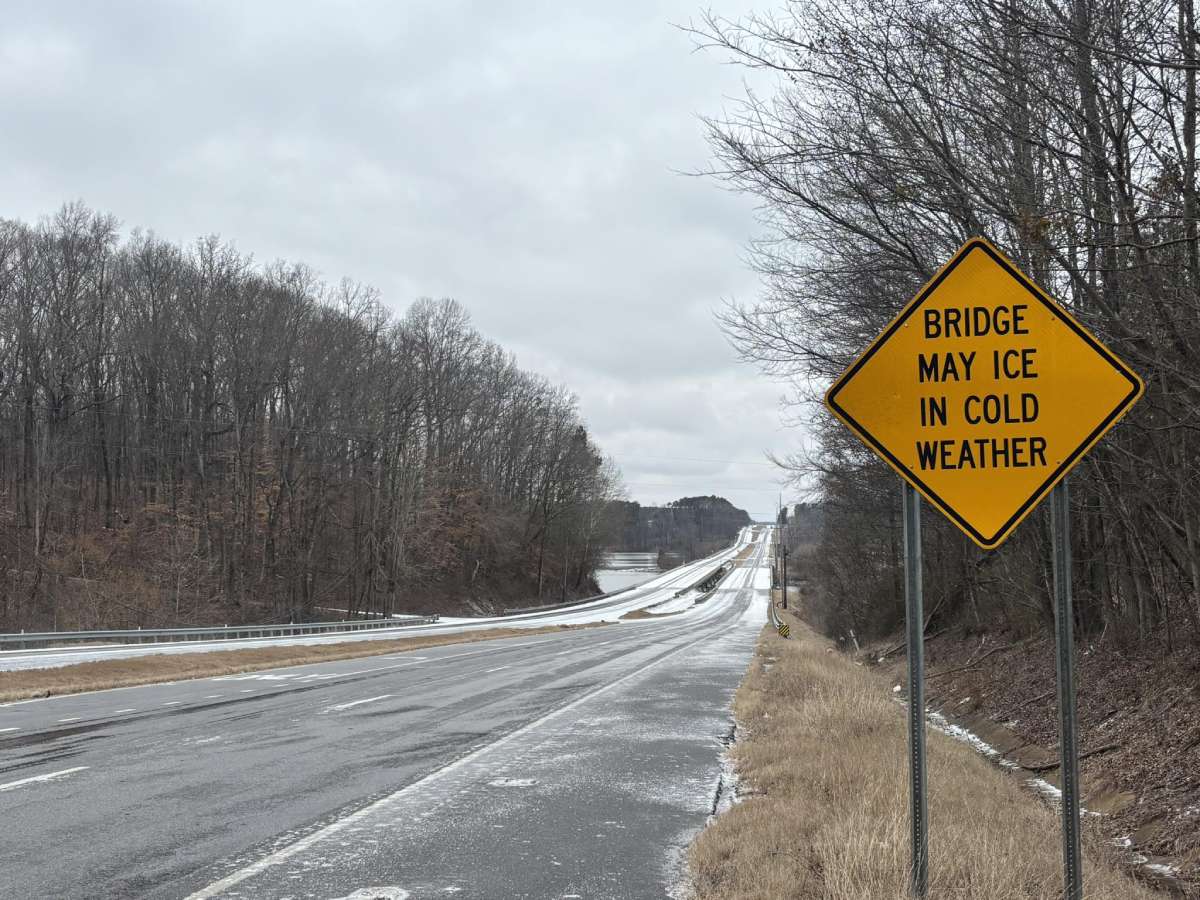
| A bridge or shaded corner ahead | The surface can remain colder than the approach road. |
| Vehicles ahead are sliding or making abrupt corrections | There may be a traction problem before you can identify its cause. |
Slow down smoothly when those clues appear and leave more room ahead. Don’t jab the brakes to test a suspicious patch; a sharp brake input can start a skid.
What to do when your car starts sliding
The steering can suddenly feel light, and a small turn of the wheel gets little response. Hold the wheel with both hands. Resist the urge to yank it when the car starts drifting.
- Ease smoothly off the accelerator. In an EV with strong regenerative braking, an abrupt lift can cause sudden deceleration and loss of grip. Keep the pedal movement gradual.
- Look toward the open path you want to follow. Keep steering corrections small. If the car is still traveling straight, avoid unnecessary turns.
- Resist the urge to stomp on the brakes. A sudden application can worsen a slide. If a collision is imminent, use the emergency braking technique below.
- As grip returns, maintain gentle inputs. Sudden acceleration or a sharp correction can start another slide. Reduce speed further when it is safe.
The advice, often shortened to “steer into the skid,” needs context. A rear-end slide and a car that refuses to turn are different problems.
What to do when the rear tires slide
If the rear end slides right, steer gently right. If it slides left, steer gently left. Ease the wheel back as the car straightens. Holding the wheel turned too long can start a second slide in the opposite direction.
What to do when the front tires slide
A front-tire skid can carry the car straight ahead even though the wheel is turned. Adding more steering does little while the tires cannot grip. Ease off the accelerator smoothly, avoid forcing a sharper turn and allow the front tires to regain traction. Guide the car along the intended path as steering response returns.

How to use ABS during emergency braking
If you are skidding toward a collision and have four-wheel ABS, press the brake pedal firmly and hold it down while steering toward a clear path. Keep the pressure steady, even if the pedal pulses. Do not pump it.
ABS helps keep the wheels from locking during braking. In a vehicle without ABS, ease brake pressure if the wheels lock, then reapply as they roll again. Learn the braking procedure in your owner’s manual before driving in icy conditions.
When and where black ice forms
Overnight refreezing is a familiar pattern: snow melts during the day, water reaches the road, and a colder night freezes what remains. Rain can leave the same problem behind. Early commuters may meet ice hours after the precipitation has stopped.
Freezing fog provides another route. Tiny supercooled droplets freeze on exposed surfaces at or below freezing, including roads. Visibility and traction can deteriorate together, without an obvious accumulation of snow.
Air temperature and road temperature can differ
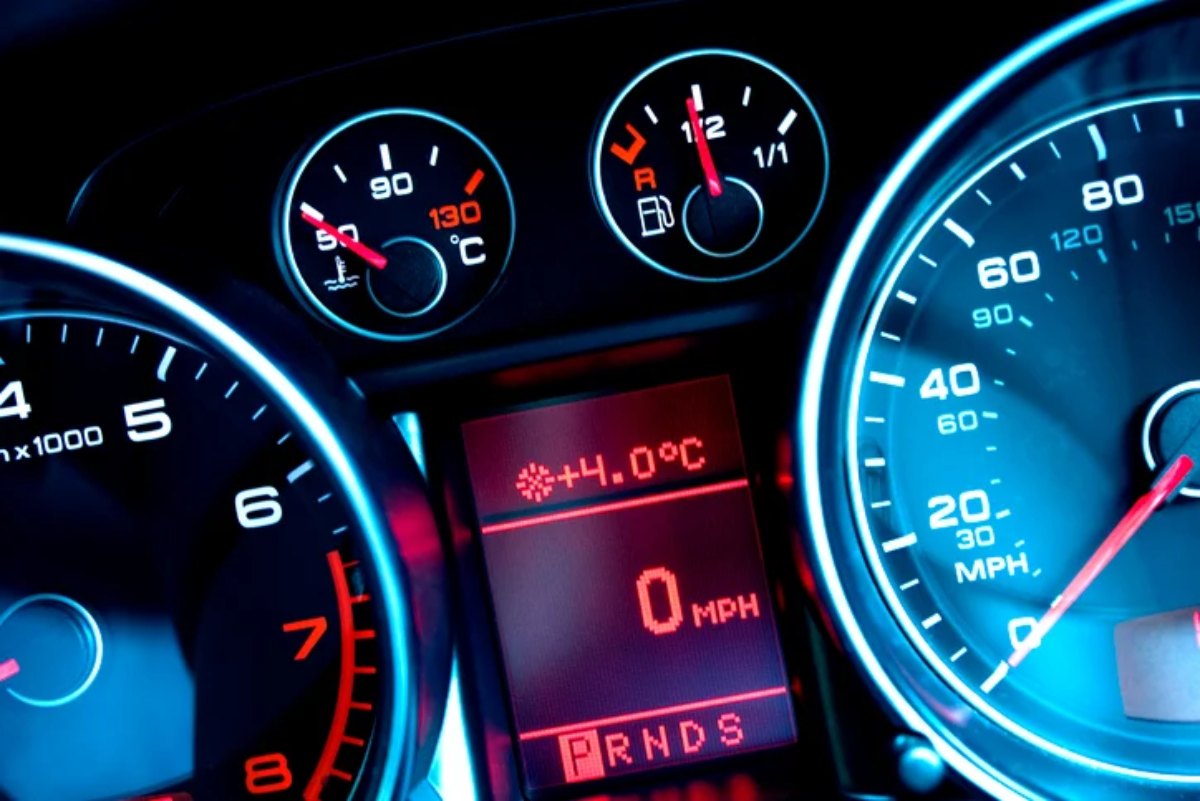
Your dashboard thermometer measures the air near its sensor, not the asphalt. Even with a display of 36°F (about 2°C), a colder bridge deck or shaded corner can already be icy.
Sunlight warms exposed pavement while shade and cold ground keep other sections colder. Road crews use pavement-temperature readings to help decide how to treat those surfaces.
Why bridges and shaded roads often freeze first
A bridge loses heat to air above and below its deck, without the same heat supply from the ground as the road approaching it. That helps explain the familiar “Bridge Freezes Before Road” warning. The speed reduction needs to happen before the deck, while the approach still offers better grip.
Trees, buildings and terrain can keep a shaded stretch frozen after nearby pavement warms. Runoff along curbs and drainage channels can also refreeze across part of a lane. A dry intersection can lead straight to an icy bend.
Driving precautions for roads that may be icy
Leave a much larger following gap and slow down before intersections, downhill bends and suspected ice. Reduce speed for the surface ahead, even when that means traveling well below the posted limit.
When driving on icy roads, slow down before a bend where possible, steer smoothly through it and accelerate gently once the car is straight. Braking hard while turning demands more grip than the tires may have. If an emergency forces you to brake and steer together, use the ABS technique above.
Turn the cruise control off when the road may be slippery. Control the accelerator yourself so you can adjust speed gradually as conditions change.
How AWD and winter tires affect traction
An AWD SUV can pull away smoothly from a red light, then slide when the driver brakes at the next bend. That easy start can hide how slippery the road is. Stopping and steering still depend on tire grip.
Winter tires use flexible cold-weather rubber and tread designed for snow and ice. Install them on all four wheels. Mixing winter tires on one axle with other tires on the other can make the car harder to control. Keep your speed down, even when accelerating feels easy.

How to manage regenerative braking on ice
In an EV with strong regenerative braking, lifting completely off the accelerator can produce substantial deceleration. Tesla’s Model S manual warns that regenerative braking can cause a loss of traction in snowy or icy conditions.
Release the pedal progressively instead of snapping your foot off it. Set any manufacturer-recommended winter mode before leaving. Keep your attention on the road during a slide; leave touchscreen adjustments until you are safely stopped.
Why treated roads can still be icy
Salt lowers water’s freezing point and needs time to work. Ordinary road salt loses much of its effectiveness below about 15°F (-9°C) pavement temperature. Crews may use other chemicals in colder conditions.
A salt truck ahead does not mean the road has thawed. Ice can remain behind it, and fresh runoff or falling temperatures can refreeze treated patches. Sand provides grit for traction without melting the ice.
Watch the transition from a treated highway to a side street, parking lot or shaded driveway. Those surfaces may still be icy after traffic on the main road starts moving normally.
Check transportation reports, closures and the forecast along the whole route before leaving. Pay particular attention to bridges and stretches that stay shaded. Conditions can change along the trip even when the road outside your home looks clear.
Postpone nonessential travel during freezing rain or widespread icing. If conditions deteriorate during a necessary trip, look for a safe place to stop and pull off gradually. Don’t hurry through the last few neighborhood streets just because home is close.
Which insurance covers a black ice crash
A skid into a guardrail, tree or another vehicle generally brings the insured car’s damage under collision insurance, if purchased. The selected deductible normally applies. Having liability coverage alone leaves the driver’s own vehicle without that collision protection.
| What happened | Coverage that generally responds |
|---|---|
| Your car slides into a guardrail or another vehicle | Your collision coverage covers damage to your car, subject to its deductible. |
| You cause damage or injuries to another person | Your liability coverage, subject to responsibility, policy limits and applicable state rules. |
| A falling piece of ice damages your car | Comprehensive coverage for a covered falling-object loss, subject to applicable deductible terms. |
When checking coverage for snow and ice damage, look for both collision and comprehensive on the declarations page. Comprehensive alone can cover falling ice and leave your own repairs from a guardrail crash uninsured.
A slide into a guardrail can still be treated as an at-fault collision. Adjusters review how you approached the hazard, including your speed and following distance, along with footage and other evidence. Expect questions about the moments before impact, even when ice caused the initial loss of grip.

What to do after a black ice crash
A stopped vehicle may be sitting beside the same patch that caused it to slide. Other approaching drivers can also lose control. Call 911 for injuries or an immediate traffic danger, give the location as accurately as possible and follow emergency instructions. Stay clear of active traffic; photographs and inspections can wait until it is safe.
If stranded in winter weather without an immediate need to evacuate, staying with the vehicle generally provides shelter and makes you easier to locate. A fire, smoke or another immediate danger changes that decision. Keep the exhaust clear of snow if running the engine for warmth, and avoid running it continuously.
When filing an auto insurance claim, include the time, exact location, involved vehicles and any police report number. Preserve the original dashcam footage before it is overwritten, and photograph the damage from a safe position.
Contact your insurer promptly because reporting timelines vary by policy. Ice can melt and road conditions can change before an adjuster visits, so keep the photographs and notes you gathered safely. Any required police or state crash report follows its own deadline.

RELATED AUTO INSURANCE GUIDES
Safety & Driving
Black Ice on the Roads: How to spot it and handle a skid
Auto Insurance
Car Insurance Umbrella Policy: Coverage, Cost and Limits
Auto Insurance
Michigan Car Insurance: Rates, Companies & PIP Coverage
Safety & Driving
Texting and driving: risks, statistics, laws and prevention