

Before you choose a sports car, there’s another price to check: the insurance premium. How does your favorite model compare with the alternatives on your shortlist? Auto Insure News breaks down the costs below to help you spot an expensive surprise before you buy.
Annual and monthly insurance costs by model
The published sports car comparison uses sample drivers aged 40, with rates averaged across the included trims. Coverage includes injury liability limits of $100,000 per person and $300,000 per accident, $100,000 property damage liability, and $500 collision and comprehensive deductibles.
| Sports car | Annual premium | Approximate monthly cost |
|---|---|---|
| Mazda MX-5 Miata | $2,438 | $203 |
| Subaru BRZ | $3,276 | $273 |
| Chevrolet Corvette | $3,437 | $286 |
| Ford Mustang | $3,461 | $288 |
| Porsche 911 | $5,552 | $463 |
| Porsche 911 Turbo | $6,399 | $533 |
Monthly amounts are annual premiums divided by 12 and rounded.
Use these figures to shortlist vehicles, then price the exact cars under consideration with your own details. A model average does not account for your household, address or driving record.
Why the model, trim and model year matter
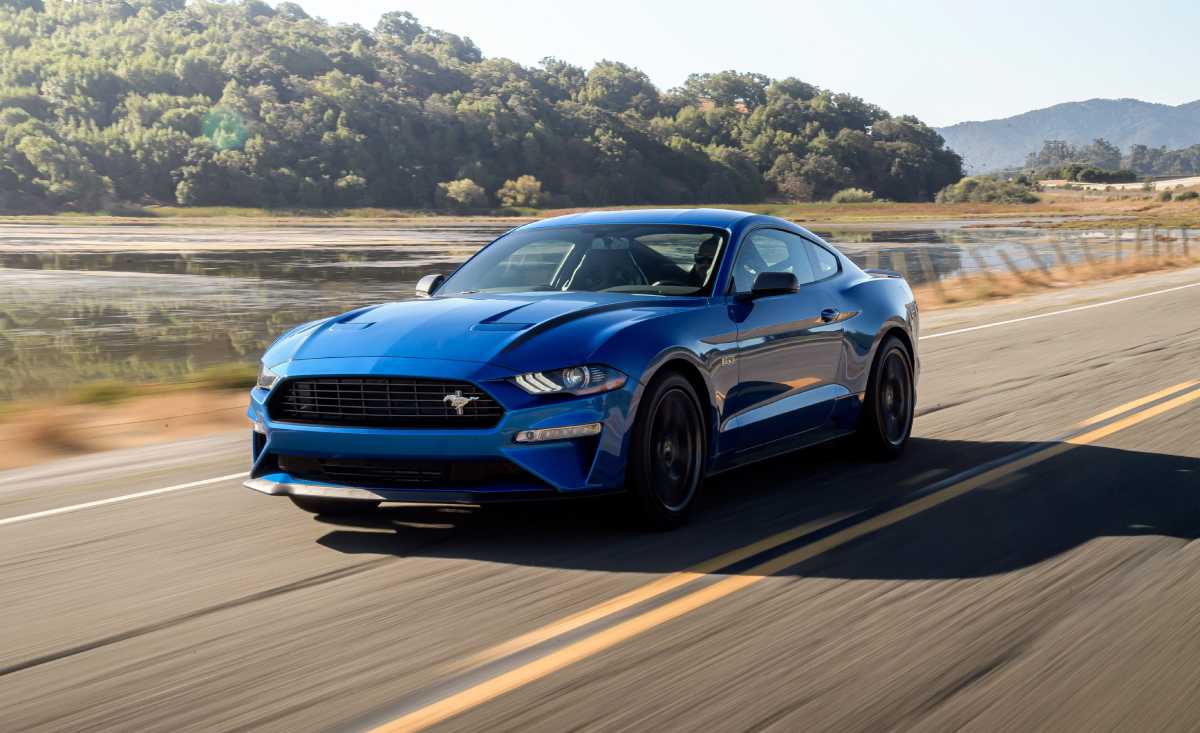
A quote for a Mustang EcoBoost prices a different factory specification from a quote for a Mustang GT. The VIN ties the insurance request to the car being offered for sale, including its model year and version. If two listings have similar asking prices, obtaining a quote for each can reveal a difference that the monthly car payments would conceal.
Depreciation can also lead to budgeting mistakes. A used performance car may have become affordable to buy while retaining expensive body panels, specialized components and substantial repair labor costs. Its current sale price gives only part of the picture: the insurer also has to consider how much damage to that particular vehicle would cost.
The Highway Loss Data Institute’s model comparisons examine both how often claims occur and how much insurers pay. Two similarly priced cars can therefore have different loss histories. For a buyer deciding between a newer entry-level sports car and an older premium model, comparing insurance alongside maintenance estimates gives a more useful ownership budget than comparing purchase prices alone.
Age, driving history and daily mileage
The same rate study lists a Miata premium of $7,845 a year for an 18-year-old, compared with $2,438 for its 40-year-old sample: a $5,407 annual difference.
For a household arranging car insurance for a teenage driver, the relevant estimate includes the proposed vehicle and the household’s actual drivers. An adult model average offers little guidance about the extra expense of adding a young driver. Requesting otherwise comparable quotes for the sports car and a less expensive alternative makes that purchasing decision easier to assess.
An experienced driver also needs a personal quote. Accidents and moving violations can affect pricing, while the car’s address brings in local conditions. A friend’s premium, even for the same model, leaves those details out.
Usage belongs in the estimate from the beginning. A car reserved for occasional weekend trips accumulates a different annual mileage from one driven to work every day. Progressive identifies driving frequency and recreational versus commuting use as factors in sports car pricing. Before applying, estimate mileage from the trips you expect to make, including the commute if this will be your main vehicle. Updating an old low-mileage estimate is especially relevant when a second car becomes the daily driver.
Choose the coverage before comparing prices
The table includes protection for the vehicle as well as liability coverage. A comparison of liability insurance and full coverage therefore involves different purchases. Removing collision and comprehensive can reduce the bill by leaving damage to, or theft of, your own car outside those coverages. That reduction needs to be evaluated against the loss you would fund yourself.
Coverage for a paid-off car
For an older, paid-off sports car, compare the premiums for those coverages with the vehicle’s current value and the cash available to replace it. A low purchase price does not automatically make that loss manageable. Someone relying on the car for work faces a different financial consequence from an owner who could leave a damaged recreational vehicle parked while saving for repairs.
Loan and lease requirements
A loan or lease agreement typically requires collision and comprehensive and may restrict deductible choices. Financing does not automatically create an insurance surcharge; its effect on the budget often comes from the coverage the agreement requires. Obtain a quote that meets those terms before deciding whether the combined vehicle payment and insurance expense are affordable.
Choosing your deductibles
Deductibles provide another variable to price. With collision coverage for the vehicle, increasing the deductible from $500 to $1,000 leaves another $500 for you to cover on a loss above $1,000. Request both prices while keeping the rest of the quote unchanged. The annual premium difference then shows what the insurer offers in exchange for that additional exposure.
Compare comprehensive deductibles separately. A buyer whose savings are already committed to the down payment, registration and initial maintenance may value the lower deductible more than someone with a readily available repair reserve. There is no need to guess at a universal percentage saving when the insurer can price the actual options.
Budgeting for modifications and track days
Aftermarket wheels, suspension changes and engine modifications give an insurer more to assess than the factory specification. A used car’s listing may already include those changes, so the seller’s parts list and receipts are useful before requesting coverage. State Farm notes that modifications can affect eligibility and that custom parts coverage may be necessary. The written offer should identify the equipment being insured and explain how it would be valued after a covered loss.
Track outings require their own insurance budget. RLI offers physical damage policies for eligible track-driving events and states that most standard auto policies exclude high-performance driver-education events. An owner planning several outings can request event coverage prices alongside the ordinary road policy, then include those premiums in the year’s ownership costs. The event quote should identify the car, covered activity, insured value and deductible; its coverage scope also needs to be clear before comparing it with another offer.

Compare the total cost of each insurance offer
A saved list of the VIN, household drivers, address, annual mileage, start date, limits and deductibles gives each company the same information to price. During an auto insurance quote comparison, keep the policy term visible beside the total premium. A six-month price and a twelve-month price need to be converted to the same period for a useful comparison.
Also distinguish the cost of adding a sports car from the cost of replacing the existing vehicle. If the sports car will be a second vehicle, ask the current insurer for the revised household total and compare it with the existing policy over an equivalent period. The difference is the additional insurance expense to put in the buying budget. For a replacement, request the price with the old car removed and the proposed car included.
Payment arrangements can change the total payable. Record installment fees, any pay-in-full reduction and the amount due at purchase. Dividing an annual premium by twelve helps with budgeting, but it does not establish what an insurer will actually collect each month.
Where to look for a lower premium
The current household insurer is a practical starting point for a multi-car quote. Competing insurers provide a check on that offer, particularly when the new vehicle differs substantially from the cars already insured. Some high-value sports cars also fall outside an insurer’s acceptance rules; in that situation, a company that regularly handles the vehicle may be necessary before price comparisons can begin.
Potential reductions in car insurance costs include eligible multi-car, low-mileage, security and policy-bundling discounts. Compare the resulting bills. Moving home insurance to obtain an auto discount makes financial sense only after considering what happens to the combined household premium and the coverage purchased.
Bring the final insurance figure into the vehicle decision before paying a deposit. A less expensive trim, a different model year or another car on the shortlist may produce a better balance between purchase price, insurance and maintenance. A written quote for the vehicle you intend to buy makes that decision concrete.

RELATED AUTO INSURANCE GUIDES
Safety & Driving
Black Ice on the Roads: How to spot it and handle a skid
Auto Insurance
Car Insurance Umbrella Policy: Coverage, Cost and Limits
Auto Insurance
Michigan Car Insurance: Rates, Companies & PIP Coverage
Safety & Driving
Texting and driving: risks, statistics, laws and prevention