

Sunlight entering through a car’s windows heats the dashboard, seats and other interior surfaces, causing heat to accumulate inside the cabin. Keeping your car cool in summer involves limiting that buildup while parked and using ventilation and air conditioning effectively when you return. Auto Insure News explains how parking choices, windshield sunshades and climate control settings work together to reduce cabin heat and improve comfort during hot weather.
Limit heat buildup while the car is parked
Choose shade for the time you will return
A space shaded in the morning may be exposed by late afternoon. For a car left at work all day, consider where the shadow will fall when you finish, rather than judging the space only when you arrive. A garage or covered parking area offers more consistent protection. Where partial shade is the only option, give the windshield and front seating area priority so the steering wheel, dashboard and driver’s seat spend less time in direct sunlight.
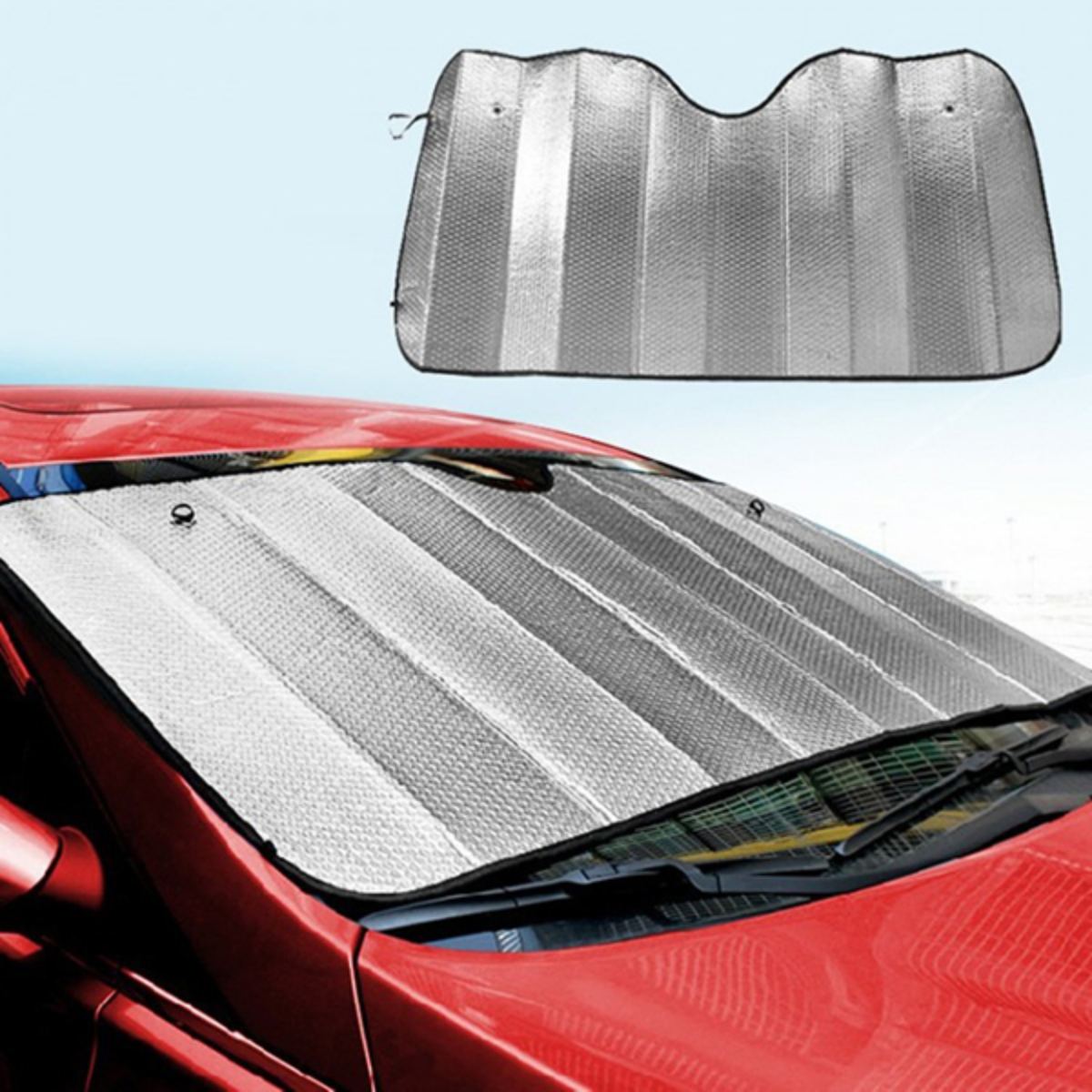
Fit the sunshade to the windshield
Choose a shade using the windshield’s dimensions, paying attention to coverage at the corners. Its purpose is to reduce the sunlight reaching the dashboard and front seating area during parking. A model that buckles or slips down leaves exposed glass, so check the fit before relying on a generic small, medium or large label.
Vent the hot air, then let the A/C recirculate
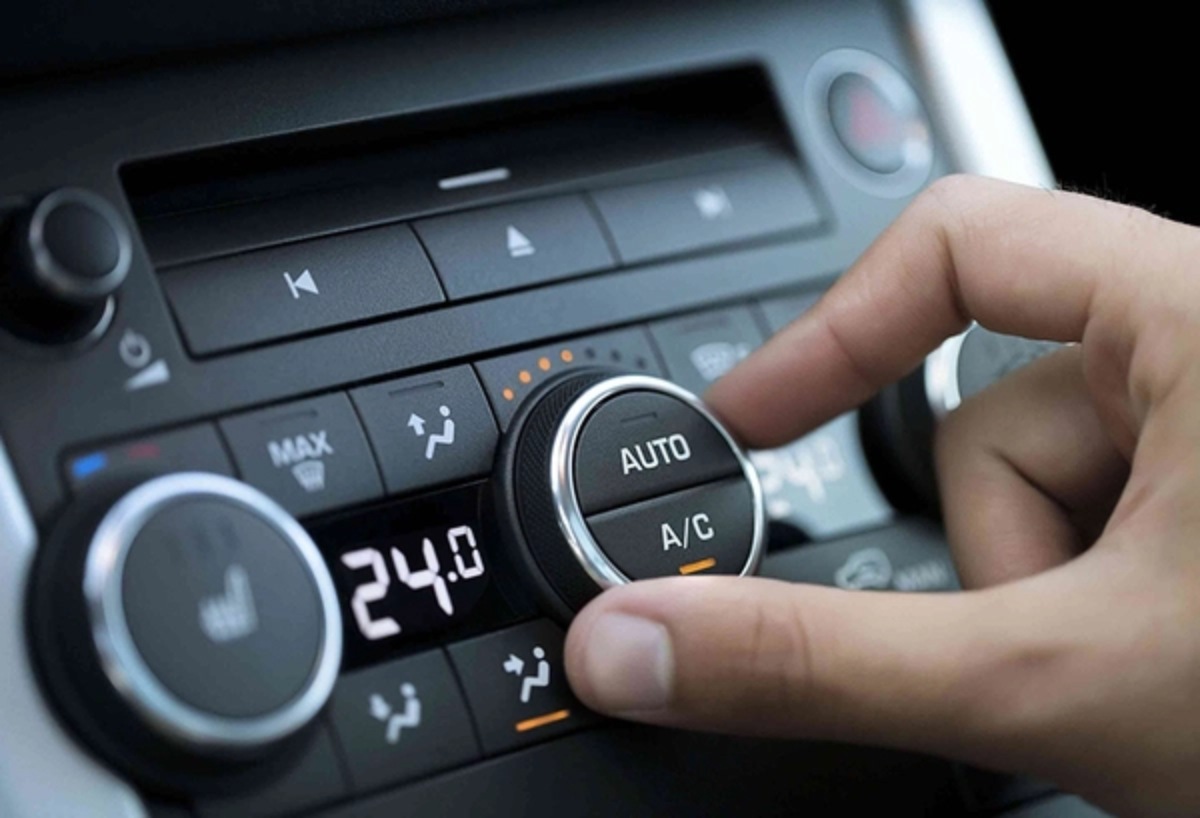
Briefly open the doors while parked, or lower the windows for a short time as you set off. Close the windows as the hottest air clears and the A/C begins cooling the cabin.
Cool air from the vents is only the first stage. The dashboard and seats continue to release stored heat after the air begins to cool, which explains why a car can still feel warm with the A/C working. Reducing that stored heat during parking gives the system less heat to remove when you return.
After the initial ventilation, use the controls according to the type of system in your car:
- Manual climate controls: Recirculation draws from the cooling cabin instead of continually bringing in hot outside air. Select a fan speed that moves air through the occupied seating area.
- Automatic climate control: Select a comfortable temperature and use AUTO. The system may manage fan speed and recirculation itself; the owner’s manual explains how AUTO and MAX A/C operate on your model.
If the windows mist up, use the recommended defogging settings. When setting up a newly purchased car, take time to locate these functions alongside the other controls.
An extended parked cool-down is usually unnecessary. The U.S. Department of Energy advises brief ventilation and notes that most A/C systems cool more effectively once the vehicle is moving.
Compare tint using VLT and TSER
Visible light transmission (VLT) describes how much visible light passes through the filmed glass; total solar energy rejected (TSER) measures the share of solar energy rejected by the glass-and-film combination. Read both figures when comparing brightness and heat performance.
The 3M Ceramic IR technical data sheet, Revision B from July 2021, provides this comparison on the same 6 mm automotive green base glass:
| Glass and film | Resulting VLT | TSER |
|---|---|---|
| Base glass without added film | 73% | 42% |
| Base glass with Ceramic IR 70 | 64% | 51% |
| Base glass with Ceramic IR 50 | 50% | 54% |
Moving from Ceramic IR 70 to Ceramic IR 50 in this test reduces visible light transmission by 14 percentage points and increases TSER by three points. The darker option therefore changes brightness substantially more than its TSER figure changes. Ask the installer for comparable measurements for the proposed film-and-glass combination, and choose a shade within your state’s tint limits. Cabin temperature also depends on the vehicle, sun exposure and parking duration, so use these percentages to compare solar-energy performance.
Schedule EV cooling around departure
For an electric vehicle or plug-in hybrid with scheduled climate control, pre-cooling shortly before departure while plugged in can reduce the battery energy needed for cabin cooling during the drive. Set the departure time and review the charging settings together, particularly when your weekend schedule differs from your weekday commute. Cooling also uses energy while the vehicle is parked and unplugged, which belongs in any comparison of electric vehicle running costs. Check the manual for the operating limits of any parked-cabin temperature feature.
Investigate weak airflow and warm vents separately
Describe the symptoms to the shop
Start with what you can observe. Is the airflow weak, or is air moving normally and staying warm? A dirty cabin air filter restricts airflow, making its service history relevant to the first complaint. For the second, tell the technician whether cooling changes at stops, improves while moving or differs between vents. Recording when the problem occurs helps the shop reproduce it and plan the diagnosis.
For a used-car purchase, get an A/C fault checked before negotiating the purchase price, even if the seller claims the system “just needs a recharge.”
Compare the work listed on the estimate
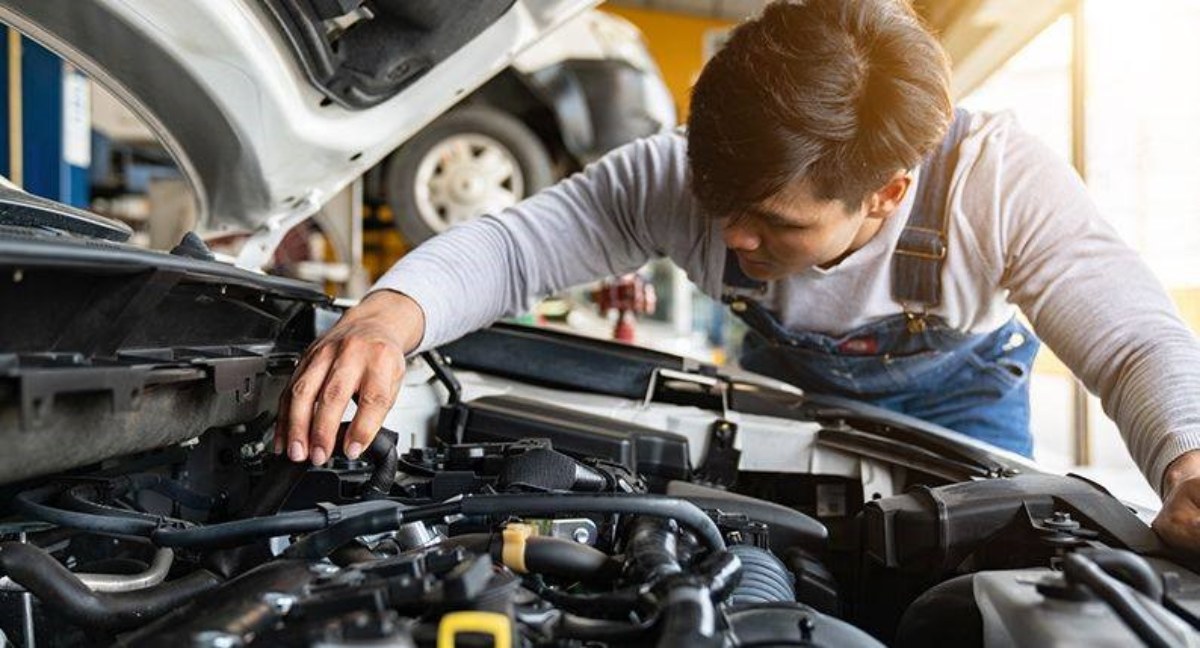
Ask for an itemized quote showing the diagnostic charge, parts, labor and any refrigerant service, along with the fault identified and the warranty on the proposed repair.
Routine A/C wear is generally a repair expense, much like an ordinary engine breakdown. Check any separate warranty or mechanical breakdown coverage you carry. Comprehensive coverage may apply when a covered event, such as fire, damages the system.
Without A/C, reduce exposure during the trip
Plan journeys for cooler parts of the day, use shaded parking and a windshield sunshade, and open the windows for ventilation while driving.
Windows and accessory fans move air; working A/C actively removes heat from the cabin. If the car remains uncomfortably hot in extreme weather, arrange an alternative transport option while the system is being repaired, particularly when traveling with children or older adults.
Check the back seat before locking up
NHTSA warns that a vehicle’s interior temperature can rise by 20°F (about 11°C) in as little as 10 minutes. Never leave a child or pet unattended in a parked car, including one with remote or automatic cooling. Make checking the rear seats part of every parking routine, and lock the empty vehicle so children cannot climb inside and become trapped.

RELATED AUTO INSURANCE GUIDES
Safety & Driving
Black Ice on the Roads: How to spot it and handle a skid
Auto Insurance
Car Insurance Umbrella Policy: Coverage, Cost and Limits
Auto Insurance
Michigan Car Insurance: Rates, Companies & PIP Coverage
Safety & Driving
Texting and driving: risks, statistics, laws and prevention