

Occupation can affect a car insurance premium, although states set different rules for how it’s used. Michigan bars insurers from pricing a driver’s occupation. Washington permits it. Auto Insure News also found work-related discounts and changes in commuting mileage that can alter the bill independently of the job title.
How a job changes insurance costs
A driver moving to an office farther from home adds miles to the annual estimate. Someone accepting a remote role removes commuting trips. Both changes give the company new driving information to price, even when the occupation stays the same.
Changing employers can also end eligibility for an employee discount. A driver could keep the same duties, route, and vehicle yet receive a different premium after losing that reduction. A new job, therefore, calls for a review of the work description and the driving it requires, along with any discount tied to employment.

State rules on using occupation
Michigan prohibits occupation as an auto insurance rating factor. The Department of Insurance and Financial Services, or DIFS, includes it among the non-driving factors excluded from rate setting. Washington’s Office of the Insurance Commissioner lists occupation and employment status as factors companies may use.
Driving information remains relevant in Michigan. The distance to work affects annual mileage, while paid deliveries introduce an activity that a personal policy might exclude.
A Michigan driver who receives an occupation-based explanation for a price difference can ask the company to clarify it in writing. If the dispute continues, the driver can submit the quote and explanation through DIFS’s online complaint system. DIFS reviews the documents and obtains a response from the company or agent.
Job categories and employee discounts
How the job entry affects pricing
A company uses occupation groups to apply to the type of work they report. Its rating rules determine how that category affects the quote. The vehicle and driving record also contribute when the company calculates car insurance rates.
Average premiums by profession say little about what one driver will pay. A comparison between two people’s bills conflates job differences with other differences, such as car or home addresses. To identify the effect of occupation alone, the comparison needs the same driver profile and coverage, with the company explaining how it used the job entry.
A driver changing careers can request that explanation when updating the application. The old and new quotes need to match the vehicle and coverage details so the comparison reflects the effect of the job change.

Eligibility for work-related savings
GEICO’s Eagle program includes eligible active or retired federal employees at GS-7 and above. For non-GS positions, the published criteria use the GS-11 equivalent or higher. The program operates in most states and the District of Columbia. GEICO treats Eagle and membership savings as alternatives and allows one group discount per policy.
Liberty Mutual offers car insurance discounts for teachers through its teacher-specific program.
An employee leaving a participating employer asks whether the discount continues and what documentation the company needs. The resulting quote shows any change in the bill. Retirees also check the program’s rules, since eligibility can extend beyond active employment, as it does under GEICO’s Eagle criteria.
Commuting and annual mileage
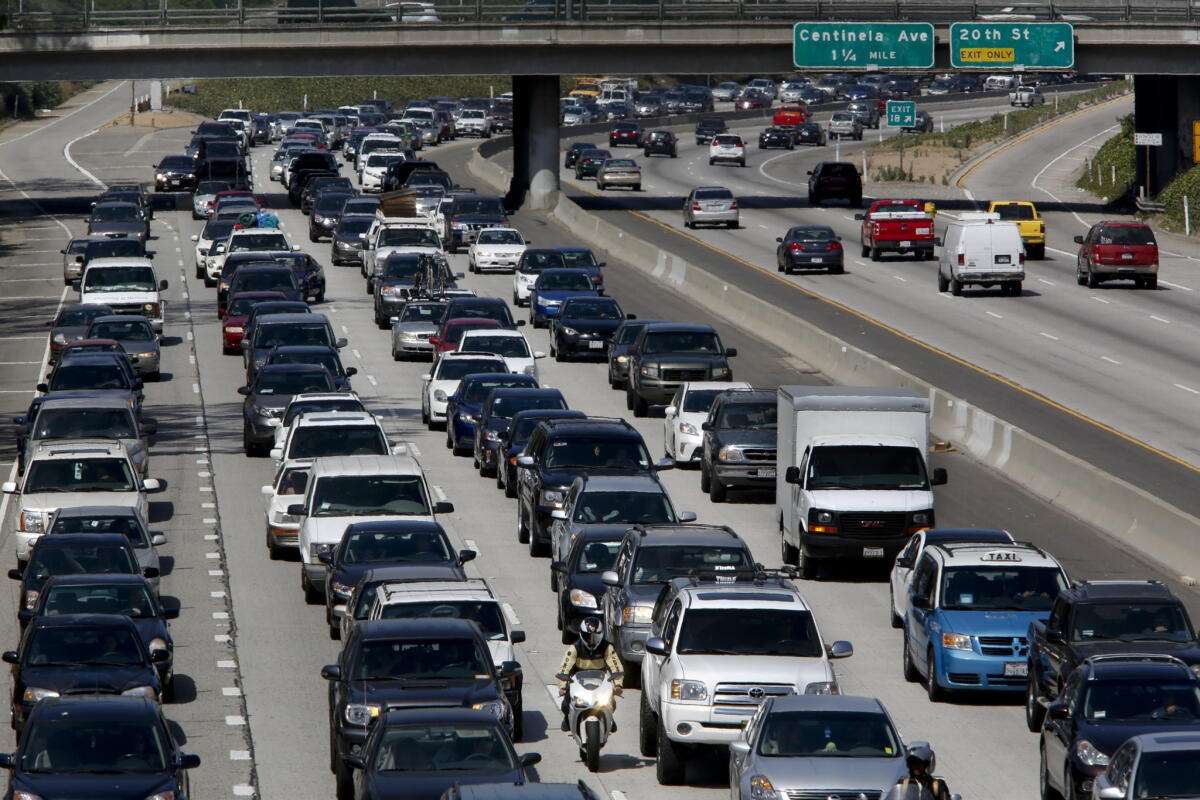
A more distant workplace increases annual driving. Working from home removes commuting trips, so the driver updates the old estimate when the schedule changes.
For example, a 20-mile drive each way, five days a week, for 48 working weeks produces 9,600 commuting miles. Three office days reduce that figure to 5,760 miles, a difference of 3,840 miles a year. Those figures cover the commute only. Errands, vacations, and other personal trips add to the annual total.
Progressive includes regular travel to work in its commuting category. A hybrid employee reports the actual office schedule, such as three days a week, along with total annual mileage. The driver also asks the company for the annual-mileage cutoff for any low-mileage discount.
The updated quote shows whether the change in mileage lowers the premium. A pay-per-mile offer requires a separate calculation: the base charge plus the charges for the expected miles over the full policy period. The driver compares that total with the conventional policy’s premium using matching coverage.
Personal policies and driving for work
Client visits and business vehicles
A standard personal auto policy includes ordinary commuting. Driving to clients during the workday introduces business use. An accountant attending occasional meetings in a personally owned car presents a different use from a contractor hauling equipment throughout the week.
Before the first work trip, the driver tells the company how often the car will be used and who owns it. The company then checks whether its personal policy accepts the activity or requires an endorsement. Businesses commonly buy a commercial auto insurance policy for company-owned vehicles or vehicles employees drive for work.
Paid deliveries and Uber trips
Before accepting a paid delivery, the driver reports the work to the personal insurer. The Texas Department of Insurance guidance identifies undisclosed business use as a risk of claim denial and explains that personal policies differ in how they treat deliveries. If a delivery exclusion applies to a crash and no other policy covers the loss, the driver pays it.
For drivers using personal cars, Uber’s rideshare insurance changes with the app status:
| App status | Liability coverage | Collision and comprehensive for the driver’s car |
|---|---|---|
| Online and waiting for a request | At least $50,000 bodily injury per person, $100,000 per accident, and $25,000 property damage per accident. | No Uber-provided collision or comprehensive during this period. |
| Request accepted, traveling to the pickup or carrying a passenger | At least $1 million for covered injuries and property damage to others. | Contingent coverage up to actual cash value, with a standard $2,500 deductible, provided the personal policy includes collision and comprehensive. |
While a request is pending, Uber provides liability protection. The driver’s own car can remain unprotected if the personal policy excludes use on apps. Each state certificate supplies the local coverage details. Food and package delivery need confirmation under delivery-specific terms, including any endorsement the personal insurer requires.
Uber Black insurance requirements call for a driver’s own commercial auto policy and the permits needed for livery work.

Updating coverage after an employment change
Starting a new job
A driver starting a new role tells the company the start date and describes the driving involved. Moving from office work to daily customer visits changes how the vehicle is used. Moving to a more distant office changes the commute. The agent confirms when any policy changes take effect and provides the updated premium for that period.
Retirement and unemployment
Leaving the former job removes its commute from the annual estimate, while the driver continues to count personal trips. On an application with a retirement category, a retired driver selects it and reports the current mileage.
Reduced driving can lower car insurance costs after job loss. A company that also uses employment status in pricing can explain the separate effect of that entry. The driver records both changes accurately so the quote reflects the new circumstances.

Describing the work accurately
Employment status describes the work arrangement. Occupation describes the profession. When a form asks for both “self-employed” and “accountant,” answer different questions.
A driver who finds several plausible job categories explains the duties to the agent and asks it to confirm the entry. The driver also reports additional work when the application asks about it. An office employee making deliveries on weekends discloses both the office role and the delivery use. Coverage for those deliveries comes from the policy’s accepted uses and any endorsement adding that protection.
Comparing the updated quotes
A driver comparing auto insurance quotes gives each company the same annual mileage and description of work trips. Matching liability limits and deductibles keeps the coverage comparable. The total for the full policy period includes installment fees.
For the existing policy, the driver asks which change affected the bill: the job entry, a discount, the reported driving, or a broader rate change. The company can explain its calculation. An increase in renewal needs warrants explanation, as a new job and a general rate increase can occur simultaneously.
The driver keeps the updated quote and written confirmation of any work-use endorsement with the policy. A driver starting delivery work on Monday arranges for the required delivery endorsement to take effect before Monday’s first order, even if the policy renews several weeks later.

RELATED AUTO INSURANCE GUIDES
Safety & Driving
Black Ice on the Roads: How to spot it and handle a skid
Auto Insurance
Car Insurance Umbrella Policy: Coverage, Cost and Limits
Auto Insurance
Michigan Car Insurance: Rates, Companies & PIP Coverage
Safety & Driving
Texting and driving: risks, statistics, laws and prevention