
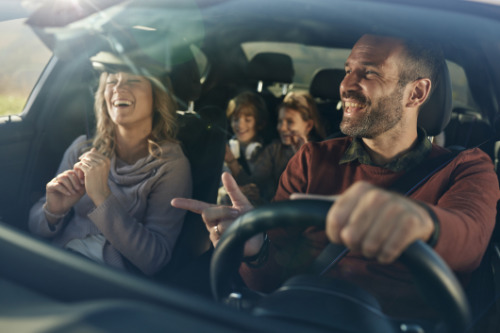
Cracking a window does not make a parked car a safe place for a sleeping child or a dog. Cabin temperatures can rise sharply before a short errand is over. These hot car safety tips from Auto Insure News focus on preventing passengers from being left behind, recognizing heatstroke and acting quickly when someone is trapped in a hot vehicle.
What to do in a hot car emergency
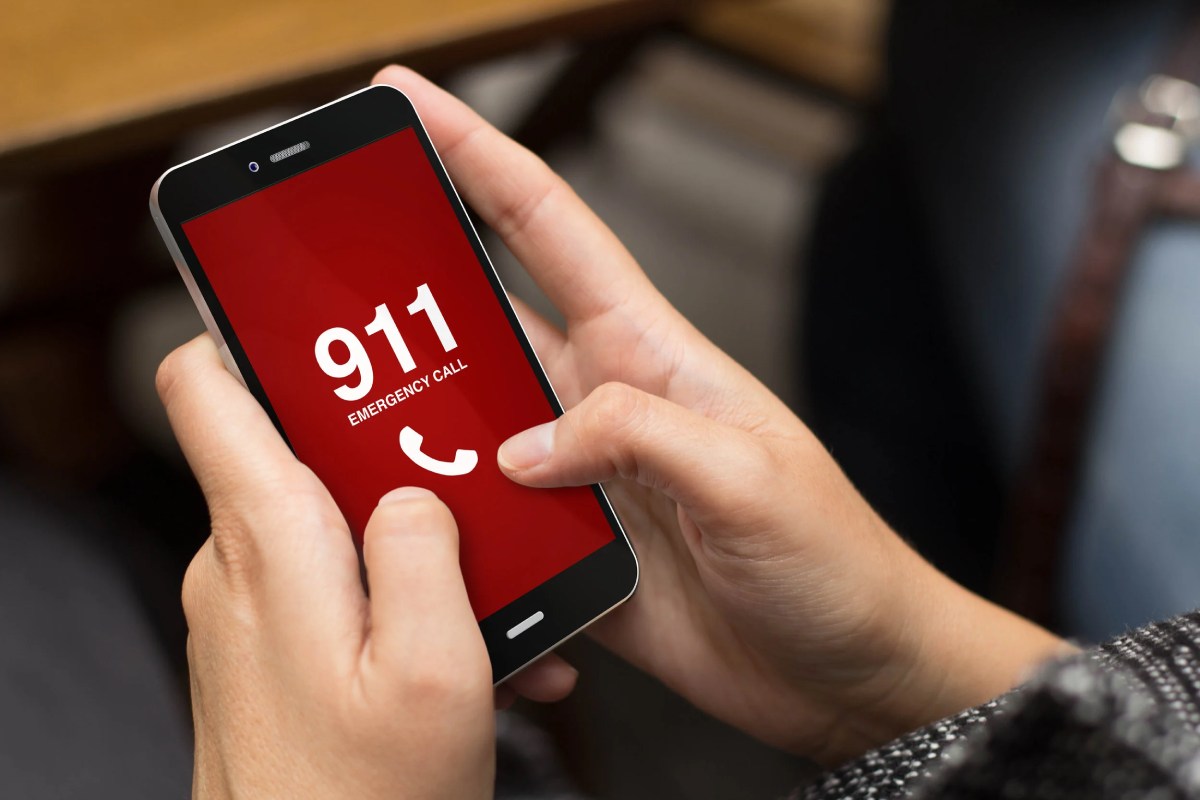
Call 911 immediately if you find a child alone in a locked car. The federal hot car safety guidance calls for a child in heat distress to be removed as quickly as possible and rapidly cooled. Finding the owner or getting a store announcement should not delay emergency help.
Call 911 and help the child
Give the dispatcher the exact location, vehicle description and the child’s condition. Say whether the doors are locked and whether the child responds, appears confused or is having trouble breathing. Put the phone on speaker if possible.
Check whether a door opens. A child in distress needs to get out promptly. If the vehicle is locked, tell the dispatcher and follow emergency instructions; an unresponsive child may require immediate entry. Legal protections for entering someone else’s vehicle differ by state, so avoid assuming that a single nationwide window-breaking rule applies.
If other people are present, one can call while another helps the child. Stay at the scene and update the dispatcher if the child’s condition changes.
Begin cooling while help arrives
Once the child is out, move them to a cooler place, remove unnecessary outer clothing and begin cooling with cool water, wet cloths and fanning. Follow the dispatcher’s instructions and stay with the child until emergency responders take over.
For suspected heatstroke, do not give anything to drink. A child who is confused, very drowsy or unconscious may be unable to swallow safely. If the child is unresponsive and not breathing normally, or is only gasping, begin CPR and follow dispatcher guidance.
Cooling is first aid, rather than a reason to cancel emergency care when the child seems better.
Heatstroke warning signs
Confusion, unusual difficulty waking, seizures, collapse or loss of consciousness after heat exposure require immediate emergency attention. A person with heatstroke can have hot, dry skin or be sweating heavily.
Waiting for sweating to stop can delay help. So can waiting for a thermometer to confirm a particular temperature. Tell 911 what you can observe and begin the recommended cooling measures.
Headache, dizziness, nausea and weakness can also signal heat illness. A child who has been trapped in a hot vehicle needs prompt medical attention, even if the first visible symptoms appear less dramatic than collapse.

How quickly a parked car heats up
The temperature inside a parked vehicle can rise nearly 20°F in the first 10 minutes, even with a window cracked. That figure describes rapid heating; it does not establish a safe period to leave someone inside.
Sunlight heats seats, dashboards and other interior surfaces, which then warm the cabin. Dangerous conditions can develop on mild days, including when outdoor temperatures are in the 70s. A heat warning is not a prerequisite for a hot car emergency.
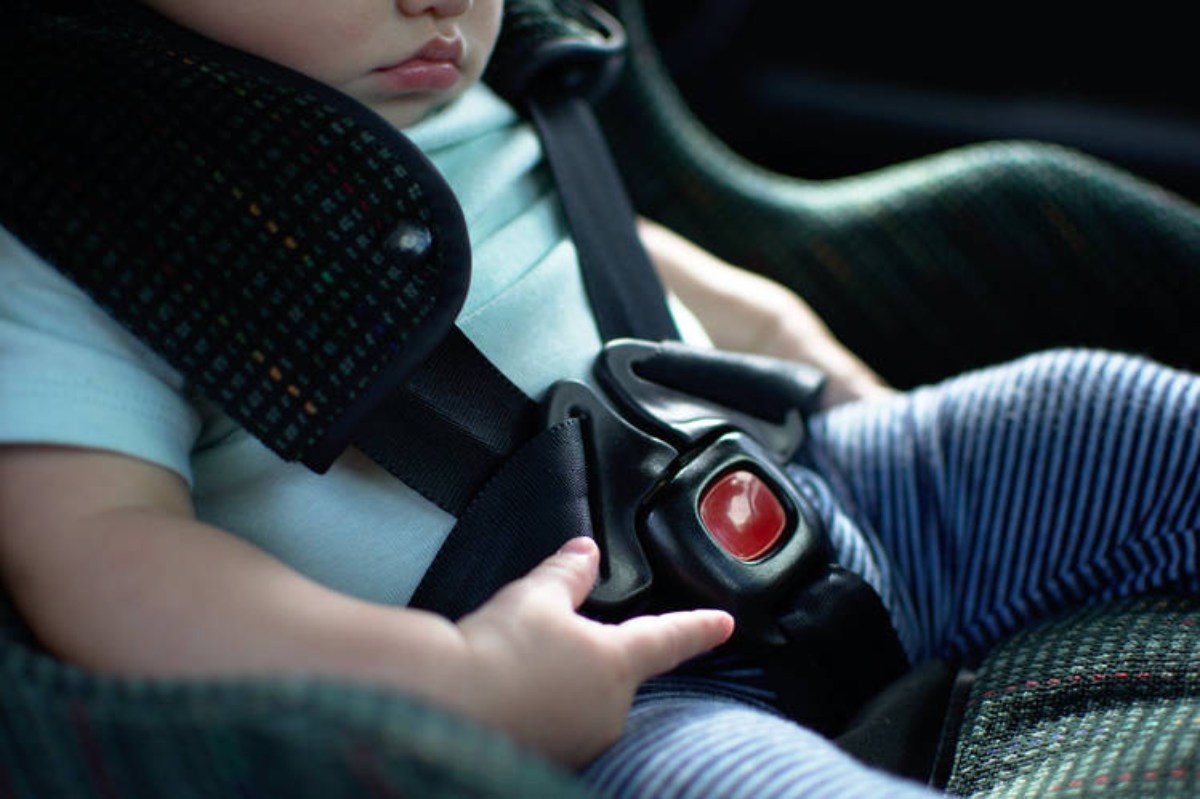
Children depend on adults to manage that exposure. A sleeping child may provide no audible reminder from the back seat, and a small child strapped into a car seat cannot simply choose to leave.
| Assumption | Why it fails | Safer plan |
|---|---|---|
| The errand will take a minute | Delays happen, and the cabin can heat rapidly | Take the child with you or change the errand |
| A cracked window provides enough cooling | A small opening does not prevent dangerous heating | Everyone leaves the parked vehicle |
| The weather feels mild | Sunlight can heat the cabin well above the outdoor temperature | Use the same passenger checks throughout the year |
| The reminder system would sound | Some systems depend on door activity and alert conditions | Physically check the back seat every time |
A routine that prevents forgotten passengers
Check the back seat at every stop
Before locking the car, open the rear door and check the seating area. Make the check part of leaving the vehicle, including trips when you believe the car is empty.
A bag or another item needed at the destination can provide a second cue to open the rear door. Keep it secured away from the child. A stuffed animal moved from an empty car seat to the front passenger area can also signal that a child is riding behind you.
The reminder belongs alongside the physical check. It should not become a reason to skip looking when the object is missing or in a different place.
Confirm drop-offs when routines change
A different driver, an altered route or an unexpected work call can interrupt the usual childcare trip. Agree beforehand who is responsible for the drop-off and how the other caregiver will receive confirmation.
The childcare provider needs a missed-arrival plan too. Ask for a prompt call when a child does not arrive as expected, and provide a second contact if the first adult cannot be reached.
A clear message that the child has arrived is more useful than assuming that silence means the trip went normally.
Keeping children out of parked cars
Some emergencies begin at home when a child climbs into an unused vehicle. Keep empty cars locked, including in the driveway, and store keys and fobs where children cannot reach them.
Teach children that vehicles and trunks are not play spaces. If a child goes missing, immediately check nearby vehicles, including back seats and trunks, while someone calls for emergency help.
This precaution applies to households without young children as well. An unlocked car can be accessible to a visiting child or a neighborhood child.
Rear seat reminders and air conditioning
Learn what the reminder actually detects
Some rear occupant reminders monitor whether a rear door was opened and closed. That is different from directly detecting a child. Certain Ford systems, for example, can produce no alert when an occupant is present if the required alert conditions were never met.
The owner’s manual explains the equipment fitted to the vehicle and its limits. Learning these settings should be among the first steps after buying a car, especially if the vehicle will carry children.
Borrowing a car or using a rental calls for a fresh check of the controls. The absence of a reminder cannot confirm that everyone is out.
Keep an adult with the child
Running the air conditioning, remote-starting, or using a climate-control setting does not change the rule against leaving a child unattended. Plan errands so that a responsible adult remains with the child or takes the child inside.
A screen or phone app is also a different kind of supervision from an adult present and able to respond. Comfort features should support the trip while passengers are attended.
Protecting pets from hot cars
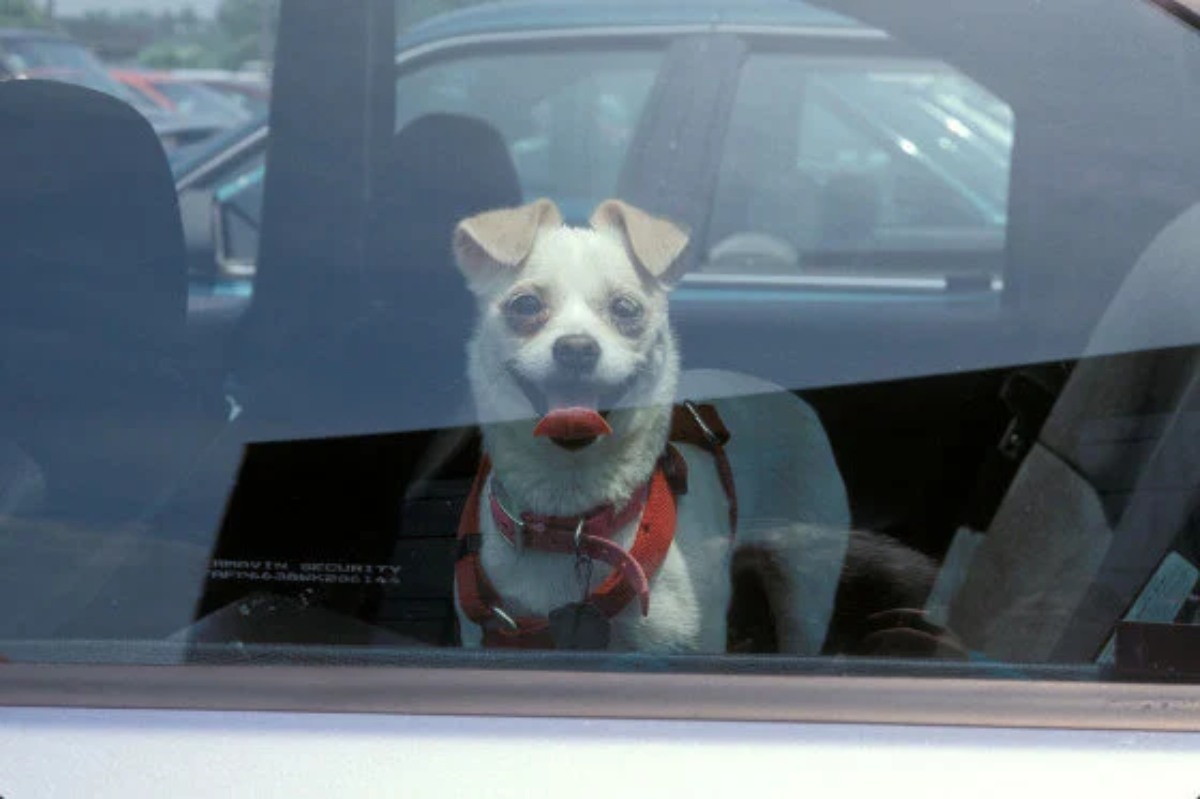
Leave pets at home when errands would require them to wait in a parked vehicle. Shade, cracked windows and a bowl of water do not make an unattended hot car safe.
Excessive panting, heavy drooling, unsteadiness, unusual gum or tongue color and collapse can signal heat stress in a pet. Move an affected pet to a cooler place and contact an emergency veterinarian immediately for treatment instructions.
If you find a pet in distress inside a locked vehicle, contact emergency services or local animal control immediately and explain the condition. Stay nearby and follow their instructions. Rules about entering a vehicle to rescue an animal vary, and should not be assumed to match the rules for rescuing a child.
Cooling the cabin before passengers get in
A hot buckle or seat surface can burn skin even before the cabin feels unbearable. Check the child seat, harness hardware and the surfaces a passenger will touch before seating them.
Shade and a windshield sunshade can help reduce heat on interior surfaces while an empty vehicle is parked. Allow the cabin to ventilate and cool before loading passengers, with children supervised in a safe place away from moving traffic.
A cover used over an empty child seat while parked must be removed before the child rides. Follow the car seat manufacturer’s instructions rather than adding unapproved padding or accessories under the harness.
Adults who need help getting out also need a plan for every stop. The driver should arrange that assistance before leaving the vehicle.
Heat safety during a breakdown
A failed air conditioner or disabled vehicle can expose passengers to heat during an otherwise ordinary trip. Check air-conditioning performance and the vehicle’s cooling system before long summer journeys. Carry drinking water, a charged phone, a charger and basic first-aid supplies.
During a breakdown, stop in the safest available location and keep passengers away from moving traffic. Explain heat exposure and any vulnerable passengers when requesting help. Confusion, collapse or other suspected heatstroke symptoms call for 911 rather than a routine towing queue.
Knowing which roadside assistance benefits you have makes it easier to arrange a tow or covered lockout service. Emergency rescue takes priority when a child or animal is trapped.
Repair costs are a separate issue. Standard insurance generally excludes ordinary mechanical failure and wear. Damage from a covered vehicle fire can fall under comprehensive insurance, subject to the policy and deductible. Towing benefits do not establish that the engine repair itself is covered.
If an incident also damages the vehicle, preserve the incident number and repair records for any later vehicle damage claim. Collecting paperwork comes after rescue and medical care.
A household plan for every trip
Everyone who transports the child needs the same arrival check, including grandparents, babysitters and adults who rarely handle the childcare run. A shared plan makes responsibility explicit when the usual driver changes.
| Situation | Agreed action |
|---|---|
| Someone else handles drop-off | Name the responsible adult and confirm arrival |
| Childcare receives no arrival confirmation | Call the responsible adult and then the backup contact promptly |
| The driver uses a different vehicle | Check the rear seats directly and learn the reminder system’s limits |
| An errand requires parking | Take the child inside or have a responsible adult remain with them |
| The family returns home | Account for every passenger, check the cabin and lock the empty vehicle |

RELATED AUTO INSURANCE GUIDES
Safety & Driving
Hot Car Safety Tips for Children, Pets and Drivers
Safety & Driving
How Does a Learner’s Permit Work? Rules and Next Steps
Safety & Driving
Thunderstorm Safety Tips at Home, Outdoors and in a Car
Auto Insurance
ACV vs Replacement Cost: How Insurance Payouts Differ