

For commercial truck drivers, even a quick glance at a dispatch message can become a serious distraction when traffic slows or road conditions change. Preventing these risks requires more than simply putting the phone away. It takes clear policies, safe device practices, and knowing when to pull over. In this guide, Auto Insure News explores the federal rules governing trucking, distracted driving, and the practical steps truck drivers, owner-operators, and fleet managers can take to keep dispatch communications, navigation updates, and phone calls from compromising road safety.
What distracted driving means in trucking
Distracted driving is any competing activity that diverts attention from safely operating a vehicle. It can involve looking away from traffic, taking a hand away from the controls or concentrating on something unrelated to driving.
A mounted screen can still draw the eyes away. A hands-free conversation can still occupy attention. A company-issued device can create the same problem as a personal phone when a driver reads or types messages while moving.
The consequences extend beyond the cab. A delayed response to slowing traffic can affect nearby vehicles, the truck and the freight it carries. Prevention, therefore, involves not only the people assigning work and sending messages, but also the driver receiving them.

Common distractions inside and outside the cab
| Distraction | What competes with driving | Practical prevention |
|---|---|---|
| Dispatch messages | Reading instructions or typing arrival updates | Handle messages at a safe stop; dispatchers allow time for a delayed reply |
| Navigation changes | Searching for an address or reworking the route | Review the route before departure and stop safely for changes |
| Calls and notifications | Looking at a screen, reaching or following a demanding conversation | Silence notifications and follow the fleet’s communication policy |
| Food and loose items | Unwrapping food, cleaning a spill or retrieving an object | Eat while parked and secure loose objects before moving |
| Roadside activity | Watching an unrelated event instead of traffic | Keep attention on the road, mirrors and developing hazards |
The Federal Motor Carrier Safety Administration’s (FMCSA) 2009 naturalistic-driving research found that texting was associated with 23.2 times the odds of a safety-critical event. That category included crashes, near-crashes and unintended lane departures. Texting drivers looked away from the forward roadway for an average of 4.6 seconds—about 371 feet of travel at 55 mph.
Navigation, dispatch and entertainment functions can share one screen. The task being performed matters; a device’s business purpose does not make every interaction safe or permissible.
FMCSA phone and texting rules
The federal rules on electronic devices in commercial vehicles prohibit texting and handheld phone use while driving covered commercial motor vehicles (CMVs). These rules apply to regulated operations such as interstate trucking. State rules also matter for intrastate trips, and employers can adopt stricter policies.
Scope depends on the vehicle and operation. Holding a commercial driver’s license (CDL) is not the sole test of whether federal commercial-vehicle safety rules apply.
Texting and dispatch messages
The federal definition of texting includes manually entering text into, or reading text from, an electronic device for communication. It reaches beyond ordinary text messages to activities such as email and instant messaging.
Reading a delivery instruction on a dispatch terminal can therefore fall within the restriction. Work messages do not receive a blanket exemption.
The definition excludes certain navigation-system interactions and other permitted functions of multifunction devices. That does not make all screen use safe. A fleet can require drivers to park before entering an address or changing a route, even when the activity is outside the federal texting definition.

Handheld calls and hands-free use
Prohibited phone use includes holding the phone for a voice conversation, dialing or answering with more than a single button, and reaching in a way that takes the driver out of the seated, properly restrained position.
A hands-free arrangement can meet the federal phone rule when the device is close enough for permitted operation, including a single-button or voice-activated call, without unsafe reaching. A mount alone does not establish that every action on the phone complies with the law.
Hands-free conversations still create cognitive distraction. The National Institute for Occupational Safety and Health (NIOSH) recommends workplace policies that prohibit phone use while driving, including hands-free calls. A driver’s employer may therefore require calls to wait until the truck is safely parked.
Red lights and traffic still count
A truck stopped in a traffic queue or at a red light remains within the driving restrictions. A temporary pause in traffic is not a scheduled opportunity to read dispatch messages.
The stopped-vehicle exception involves moving to the side of, or off, the highway and halting somewhere the vehicle can safely remain stationary. For a working truck, a planned rest area, truck stop or other suitable parking location is preferable to stopping on a hazardous shoulder just to answer a routine message.
The federal emergency exception permits necessary communication with law enforcement or other emergency services. A late delivery or a request for an updated arrival time does not become an emergency exception simply because the message is marked urgent.

Fines and CDL disqualification
As of October 19, 2026, Appendix B to 49 CFR Part 386 lists these maximum federal civil penalties for non-recordkeeping violations of the Federal Motor Carrier Safety Regulations:
| Responsible party | Applicable category | Maximum federal civil penalty |
|---|---|---|
| Driver | Non-recordkeeping FMCSR violation | $4,812 |
| Motor carrier | Applicable non-recordkeeping FMCSR violation | $19,246 for each violation |
Actual assessments and state traffic-ticket amounts can differ. The federal texting and handheld-phone rules also prohibit a motor carrier from allowing or requiring a driver to engage in prohibited conduct.
Under the federal disqualification rules for commercial learner’s permits and CDLs in 49 CFR 383.51, two qualifying serious traffic convictions from separate CMV incidents within three years bring a 60-day disqualification. Three or more bring 120 days. Qualifying texting and handheld-phone offenses are included, and the count can involve a combination of serious traffic offenses.
For an owner-operator, losing driving privileges also interrupts the ability to move freight. A fleet must account for both the driver’s eligibility and the operational consequences of assigning work that encourages prohibited phone use.
How dispatchers can reduce distraction
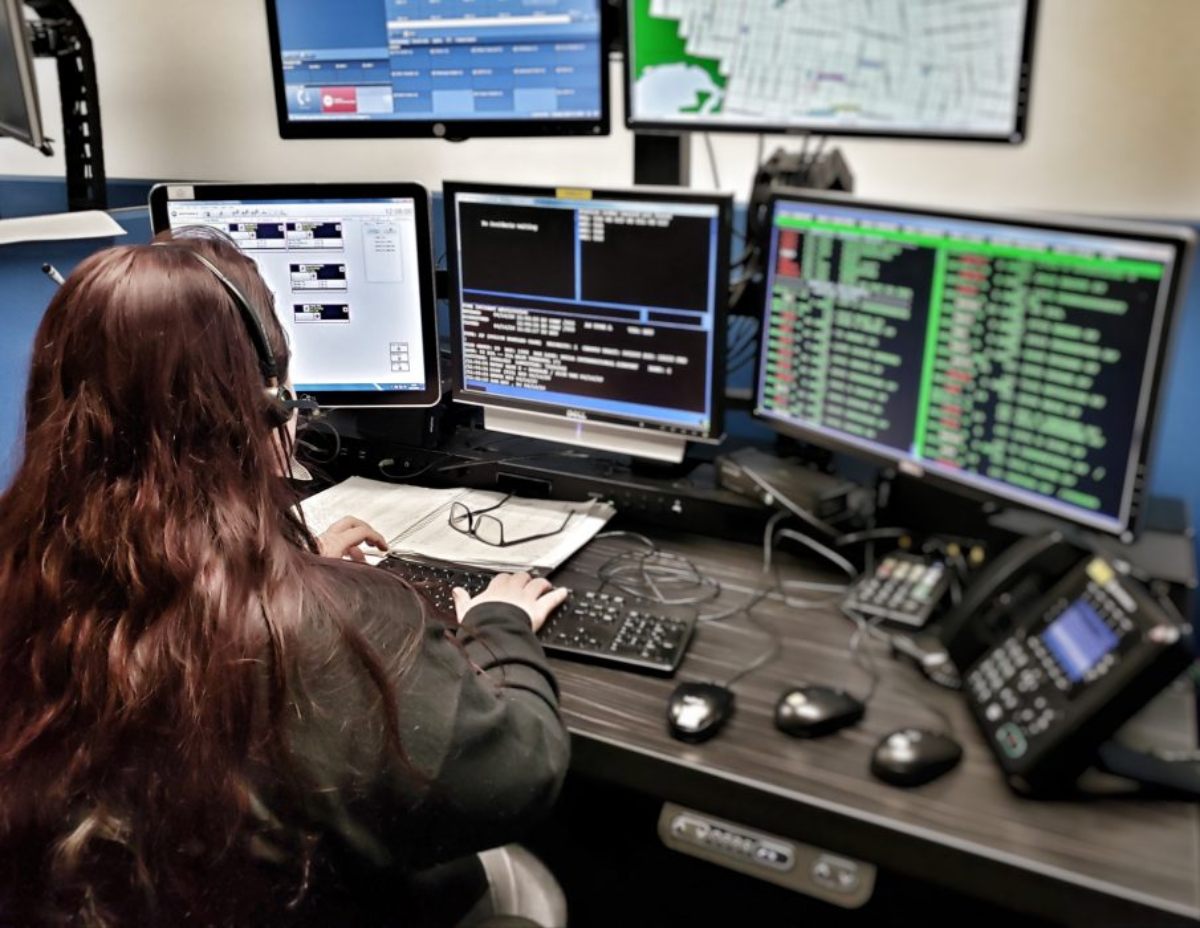
A written ban on texting is difficult to follow if dispatch simultaneously demands an immediate typed response. The communication procedure needs to give drivers a workable way to comply.
A practical fleet policy can specify that routine messages wait until the next safe stop, identify who manages customer updates in the meantime and prohibit staff from penalizing a driver for declining to respond while driving.
Dispatchers can collect gate instructions, appointment details and contact numbers before departure. When those details change, they can send a consolidated update for review at a stop, rather than a stream of messages requiring repeated acknowledgments.
Owner-operators need the same boundaries with brokers and customers. Setting an expectation for replies at safe stops makes it easier to handle a delivery change without making the phone part of every mile.
A pre-trip routine for drivers
Cab preparation can remove several reasons to reach for a device or loose object later. Before moving:
- Review the route. Check the destination, truck-appropriate access instructions, planned stops and likely parking options.
- Finish dispatch tasks. Read the load instructions and clarify missing details while parked.
- Set the equipment. Position permitted devices, select audio guidance and configure notification blocking under the fleet’s policy.
- Secure the cab. Put paperwork, chargers, drinks and loose items where they will remain stable.
- Plan a response to changes. Identify how to reach a safe stopping place before handling new instructions.
If an item falls while the truck is moving, retrieval can wait. If a turn is missed, continue to a safe opportunity to reassess the route. A sudden lane change to save an exit introduces another hazard.
Fatigue also needs its own response: rest. Scrolling, eating or making a call should not become a method of trying to stay alert when the driver needs to stop.
Fleet cameras, alerts and driver coaching
Phone-blocking tools and in-cab monitoring can support a distraction policy. Their value depends on how the fleet uses the information: reviewing an event, discussing what happened and agreeing on a specific change.
A useful coaching conversation identifies the task that drew attention away. Was the driver reading a dispatch update, changing navigation or retrieving something? That distinction helps determine whether the next action belongs with the driver, dispatcher, equipment setup or all three.
Drivers also need to understand what is recorded, who can access it and how it is used. Insurance-linked programs add questions about telematics data and renewal pricing; participation does not universally guarantee a lower premium.
An alert system works alongside a clear communication policy and consistent follow-through. Installing equipment without addressing the messages and deadlines reaching the cab leaves an important source of distraction in place.
Insurance risks for owner-operators and fleets
Trucking operations need insurance suited to their actual business use, vehicles, drivers and freight. The question of when commercial vehicle coverage is needed starts with those operating details.
Liability, truck damage and cargo
A crash can produce several distinct losses. Auto liability addresses covered claims for injuries or property damage to others. Physical damage coverage covers damage to the insured truck. Motor truck cargo coverage addresses eligible freight losses under its own terms.
Those protections need separate limits and coverage review. For vehicle transporters, insurance for car-hauling operations must cover the customer’s vehicles being transported as well as the truck and trailer.
A distraction-related crash still requires a coverage investigation under the actual policy. Calling an event “distracted driving” does not, by itself, explain which coverages respond or how much is payable.

Driver records affect insurance pricing
Accidents and traffic violations are among the factors commercial truck insurers review. Vehicle type, cargo, operating radius, inspection history and requested coverage also influence the premium.
There is no single nationwide percentage increase in distracted-driving convictions. A useful renewal discussion concerns the actual driver record, loss history and operating changes the insurer is evaluating.
Safety improvements should be documented with the policy, training, coaching and corrective work actually completed. A camera installation or a signed acknowledgment alone does not establish a particular insurance discount.
After a distracted-driving crash
Address immediate danger and injuries first. Call emergency services as needed, follow lawful reporting requirements and notify the carrier’s designated safety contact. The driver should provide a factual account of what happened.
Once it is safe, the fleet needs to preserve relevant dashcam footage, dispatch messages, electronic logging records and vehicle information. Arrange preservation before routine deletion or overwriting removes material that may help establish the sequence of events.
Promptly starting the insurance claim process allows the insurer to investigate and address covered claims. The driver’s report to dispatch and notice to the insurer are separate steps; one should not be assumed to complete the other.
Policy notice duties and legal filing deadlines also serve different purposes. Follow the applicable claim reporting deadlines and preserve the records while the incident is fresh.
The same records can support the later safety review: what reached the cab, what the driver did and which change would prevent a repeat. That review needs to reach the dispatch process when the distraction began there.

RELATED AUTO INSURANCE GUIDES
Safety & Driving
Hot Car Safety Tips for Children, Pets and Drivers
Safety & Driving
How Does a Learner’s Permit Work? Rules and Next Steps
Safety & Driving
Thunderstorm Safety Tips at Home, Outdoors and in a Car
Auto Insurance
ACV vs Replacement Cost: How Insurance Payouts Differ