

Hauling cars for hire is one of the few trucking niches where the cargo is worth more than the rig. A standard commercial truck policy will not fully protect the vehicles on the trailer, and that gap is where new car haulers get burned. Auto Insure News will break down what car hauler insurance covers, what the federal government and brokers require, and what it realistically costs in 2026. Coverage rules and pricing vary by state, insurer, and operation, so the numbers here are planning ranges rather than quotes.
What car hauler insurance is
Car hauler insurance is commercial truck insurance built for one job: hauling other people’s vehicles for pay. It is not a single policy but a package, because one crash can total the truck, wreck three or four customer cars, and injure someone else all at once.
It applies to any operator that moves vehicles for money, even one or two at a time:
- Hotshot drivers running a pickup with a wedge or small trailer
- Open carriers hauling 5 to 10 cars at once
- Enclosed transporters moving fewer cars but higher-value ones
The reason it costs more than regular trucking is simple. The cargo has keys, VINs, and a resale value that can top $100,000 on a full load. Insurers price a hauler on the worst-case trip, not the average day, so the limits chosen have to cover the most expensive load the truck ever carries.
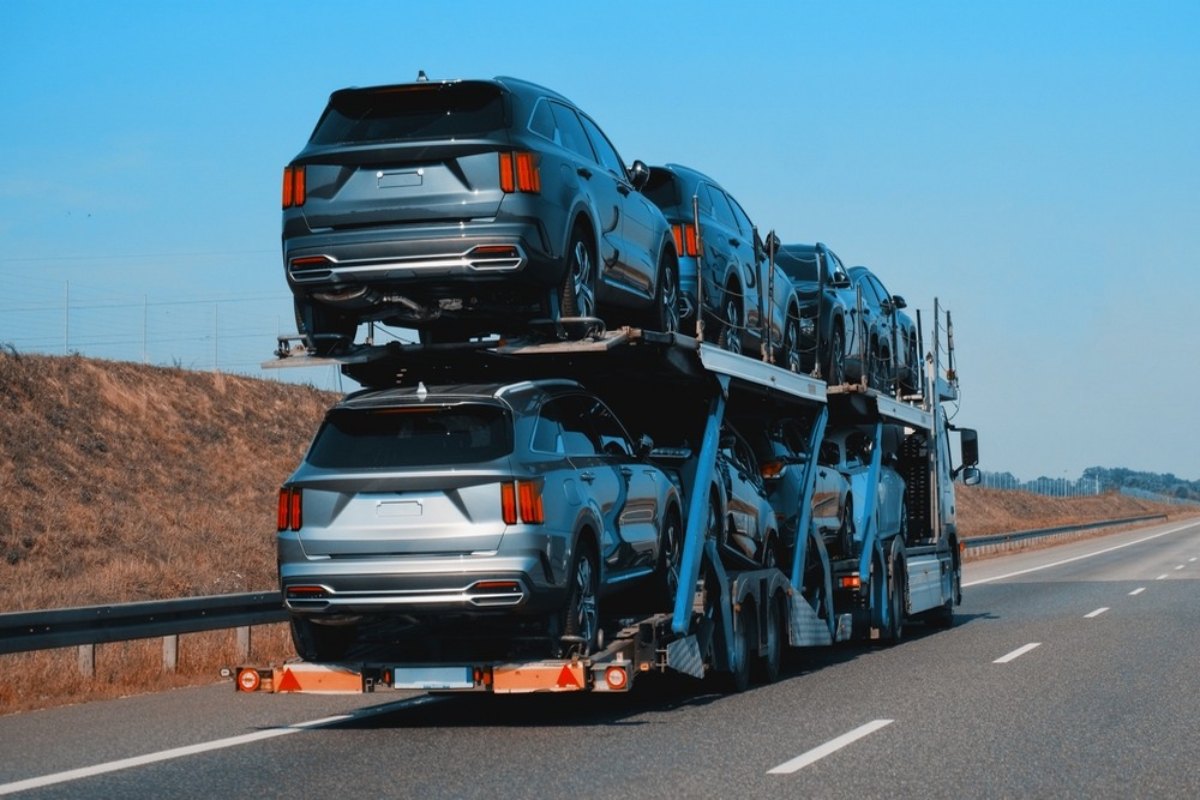
Common risks when car hauling
Car hauler claims rarely come from one dramatic highway wreck. Most come from smaller, everyday events that a general trucking policy was never built to pay for:
- Secured damage. A loose strap or chain rubs through paint or dents a panel in transit.
- Weather on an open load. One hailstorm can ding every car on the trailer at once.
- Theft. High-value cars, spare keys, and unattended overnight parking make a hauler a target.
- Loading and unloading. Most scrapes happen on ramps, in tight lots, and under low clearances, not at highway speed.
- Road debris. Rocks and blowouts chip windshields and paint on the cars riding behind.
- “It was already like that,” disputes. A customer blames the hauler for pre-existing damage, and without photos, the carrier eats the deductible.
- Multi-car liability. A single pileup can leave the driver owing for several third-party vehicles plus injuries all at once.
This is why vehicle-in-transit coverage and time-stamped pickup photos matter more in car hauling than in almost any other kind of trucking. The risk is not just a big crash; it is the steady drip of smaller claims on expensive cargo.
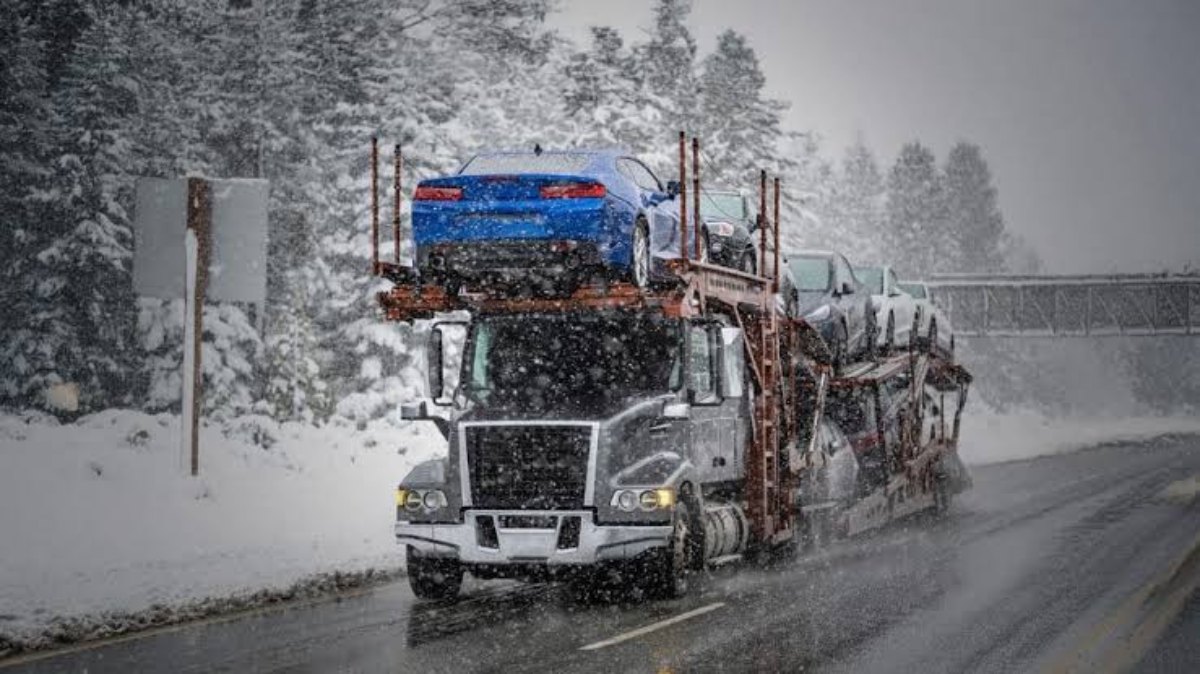
Who needs car hauler insurance?
Any business that moves vehicles it does not own for pay needs car-hauler insurance. A personal auto policy won’t cover it, and even a standard commercial trucking policy usually leaves the cars on the trailer uncovered. That includes many operations that do not always think of themselves as “car haulers”:
- Dealer and auction transporters moving inventory or auction buys
- Private-party movers shipping cars for online sales, snowbirds, or cross-country moves
- Repossession and fleet-transfer haulers
- Hotshot drivers pulling 1 to 3 cars behind a pickup
- Enclosed transporters carrying classics, exotics, or EVs
- Leased-on drivers whose motor carrier covers liability but not the cars in their care
Being leased to a bigger carrier does not always solve the problem. That carrier’s policy often covers liability only while the driver is on dispatch, not the customer vehicles sitting in the driver’s care, custody, and control. The key question is what protects those cars on dispatch, off dispatch, and while running empty.
What car hauler insurance covers
The core of any car hauler program is three coverages working together: liability for the harm the driver causes others, cargo coverage for the vehicles being carried, and physical damage for the operator’s own equipment. The table below shows how the main pieces fit.
| Coverage | Required or optional | What it protects |
|---|---|---|
| Primary liability | Required for carriers with their own authority | Injuries and property damage the driver causes to others, up to the policy limit |
| Motor truck cargo (vehicle-in-transit) | Required in practice by brokers and shippers | The customer vehicles are loaded on the trailer during transit and loading |
| Physical damage (collision and comprehensive) | Optional, but required if the truck is financed | The operator’s own truck and trailer, from a crash, theft, fire, or weather |
| Uninsured/underinsured motorist | Varies by state | The hauler, if a driver with too little insurance causes the crash |
One point trips up many new operators: primary liability protects other people, not the cars on the trailer. The vehicles a hauler is paid to move are only covered by cargo insurance. Physical damage, which pays for the operator’s own rig, is separate again, and it splits into collision coverage and comprehensive coverage. For a broader primer on how these building blocks relate, see our overview of the main types of car insurance.
Coverage that many car haulers add
Beyond the core three, several coverages come up depending on how a carrier operates:
- General liability. Covers business risks away from driving, such as injuries during loading or at the yard.
- Non-trucking or bobtail liability. Applies when the truck is driven without a load or off dispatch, common for drivers leased to a larger carrier.
- Trailer interchange. Physical damage coverage for trailers that a carrier pulls but does not own under an interchange agreement.
- Occupational accident or workers’ compensation. Pays a driver’s own medical bills and lost income after an injury; which one applies depends on the state and the lease.
- Garagekeepers or on-hook. Mostly a tow-truck coverage. Car haulers who already carry cargo insurance usually do not need a separate on-hook policy unless they store customer vehicles.
Car hauling is a form of commercial transport, so operators still deciding how their business is structured can start with our guide on who needs commercial auto insurance.
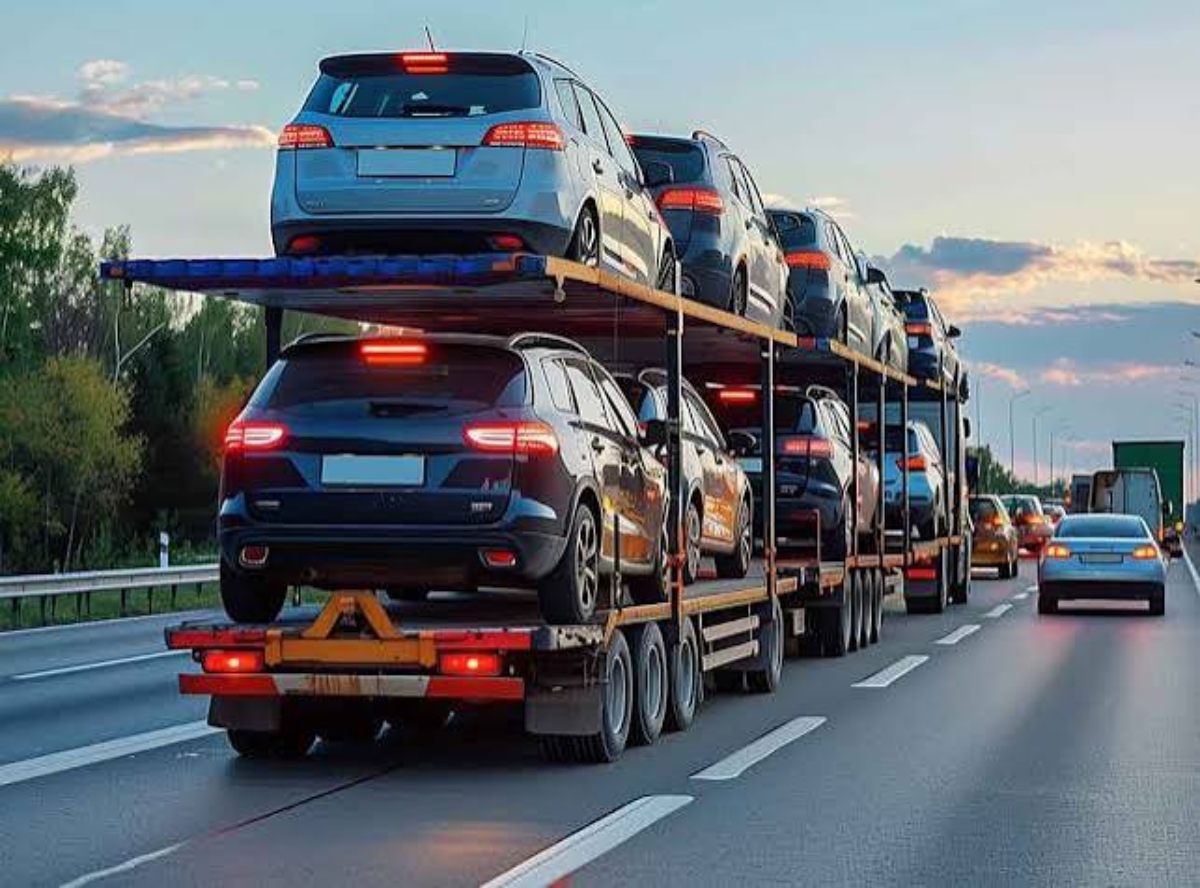
What the FMCSA and brokers require
Carriers that cross state lines for hire are subject to federal rules. The Federal Motor Carrier Safety Administration sets a baseline of $750,000 in primary liability for most for-hire property carriers over 10,001 pounds. But hauling motor vehicles is considered a higher risk, and carriers that transport cars are generally required to carry $1,000,000 in liability coverage. A few more requirements matter:
- Filings and endorsements. The insurer typically files proof of coverage with the FMCSA (the BMC-91 or BMC-91X form) and adds the MCS-90 endorsement, the federal public liability endorsement. Carriers should confirm these are on file and current, because lapses can suspend operating authority.
- Cargo coverage. Federal cargo minimums are low ($5,000 per vehicle and $10,000 per occurrence, and they apply only to household goods), so they are not a real benchmark. In practice, brokers and shippers expect cargo coverage of roughly $100,000 to $250,000, matched to the value actually carried.
- Higher contract limits. Many brokers, dealer auctions, and luxury or EV shippers demand $1.5 million or even $2 million in liability before they will award loads.
A critical detail about cargo limits: there is a difference between a per-load limit (the most the policy pays for a single loss involving the entire load) and a per-vehicle limit (the cap on any single car). On a multi-car load with one high-value unit, a low per-vehicle cap can leave a painful gap even when the per-load limit looks generous.
How much car hauler insurance costs in 2026
Across the market, a common planning benchmark is $700 to $1,500 per month per truck, with higher-risk operators, new authorities, enclosed transport, or poor loss history often landing closer to $1,500 to $2,500, or more. Cost scales with the size of the operation, as shown below.
| Operator setup | Typical annual range | Approximate monthly |
|---|---|---|
| 1-car hauler/owner-operator | $3,000 to $7,000 | About $250 to $580 |
| 2 to 3 car hauler | $8,000 to $15,000 | About $670 to $1,250 |
| 5+ car small fleet | $15,000 to $30,000+ | About $1,250 to $2,500+ |
It also helps to see the program broken out by line. The example below reflects a solo owner-operator with a clean record and a few years of experience; actual numbers move with state and risk profile.
| Coverage line (solo owner-operator example) | Typical annual cost |
|---|---|
| Primary liability ($1M combined single limit) | $6,000 to $10,000 |
| Physical damage (collision and comprehensive) | $2,000 to $4,000 |
| Motor truck cargo ($100,000 limit) | $800 to $2,000 |
| General liability | $800 to $1,500 |
| Non-trucking / bobtail liability | $400 to $800 |
| Occupational accident | $1,200 to $2,400 |
Added up, a full solo program often lands somewhere around $11,000 to $21,000 per year. Industry aggregators report similar medians, with commercial auto alone averaging nearly $787 per month for car-hauling businesses.
What drives the premium
Car hauler pricing is not random. The factors that move it the most are:
- Authority age. New ventures pay a premium until they build a track record, often the single biggest factor in the first year.
- Garaging location and radius. The home ZIP code, state, and operating distance (local, regional, or long-haul) all affect the rate.
- Cargo limit and vehicle values. Hauling luxury cars or EVs raises both the cargo limit and the price.
- Driving record and claims history. The motor vehicle record and past losses weigh heavily.
- Equipment and deductibles. Trailer value and chosen deductibles affect the physical damage premium, and enclosed transport usually costs more to insure than open transport.
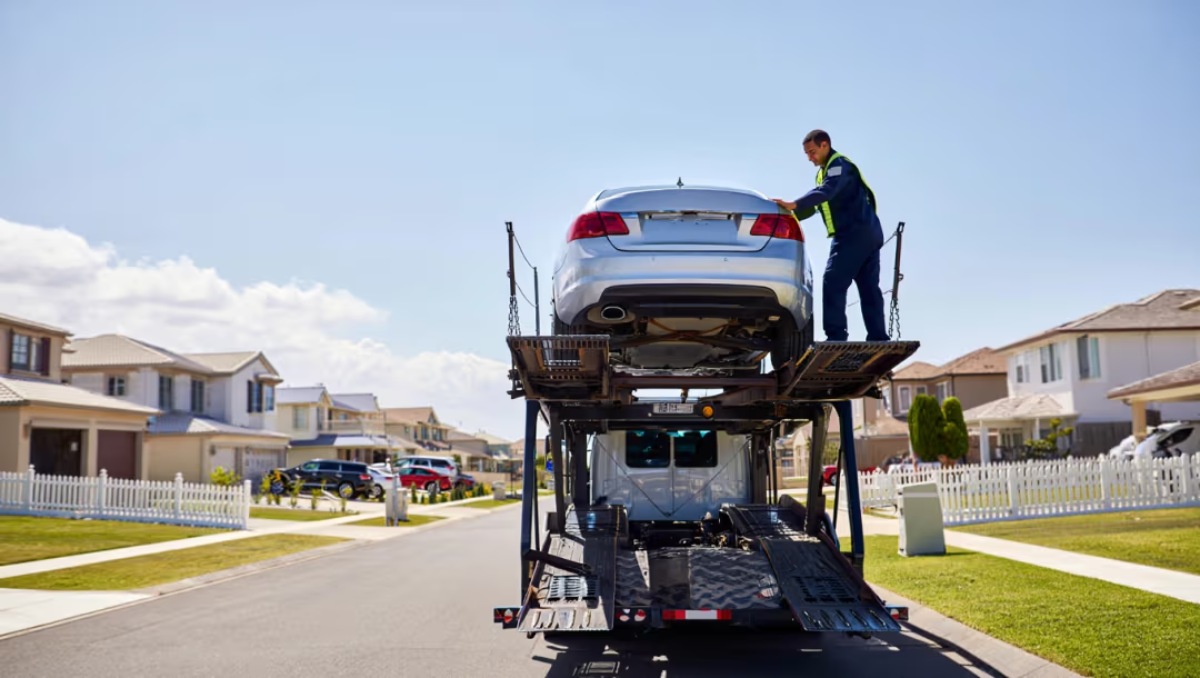
How to lower car hauler insurance costs
Operators cannot change that cars are expensive cargo, but several levers are within their control:
- Compare quotes with identical limits and deductibles so the comparison reflects a true price difference, not a coverage difference. Our guide to getting auto insurance quotes explains the process.
- Build tenure and keep a clean MVR. Rates ease as an authority ages, and the record stays clean.
- Match cargo limits to reality. Overbuying wastes money, but a per-vehicle cap should never sit below the most valuable car regularly hauled.
- Consider a higher deductible on physical damage when cash reserves can absorb it.
- Work with a broker who specializes in auto transport, since this is a niche market and a generalist may misprice or underinsure the operation.
Car hauler insurance is one of the highest fixed costs in the auto transport business, and the operators who protect their margins are the ones who shop it every year rather than auto-renew. Auto Insure News sends plain-English guides on commercial trucking coverage, FMCSA filings, and ways to lower premiums by email. Signing up takes less than a minute and could save thousands at the next renewal.

RELATED AUTO INSURANCE GUIDES
Auto Insurance
How does insurance determine the value of a totaled car?
Auto Insurance
Agreed Value vs. Stated Value for Classic Cars in Gary, IN
Safety & Driving
Rules of the road Indiana: Essential driving laws and safety rules
Auto Insurance
Commercial insurance for Uber Black: requirements & costs