

Choosing car insurance is not only about finding the lowest monthly premium. A policy is a contract that determines what the insurer may pay, what you must pay yourself, and which situations are excluded. The right policy should fit the vehicle you drive, how you use it, the financial risks you can reasonably carry, and the insurance rules in your state.
At Auto Insure News, we break down the details behind a car insurance policy so you can compare your options with greater confidence. In this guide, we’ll walk through the coverage types, policy limits, deductibles, exclusions, claims service, and other details worth reviewing before you choose a policy.
Start with the coverage, not the price
A low premium may look attractive until you discover that it includes lower liability limits, a high deductible, no rental reimbursement, or no protection for damage to your own vehicle. Compare what each policy covers before comparing prices.
Most auto policies combine several types of coverage. Some are required by state law, while others are optional or subject to state-specific rules. If you are new to the subject, start with what is auto insurance. Your declarations page should show the coverage included in your policy, the limits, deductibles, covered vehicles, policy dates, premium, and other important details.
| Coverage | What it generally helps pay for |
| Bodily injury liability | Injuries or death suffered by other people when you are legally responsible for a covered accident |
| Property damage liability | Damage you cause to another person’s vehicle or property |
| Collision | Damage to your insured vehicle after a collision, subject to the policy and deductible |
| Comprehensive | Covered non-collision losses such as theft, fire, vandalism, hail, falling objects, or animal damage |
| Uninsured/underinsured motorist | Certain injuries or property damage caused by a driver with no insurance or insufficient insurance are subject to state law and policy terms |
| Medical payments or personal injury protection | Certain medical expenses for you and passengers, depending on the policy and state |
| Rental reimbursement | Eligible rental or transportation expenses after a covered loss, subject to daily and total limits |
| Roadside assistance | Covered towing or emergency road services, subject to the policy’s limits and conditions |
The names and availability of coverages differ by state. For a closer comparison of car insurance coverage types, do not assume that coverage shown in an online advertisement is included in every policy.
Key factors to consider when choosing car insurance
Look at liability limits carefully
Liability coverage protects you when you are legally responsible for injuries or property damage suffered by others. Bodily injury liability and property damage liability are usually shown as separate limits. For example, a policy may display bodily injury limits for one person and all people injured in one accident, followed by a property damage limit.
State minimum limits are a starting point, not necessarily a complete protection strategy. A serious accident can create medical expenses, lost income, repair costs, legal fees, and claims that exceed the minimum. Consider how much financial exposure you could face if the policy limit were exhausted. An insurance professional can explain available limits and how they relate to your circumstances.
Also, check whether liability coverage applies to every vehicle and driver that should be listed. A household member who regularly drives the vehicle, a newly purchased car, a leased vehicle, or a business-use vehicle may require different treatment.
Understand collision and comprehensive coverage
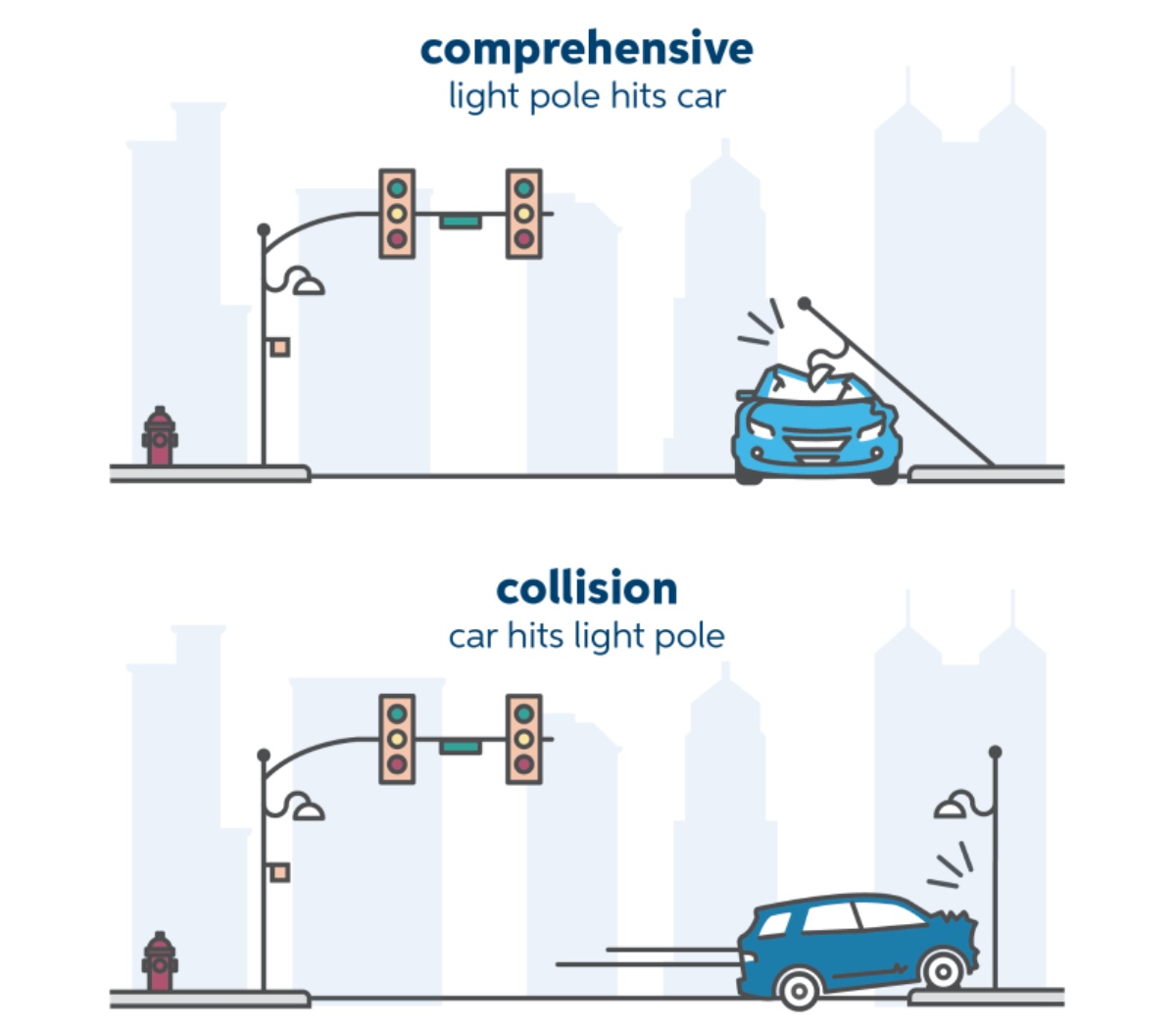
If you want the policy to help repair or replace your own vehicle after certain losses, review collision and comprehensive coverage. Collision generally addresses damage resulting from a crash or upset. Comprehensive, sometimes called “other than collision,” generally covers losses such as theft, fire, vandalism, weather events, falling objects, or animal strikes. Understanding the difference between liability and full coverage can help you decide which coverage fits your vehicle and budget.
Neither coverage pays for every possible loss. Read the exclusions, conditions, covered-peril language, and deductible. Ask how the insurer determines the vehicle’s value after a total loss. Many personal auto policies use actual cash value, which can reflect depreciation. A financed or leased vehicle may also have lender requirements that affect the coverage you need.
If your vehicle is heavily modified, unusually valuable, used for business, or still being restored, tell the insurer before purchasing. A standard policy may not cover specialty equipment, custom parts, or restoration costs as you expect.
Choose a deductible you could actually afford
A deductible is the amount you pay toward a covered claim before the insurer pays the remaining eligible amount. Common deductibles include $250, $500, and $1,000, but available amounts vary.
A higher deductible may reduce the premium, while a lower deductible may increase it. The best choice depends on the amount you could pay after an unexpected loss. Do not choose a deductible so high that you would be unable to repair or replace the vehicle after a claim.
Compare deductibles separately for collision, comprehensive, glass, rental reimbursement, and other applicable coverages. Some policies may have special deductibles for particular losses or endorsements.
Read exclusions and policy conditions
Exclusions explain situations the policy does not cover. Conditions explain duties you must follow, such as promptly reporting a loss, protecting property from further damage, cooperating with the insurer, or providing documentation.
Before buying, look for restrictions involving:
- Drivers who are not listed or permitted under the policy.
- Commercial, delivery, rideshare, or business use.
- Racing, speed contests, or organized competition.
- International travel or driving in areas not covered by the policy.
- Custom equipment, electronics, modifications, or permanently attached accessories.
- Rental vehicles, borrowed cars, and vehicles used by household members.
- Vehicle storage, security devices, annual mileage, or regular garaging location.
The Texas Department of Insurance recommends asking whether a policy covers how you use your vehicle and whether any exclusions apply. Although insurance rules vary by state, this is a useful question for every shopper.

Check how the insurer handles claims
The value of insurance becomes most apparent when you need to file a claim. Price alone does not tell you how easy or difficult the claims process may be.
Before choosing a company, look for information about how claims are reported, whether claims can be filed online or by phone, how repairs are coordinated, whether the insurer uses preferred repair shops, and how disputes are handled. Ask whether you can choose your own repair facility and whether original-equipment or aftermarket parts may be used, subject to the policy and applicable law.
You can also research an insurer’s license status and complaint information through your state insurance department or another official consumer resource. For a practical example of what to check, see the Texas Department of Insurance’s [official auto insurance shopping checklist]. A complaint record should not be treated as the only measure of quality, but it can provide useful context when comparing otherwise similar policies.
Compare the insurer, not only the quote
Two companies may offer similar-looking premiums but differ in financial strength, customer service, claims handling, policy wording, available endorsements, and local agent support. Check who is actually underwriting the policy and who will handle your claim.
If you prefer personal assistance, find out whether you will work with a captive agent representing a single insurer or an independent agent representing multiple insurers. The Indiana Department of Insurance notes that local and non-local agents can offer different types of support and encourages consumers to speak with more than one agent and company when researching auto insurance.
Do not assume that a familiar brand automatically provides the best fit. The relevant question is whether the insurer offers the coverage, limits, exclusions, and service that match your situation.

Look for discounts, but verify the trade-offs
Discounts can reduce the premium, but they should not determine the policy on their own. Ask which discounts may apply and whether they require changes to your payment method, driving behavior, mileage, vehicle use, or monitoring arrangements.
Possible discounts may include safe-driver, multi-policy, multi-vehicle, low-mileage, defensive-driving, good-student, automatic-payment, paperless, anti-theft, or usage-based insurance discounts. Availability varies by insurer and state. The National Association of Insurance Commissioners’ auto insurance guide explains that factors such as vehicle use, miles driven, driving record, prior insurance, selected coverages, and deductibles may affect pricing. These are some of the inputs that determine your car insurance rate.
If a telematics or usage-based program is offered, ask what data is collected, how driving behavior affects pricing, whether participation is optional, and what happens if you stop participating. A discount is only useful if the policy still meets your coverage needs and privacy preferences.
Make sure the quote reflects your real vehicle use
When requesting a quote, describe how the vehicle is actually used. Tell the insurer whether you commute, drive for work, transport passengers, deliver goods, use the car for rideshare, or drive only occasionally. A policy designed for personal use may not cover every business or platform-based activity.
Also, provide the correct garaging address, annual mileage, household drivers, vehicle ownership status, and any modifications. Inaccurate application information can create problems when the insurer evaluates eligibility or a claim.
The cheapest quote may change if the insurer discovers different mileage, use, address, driver, or vehicle information. Accuracy at the application stage makes the comparison more meaningful.

Compare quotes using identical limits
Never compare one quote with $50,000 of liability and a $1,000 deductible against another quote with much higher limits and a $250 deductible without accounting for the difference.
Use a worksheet that records the same assumptions for every company. To learn how to get auto insurance quotes and compare rates, begin with the same driver, vehicle, address, limits, and deductible information:
| Item | Quote A | Quote B | Quote C |
| Bodily injury liability limits | |||
| Property damage liability limit | |||
| Uninsured/underinsured motorist limits | |||
| Collision deductible | |||
| Comprehensive deductible | |||
| Rental reimbursement limits | |||
| Roadside assistance limits | |||
| Vehicle use and annual mileage | |||
| Discounts applied | |||
| Total premium and payment fees |
Ask whether the quote includes all drivers and vehicles that should be covered. Confirm the effective date before canceling an existing policy. The Texas Department of Insurance specifically advises consumers not to cancel current coverage until the new policy or written proof of replacement coverage is in place.
Review the policy documents before paying
An online quote is not the same as a complete policy review. Before accepting coverage, read the declarations page, policy form, endorsements, exclusions, conditions, and any lender or lease requirements.
Check the named insured, listed drivers, covered vehicles, policy dates, limits, deductibles, premium, payment schedule, and garaging address. If something is incorrect, ask the insurer to correct it before relying on the policy.
Keep the declarations page and policy documents in a secure location. Review them after buying a vehicle, moving, adding a driver, changing your job, changing your vehicle’s use, installing expensive equipment, or experiencing a major change in your financial situation. It also helps to know how often you should shop for car insurance.
What to look for in car insurance: a final checklist
Before you buy, confirm that:
- The policy meets your state’s legal requirements.
- Liability limits go beyond the minimum if additional protection is appropriate for you.
- Collision and comprehensive coverage match the vehicle’s value and your ability to pay a deductible.
- Uninsured/underinsured motorist coverage is understood and either included or knowingly rejected.
- The policy covers the way you actually use the vehicle.
- Exclusions are clear, especially for business use, rideshare, custom equipment, and other drivers.
- Deductibles are affordable after a loss.
- Rental reimbursement, towing, medical payments, and other optional coverages are evaluated based on your needs.
- The insurer is licensed and has a claims process you understand.
- Quotes are compared using identical limits, deductibles, vehicles, drivers, and discounts.
Request information about car insurance options
Once you have reviewed the coverage types, limits, deductibles, and exclusions, you may use the form on this page to request information from participating insurance professionals. Provide only the information needed for an initial response, such as your ZIP code, vehicle details, preferred coverage type, and contact method.
Submitting the form does not guarantee eligibility, coverage, savings, or a particular premium. If your information is shared with insurance professionals or marketing partners, the website should explain that practice in its privacy policy and consent language.

RELATED AUTO INSURANCE GUIDES
Safety & Driving
Black Ice on the Roads: How to spot it and handle a skid
Auto Insurance
Car Insurance Umbrella Policy: Coverage, Cost and Limits
Auto Insurance
Michigan Car Insurance: Rates, Companies & PIP Coverage
Safety & Driving
Texting and driving: risks, statistics, laws and prevention