

If you are adding air to the same tire every week or frequently topping up engine oil, book an inspection before the next service date. Learning how to take care of a car includes recognizing these changes between workshop visits. Auto Insure News explains the routine checks, service decisions and warning signs that help you keep a vehicle safe and reliable, including what changes when you drive a hybrid or an electric car.
Start with your car’s maintenance schedule
Find the owner’s manual and maintenance schedule for your vehicle’s model year, engine and transmission. The manufacturer’s website usually offers a digital copy. Save it on your phone so you can check a fluid specification or service interval at the shop.
Service intervals can depend on both time and mileage. A low-mileage car can still reach a calendar deadline for an oil change or another service. If your vehicle uses an oil-life monitor, follow its alerts along with the manual’s maximum interval. Reset the reminder only after the work is completed.
Look for a separate schedule covering severe operating conditions. Repeated short trips, extended idling, towing or dusty roads may change the requirements for particular services. Match the description to your actual driving.
For a recently purchased vehicle, the first-week ownership checklist helps organize service records and other paperwork. With a used car, have missing maintenance history reviewed before assuming every major service is current.
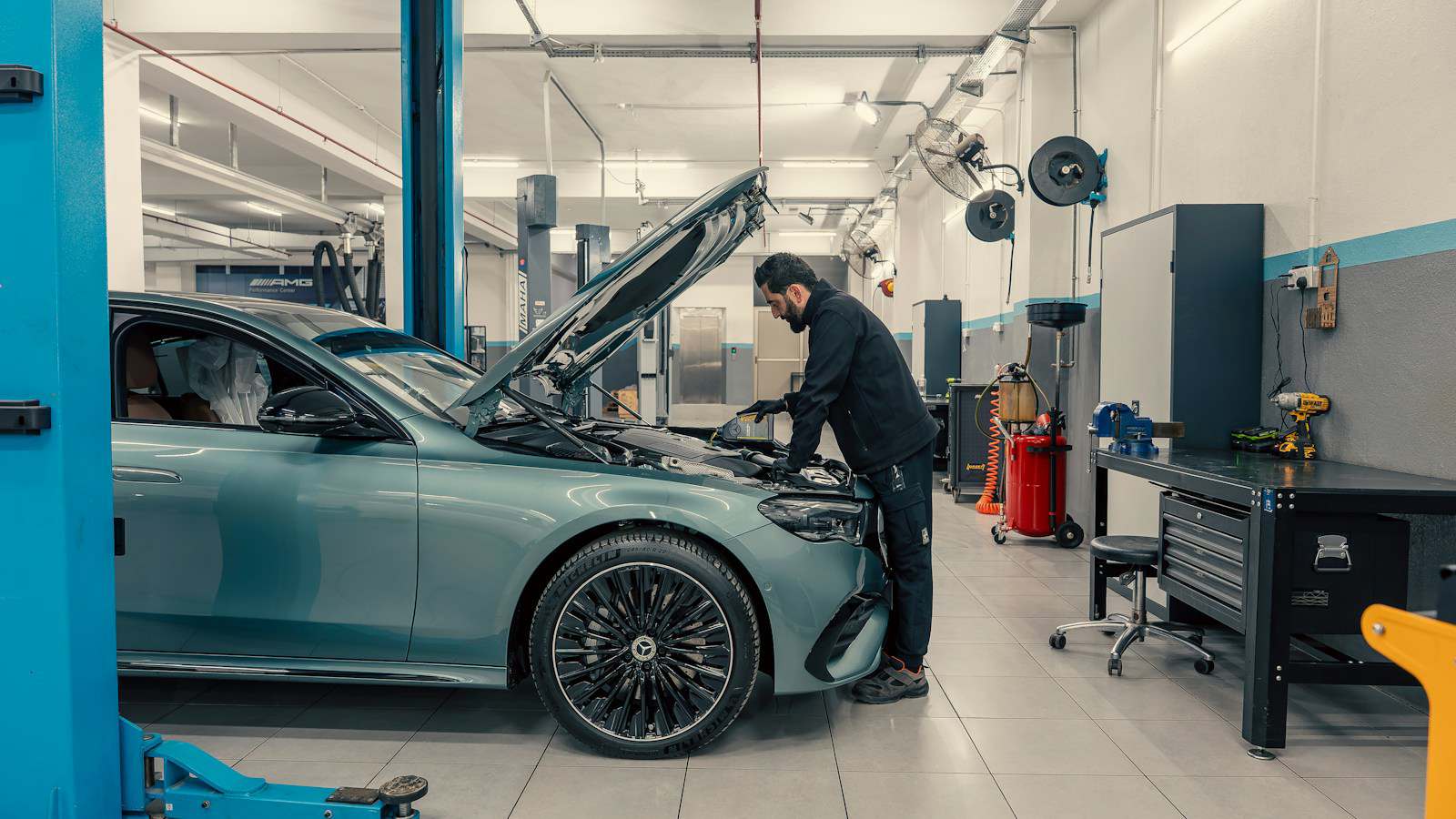
A simple car care checklist
Use this routine for owner checks. Replacement intervals for oil, filters, belts and other components come from the vehicle’s maintenance schedule.
| When | What to check | What needs attention |
|---|---|---|
| Before driving | Walk around the car; notice tires, fresh leaks and obstacles. | A visibly flat tire, new puddle or warning message. |
| Monthly | Measure cold tire pressures, including the spare if fitted; inspect tread, lights and wipers. | Repeated pressure loss, damage, uneven wear or poor visibility. |
| At the manual’s check intervals | Check engine oil and accessible fluid reservoirs using the specified procedure. | A falling level or a need for repeated top-ups. |
| Before a long trip or season change | Review upcoming service, tires, battery condition and weather preparation. | Maintenance that will become due during the trip. |
| At scheduled service | Complete the listed work and record the date, mileage and materials used. | Overdue items or recommendations that need an explanation. |
| Twice a year | Check for open safety recalls using the VIN. | A recall notice with specific driving or parking instructions. |
Check tire pressure before the tires warm up
Use a pressure gauge at least monthly, when the car has been parked for at least three hours. The recommended cold pressure is on the driver’s door placard or in the manual. The maximum pressure printed on the tire sidewall is not your vehicle’s recommended setting. Front and rear specifications may differ.
A tire-pressure warning system can leave a tire below its recommended pressure before an alert appears. NHTSA’s tire maintenance guidance explains the monthly pressure check and why the dashboard system cannot replace it.
Look across the tread and along the sidewalls for cuts, bulges and uneven wear. A tire that repeatedly loses air needs an inspection. Rotation follows the pattern and interval for your vehicle; some combinations of tire sizes cannot be rotated in the usual way.

Check oil and fluids without causing damage
Engine oil needs the correct checking procedure
Park on level ground and use the manual’s instructions for engine temperature and waiting time. Some cars have a dipstick; others use an electronic measurement with specific conditions that must be met.
With a dipstick, the usual process is to remove it, wipe it, fully reinsert it and read it again. Add oil only when needed, using the required viscosity and manufacturer specification. Add small amounts and recheck to avoid overfilling.
Keep track of how much oil you add and at what mileage. A sudden increase in consumption or a new leak calls for diagnosis. Oil color alone is a poor way to decide when an oil change is due.
Coolant and brake fluid need extra care
Check the coolant reservoir when the engine and cooling system are cold. Never open a hot radiator or pressurized coolant reservoir. Escaping steam and liquid can cause severe burns. Use the specified coolant and mixture; matching the color on a bottle is not enough.
A brake-fluid level below the marked range needs inspection. Adding fluid can hide a problem without fixing it. Leave the cap closed for a visual check, and follow the specified brake-fluid replacement interval.
Use the right washer fluid for the season. For transmission, differential or hydraulic power-steering fluid, follow the manual’s service requirements. Many vehicles have no owner-accessible transmission dipstick, and electric power steering has no hydraulic reservoir to fill.
Clear water dripping from air-conditioning condensation can be normal. An oily puddle or repeated loss from a fluid reservoir needs investigation

Include brakes, batteries and visibility in routine care
Brake inspections belong in scheduled maintenance even when the car still stops normally. Persistent squealing, grinding, vibration or pulling during braking needs a diagnosis. A soft pedal or sudden loss of braking requires immediate action, as outlined below.
Slow cranking or repeated jump-starts calls for a battery and charging-system test. Replacing the battery without testing can leave the original charging fault unresolved. Battery replacement procedures vary, and some vehicles need a registration or reset procedure afterward.
Replace wipers when they leave streaks, skip or fail to clear the glass. Check headlights, brake lights and turn signals with a helper. Clean the windshield inside as well as outside; an interior film can make glare worse at night.
The engine air filter and cabin filter serve different jobs. One filters engine intake air; the other filters air entering the passenger compartment. Follow their separate service requirements and check whether dusty driving calls for more frequent attention.
Warning signs that need immediate attention
An oil-change reminder schedules maintenance. An oil-pressure warning while the engine is running can mean the engine is losing lubrication. Read the actual message and identify the symbol before deciding what to do.
| Warning or symptom | Immediate response |
|---|---|
| Oil-pressure warning with the engine running | Pull over safely and switch off the engine. Get assistance; a correct oil level does not rule out a pressure problem. |
| Overheating warning or steam | Stop safely and turn off the engine. Keep clear of steam and leave the hot cooling system closed. |
| Soft brake pedal, reduced braking or brake warning with parking brake released | Stop safely and arrange assistance. Do not continue a normal journey with uncertain braking. |
| Flashing check-engine light | Reduce load and avoid hard acceleration. Get urgent advice; stop safely if the engine shakes, loses power or the manual directs you to stop. |
| Steady check-engine light without other symptoms | Read the manual and arrange prompt diagnosis. Watch for additional warnings or changes in operation. |
A diagnostic trouble code identifies an area for investigation. It does not automatically prove that the part named in a scanner’s description needs replacing. Clearing a code without repairing the cause can delay a useful diagnosis.
Driving habits affect how quickly parts wear
Leave enough space to slow down progressively, and ease into acceleration while the engine warms. Hard launches, abrupt stops and repeated curb impacts add avoidable stress. Come to a complete stop before shifting between forward and reverse.
Use the fuel grade specified for the vehicle. Check whether the manual says premium is required or recommended; those instructions have different meanings. Extra-cost fuel and additives should have a documented purpose for your engine.
When something changes, note when it happens. “Vibration at highway speed after hitting a pothole” gives a technician a better starting point than “the car feels strange.” Record symptoms only while safely parked.
Wash off salt and keep the cabin dry
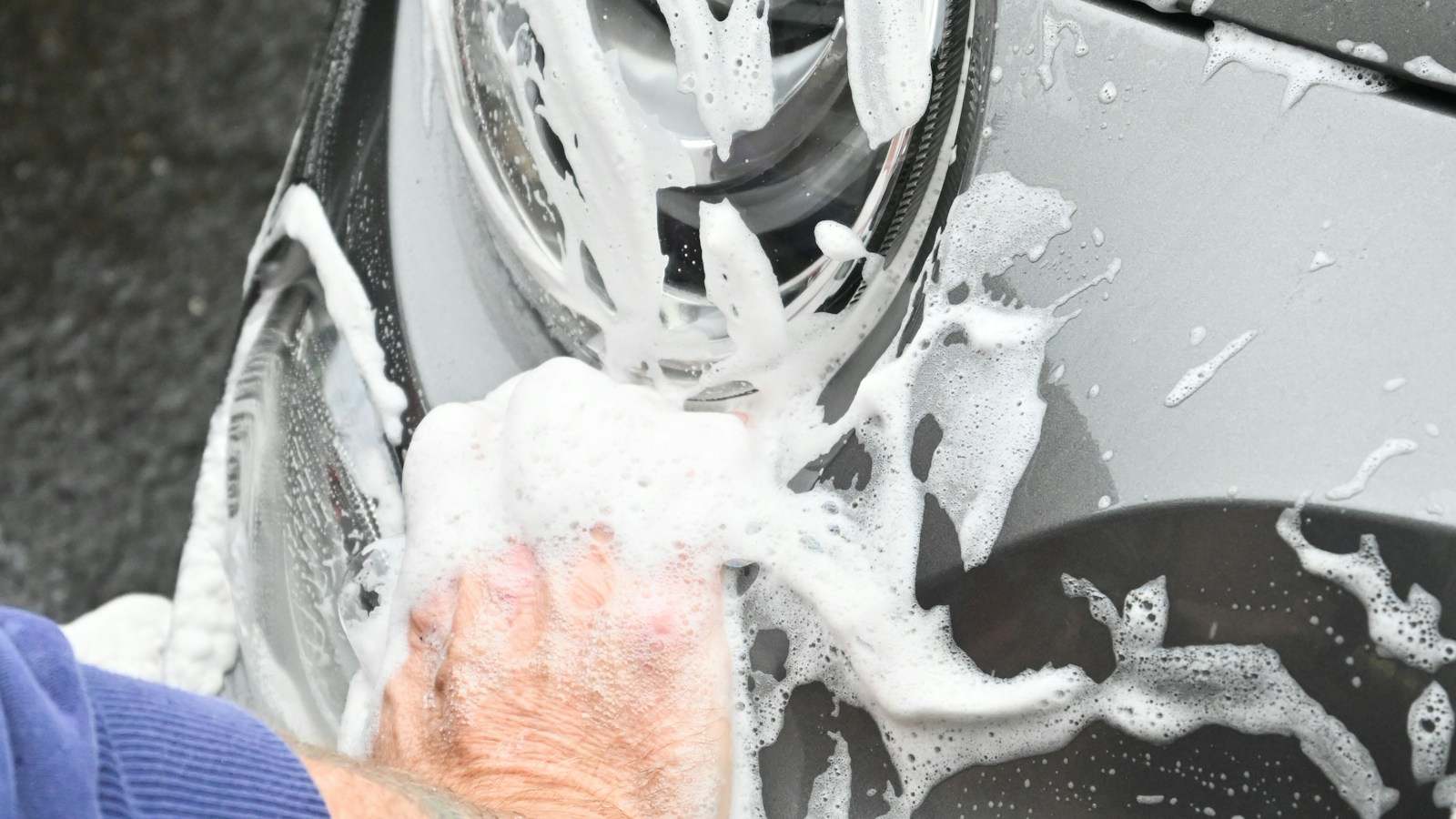
Road salt, bird droppings and tree sap should be removed promptly. Use a car-washing product suitable for the finish, work on cool surfaces and rinse thoroughly. Include the underbody after exposure to salted roads, following the vehicle’s cleaning instructions.
Keep accessible body drains clear of packed dirt. Paint chips and developing rust need attention before the affected area spreads. Pressure washers and automatic washes have vehicle-specific restrictions, particularly around accessories, seals and sensors.
Inside, remove food, vacuum grit and dry wet mats. Investigate persistent dampness or a musty smell. Use surface-compatible cleaners, and secure correctly fitted floor mats with their retainers so they cannot slide toward the pedals. Avoid stacking mats.
Prepare for heat and freezing weather
Before hot weather, have cooling-system leaks and weak air conditioning investigated. Before winter, check battery performance, cold tire pressures, wipers, washer-fluid freeze protection and the suitability of your tires.
Clear snow from the vehicle before driving, including lights, windows, the roof and sensor areas. Free frozen wipers before operating them. Even a well-maintained car needs lower speeds and more stopping space when traction drops.
Maintenance and weather losses also create different bills. Insurance coverage for snow and ice damage depends on what happened and which coverage applies. Replacing worn tires remains an ownership expense.
How care differs for hybrids and electric cars
Hybrids still need engine maintenance
Hybrids and plug-in hybrids still have gasoline engines. Their oil, filters and other engine services remain on the maintenance schedule, even when electric driving keeps engine use low. Follow any instructions for battery cooling vents and filters, too.
Electric cars still need regular inspections
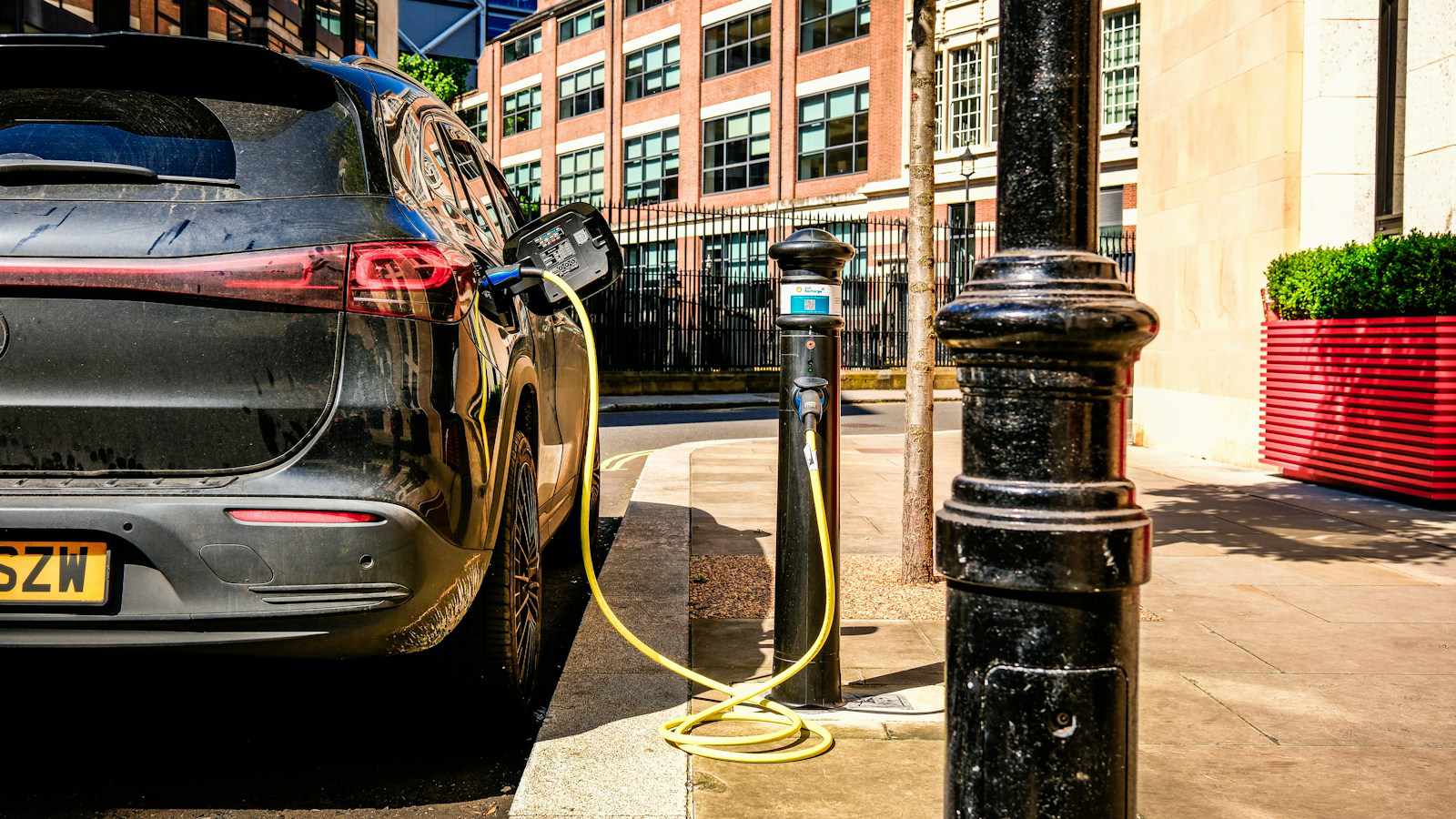
A battery-electric car has no engine oil to change. Tires, wipers, cabin filters, brakes and applicable cooling systems still require attention. Regenerative braking can reduce friction-brake wear, but brake inspections remain important.
Follow the manufacturer’s charging and long-term storage guidance. A single charging percentage does not suit every battery chemistry. The low-voltage battery also needs attention when starting or electrical problems appear.
Leave high-voltage batteries and orange cables to trained technicians. Switching the car off does not make those components safe for owner repairs.
A rarely driven car still needs care
Low mileage does not cancel time-based servicing. Before an extended period off the road, follow the storage instructions for fuel or charge level, tires and battery support. A compatible battery maintainer may be appropriate; choose one approved for the battery and vehicle.
Do not run an engine in an enclosed garage to keep the battery charged. Before returning a stored car to use, check for leaks, tire damage and signs of pests. Food, nesting material or damaged wiring calls for investigation; the guide to rodent damage to vehicle wiring explains the repair and coverage issues.
If you change insurance during storage, review coverage for a car that is not being driven before taking it back onto public roads. Registration rules, lender requirements and the effective date of restored coverage can all matter.
Avoid unnecessary work and keep useful records
Ask for a written estimate that separates required scheduled maintenance, repairs for a diagnosed fault and optional recommendations. When a shop proposes work earlier than the manufacturer’s schedule, ask for the reason and the inspection findings.
Check open recalls by VIN through NHTSA and the manufacturer, and follow any interim safety instructions. A “do not drive” notice needs action even when the car seems to run normally.
Save invoices showing the date, mileage, work performed, parts and fluid specifications. For DIY maintenance, record the same information and retain receipts. Start with owner checks and straightforward jobs you understand; never go underneath a vehicle supported only by a jack.
Set aside money for upcoming scheduled work and wear items. Standard auto insurance generally excludes routine maintenance and mechanical wear. The cause of damage determines when engine repairs may be insured; a manufacturer’s warranty or service contract has separate terms. Keep the next service date and mileage beside your records so the work stays on the calendar.

RELATED AUTO INSURANCE GUIDES
Auto Insurance
Is Bundling Home and Auto Insurance Worth It?
Safety & Driving
Tips for long drives: Stay Alert and Travel Comfortably
Safety & Driving
How to take care of a car: A beginner’s maintenance guide
Safety & Driving
Distracted driving in trucking: risks, rules and prevention