

When your car is not being driven, you may wonder whether you still need to maintain insurance coverage. Car insurance for not driving can help protect your vehicle from risks such as theft, weather damage, and vandalism while it is parked. At Auto Insure News, we explain your coverage options and what to consider before reducing or canceling your policy.
Do you need car insurance if you’re not driving?
Not always in the same form, but a policy should not be canceled automatically. A vehicle that is fully off public roads may qualify for a storage-only or comprehensive-only arrangement that protects against theft, fire, hail, vandalism, and other non-collision losses. If the vehicle is still driven, liability coverage generally needs to remain active. Comparing liability vs. full coverage can help identify which protections may be reduced and which must remain.
A financed or leased vehicle adds a lender requirement on top, and canceling a policy entirely may require a non-use filing, an inactive-registration process, or a plate surrender first, depending on the state.
| Situation | Coverage option to compare | Main issue to verify |
|---|---|---|
| Parked long-term in a private garage | Comprehensive-only or storage arrangement | Whether liability and collision may be suspended, and whether the car must stay off public roads |
| Driven occasionally for errands or weekends | Standard policy with low-mileage, usage-based, or pay-per-mile pricing | Liability coverage must remain active whenever the vehicle is driven |
| Active loan or lease | Keep lender-required coverage and ask about a higher deductible | Required collision and comprehensive limits, a deductible cap, and lender consent |
| Military deployment, seasonal travel, or extended absence | Storage endorsement, reduced-use arrangement, or insurer-specific suspension option | What coverage stays active, and how registration and policy history are handled |
| Vehicle will not be operated or kept registered | State non-use, inactive-registration, PNO, or plate-surrender process | Complete the formal DMV step before canceling or reducing coverage |
| No owned car, but drives other people’s cars | Non-owner liability insurance may be relevant | Generally does not cover physical damage to the borrowed vehicle |
Car insurance options when you’re not driving
Comprehensive-only or storage coverage for a parked car
“Storage insurance” is a consumer term rather than a standardized policy form. Some insurers allow liability and collision coverage to be suspended while comprehensive coverage remains active for a vehicle that is stored and not driven.
Comprehensive coverage generally applies to damage other than a collision with another vehicle or object, including theft, fire, vandalism, hail, flood, and animal contact, depending on the policy. The Washington Office of the Insurance Commissioner explains comprehensive coverage and its common covered risks, while noting that the specific policy wording controls each claim.
A comprehensive-only arrangement does not provide liability protection for driving and does not make a vehicle legal to operate on a public road. Ask the insurer directly whether the vehicle may be started, moved, or driven to a repair shop under reduced coverage.
| Risk | Often covered by a comprehensive? | What to verify |
|---|---|---|
| Theft | Often | Deductible, theft exclusions, and security requirements |
| Fire | Often | Policy definition and storage-location conditions |
| Hail or windstorm | Often | Comprehensive deductible and catastrophe terms |
| Vandalism | Often | Police-report and prompt-reporting requirements |
| Collision while driving | No | Collision coverage would generally be needed |
| Injury or property damage to others | No | Liability coverage would generally be needed |
Comprehensive-only coverage tends to be best when the car is kept in a private garage or storage facility, will not be driven, and there is no lender requirement for collision coverage. It is not automatically the cheapest option, since the premium still depends on the vehicle, location, deductible, and insurer. A classic or collector car that spends most of the year in a private garage is a common example of this situation. Owners weighing storage coverage for a vehicle like that can see our guide to classic auto insurance in Gary, Indiana, for how specialty valuation coverage works alongside a low-use policy.
Owners putting a collector vehicle away for the season should also follow a complete classic car winter storage routine to reduce battery, tire, moisture, and rodent problems.
Low-mileage, pay-per-mile, and usage-based insurance for occasional drivers
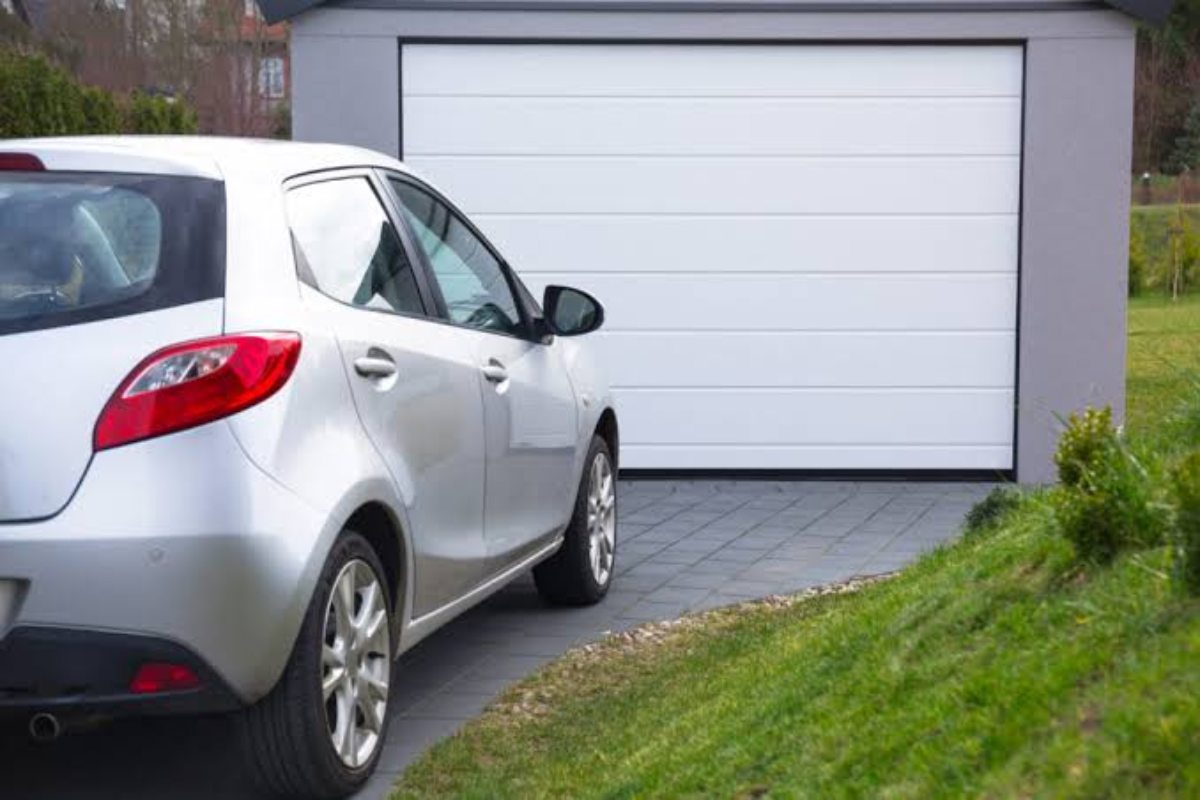
A vehicle still driven occasionally generally fits low-mileage car insurance, a pay-per-mile plan, or usage-based insurance better than a fully stored arrangement, since these keep the car insured for driving rather than treating it as inactive.
Usage-based insurance, or telematics, typically uses an app or device to track miles, time of day, location, acceleration, and braking. The Washington Office of the Insurance Commissioner notes that telematics data may be combined with traditional rating factors and that premiums can rise or fall depending on the program and the recorded driving behavior. Pay-per-mile programs combine a base charge with a per-mile charge. Allstate Milewise, Nationwide SmartMiles, Mile Auto, Progressive Snapshot, and State Farm Drive Safe & Save are examples to research, not a ranking, since base rates, mileage charges, and eligibility vary by state and insurer.
Before enrolling, confirm that liability stays active whenever the car is driven, whether pricing depends only on mileage or also on driving behavior, and what data the program collects.
Can raising deductibles and removing unused add-ons lower costs?
If a lender will not allow collision coverage to be removed, ask whether a higher deductible is permitted instead. A higher deductible can lower the premium, though savings vary by insurer and vehicle, and the amount chosen should be one that the household could actually pay after a covered loss.
Review add-ons such as rental reimbursement or roadside assistance rather than automatically dropping them. Roadside assistance can still matter for a stored vehicle, and rental coverage may still matter after a covered loss, even for a rarely driven car. Gap insurance should not be canceled just because the vehicle is parked; ask the lender or gap provider whether it is still needed based on the remaining loan balance.
Can you suspend coverage during deployment or extended travel?
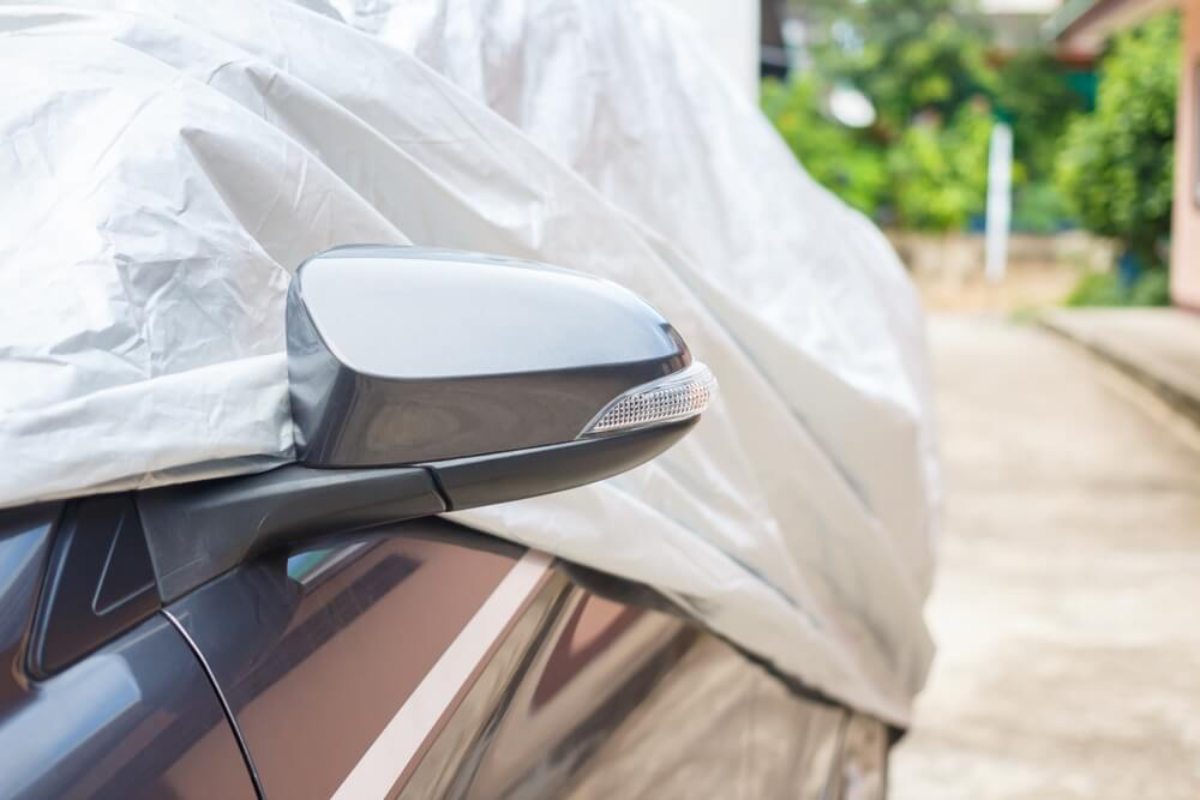
Some insurers, including USAA, offer a suspension, storage endorsement, or reduced-use arrangement for military deployment, extended travel, or seasonal absence. These options are not standardized nationwide and may not reduce the premium to zero or preserve every part of the policy. Ask the insurer in writing what happens to liability, comprehensive, and collision coverage, registration reporting, and the date coverage must be restored.
What if your car is financed or leased?
Why the lender may require collision and comprehensive coverage
A lender or lease company may require comprehensive and collision coverage to protect its financial interest in the vehicle. The Washington Office of the Insurance Commissioner notes that most lenders require this coverage and may purchase their own policy on the borrower’s behalf if the borrower’s policy lapses. This means a financed or leased vehicle may not qualify for comprehensive-only coverage if the contract requires collision as well.

Four questions to ask the lender before changing the policy
- Which coverages must remain active while the vehicle is parked or stored?
- Is a higher deductible allowed, and is there a maximum?
- Is comprehensive-only or storage coverage acceptable under the loan or lease?
- What proof of the policy change must be sent to the lender?
The financing requirement does not disappear because the car is not being driven. Get written confirmation from the lender before changing coverage.
Can you legally cancel insurance on an unused car?
There is no single nationwide answer. Some states tie insurance compliance to registration; others focus on whether the vehicle is operated or parked on public roads. A state may offer a non-use, inactive-registration, planned nonoperation, or plate-surrender procedure, and the exact name and requirements vary. Before ending the policy, follow the proper steps for how to cancel previous auto insurance without creating an unintended lapse.
Registered vehicle vs. non-use status
A DMV non-use status is not the same as storage insurance. Storage coverage is an insurance arrangement handled by a private carrier; planned nonoperation is a registration procedure handled by a state agency.
| Feature | Storage or comprehensive-only coverage | PNO or state DMV non-use status |
|---|---|---|
| Managed by | Private insurance company | DMV or motor-vehicle agency |
| Main purpose | Protect the stored vehicle from selected physical losses | Record that the vehicle will not be operated or kept on public roads |
| Liability coverage | May be suspended or removed | Is not insurance and provides no coverage |
| Can the car be driven? | Usually not, under a comprehensive-only arrangement | Usually not, while the non-use status applies |
California PNO as an example
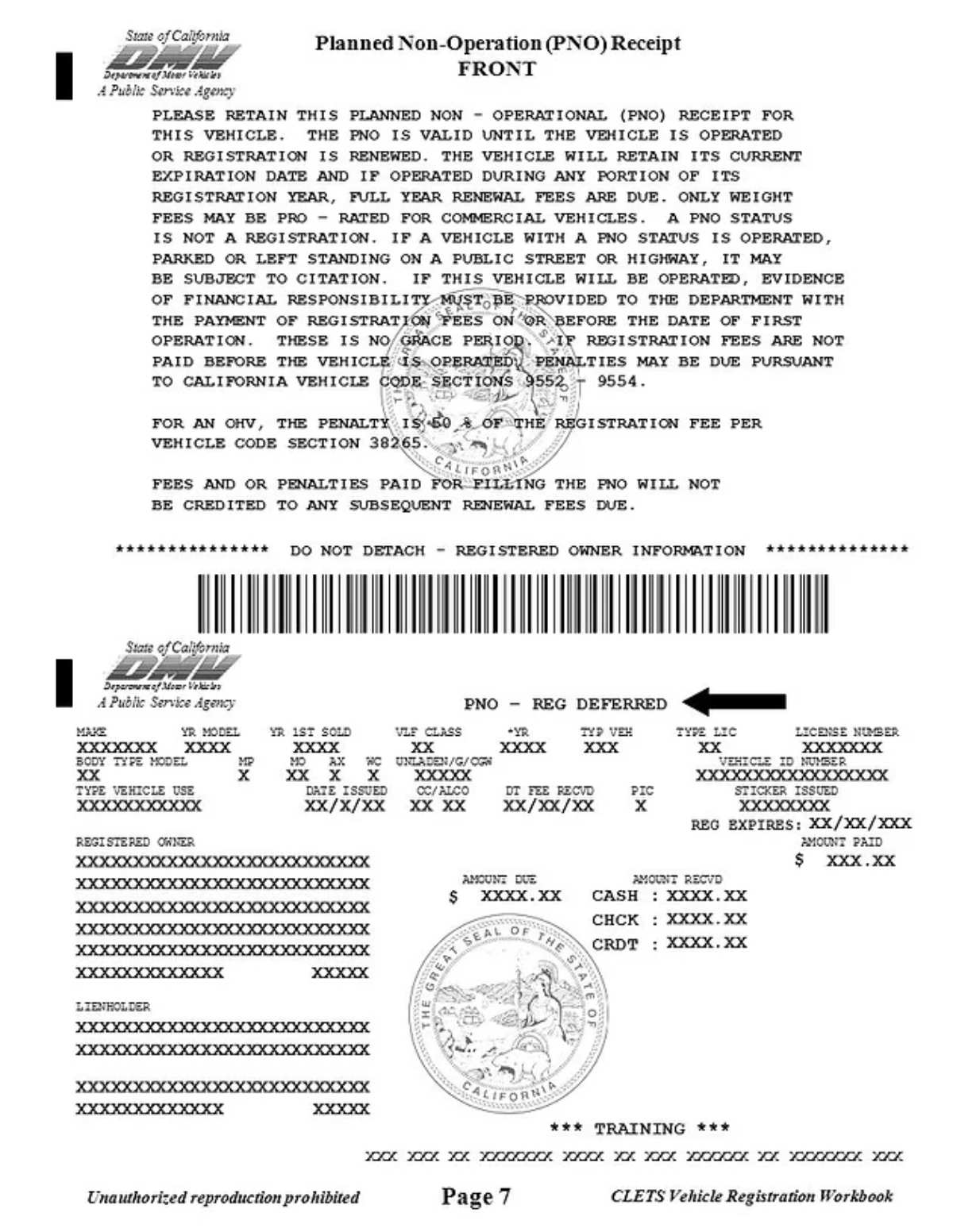
California illustrates why state-specific verification matters. The California DMV requires insurance or another accepted form of financial responsibility for vehicles operated or parked on California roads, and allows an owner not operating or parking a registered vehicle to file an Affidavit of Non-Use before canceling insurance. Planned Nonoperation applies when the vehicle will not be driven, towed, stored, or parked on public roads for the entire registration year. Other states use inactive registration, plate surrender, or an entirely different process.
Why a coverage lapse can create problems
A coverage lapse occurs when required insurance ends before replacement coverage begins, or before a vehicle is properly removed from a state’s insurance and registration requirements. The Washington insurance regulator advises putting replacement coverage in place before canceling an existing policy, since gaps can lead to higher rates. A lapse can also cause registration penalties, lender-placed insurance, or a more complicated application when driving resumes.
Storage insurance vs. non-owner car insurance
Storage insurance suits someone who owns a parked vehicle and needs physical-damage protection. Non-owner insurance suits someone who does not own a vehicle but regularly drives borrowed or rented ones.
| Question | Storage or comprehensive-only coverage | Non-owner insurance |
|---|---|---|
| Who usually needs it? | A person who owns a stored vehicle | A person who does not own a car but drives other vehicles |
| Main protection | Selected physical damage to the stored vehicle | Liability protection for damage or injury caused to others |
| Covers the stored car’s own damage? | May cover it, subject to the policy | Generally not |
| Allows the owned car to be driven? | Usually not, while liability is suspended | Does not make an owned vehicle legal to drive without its own policy |
How much can you save by not driving?
There is no reliable nationwide savings percentage, since the actual cost depends on the vehicle’s value, storage location, deductible, insurer, remaining coverage, lender requirements, and state rules. Insurers weigh the vehicle’s make, model, and value alongside storage location, claims history, and selected coverage; a private, locked garage may carry a different risk profile than an outdoor driveway, but the insurer, not a general rule, decides how much that affects the price.
The lowest monthly quote is not always the lowest overall cost if it leaves the vehicle uninsured against theft or weather damage, violates a lender requirement, or creates a DMV compliance problem later.

What happens when you start driving again?
Restore required liability and physical-damage coverage
Ask the insurer to restore required liability coverage and, where applicable, collision and comprehensive coverage, then confirm the effective date, limits, deductibles, and permitted drivers. Update the garaging address, annual mileage, or primary use before driving resumes.
Verify DMV and registration status
If the vehicle had PNO, non-use, or surrendered plates, confirm the process for returning it to active status with the state agency. Some states require a filing, a fee, an inspection, or a registration renewal before the vehicle can legally return to the road.
Confirm the effective date in writing
Keep the declarations page, insurance ID card, and any DMV receipt on file, and check the vehicle identification number and effective date for accuracy. Do not drive until the insurer confirms required coverage is active and the registration is valid.

RELATED AUTO INSURANCE GUIDES
Auto Insurance
Is gap insurance worth it on a used car?
Auto Insurance
Car insurance for not driving: What coverage do you need?
Auto Insurance
How does insurance determine the value of a totaled car?
Auto Insurance
Agreed Value vs. Stated Value for Classic Cars in Gary, IN