

Plan a long drive around a rested driver, realistic arrival time and places where you can stop safely. These tips for long drives from Auto Insure News cover preparing the car, staying comfortable, managing fuel or charging stops and recognizing when to end the driving day. Leave enough room in the schedule to make those decisions before tiredness or changing conditions force them.
Plan a realistic driving day
Include stops in your arrival time
Add time for meals, rest, fuel or charging, bathroom stops and passengers who need attention to the navigation estimate. Check the route for road closures and construction before leaving.
Choose several suitable places to stop rather than depending on a single rest area. Keep an alternative overnight location in mind if the day runs longer than expected. A reservation or appointment should not become a reason to continue when you need sleep.

Plan shorter days when driving alone
When driving alone, every mile is yours to cover. Choose a daily target that leaves time to stop early, particularly on your first long trip or when traveling unfamiliar roads.
Share the route and expected arrival time with a trusted person. Agree to send updates while parked so a check-in does not become another task behind the wheel.
Start with enough sleep
Most adults need seven to nine hours of sleep each day. Allow for that before departure instead of finishing work, packing late and starting a long drive on a short night.
Choose a departure time that fits your normal sleep schedule. Leaving before dawn to avoid traffic can create a different problem if it cuts your sleep. Drowsy-driving crashes occur especially during the overnight hours from midnight to 6 a.m. and in the late afternoon.
Check prescription and over-the-counter medicine warnings, including allergy, sleep and motion-sickness products. Some medicines can affect driving into the next day, and antihistamines can impair attention even without obvious sleepiness. Ask a pharmacist or clinician about driving restrictions; follow the label and prescribed directions.
Check the car before departure
Inspect tires and resolve maintenance problems
| Item | What to check |
|---|---|
| Tires | Pressure, tread, visible damage and uneven wear; include the spare if the car has one. |
| Fluids and cooling | Check levels and maintenance requirements using the owner’s manual. Have leaks or overheating investigated. |
| Brakes | Address warning lights, unusual noises, pulling or changes in pedal feel before the trip. |
| Visibility | Test lights and wipers, fill washer fluid and clean the windshield and mirrors. |
| Battery and climate system | Investigate starting problems and check that heating, defrosting and air conditioning work. |
| Emergency equipment | Locate the spare, inflator or repair kit and check its instructions and limitations. |
Measure tire pressure when the tires are cold, generally after the car has been parked for at least three hours. Use the vehicle manufacturer’s pressure on the door placard or in the manual, rather than the maximum pressure printed on the tire.
Arrange needed repairs early enough for the shop to complete them. A recurring warning light deserves an explanation before you take the vehicle far from home.
Learn an unfamiliar car’s controls
Find the hazard switch, lights, wipers, defroster and navigation controls while parked. Adjust the seat and mirrors, and understand any driver-assistance features you intend to use.
If you recently bought the vehicle, complete the first checks after buying a new car, including registration, insurance and basic setup, before relying on it for a long trip.
Take breaks about every two hours
Schedule a stop roughly every two hours as a starting point. Stop sooner when you feel tired, uncomfortable or unable to concentrate. Use a rest area, service plaza or other suitable parking location for a routine break.
Park before eating, sorting bags or responding to messages. Walk around and change position to ease the discomfort of sitting. Give passengers time to use the bathroom and settle back into their seats.
Never leave children unattended in a parked vehicle. Arrange passenger and pet care so everyone can take the stop safely.
Stop when drowsiness starts
Warning signs include repeated yawning, difficulty keeping your eyes open, wandering attention, lane drift and trouble remembering the last few miles. Missing familiar road information or hitting a rumble strip calls for an immediate change of plan.
Reach a safe stopping place as soon as you can. Do not wait for the next scheduled break or try to make up time by driving faster.
Caffeine and a short 20-minute nap at a safe stop can improve alertness briefly. Severe sleep loss can still make driving unsafe afterward. If sleepiness continues, switch to a rested, authorized driver, delay departure or end the day’s drive.
If you are turning up the music or opening a window to fight sleepiness, pull into a safe stopping place. Rest before driving again.
Set up a comfortable driving position
Adjust the seat while parked so you can operate the pedals and steering wheel comfortably without stretching or leaning forward. Keep the seat back appropriately upright and wear the belt correctly across your hips and chest.
Keep passengers properly buckled, including those sleeping. Children need the appropriate car seat, booster or seat belt for their age and size.
Check that floor mats are secured and that bottles, bags or charging cables cannot reach the pedals. Keep frequently needed items organized so you can retrieve them at a stop.
Drink water during breaks and eat meals while parked. Choose clothing and shoes that allow comfortable control of the car. If your position becomes uncomfortable, find a safe place to stop and adjust it.
Handle navigation and messages while parked
Load the route, review major junctions and download offline maps before departure. Set audio directions and a playlist, and silence nonessential notifications.
A passenger can manage directions, messages and arrival updates. When driving alone, pull into a suitable parking location before searching for a new destination or changing a complicated route.
If you miss an exit, continue to the next safe opportunity to reroute. Avoid a sudden lane change or stopping in a traffic lane to recover the turn.
Stay attentive when using adaptive cruise control or lane assistance, and follow the vehicle’s operating instructions. Stop for fatigue even if those features are active.
Pack for a delay or breakdown
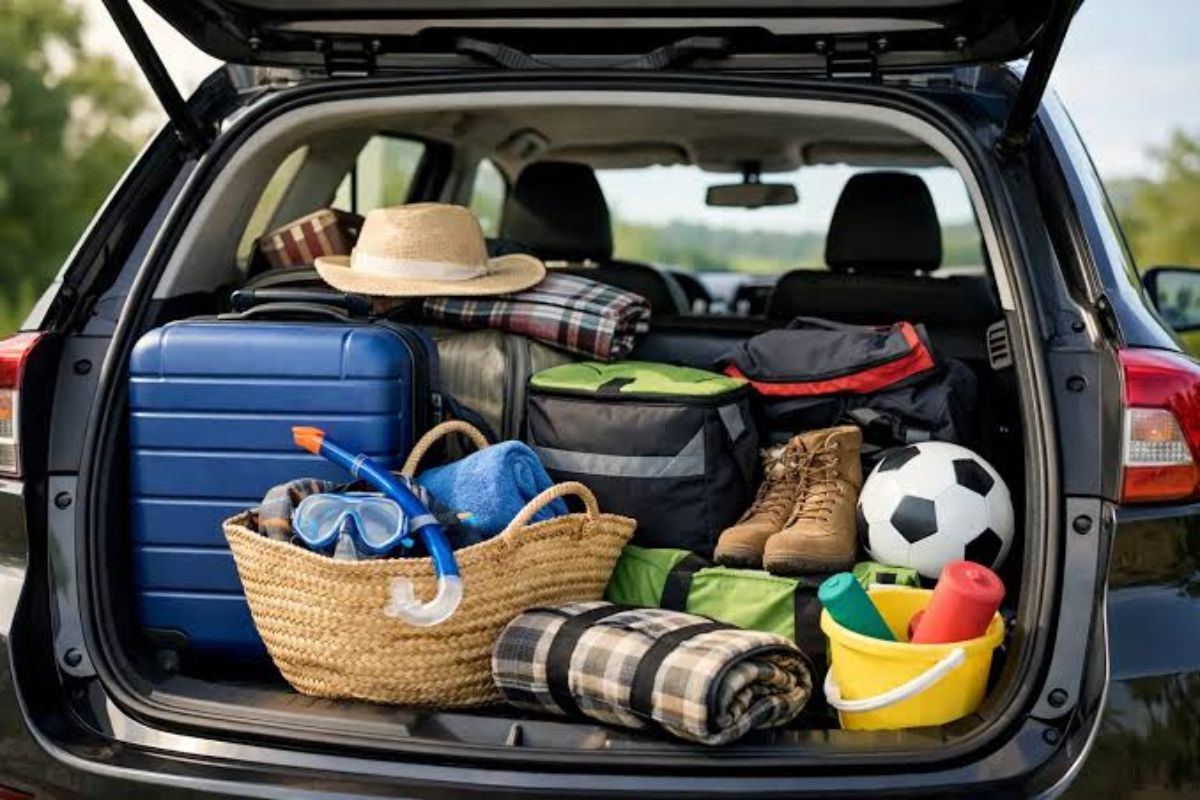
Keep essential supplies accessible without placing loose items around the driver’s feet. A useful roadside kit includes:
- A charged phone, charging cable and backup power source.
- Drinking water, nonperishable food and necessary medicines.
- A flashlight, first-aid supplies and appropriate clothing or blankets.
- A tire-pressure gauge and the vehicle’s supplied emergency equipment.
- Registration, insurance information and roadside-assistance contact details.
Secure luggage, with heavier items low down, and keep the driver’s view clear. Check the vehicle’s loading limits before filling the cabin, trunk or roof carrier. Passengers and cargo count toward the load.
Think about access after a problem occurs. Burying the spare or emergency kit beneath every suitcase makes a roadside stop harder to manage.
Plan fuel and charging stops
Look for fuel opportunities before entering a remote stretch. Build a margin for a closed station, a detour or an unexpectedly long queue.
For an EV, use the vehicle’s trip-planning guidance and check the charging operator’s current information. Confirm connector compatibility, access hours and payment arrangements. Identify a backup charging location rather than arriving with only one workable option.
Charging time depends on the vehicle, battery state and charging equipment. Leave room for waiting as well as charging. A stop can also cover a meal or rest break when the location is suitable, but do not let the charging schedule determine whether a sleepy driver continues.
Adjust for darkness and bad weather
Allow more time on rural roads after dark
Reduce speed when visibility is limited and leave enough distance to respond to a stopped vehicle, an animal or an unexpected bend. Unfamiliar roads deserve extra time.
Watch for animal activity, particularly around dawn and dusk. Avoid an abrupt swerve into another lane. After a collision with a deer, stop in a safe place, check for injuries and keep away from the injured animal.
Reassess the route when conditions worsen
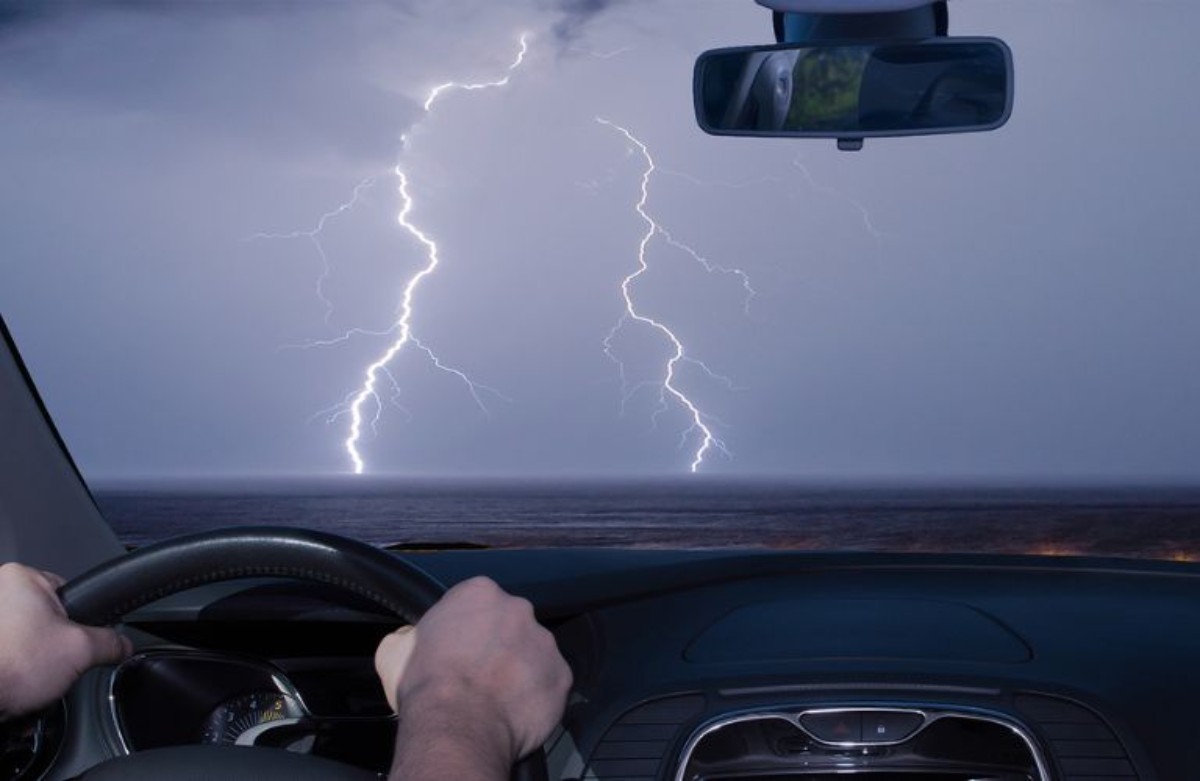
Check forecasts and road-condition updates for the places you will reach later, not only your starting point. Slow down and increase following distance as conditions require.
Snow or freezing conditions can require a different route, a later departure or an overnight stop. Review driving techniques for icy roads before entering winter conditions. Avoid cruise control on slippery roads, and never enter a flooded roadway.
Agree on driver changes before leaving
Identify who can take a turn at the wheel and where you can stop for the handover. Both drivers need enough sleep. A passenger who has stayed awake all night needs sleep before taking over.
Before the trip, confirm which drivers the car’s insurance covers, including any listed-driver or exclusion issues. Give an unfamiliar driver time to adjust the seat, mirrors and controls before moving.
For a rental, check authorized-driver requirements in the rental agreement and how your insurance applies to a rental car before departure. Keep the rental company’s breakdown instructions with the vehicle documents.
Respond safely to roadside problems
Use hazard lights and move out of traffic if the vehicle can be moved safely. If it is immobilized in a live lane or people are in immediate danger, call 911 and describe the location and hazards.
Give roadside assistance the road name, direction of travel, nearest exit or mile marker and a description of the car. Confirm the destination if a tow is arranged.
Whether it is safer to remain inside or leave depends on traffic, fire and other hazards, and whether a safe exit is available. Follow emergency-dispatch instructions. Keep your seat belt on if waiting inside, and avoid standing directly in front of or behind the stopped vehicle.
Do not attempt a tire change beside a live traffic lane. Get professional help when the location or vehicle condition makes roadside work unsafe.
Know when to shorten the driving day
Use these conditions as reasons to reassess the day’s destination:
| What changes | How to respond |
|---|---|
| Drowsiness continues after a stop | Use a rested, authorized driver or stop for sufficient sleep. |
| The backup driver is also tired | Arrange a longer rest or overnight stay rather than rotating two sleepy drivers. |
| A delay pushes driving into your usual sleep hours | Reassess the remaining route and where to end the day. |
| Visibility or road conditions deteriorate | Reduce speed, follow official restrictions and stop somewhere suitable if safe progress is no longer possible. |
| A vehicle problem affects safe operation | Reach a safe stopping place if possible and arrange assistance. |
If plans change, send the new arrival time from a safe stop and update any overnight arrangements.

RELATED AUTO INSURANCE GUIDES
Auto Insurance
Is Bundling Home and Auto Insurance Worth It?
Safety & Driving
Tips for long drives: Stay Alert and Travel Comfortably
Safety & Driving
How to take care of a car: A beginner’s maintenance guide
Safety & Driving
Distracted driving in trucking: risks, rules and prevention