

A check-engine light, a car that will not start, or an unusual smell coming from the engine bay may be the first sign that mice, rats, or squirrels have damaged a vehicle. Rodents can chew through wiring, hoses, insulation, and other components, sometimes causing repair bills that are far more expensive than the visible damage suggests.
Whether an auto insurance policy will pay for those repairs depends on the coverage in effect, the cause and timing of the damage, and the policy’s exclusions. Auto Insure News explains how insurers in the United States typically handle rodent damage, which repairs may qualify for coverage, when a claim may be denied, and what drivers should do after discovering a problem.
Which type of auto insurance may cover rodent damage?
Comprehensive coverage is the type of auto insurance most likely to cover rodent damage to your vehicle. Sometimes listed as “other than collision” coverage, it may pay for damage caused by mice, rats, squirrels, or other animals, subject to your policy terms and exclusions.
Liability coverage does not pay for damage to your own car, while collision coverage generally applies only to crashes. Comprehensive coverage may also apply to other non-collision losses, including theft, fire, vandalism, falling objects, and hail. Learn more about whether auto insurance covers hail damage and which coverage typically applies.
Rodent damage is not automatically covered under every policy. The outcome can depend on specific policy wording, pest or vermin exclusions, the deductible, and whether the insurer considers the damage sudden or gradual.
| Coverage type | What it generally pays for | Rodent damage to your own car |
|---|---|---|
| Liability | Injury or property damage you cause to others | No |
| Collision | Damage caused by hitting another vehicle or object | Generally no |
| Comprehensive | Covered non-collision damage to your vehicle | Often, subject to policy terms |
Comprehensive coverage is optional under state law, but lenders and leasing companies usually require it while a loan or lease remains active. Drivers who own their vehicle outright may choose to remove it, but doing so generally removes the main auto insurance protection that could apply to rodent damage.
What rodent damage does comprehensive cover?
Comprehensive coverage doesn’t treat rodent damage as one single event; instead, it responds to the specific components a mouse, rat, or squirrel actually damages. Reviewing the most common damage types makes it easier to recognize a rodent-related problem early, before it spreads to more expensive systems.
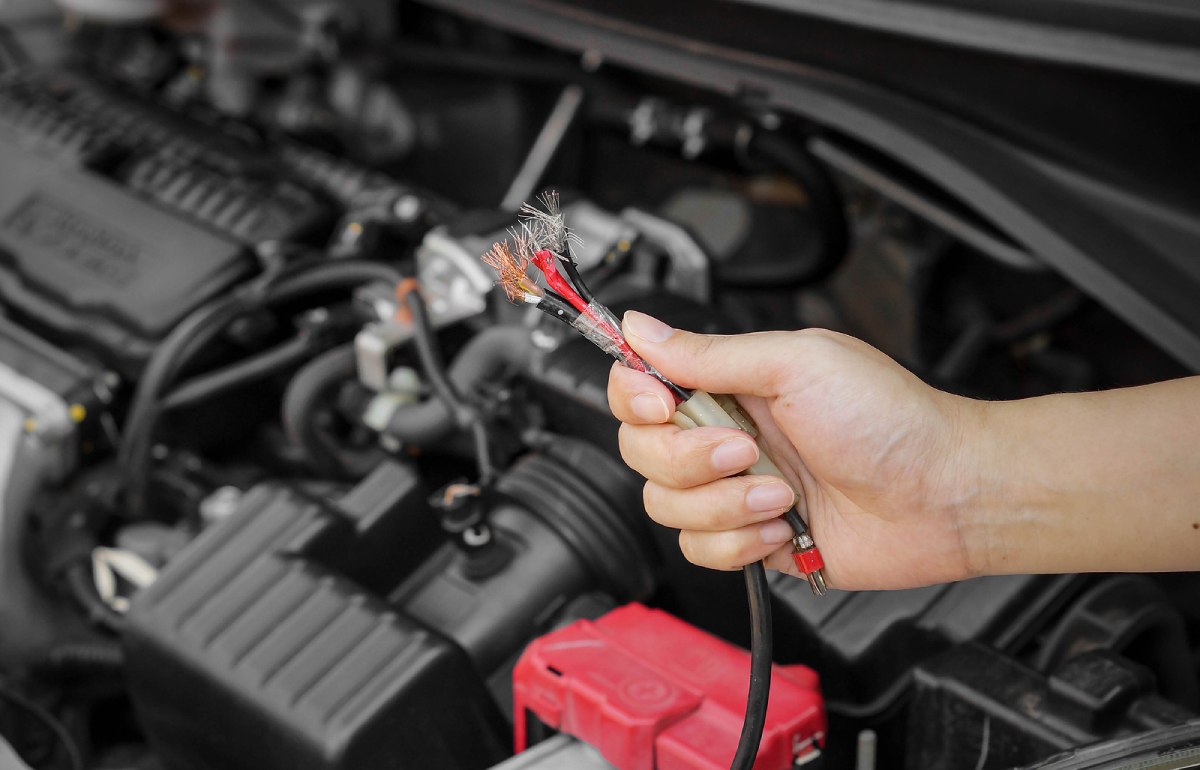
Chewed wiring, cables, and electrical systems. Electrical wiring is one of the most commonly reported and potentially expensive forms of rodent damage. A rodent’s teeth grow continuously throughout its life, so gnawing on wiring insulation is instinctive rather than incidental. The resulting damage can disable sensors, trigger dashboard warning lights, or, in more severe cases, prevent the ignition system from functioning at all.
Hoses, fuel lines, and belts. Rubber and plastic components near the engine, such as fuel lines, coolant hoses, and drive belts, are similarly vulnerable. Damage here tends to surface as a performance issue, such as rough idling or a coolant leak, rather than an obvious visual clue.
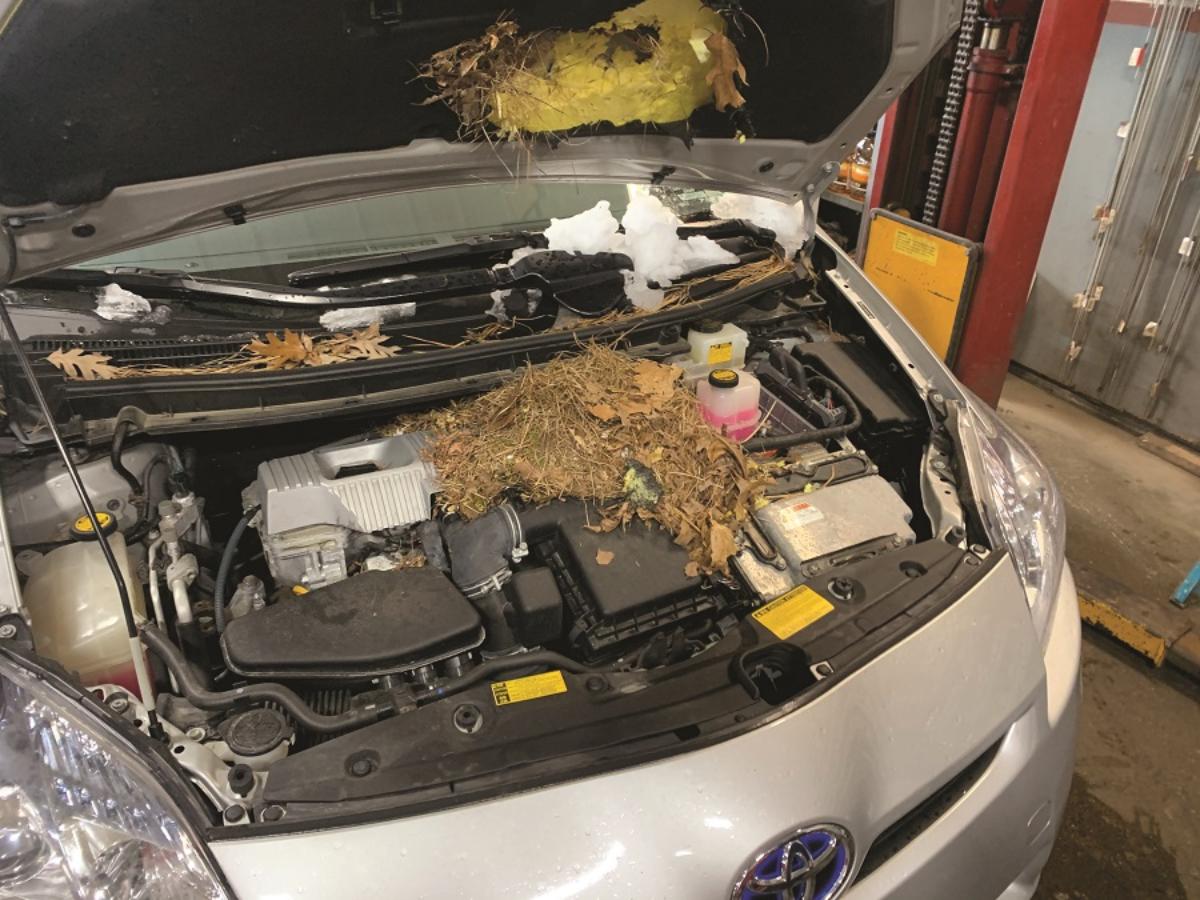
Nesting damage in the engine bay. Rodents frequently build nests using insulation, leaves, or shredded material inside the air filter housing or near the battery. Beyond the direct material damage, an accumulated nest can restrict airflow to the engine or, in rare cases, create a fire risk if it sits too close to a heat source.
Interior and upholstery damage. Less commonly, rodents make their way into the cabin itself and damage seats, carpeting, or wiring tucked behind the dashboard while seeking shelter from cold weather.
Warning signs worth checking for: an illuminated check-engine, ABS, or airbag light; a burning or musty odor from the vents; visible droppings or shredded material near the engine; or a car that cranks but struggles to start.
Example: a driver who leaves a car parked for two weeks during a vacation returns to find the engine won’t turn over. A mechanic traces the fault to a chewed section of the main wiring harness. This type of loss may qualify for a comprehensive claim if the policy covers rodent damage and the mechanic’s report clearly identifies rodent activity as the cause.
When rodent damage may not be covered?
Comprehensive coverage is broad, but policy exclusions, timing issues, and the condition of the vehicle can affect whether a rodent damage claim is approved.
Your policy does not include comprehensive coverage. Liability insurance does not repair damage to your own vehicle, and collision coverage generally applies only to crashes. If your policy does not include comprehensive coverage, rodent damage is usually an out-of-pocket repair.
The policy excludes damage caused by pests or rodents. Some policies may include exclusions for insects, vermin, pests, or rodents. Review the exclusions section rather than assuming every form of animal damage is covered.
The damage is considered gradual or maintenance-related. A claim may be disputed if the insurer determines that the damage developed gradually, resulted from poor maintenance, continued after the owner became aware of the problem, or falls under a specific pest exclusion. The outcome depends on the policy language and the evidence showing when and how the damage occurred.
The damage occurred before coverage started. Comprehensive coverage must generally be in effect at the time the damage occurs. Adding coverage after discovering chewed wiring will not retroactively pay for existing damage.
Personal belongings inside the vehicle. Auto insurance generally does not cover personal belongings damaged inside a car. Homeowners or renters insurance may cover some personal-property losses, but rodent and pest damage is commonly excluded under those policies as well. Check the applicable policy before assuming reimbursement is available.
Does a car warranty cover rodent damage? Standard manufacturer warranties generally cover defects in materials or workmanship, not external damage caused by rodents. Some extended service contracts or manufacturer assistance programs may differ, so review the applicable warranty or service agreement before assuming the repair is excluded.
Why rodents chew vehicle wiring?
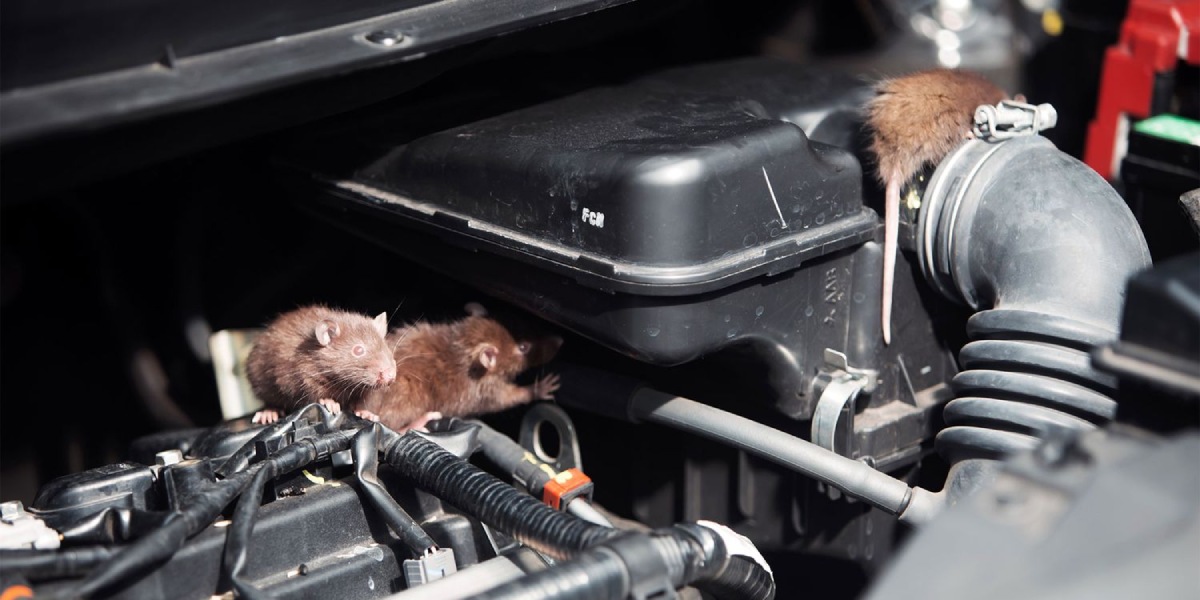
Rodents gnaw on many materials to control the continued growth of their teeth and to clear space for nesting. A sheltered engine bay gives them access to wiring, insulation, hoses, filters, and other materials that can be damaged through chewing or nesting.
Plant-derived and soy-based wire coatings are frequently blamed for attracting rodents, but there is no clear industry-wide evidence showing that these materials are the sole or primary cause. Rodents also damage conventional plastics, rubber, insulation, and other materials.
Rodent damage involving high-voltage wiring in an electric or hybrid vehicle may require specialized handling and can be more expensive to repair than damage to a basic low-voltage wire.
What to do after discovering rodent damage and how to file a claim
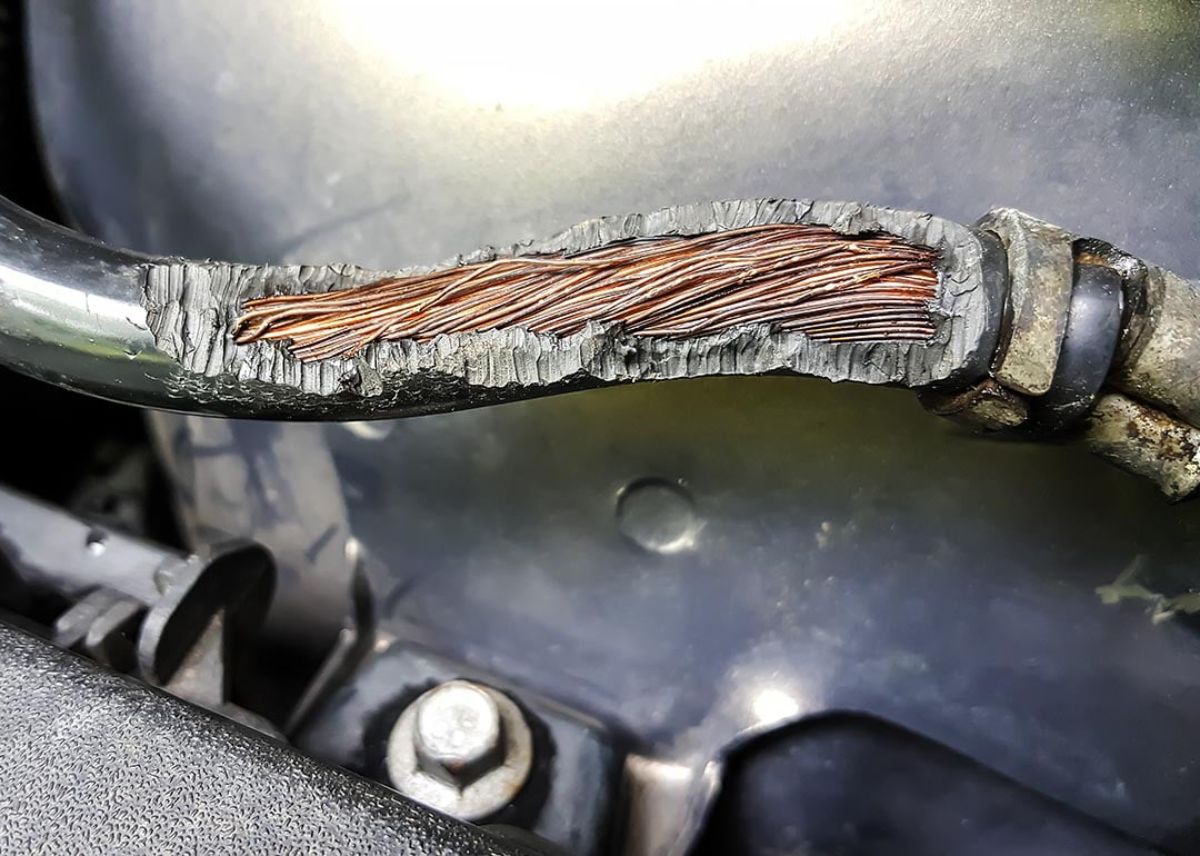
Rodent damage can worsen quickly, especially when wiring, hoses, fuel lines, or high-voltage components are involved. A properly documented auto insurance claim should include clear photos, a mechanic’s written diagnosis, repair estimates, and evidence connecting the damage to rodent activity. Once you notice signs of activity, avoid unnecessary driving, document the problem, and follow these steps.
- Check whether the vehicle is safe to operate. Do not start or drive the car if you see damaged wiring, fuel lines, leaking fluids, or exposed high-voltage components.
- Document all visible evidence. Take clear photos and videos of chewed wires, nests, droppings, shredded insulation, damaged hoses, warning lights, and debris before anything is cleaned or repaired.
- Get a written diagnosis and repair estimate. Ask a qualified mechanic to identify the damaged components and state whether rodent activity appears to be the cause.
- Contact your insurer promptly. Report the damage and follow the notice, inspection, and documentation requirements stated in your policy.
- Avoid permanent repairs until the insurer gives instructions. Emergency work may be necessary to prevent further damage or make the vehicle safe, but keep all receipts and damaged components the insurer may want to inspect.
- Work with the claims adjuster. The insurer may inspect the vehicle, request additional photos, review the mechanic’s report, or approve a repair estimate.
- Compare the expected payout with your deductible. Filing usually makes more financial sense when the covered repair estimate is meaningfully higher than your comprehensive deductible.
- Keep all claim and repair records. Save estimates, invoices, receipts, photos, emails, and other paperwork related to the loss.
- Take preventive steps after repairs. Remove food and nesting material, clean the parking area, inspect the vehicle regularly, and address rodent access around the garage or storage space.
Will filing a rodent damage claim raise my premium?
A rodent damage claim is generally handled as a comprehensive claim rather than an at-fault collision. However, that does not guarantee your premium will remain unchanged. The effect depends on your insurer, state rules, claim amount, regional loss experience, and broader claims history. A single claim may have little or no direct effect, while repeated comprehensive claims can affect pricing or renewal decisions. If your insurer later sends a cancellation or non-renewal notice, review can my car insurance company cancel my policy to understand the difference and your available options.
If your renewal premium increases after a rodent damage claim, review how to get auto insurance quotes and compare insurers using the same comprehensive deductible, liability limits, vehicle details, and coverage options.
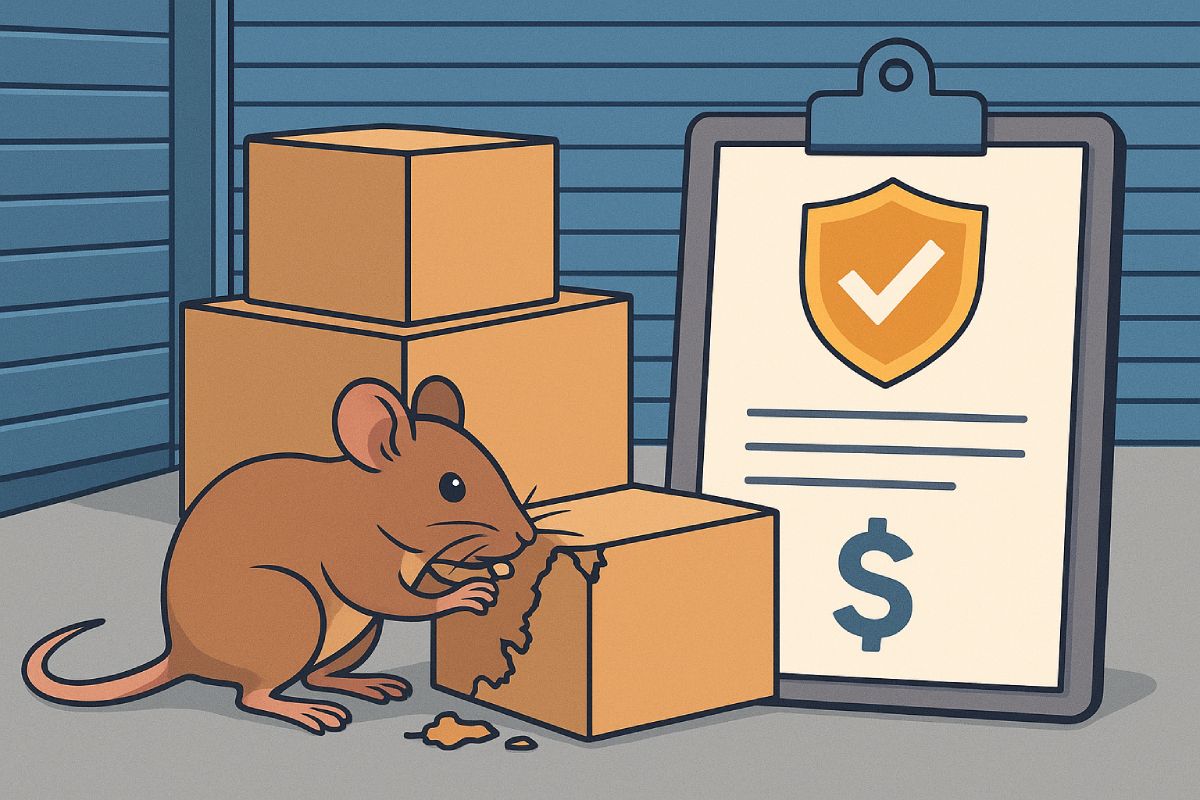
How to prevent rodent damage to your car
Prevention costs considerably less than repair, and combining a few reliable strategies is more effective than relying on any single deterrent. The approaches below reflect what mechanics and pest-control professionals actually recommend, rather than popular but unproven home remedies.
Parking and storage strategies. Parking in a clean, enclosed garage can reduce exposure, but it does not eliminate the risk if rodents can enter the building. Keep the area free of food, nesting material, wood piles, and unnecessary clutter.
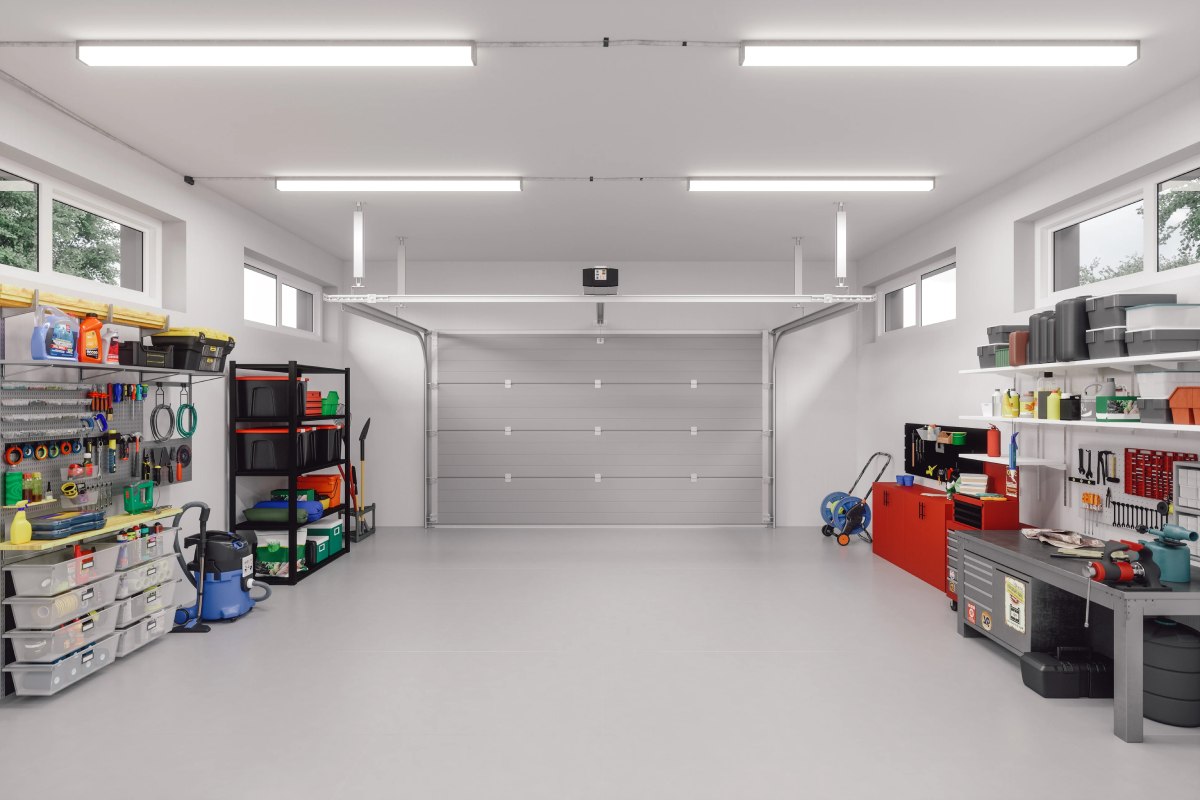
Deterrents that actually work. Popular home remedies such as dryer sheets, peppermint oil, and ultrasonic devices have little documented field evidence supporting their effectiveness, despite how often they’re recommended online. Seal openings in the garage or storage building with appropriate metal mesh, caulk, or other rodent-resistant materials. Do not block vehicle vents, drains, air intakes, wiring paths, or moving components without guidance from a qualified mechanic.
A simple inspection checklist. Checking the engine bay, air filter housing, and the area under the seats every few weeks makes it considerably easier to catch nesting activity before it causes expensive damage. This is especially worth building into a routine for any vehicle that sits unused for days at a time.
If a rodent problem extends beyond the vehicle into a garage or home, the CDC recommends traditional snap traps to help reduce rodent populations. Keep traps and bait out of reach of children and pets, and follow the manufacturer’s instructions when setting and disposing of traps.
How much can rodent damage repair cost?
Repair costs for rodent damage vary considerably depending on which components were affected and how long the damage went unnoticed before a repair. The illustrative ranges below can help set general expectations before a shop provides a vehicle-specific estimate.
| Damage Severity | Illustrative repair range |
|---|---|
| Minor (a few chewed wires) | $200–$500 |
| Moderate (sensor or harness sections) | $1,000–$5,000 |
| Severe (full wiring harness or control module) | Can exceed $10,000 in extreme cases |
These figures are illustrative estimates, not national averages. Actual repair costs depend on the vehicle, local labor rates, parts availability, the systems affected, and whether individual wires can be repaired or an entire wiring harness must be replaced.
Several factors can push repairs toward the higher end of these ranges, including complex wiring systems, expensive replacement components, damage to engine-management or fuel-injection systems, and high-voltage cable work that requires specialized technicians. A vehicle left unused for an extended period may also sustain more extensive damage before the problem is discovered.

RELATED AUTO INSURANCE GUIDES
Auto Insurance
How does insurance determine the value of a totaled car?
Auto Insurance
Agreed Value vs. Stated Value for Classic Cars in Gary, IN
Safety & Driving
Rules of the road Indiana: Essential driving laws and safety rules
Auto Insurance
Commercial insurance for Uber Black: requirements & costs