

According to a 2025 study by the Insurance Research Council (IRC) cited by Triple-I, an estimated 15.4% of drivers were uninsured in 2023. That’s roughly 1 in 7 drivers on the road. Whether you forgot to renew your policy, couldn’t afford coverage, or simply didn’t think you needed it, the consequences of being in an accident without insurance can be severe and long-lasting.
In this guide, Auto Insure News walks you through everything that happens after an uninsured accident: the legal penalties, the financial risks, the impact on your driving record, and the steps you should take to protect yourself.
What happens if you have a car accident without insurance?
If you are the at-fault driver and you have no auto insurance policy, there is no liability insurer stepping in to pay covered claims or defend you under a policy. The financial responsibility for the damage you caused can fall directly on you.
This is where the consequences of driving uninsured become very real. Vehicle repairs are only part of the exposure. An accident can also involve medical bills, lost income, legal claims, and state penalties.
You are personally liable for all damages
When you cause an accident without insurance, the injured party can hold you personally liable for losses such as:
- Medical bills. This can include hospital stays, surgeries, rehabilitation, and ongoing treatment.
- Lost income. If the other driver or their passengers cannot work due to their injuries, lost wages may be included in the claim.
- Property damage. You may have to pay to repair or replace the other driver’s vehicle and other property damaged in the crash.
- Pain and suffering. Depending on state law and the circumstances of the accident, non-economic damages may also be recoverable.
The total can grow quickly when a crash involves significant injuries or multiple vehicles. That is why the real risk of driving uninsured is much larger than simply receiving a ticket for not having coverage.
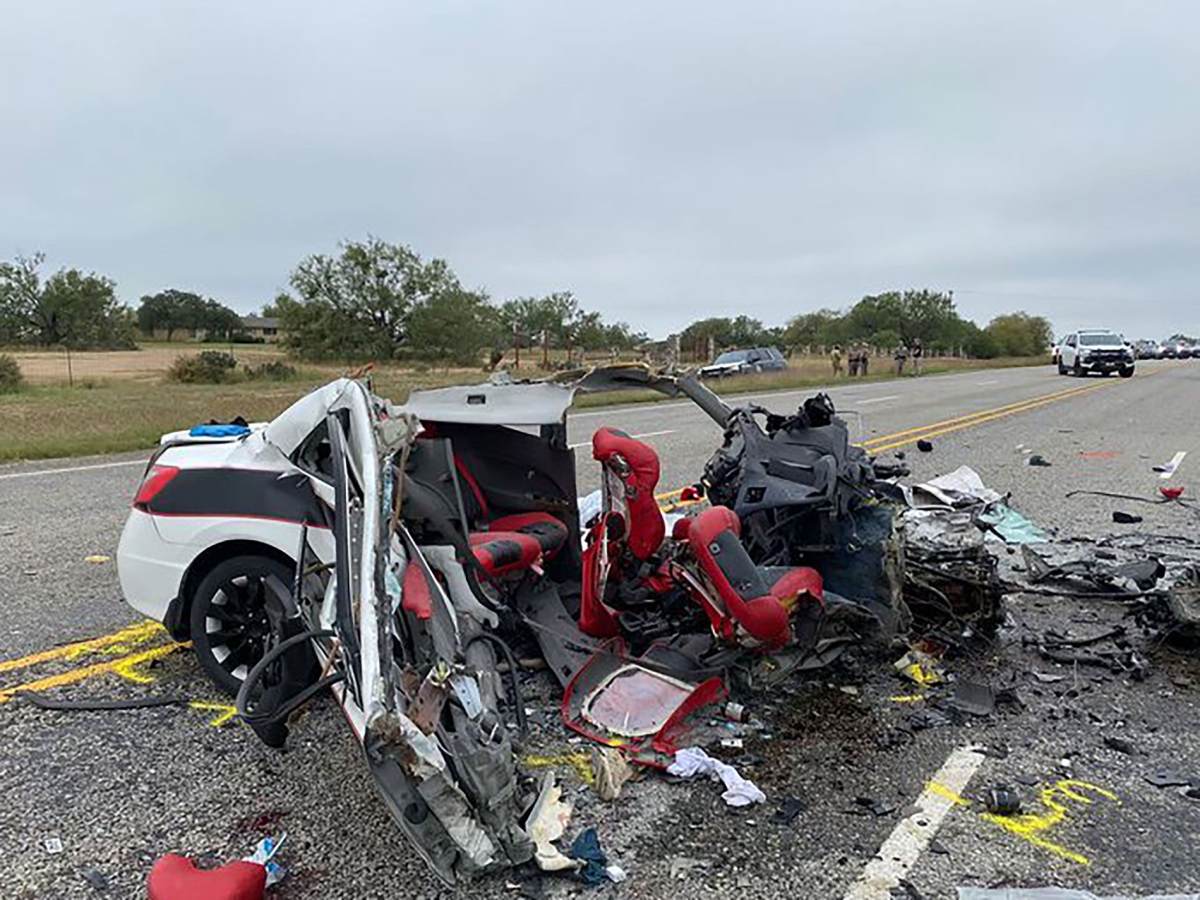
You can be sued personally
The other driver has the right to pursue you in civil court to recover losses that are legally compensable. If a court rules in their favor, a judgment can create financial consequences that continue long after the accident itself.
- Wage garnishment. A portion of your earnings may be taken to satisfy a judgment where state law allows it.
- Bank account levies. Funds in eligible accounts may be subject to collection.
- Property liens. A legal claim may be placed against certain property or assets.
In the case of a serious accident, the financial impact can extend far beyond the cost of repairing two vehicles. That is the central problem with driving uninsured: you are taking on a liability that would normally be transferred, at least in part, to an insurer.
Legal penalties from the state
The civil cost of an accident and the penalty for driving uninsured are two separate issues. Even before responsibility for the crash is resolved, the state may impose penalties simply because the required insurance was not in force. This is why many drivers ask why is it illegal to not have car insurance.
Penalties vary significantly by state, but common consequences can include:
- Fines. The amount depends on the state and whether it is a first or repeat offense.
- Driver’s license suspension. Some states suspend driving privileges until insurance requirements and reinstatement conditions are satisfied.
- Vehicle registration suspension. Registration can be suspended, or the vehicle may be subject to additional restrictions.
- More serious penalties for repeat violations. Drivers with repeated uninsured-driving offenses can face substantially tougher consequences.
What happens if you weren’t at fault but had no insurance
Being the innocent party in a car accident is hard enough. Being the innocent party without insurance adds another legal problem. In states that require you to maintain coverage, being free from fault for the crash does not automatically erase the separate violation of driving uninsured.
This is one of the most misunderstood aspects of uninsured driving. Your insurance status and responsibility for causing the accident are separate questions; readers who are comparing fault rules can also review what does no fault insurance mean.
You can still face fines and license suspension
If authorities discover during the accident investigation that required insurance was not in force, you may still face the penalties that apply in your state. The fact that another driver caused the crash does not necessarily eliminate those consequences.
“No pay, no play” laws can block your recovery
This is a critical issue that many drivers are unaware of. Some states have enacted “No Pay, No Play” laws that limit an uninsured driver’s ability to recover certain damages even when another driver caused the accident.
California is the best-known example, with its Proposition 213 limiting uninsured drivers’ ability to recover non-economic damages in covered situations. Other states handle uninsured-driver recovery differently, which is why the law in the state where the accident occurs matters.
The practical result is uncomfortable but important: being completely innocent in the crash does not always mean an uninsured driver can recover every category of loss that an insured driver could pursue.
Your recovery depends on the other driver’s coverage
If the at-fault driver has insurance, their policy may still provide a source of recovery for your injuries or vehicle damage. The problem becomes much more difficult if that driver is also uninsured, carries limits that are too low, or disputes responsibility for the accident.
For drivers concerned about this risk, Uninsured Motorist (UM) coverage is one of the most direct policy-level protections available. A state-specific question worth checking is is uninsured motorist coverage required in georgia.
Legal penalties by state – what you’re really facing
The consequences of uninsured driving are not uniform across the country. States set their own insurance requirements, fines, suspension rules, reinstatement procedures, and repeat-offense penalties. That state-by-state variation also informs the debate over should car insurance be mandatory.
Instead of assuming one national penalty applies everywhere, think about the consequences in four categories:
- Financial penalties: Fines and reinstatement costs can increase for repeat offenses.
- Driving privileges: A license may be suspended until specific conditions are met.
- Vehicle registration: Registration can also be suspended or restricted.
- Future insurance requirements: Some drivers may later need proof of financial responsibility before driving privileges are fully restored.
The exact numbers matter less than the pattern: an uninsured accident can create costs at several levels at once. You may be dealing with the accident itself, state penalties, reinstatement requirements, and a more expensive insurance market afterward.
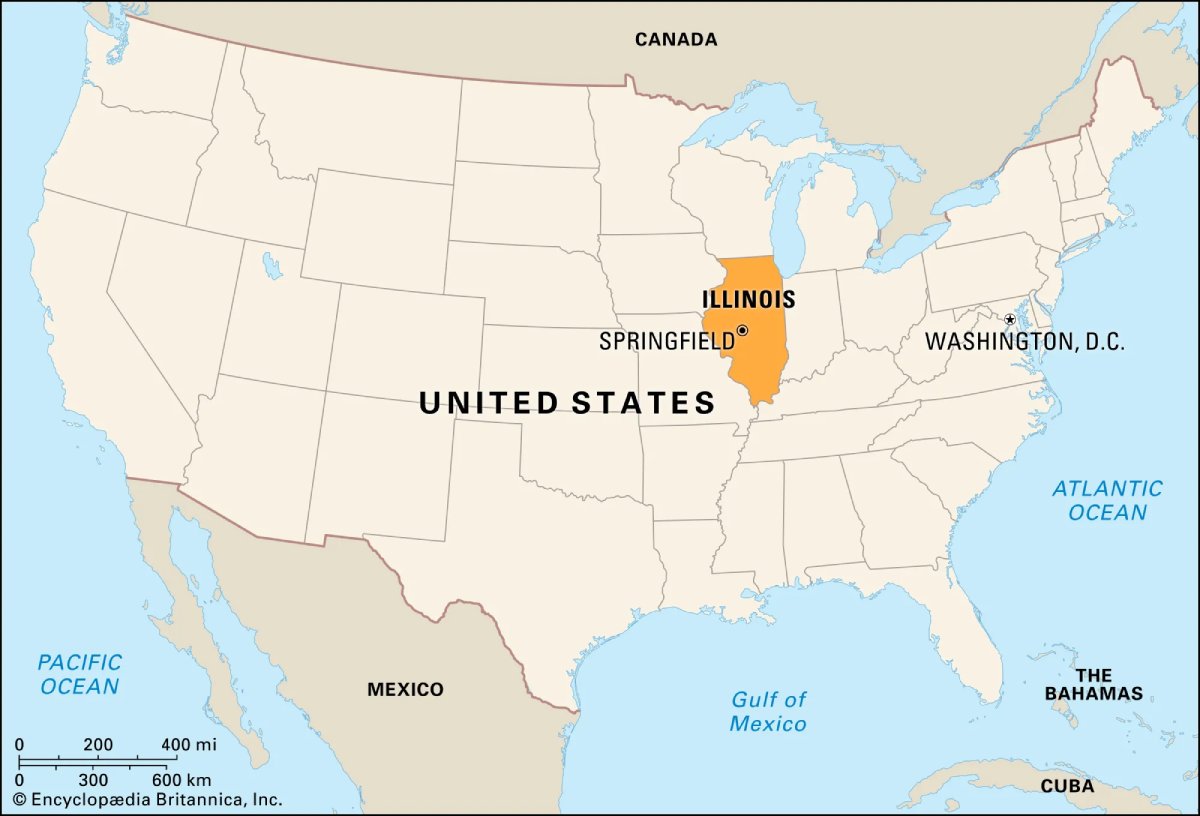
- Illinois applies fines and license-related consequences for driving without required coverage.
- Texas also penalizes uninsured driving, with consequences that can become more serious after repeated violations.
- Mississippi can impose fines and license-related penalties depending on the circumstances and offense history.
- California combines its own uninsured-driving penalties with rules that can also affect an uninsured driver’s ability to recover certain damages after a crash.
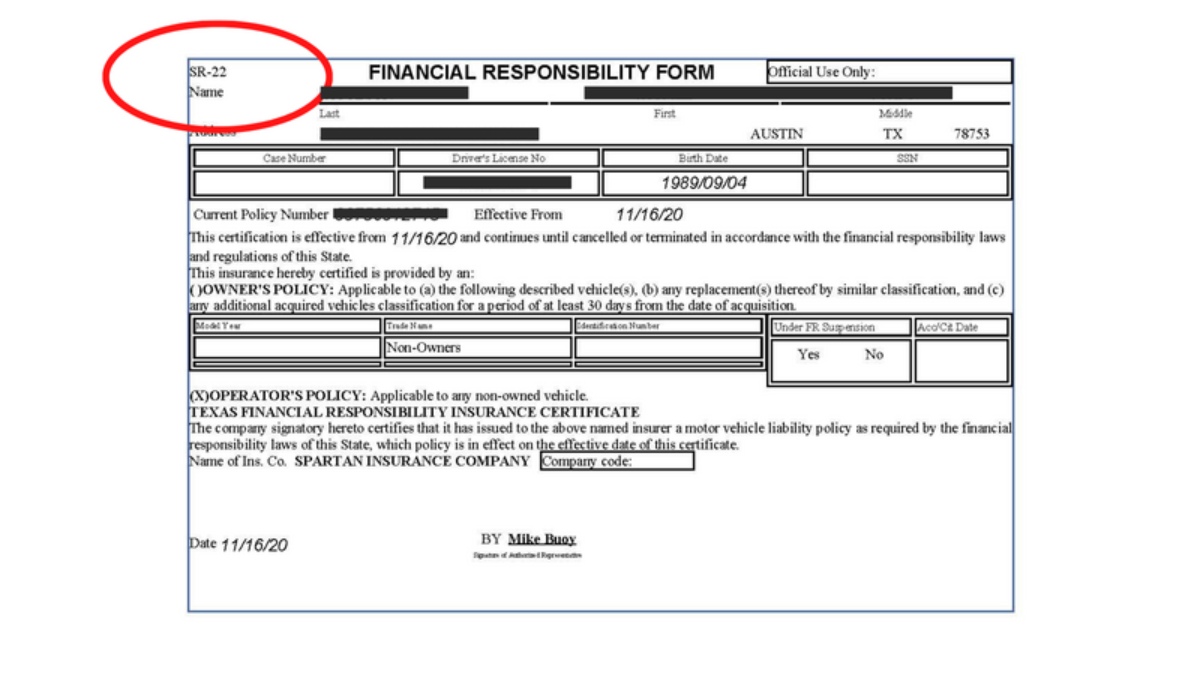
The SR-22 requirement – what it is and why it matters
After an uninsured-driving violation or certain serious driving events, your state may require an SR-22 certificate before your driving privileges are fully restored. The SR-22 trips up many drivers because it is widely misunderstood.
An SR-22 is not an insurance policy. It is a certificate of financial responsibility that an insurance company files with the state on your behalf to show that you carry the required liability coverage. For a concise sr22 definition, remember that the filing proves you have the required coverage.
Think of it as proof that the state can monitor. If the qualifying policy lapses, the insurer may be required to notify the state.
When is an SR-22 required?
Depending on your state, an SR-22 may be required after events such as:
- Being involved in an accident while uninsured
- Being convicted of driving without insurance
- A DUI or DWI offense (including questions such as is dui or dwi worse), depending on how your state defines impaired-driving offenses
- Serious or repeated driving violations
- License suspension or revocation
How long the filing must remain in place depends on the state and the reason it was required. The important point is continuity: allowing the underlying insurance policy to lapse can create additional problems with your driving privileges and filing requirements.
How much does SR-22 cost?
The filing itself is usually not the part that hurts most financially. The bigger issue is the insurance premium for a driver who may now have an uninsured-driving violation, an accident, a suspension, a DUI, or another high-risk event on their record. Many drivers also want to know how long does a dui stay on your insurance after a conviction.
That means two drivers who both need an SR-22 can receive very different premiums. State, violation type, driving history, vehicle, coverage limits, age, and insurer can all change the result.
When it comes to auto insurance, the SR-22 filing fee should not be the primary factor when comparing policies. A more important metric is the total premium required to maintain a policy that meets SR-22 requirements. When shopping for SR-22 insurance, compare quotes based on identical liability limits, deductibles, vehicle details, and driver information; then, verify that the insurance company can properly file the SR-22 with your state’s authorities. The filing fee usually represents only a small fraction of the total cost; factors such as your driving record, violation history, place of residence, vehicle type, and coverage scope typically have a much greater impact on the actual amount you pay. Regulations vary by state, so always check the filing deadlines and minimum coverage requirements applicable to your location.
States that don’t use SR-22
Not every state handles proof of financial responsibility in exactly the same way. Some use different forms or procedures, and requirements can also depend on the violation involved. If your license has been suspended or you have been told to provide proof of financial responsibility, confirm the exact filing required by your state’s motor vehicle or insurance authority rather than assuming an SR-22 is always the correct form.
How an uninsured accident affects your future insurance costs
Even after you get your license back and secure a new policy, the financial effects of driving without insurance can continue. From an insurer’s perspective, an accident combined with a coverage lapse or uninsured-driving violation can materially change your risk profile.
Your accident history, driving record, insurance history, location, and other risk characteristics can all influence how your car insurance rate is calculated. Here is what to expect:
- Higher premiums. A serious violation, accident, or lapse can affect pricing for multiple policy periods.
- Fewer carrier options. Some standard insurers may decline a driver whose recent record falls outside their underwriting guidelines.
- More difficult reinstatement. If a previous policy lapsed, returning to continuous coverage may involve additional requirements or higher initial pricing.
The key number to watch is not just the first quote after the accident. Compare the total cost of maintaining continuous coverage over the next several renewal periods, because rebuilding a cleaner insurance history takes time.

Steps to take immediately after an uninsured accident
If you find yourself in an accident without insurance, the steps you take in the first hours matter enormously. You cannot undo the lack of coverage after a crash has already happened, but you can avoid making the situation worse.
Follow these steps immediately:
- Stay at the scene. Leaving the scene can create a separate and much more serious legal problem.
- Check for injuries. Call 911 immediately if anyone is hurt. Emergency services take priority over everything else.
- Call the police when required or appropriate. A police report can create an important record of what happened.
- Exchange information. Get the other driver’s name, contact details, license plate, and insurance information.
- Document everything. Take photos of both vehicles, the road conditions, and any visible injuries. If coverage is available through your own UM policy or the other driver’s insurer, follow the proper how to claim vehicle insurance process after an accident so your photos, police report, repair estimates, and other records are organized from the start.
- Do not make unnecessary statements about fault at the scene. Cooperate with authorities and provide accurate facts, but let the investigation and applicable law determine responsibility.
- Consider legal advice when the exposure is significant. Serious injuries, disputed fault, or large property losses can make professional guidance especially important.
What to do after an accident – getting insured right away
One of the most important things you can do after an uninsured accident is get proper coverage back in place and keep it active. New insurance will not retroactively cover the accident that already happened, but restoring continuous coverage can prevent another uninsured-driving problem.
Here is a practical action plan:
- Get quotes from multiple insurers. Compare offers using the same liability limits, deductibles, vehicle information, and driver details so you can judge them consistently, even if you are now considered a high-risk driver.
- Ask about SR-22 filing. If required by your state, confirm that your chosen insurer can complete the filing.
- Choose coverage deliberately. Meeting the state minimum may make you legal to drive, but higher liability limits and UM/UIM coverage can provide substantially more financial protection. For damage to your own vehicle, collision insurance coverage is a separate consideration.
- Set up automatic payments or reliable reminders. A second lapse can make an already difficult insurance history worse.
- Review your coverage regularly so you can reassess rates and coverage as your driving record and insurance history improve over time.
How to protect yourself against uninsured drivers (even with insurance)
You may be reading this not because you were uninsured, but because you were hit by someone who was. According to the Insurance Research Council’s 2025 study, an estimated 15.4% of U.S. drivers were uninsured as of 2023. That makes uninsured-driver protection more than a theoretical concern.
The best protection against uninsured drivers is Uninsured Motorist (UM) coverage. It is one of several car insurance coverage options available through a policy. Depending on the state and policy, it can help cover losses when the at-fault driver has no insurance.
Underinsured Motorist (UIM) coverage is the companion protection. It applies when the other driver has insurance, but the available liability limits are not enough to cover eligible losses.
Requirements vary by state, but the decision is worth taking seriously even where UM/UIM coverage is optional. A driver can follow every rule on the road and still be financially exposed when the person who causes the accident has little or no insurance.
How Auto Insure News approaches uninsured-driving questions
An uninsured accident is rarely just an insurance problem. Liability, state penalties, driving privileges, claims, SR-22 requirements, and the cost of getting insured again can all overlap.
At Auto Insure News, we look at these situations from the driver’s full financial and insurance perspective. Our goal is not simply to define a rule, but to explain what that rule can mean before, during, and after a real accident.
- We separate fault from insurance status: causing the accident and driving without required coverage are distinct issues and can lead to different consequences.
- We account for state differences: auto insurance requirements and penalties vary across the United States.
- We focus on the next decision: after explaining the risk, we consider what a driver can do to restore coverage, compare policies, and reduce the likelihood of another lapse.
- We look beyond the filing fee: with requirements such as SR-22, the more important question is often the total cost of maintaining the required insurance over time.
Our goal is to help drivers understand the financial consequences of being uninsured and make better coverage decisions before the next accident happens.

RELATED AUTO INSURANCE GUIDES
Safety & Driving
Hot Car Safety Tips for Children, Pets and Drivers
Safety & Driving
How Does a Learner’s Permit Work? Rules and Next Steps
Safety & Driving
Thunderstorm Safety Tips at Home, Outdoors and in a Car
Auto Insurance
ACV vs Replacement Cost: How Insurance Payouts Differ