

In the United States, a valid driver license gives you current legal permission to drive the type of vehicle covered by your license, within any restrictions. The license generally must be unexpired, and your driving privilege must be in effect where you plan to drive.
The date on the card is only part of the check. A suspension can take effect before that date, while a restricted license may allow some trips and prohibit others. In reviewing official DMV guidance, Auto Insure News also found that being eligible to obtain or reinstate a license is different from having permission to drive now.
What makes a driver’s license valid?
For ordinary driving, check these details together:
- The license was issued to you by the proper licensing authority. A state identification card establishes identity but does not authorize driving.
- The document is current. Check its expiration date, or the terms of any official temporary license or state-authorized extension.
- Your driving privilege is in effect. An unexpired card does not override a suspension, revocation, or cancellation.
- Your license covers the vehicle. Operating a motorcycle and some larger or commercial vehicles require the appropriate class or endorsement.
- You follow its restrictions. These can concern corrective lenses, passengers, driving hours, equipment, or the purpose of a trip.
A restriction does not necessarily make the license invalid. If your license requires corrective lenses, for example, you can drive within that authorization while wearing them. The restriction still applies even though the card has not expired.

Valid, expired, suspended and revoked: what the statuses mean
A DMV status describes your current licensing position. States use different labels, so read the explanation attached to your result.
| Status or description | What it means for driving |
|---|---|
| Valid or active | Your driving privilege is in effect. The license class, document expiration, and any restrictions still matter. |
| Expired | The license has expired. Renewal eligibility alone does not extend permission to drive. |
| Suspended | Your ordinary driving privilege has been withdrawn temporarily. Any separately granted limited driving permission must be confirmed. |
| Revoked or canceled | Your license or driving privilege has been withdrawn. Follow the agency’s instructions for restoring or obtaining authorization. |
| Restricted or conditional | You have limited driving permission, subject to the conditions of the license or permit. |
| Eligible, eligible to reinstate, or approved | You may be able to obtain or restore a license. The label alone does not establish that you already hold a valid license. |
For example, New York’s current driving record guide distinguishes an approved return of privileges from actually obtaining the license or learner permit. Oregon also lists eligibility to reinstate separately from a valid driving privilege. If your result says you are eligible, check what remains to be completed before driving.
How to check whether your driver’s license is valid
Start with the licensing agency that issued your license. You can find the relevant agency through the USAGov directory of state motor vehicle services.
- Check the document. Read the expiration date, class, endorsements, and restrictions. Review any accompanying temporary document or extension.
- Check your driving privilege. Use the agency’s official status service or request your driving record. The service may require your license number, date of birth, an account, or other identity information.
- Resolve unclear results with the agency. Ask about outstanding requirements, the effective date of any sanction, and whether you are currently authorized to drive.
In New York, MyDMV lets drivers check both their driving privilege and whether the license document is valid, expired, or due for renewal. That online service is not a certified driving record. If an employer requests a certified record, a screenshot of the status page may not satisfy the request.
A suspension ending on a particular date may still leave fees or other requirements outstanding. Check that the agency has processed the required items. Keep any official temporary license or limited-driving authorization you are required to carry.
Do restricted, provisional, and temporary licenses count?
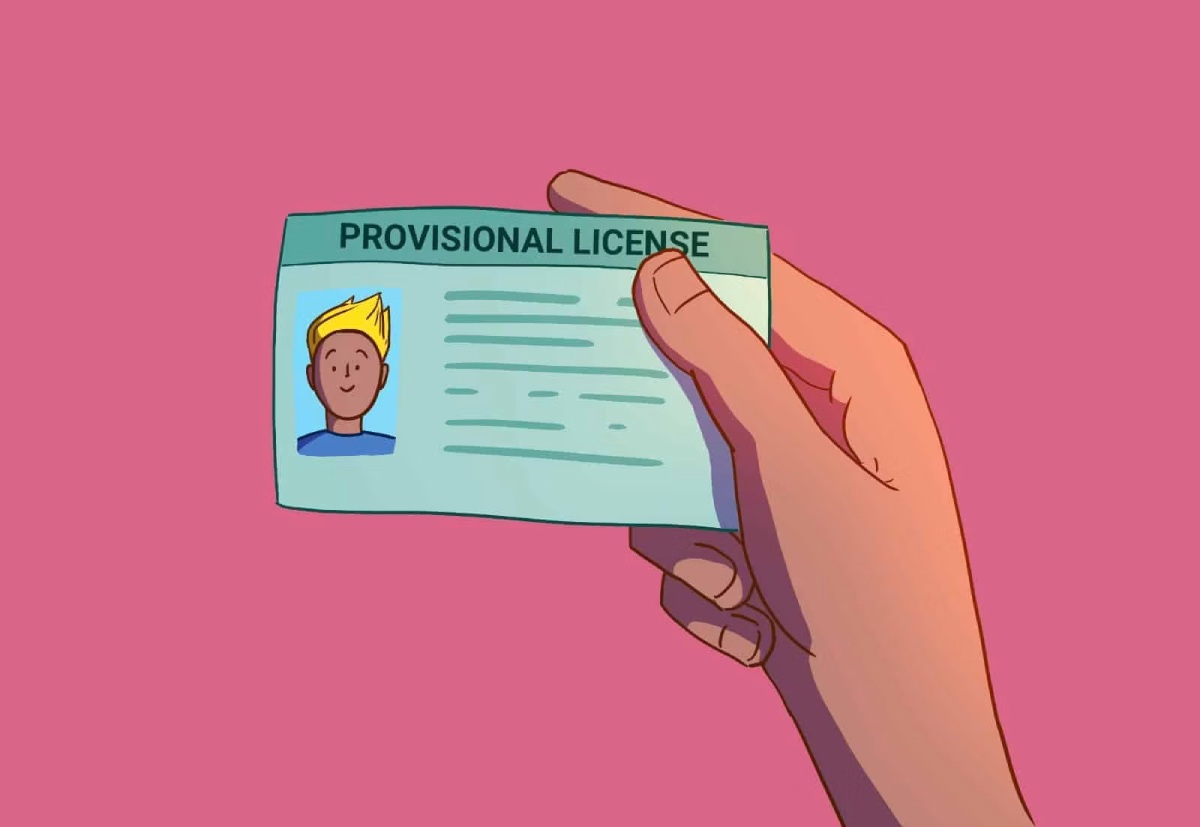
Restricted and provisional licenses
A restricted or provisional license can authorize driving under its conditions. A new driver’s license may limit passengers or nighttime driving. A hardship or occupational authorization may limit driving to approved purposes, such as work.
The conditions differ by state and by the document issued. If your authorization permits commuting, read its terms before using the car for a weekend outing. An ordinary learner permit also carries its own conditions, including supervision requirements; it is not equivalent to an unrestricted license.
Temporary licenses and replacement documents
An official temporary driver’s license can authorize driving while you wait for the permanent card. California, for example, issues temporary licenses valid for 60 days after a successful driving test. Other states set their own periods and conditions.
Use the temporary license the agency issued, and check its end date. A payment confirmation or pending application does not, by itself, establish driving permission. If your card is lost, arrange a replacement and confirm what document you must carry while waiting.
Does a valid driver’s license have to be REAL ID?
A standard driver’s license can remain valid for driving without meeting REAL ID standards. REAL ID concerns identification for certain federal purposes, including domestic air travel and access to some federal facilities. It does not grant extra driving privileges.
Your license still needs the appropriate class, current driving status, and compliance with its restrictions. A REAL ID identification card has no driving authority at all. Check whether the document is a driver’s license or a non-driver ID card.
What does a valid license mean for jobs and car rentals?
Employment applications
When a job requires a valid driver’s license, the employer generally needs you to be legally authorized to operate the vehicle used for the work. The job may also require a particular license class, an endorsement or an acceptable driving record.
A valid license does not certify a clean record. Tickets or previous incidents can remain on the record while your current driving privilege is valid. Ask whether the position requires an unrestricted license and which record or document the employer wants.
Rental applications
A rental company may have additional document requirements beyond a valid driver’s license. A temporary license may authorize you to drive, but still require identity verification before a rental location accepts it. Some restrictions can also affect rental eligibility.
Confirm the location’s requirements before collecting the car, especially if you have a temporary or restricted license. Check whether your license must remain current throughout the rental period.

What to do if your license is not valid
If it has expired
Follow the issuing agency’s renewal instructions. Being allowed to renew after expiration does not establish a grace period for driving. If a state-authorized extension applies to you, confirm its conditions and the proof you need to carry.
Check whether the completed renewal provides a temporary license immediately or requires another step. Use the actual authorization issued rather than assuming that submitting the application restored permission to drive.

If it is suspended, revoked, or canceled
Read the agency’s notice and reinstatement requirements. Depending on the case, you may need to wait out a suspension, pay fees, complete a program, submit documents, or apply for a new license. A suspension can follow DUI and DWI offenses, but the licensing consequences depend on the state and circumstances.
Some reinstatement cases also involve SR 22 filing requirements. That filing provides proof of required insurance; other reinstatement requirements may still remain. Confirm your driving status once the agency has processed the paperwork.
Does having car insurance make your license valid?
Insurance does not restore a suspended license or extend an expired one. State rules on driving without required insurance concern financial responsibility. Driving permission is issued by the licensing authority.
A person who cannot currently drive may still need coverage for a car used by a licensed family member or caregiver. Arrangements such as car insurance with no license in Texas depend on the insurer’s rules and who will drive. Buying that policy does not authorize the unlicensed owner to drive.
For a borrowed car, a valid license is also only part of the coverage question. Owner permission, listed drivers, exclusions, and the vehicle’s use can affect coverage when someone else drives your car. Before handing over the keys, confirm both the driver’s authorization and the applicable insurance terms.

RELATED AUTO INSURANCE GUIDES
Safety & Driving
Black Ice on the Roads: How to spot it and handle a skid
Auto Insurance
Car Insurance Umbrella Policy: Coverage, Cost and Limits
Auto Insurance
Michigan Car Insurance: Rates, Companies & PIP Coverage
Safety & Driving
Texting and driving: risks, statistics, laws and prevention