

Becoming a homeowner may lower your auto insurance premium through an ownership discount, a home and auto bundle, or both. At Auto Insure News, we recommend getting a revised price for your car policy before deciding whether moving your home insurance would save you more.
How homeownership can lower your auto insurance premium
A homeowner discount without switching your home insurance
A homeownership discount can apply even when another company insures the property. Eligible condo owners may qualify, too. The discount belongs to the auto policy, so buying a house does not necessarily mean you need to replace your existing home coverage.
Ask whether your ownership arrangement qualifies, what proof the insurer needs and which parts of the auto premium receive the discount. Availability differs by state and insurer.
A multi-policy discount for bundling
A bundle discount depends on buying more than one qualifying policy through an eligible insurer or insurance program. Ask for the total home and auto price, including any ownership discount that can also apply.
Two advertised percentages will not necessarily add together. Discounts can apply to different coverages, and insurers may restrict which combinations qualify. The final premium shows what you would actually pay.
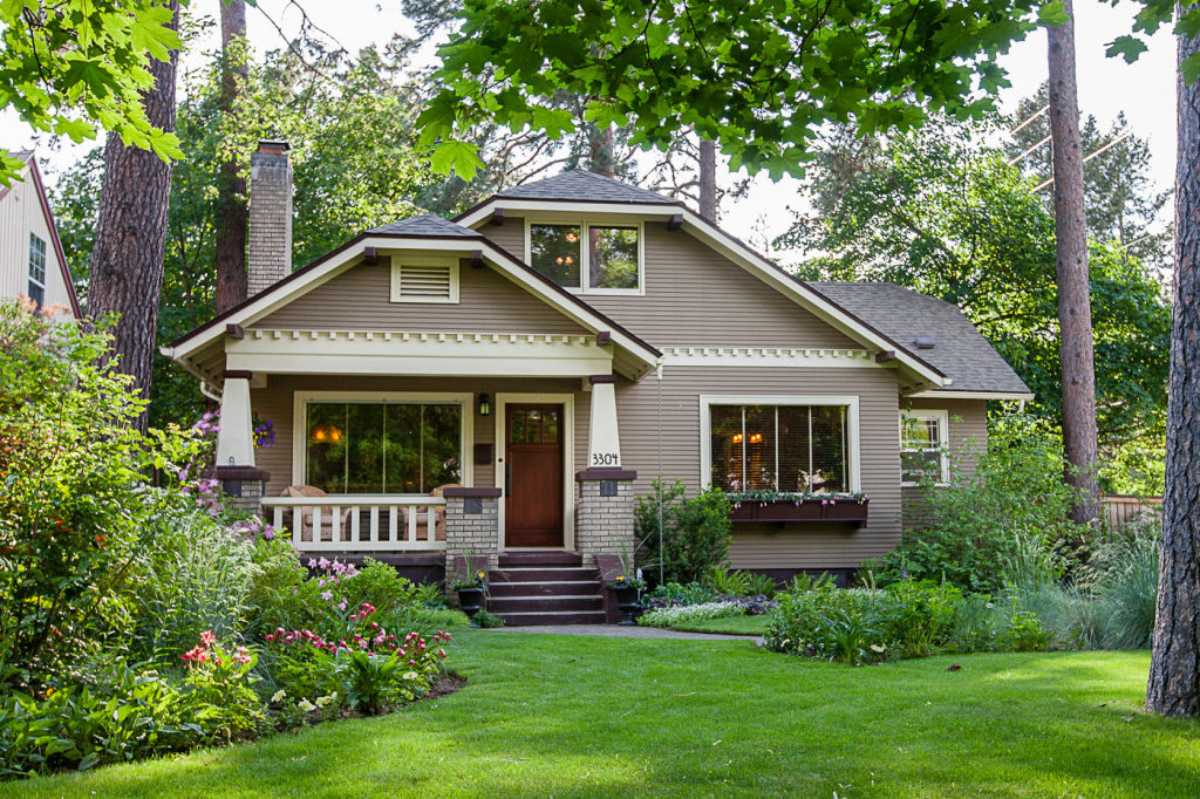
How much could you save after buying a home?
Your insurer’s revised quote provides the useful number. There is no single homeowner discount percentage that applies to every driver, state and policy. A discount may also apply to only part of the premium.
Suppose your annual car premium falls from $1,800 to $1,740 after the insurer adds your homeowner status, with the address, drivers, vehicle and coverage unchanged. The saving is $60 a year. This is an illustrative calculation, not a market average or an actual quote.
If you are moving as well, ask the insurer to identify the ownership discount separately from changes caused by the new address or commute. That helps explain why a discount might appear on a bill that has still gone up.
When should you tell your auto insurer you bought a home?
Contact the insurer while planning the move, then confirm your ownership details after closing. Give it the date the car will start being kept at the new address, updated mileage and any changes in who drives it.
Ask these questions before assuming the next bill will be lower:
- Do you offer a homeowner discount on my auto policy in this state?
- What document do you need to verify ownership?
- When would the discount take effect, and would it apply during the current policy period?
Keep the revised quote or policy notice. Discounts may require an update to your account; the insurer’s effective-date rules determine when any saving starts.
Will a home and auto bundle cost less overall?
Compare the combined annual cost
A lower car premium can be offset by a more expensive home policy. Add both premiums before deciding which arrangement saves money.
| Option | Car insurance | Home insurance | Annual total |
|---|---|---|---|
| Bundle with Company A | $1,400 | $1,550 | $2,950 |
| Separate policies with Companies B and C | $1,500 | $1,350 | $2,850 |
The bundle saves $100 on car insurance, but home insurance costs $200 more. The household therefore pays $100 more a year. Another set of quotes could favor bundling.
Include installment fees and any discount you would lose on a policy left behind. If the home and auto quotes cover different periods, convert them to the same time frame and identify any assumptions about future renewal prices.

Check what the lower price includes
Liability limits, collision and comprehensive deductibles, and optional benefits are important factors to consider when choosing car insurance. Keep them consistent across quotes. A higher deductible or lower limit can reduce the price independently of any homeowner discount.
For the home policy, compare:
- Dwelling coverage: The amount available to rebuild, which can differ from the purchase price because the purchase includes land.
- Claim settlement terms: Actual cash value generally deducts depreciation. Replacement cost coverage generally pays without that deduction, subject to deductibles, policy limits and replacement conditions.
- Deductibles and exclusions: Check separate wind or hail deductibles and what a percentage deductible means in dollars. Standard homeowners policies generally exclude flood damage.
Why car insurance can go up after you buy a house
Buying a home often changes where the car is kept and how it is used. Local accident, theft and weather exposure can affect the quote. A longer commute or another household driver may also increase the price enough to outweigh an ownership discount.
Those details are part of what determines your car insurance rate. If the premium rises, ask which information changed and whether the homeowner discount was included. Compare coverage limits and deductibles, too.
Use the address where the car is actually kept when requesting competing quotes. The price based on your former address may change when the insurer verifies your new circumstances. A general rate increase at renewal can also affect the bill independently of your home purchase.

Homeowner discounts for mortgaged houses and condos
Buying a house with a mortgage
You can ask about a homeowner discount while you are still paying the mortgage. Paying the house off is not generally a prerequisite, though the insurer decides which ownership arrangements qualify.
If you move the home insurance into a bundle, check the lender’s coverage requirements and arrange delivery of the replacement policy details. Where premiums are paid through escrow, coordinate the change with the mortgage servicer so payments go to the correct insurer.
Owning a condo
Some insurers include eligible condo owners in their auto homeowner discount. Ask about both the car policy on its own and an auto-and-condo bundle.
The condo policy should fit your responsibilities under the association’s master policy. Compare protection for the parts of the unit you must insure, your belongings and your liability. A lower bundle price is less useful if it leaves out coverage your previous condo policy provided.
Can renters still get a car insurance discount?
If you rent and do not own an eligible property, a discount reserved for homeowners generally will not apply. You may still qualify for a multi-policy discount by combining auto and renters insurance through an eligible provider.
Other ways to save money on auto insurance include eligible low-mileage or payment discounts. A higher collision or comprehensive deductible can also lower the premium, provided you could afford it after a loss.
Compare your options before switching policies
- Get two prices from your current insurer. Request a revised auto price reflecting your homeowner status and a separate home and auto bundle offer. Confirm which discounts depend on keeping both policies.
- Request competing offers. When getting insurance quotes, give each company the same drivers, vehicles, address, mileage and coverage choices. Request comparable home coverage if you are considering moving that policy.
- Compare the total bill and coverage. Add both premiums after discounts and fees. Include any price change on a policy that would lose a bundle discount.
- Confirm the changeover dates. Arrange for replacement coverage to begin before the old coverage ends. Check any cancellation fee or refund, and coordinate home insurance changes with your lender where applicable.
Keep the comparison for renewal. A change in either premium is a useful reason to shop around for car insurance again. The combination that cost least when you bought the house may be different the following year.

RELATED AUTO INSURANCE GUIDES
Safety & Driving
Black Ice on the Roads: How to spot it and handle a skid
Auto Insurance
Car Insurance Umbrella Policy: Coverage, Cost and Limits
Auto Insurance
Michigan Car Insurance: Rates, Companies & PIP Coverage
Safety & Driving
Texting and driving: risks, statistics, laws and prevention