

Buying car insurance in Texas becomes more complicated when you own a vehicle but do not have a valid driver’s license. Your license may be suspended, you may be buying the car for a family member, or the vehicle may remain parked until you can legally drive. In each situation, the key question is the same: can you get car insurance without a license? This guide by Auto Insure News explains how car insurance with no license works in Texas.
Can you get car insurance without a license in Texas?
Yes, you may be able to buy auto insurance without a license in Texas, but approval depends on the insurer. No Texas statute requires the named insured to hold a driver’s license to purchase a policy. The state’s real requirement is that any vehicle driven on public roads carries proof of financial responsibility.
In practice, many large national carriers decline these applications as an internal underwriting choice, not because the law forbids it. Smaller and specialty Texas insurers more often write coverage for owners without a license. Because rules vary by company, you may need to contact several insurers or work with an agent who handles non-standard policies.
How no license auto insurance works in the United States
Across the United States, there is no single rule for auto insurance with no license. A person may be the vehicle owner or named insured while a licensed household member is listed as the primary driver. The state, the insurer’s underwriting rules, the vehicle’s use, and the reason for the missing license all affect the available options.
That is why searches for no license auto insurance can produce different answers. Texas is the focus of this guide, but the same basic distinction applies nationwide: insurance can protect the vehicle and satisfy financial-responsibility requirements, while only a valid license permits someone to drive legally.
Insurance does not make unlicensed driving legal
Buying a policy does not permit you to drive. In Texas, it is illegal to operate a vehicle without a valid license, even if the car is fully insured. If you drive unlicensed and cause a crash, your insurer may deny the claim, and you can still face fines or other penalties. This is separate from why is it illegal to not have car insurance, which concerns the coverage requirement itself.
So insurance and driving permission are two separate things. An auto insurance definition can clarify how a policy can protect the vehicle and help meet financial responsibility rules, but only a valid license lets you legally get behind the wheel.
Who may need car insurance without a license?
People search for auto insurance without a license in Texas for several different reasons. The same issue is often described as car insurance with no driver’s license or car insurance without a driver’s license. The right answer depends on which situation fits you.
You may need this type of policy if:
- You own a car but cannot legally drive it.
- Your license is suspended or revoked.
- You are buying a vehicle for a spouse, child, parent, caregiver, or household member to drive.
- You have a state ID, passport, foreign license, or other acceptable ID, but no Texas driver’s license.
- You recently moved to Texas and are still handling license or registration paperwork.
- You own a vehicle that will remain parked, stored, or under repair.
- You need proof of insurance before your license can be reinstated.
- You need to file an sr22 definitionafter a qualifying violation.
These cases are not all treated the same. Someone with a suspended license may need an SR-22. Someone who owns a parked vehicle may need physical-damage protection. Someone who owns the car but never drives may need a standard policy with a licensed primary driver. If your vehicle will remain parked, review do i have to keep insurance on a car i don’t drive before reducing or changing coverage.
Texas minimum coverage you must meet
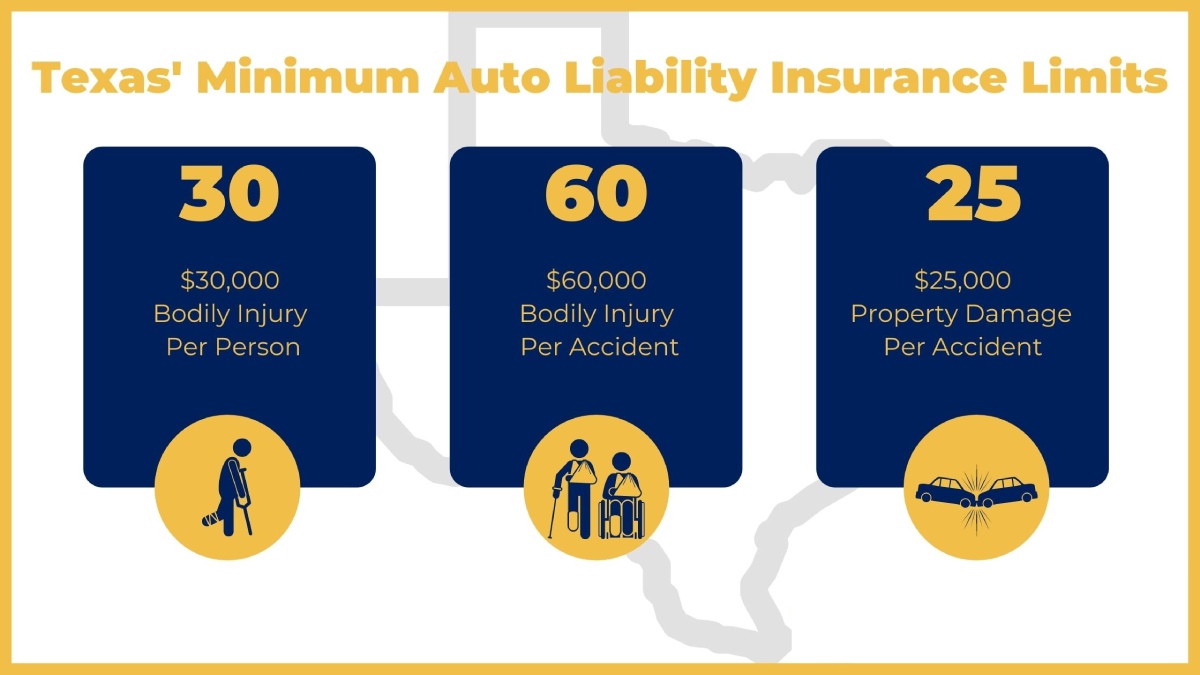
Whoever drives the insured car must meet the Texas minimum liability limits, known as 30/60/25. Whether car insurance is required in general depends on the state and the vehicle’s registration status:
- $30,000 for bodily injury per person
- $60,000 for bodily injury per accident
- $25,000 for property damage
These limits cover damage and injuries you (or a covered driver) cause to others, not your own car or injuries. The Texas Department of Insurance explains coverage types in its auto insurance guide. Minimum coverage is the cheapest legal option, but it may not be enough after a serious crash, so many owners choose higher limits.
How much does auto insurance without a license cost in Texas?
Public rate studies can give you a benchmark, but they are not exact quotes for unlicensed owners. As a general rule, Texas liability-only coverage averages around $100 per month, while full coverage averages around $200 per month. Your price may be lower or much higher depending on the driver and the risk profile.
| Situation in Texas | Estimated monthly cost | What it means |
| Standard liability-only policy | About $65–$110/month | General Texas benchmark for minimum or liability-only coverage |
| Standard full coverage policy | About $206–$229/month | More common when the vehicle is financed or leased |
| Unlicensed owner with licensed primary driver | Usually based on the licensed driver’s profile | The insurer will likely rate the person who actually drives |
| Suspended license with SR-22 | Often higher than a standard policy | The violation behind the suspension usually raises the premium |
| Non-owner SR-22 policy | Often cheaper than insuring a vehicle you own | Only fits if you do not own the car |
| Parked car / comprehensive-only coverage | Varies widely | Covers storage risks, not driving liability |
The important takeaway is that “no license” is not always the main pricing factor. If you are not driving and a licensed person is listed as the primary driver, the insurer will usually focus more on that driver’s record, age, location, and vehicle use.
If your license is suspended, the cost can be much higher because of the violation that led to the suspension. The SR-22 filing itself is usually not the expensive part. The expensive part is the risk history.
Owner, named insured, primary driver, and excluded driver
Most insurers want to know who will actually drive the car because they price the policy based on that person’s risk. A few roles sound similar but mean different things:
- Vehicle owner: the person who holds the title to the car.
- Named insured: the person who holds the policy. You can be the named insured without a license.
- Primary driver: the licensed person expected to drive the car most often.
- Excluded driver: a person the policy specifically excludes from coverage while driving.
The most common setup for an unlicensed owner is to list the owner as the named insured, with a licensed household member or relative as the primary driver. Some insurers also ask you to sign as an excluded driver, which means the policy will not cover any claim if you personally drive the car.
Which policy fits your situation?
The right policy depends on whether you own the car, whether anyone will drive it, and whether your license is suspended. Reviewing the different types of car insurance can help separate liability-only, full-coverage, and non-owner options.
| Your situation | Policy that may fit | What it does |
| You own a car but do not drive it | Standard policy with a licensed primary driver | Insures the vehicle and lists the real driver |
| You own a car and are excluded from driving | Standard policy with an excluded-driver endorsement | Covers listed drivers, but not you behind the wheel |
| Your license is suspended | Policy with SR-22 filing | Proves you carry the required liability coverage |
| You do not own a car but need an SR-22 | Non-owner SR-22 policy | Covers you as a driver, not a specific car |
| The car is stored and not driven | Comprehensive-only / parked car coverage | Covers theft, fire, vandalism, weather, and similar risks |
| The vehicle is financed or leased | Full coverage policy | Usually includes liability, collision, and comprehensive |
Do not buy a non-owner policy if you own the vehicle. Non-owner insurance is designed for people who do not own a car. If your name is on the title, you usually need a policy attached to that specific vehicle.
How to get auto insurance without a license in Texas?
Getting coverage is easier when you are direct from the beginning. Trying to hide the license issue can lead to denial, cancellation, or later claim problems.
Follow these steps:
- Explain your license status clearly. Tell the insurer whether you have no license, a suspended license, a revoked license, an expired license, a foreign license, or only a state ID.
- Identify the licensed primary driver. Have the licensed driver’s full name, date of birth, driver’s license number, address, and driving history ready.
- Confirm that the company accepts unlicensed owners. Ask directly whether the insurer can write a policy when the owner or named insured does not have a valid license.
- Ask whether you must be excluded. Some insurers may require you to be listed as an excluded driver. Make sure you understand what that means before signing.
- Provide the vehicle details. You will usually need the VIN, year, make, model, mileage, garaging address, ownership status, and vehicle use.
- Ask about filing an SR-22 if your license is suspended. Not every company files SR-22 certificates. If you need one, confirm this before you buy.
- Compare at least three quotes. Companies treat unlicensed-owner situations differently. Use the same licensed primary driver, garaging address, liability limits, deductibles, and SR-22 status across each quote.
- Review the policy documents before paying. Look for excluded-driver language, listed drivers, coverage limits, deductibles, and vehicle use restrictions.

Documents to prepare before requesting quotes
Having the right information ready can save time and reduce the chance of a wrong quote.
Prepare:
- Vehicle identification number (VIN)
- Title or registration information
- Garaging address
- Your state ID, passport, or other accepted photo ID
- Licensed primary driver’s full name
- Licensed primary driver’s license number
- Licensed primary driver’s date of birth
- Licensed primary driver’s address
- Vehicle finance or lease information, if applicable. If the vehicle is leased, understand the lender’s insurance requirements before buying liability-only coverage.
- SR-22 requirement notice, if applicable
- Current policy declarations page, if you already have insurance
- Mileage and vehicle use details
If you are buying coverage for a household vehicle, be honest about who lives with you and who has access to the car. Insurers care about household drivers because they may have regular access to the vehicle.
What to say when calling an insurer or agent
A clear script helps you avoid confusion. You can say:
“I own the vehicle, but I do not currently have a valid driver’s license. A licensed household member will be the primary driver. Can your company write a policy with me as the owner or named insured and that person as the rated driver? Do you require me to be listed as an excluded driver?”
If your license is suspended, use this version:
“My license is currently suspended, and I may need an SR-22 filing in Texas. I own the vehicle, but I will not drive until my license is legally reinstated. Can your company provide a policy and file the SR-22 with the Texas Department of Public Safety?”
If the car is not to be driven, say:
“The vehicle is owned by me, but it will be parked and not driven. Do you offer comprehensive-only or parked-car coverage, and what happens if the vehicle needs to be driven later?”
These questions clarify the situation and help the agent route you to the appropriate policy type.
What if your license is suspended?
If your license is suspended, you can usually still insure your car, but you may need to take an additional step. In Texas, drivers with certain violations often must file an SR-22, also known as a Financial Responsibility Insurance Certificate, before their license can be reinstated.
An SR-22 is not insurance itself. It is a certificate your insurer files with the Texas Department of Public Safety to confirm you carry at least the state minimum liability coverage. Not every insurer offers SR-22 filing, so you may need one that does. The Texas DPS explains when it is required in its SR-22 FAQ. Because reasons and time periods vary by case, confirm your specific requirement with DPS or a licensed agent.
Can non-owner insurance help?
Non-owner car insurance covers you as a driver, not a specific car. It pays liability if you cause an accident while driving a car you do not own, such as a borrowed or rented one.
It is mainly for people who do not own a vehicle. A common use is filing an SR-22 to reinstate your license when you don’t have a car of your own. It does not cover a car that you own.
So the choice is simple. If you want to protect a car you own, you need a regular policy on that vehicle, not a non-owner policy. A non-owner policy only fits if you do not own a car but still need liability coverage or an SR-22. Because it is built for people who can legally drive, confirm with the insurer whether it suits your license status.
Can you register a car without a driver’s license in Texas?
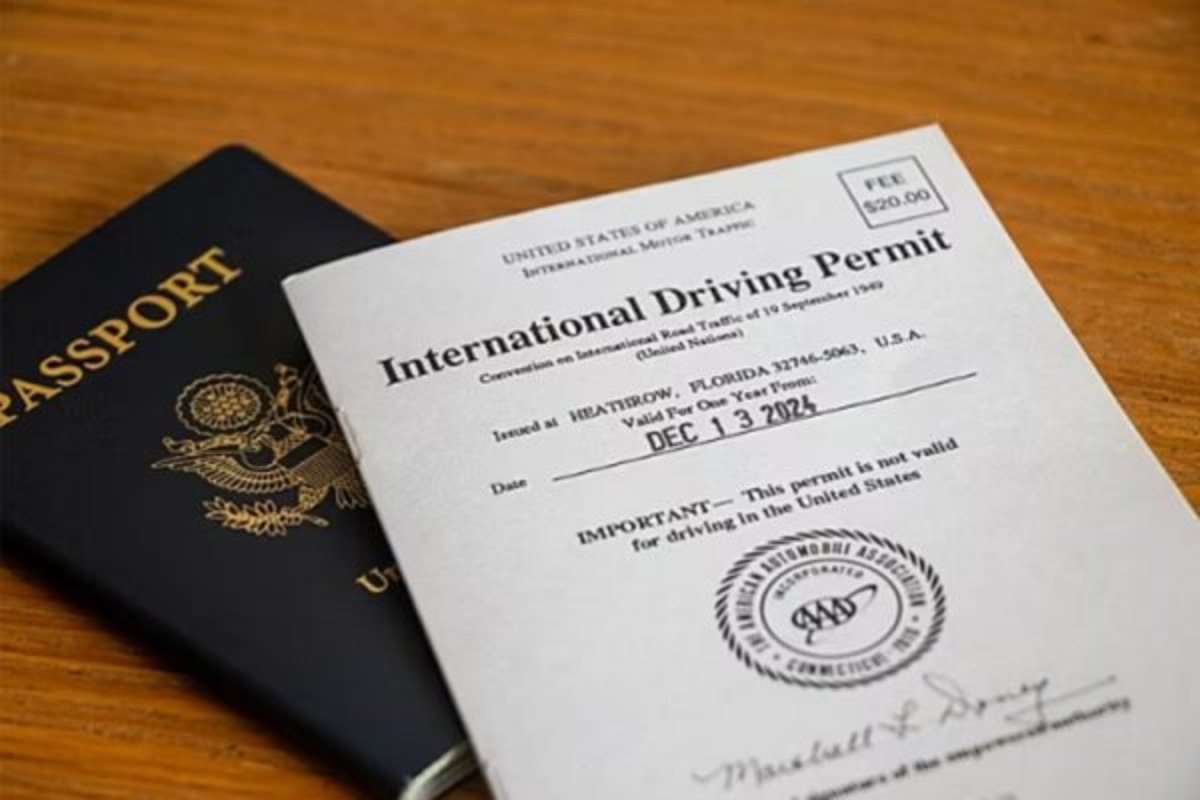
Registering a vehicle is separate from being legally allowed to drive it. In Texas, you generally need proper photo identification to title and register a vehicle, but that photo ID does not always have to be a driver’s license. Depending on your situation, acceptable identification may include a Texas state ID, U.S. passport, valid foreign passport, or another document accepted by the Texas Department of Motor Vehicles or your county tax office.
You will also need proof of liability insurance when you title and register the vehicle. If you do not have proof of insurance, you may be able to apply for “title only,” but that does not let you legally drive or operate the vehicle on public roads.
The key point is simple: you may be able to title, register, and insure a vehicle without holding a valid driver’s license, but you still cannot legally drive it unless you are properly licensed. Before going to the county tax office, confirm the current ID and insurance requirements with TxDMV or your local county tax assessor-collector office.
Can you get insurance without a license plate?
A missing license plate is a separate issue from a missing driver’s license. Some insurers may issue coverage before plates are assigned if you provide the vehicle identification number, title or purchase documents, and the garaging address. If you are insuring a car without a license plate, ask whether the policy can begin before registration is complete and whether any coverage limits apply until the vehicle is legally plated. In other words, can you get insurance without a license plate? Sometimes, but the insurer and the Texas registration process determine the answer.
What if no insurer will approve you?
Even if Texas law does not automatically prevent an unlicensed owner from obtaining insurance, an individual insurer may still say no. That is usually an underwriting decision.
An insurer may decline if:
- No licensed primary driver is available.
- The listed driver does not live at the same address, and the company will not accept that arrangement.
- Your license is suspended, and the company does not handle SR-22 filings.
- You refuse to be excluded from driving.
- The vehicle is used for delivery, rideshare, or business, but you applied for personal insurance.
- The car is garaged at an undisclosed address.
- Household drivers are missing from the application.
- The vehicle is financed, but you only want liability-only coverage.
- Your driving or claims history is too high-risk for that insurer.
A decline from one company does not mean every company will decline. Independent agents and non-standard insurance companies may have greater flexibility in handling unusual ownership and licensing situations.
If you cannot find a company willing to sell you a policy, ask a licensed Texas agent about the Texas Automobile Insurance Plan Association, also known as TAIPA. It is generally a last resort for drivers who cannot obtain coverage in the standard market.
How to lower the cost of auto insurance?
Auto insurance without a license can cost more because fewer insurers are willing to write the policy. Still, there are ways to keep the price under control.
- Compare multiple quotes. Do not stop after one decline or one expensive quote. Different insurers treat unlicensed owners differently.
- Use a licensed primary driver with a clean record. If someone else will actually drive the car, their driving record can strongly affect the price.
- Choose the right coverage level. Do not overpay for coverage you do not need, but do not choose minimum-only coverage if the car is financed or too valuable to replace out of pocket.
- Ask about discounts. Common discounts may include multi-policy, multi-car, anti-theft device, defensive driving, paperless billing, paid-in-full, and good driver discounts.
- Keep continuous coverage. A lapse can make future quotes more expensive, especially if an SR-22 is involved.
- Avoid misrepresentation. A cheaper quote based on false information can become very expensive later if the insurer cancels the policy or denies a claim.
- Work with an independent agent. An independent agent can check several companies at once, including non-standard carriers that may be more willing to write unusual policies.
So, should you buy insurance without a license in Texas?
You should consider buying insurance without a license if you own a vehicle, someone else will legally drive it, you need to register it, you need to protect it while parked, or you need coverage connected to SR-22 reinstatement.
But you should not buy insurance to drive before you are legally allowed to. Insurance protects against financial risk. It does not fix a license problem.
Before buying, confirm four things:
- Who is allowed to drive the vehicle?
- Are you excluded from coverage?
- Does the policy meet Texas’s 30/60/25 minimum liability requirements?
- Do you need SR-22, full coverage, or lender-required coverage?
If the answers are clear in writing, you are much less likely to buy the wrong policy.

RELATED AUTO INSURANCE GUIDES
Safety & Driving
Hot Car Safety Tips for Children, Pets and Drivers
Safety & Driving
How Does a Learner’s Permit Work? Rules and Next Steps
Safety & Driving
Thunderstorm Safety Tips at Home, Outdoors and in a Car
Auto Insurance
ACV vs Replacement Cost: How Insurance Payouts Differ