

A flooded car can look perfectly fine in the driveway photographs, right up to the moment the adjuster makes the call. After that, the work shifts to valuation math and lender payoffs, and a single mismatched signature on the title paperwork can hold up the check. In some situations no check comes at all. Auto Insure News walks through the flood total loss process in order, from the first claim call to the money.
How a flood claim becomes a total loss
Coverage that pays for flood damage
Flood damage to a vehicle falls under comprehensive coverage, the part of a policy that handles losses other than collisions. Collision coverage does not respond to rising water, and liability coverage never pays for the policyholder’s own car. Drivers who carry what is commonly called full coverage usually have comprehensive and collision together, a pairing explained in liability vs full coverage, and the separate guides to comprehensive car insurance and collision insurance show where each one stops.
A policy without comprehensive leaves the insurer owing nothing for flood damage, whatever the depth of the water. The comprehensive deductible applies to the claim and comes out of whatever the insurer eventually pays.
The first days of the claim
After the claim is reported, the insurer usually arranges for the car to be moved to a storage lot or inspected where it sits. The adjuster’s file starts with a few items, and having them early smooths the valuation later:
- Photographs of the waterline on the doors and seats, the interior, the dashboard and the odometer
- The vehicle identification number, current mileage and a list of installed options
- Maintenance records and receipts for recent tires, brakes or other major work
- The name of the lender and the loan account number, if the car is financed
Cranking an engine that has taken on water can add to the damage, so it stays off until someone qualified has looked at the car. A flood that hits a whole region also produces a backlog. Large weather events delay claims, and the first inspection may come days after the report.
For the earlier reporting and inspection steps, follow the guide to filing a flood damage claim before working through the total-loss settlement.
Why floodwater usually means a total loss
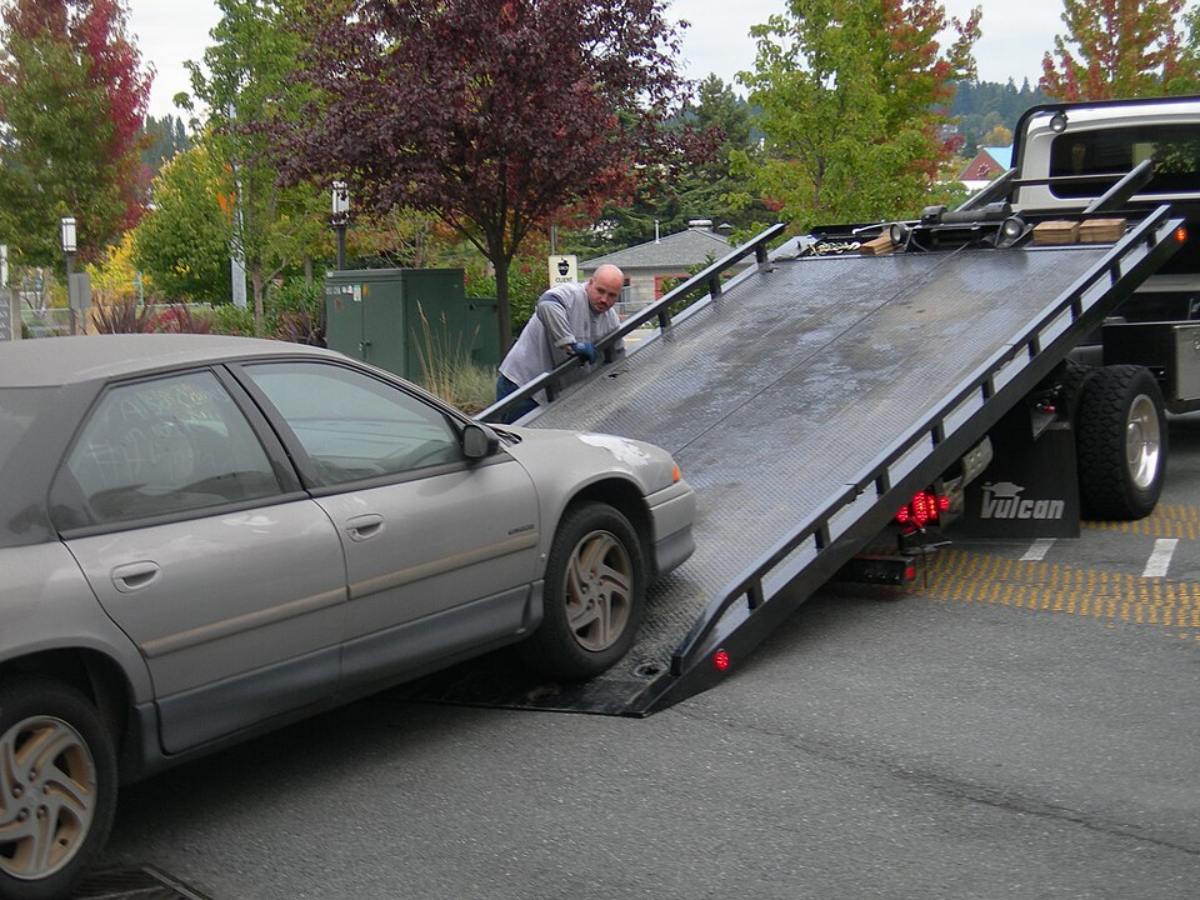
Water lands on the most expensive and least repairable parts of a modern vehicle. Once it reaches the cabin, the wiring harnesses and control modules are exposed, sensors and airbag components follow, and fluids that have mixed with water add to the bill under the hood. A common rule of thumb holds that water reaching the dashboard puts a car beyond economical repair. No law sets that line, and the inspection of the individual vehicle decides the outcome. Hybrids and electric vehicles carry large batteries and high-voltage systems, which makes them especially vulnerable.
Shallow water that drained quickly sometimes leaves a repairable car, and the checks to run before restarting are covered in what to do after driving through water.
Where the total loss line sits
States use one of two tests. Some set a percentage threshold, generally somewhere between 60 and 100 percent of the car’s actual cash value. Texas uses 100 percent. Florida’s often-quoted 80 percent comes from its title statute, which does not force an insurer to total a car at that point, so Florida insurers also run their own formulas.
The second approach is a formula under which a car is totaled when the repair cost plus its salvage value exceeds its value before the loss. An illustration with made-up numbers: a car worth $13,840 before the flood, with a $9,600 repair estimate and $4,700 in salvage value, crosses the formula line because the two add up to $14,300. At an 80 percent threshold the same car would be totaled once the repair estimate passed $11,072. Insurers can also total a vehicle that cannot be repaired safely even when the arithmetic falls short, and flood cases tend to clear whichever test applies.
To understand the repair side of that calculation, review these examples of how much a flooded car costs to fix. Compare the work in the estimate with the damage documented on your vehicle.
What the insurer pays
The payment is based on actual cash value, which is what a comparable vehicle would have sold for in the market just before the flood. Mileage and condition move the figure the most, and trim level and installed options add to it. The price originally paid for the car and the cost of a new replacement do not enter into it. A car that was well maintained but a few years old will usually be valued below what many owners expect, and the comprehensive deductible is subtracted from whatever the valuation produces.
Want to understand the value behind the settlement? Learn how to estimate your car’s actual cash value before comparing that figure with the insurer’s valuation.
Sales tax and title and registration fees are the next variable, and the rules differ by state. Kansas, for example, directs insurers to include them in a total loss settlement whether or not the owner buys another vehicle. Illinois requires them in a cash settlement when proof of a replacement purchase arrives within 30 days. Other states have exceptions, and the settlement letter shows whether the amounts are included.
The figures below are illustrative and assume a state where tax and fees are included. They show how the pieces combine, and what remains if a loan is attached.
| Item | Amount |
|---|---|
| Actual cash value of the car | $13,840 |
| Sales tax at 6.25 percent | $865 |
| Title and registration fees | $62 |
| Comprehensive deductible (subtracted) | $500 |
| Settlement paid | $14,267 |
| Loan payoff in the example | $15,950 |
| Balance still owed without gap coverage | $1,683 |
The settlement comes to $14,267: the $13,840 value, plus $865 in tax and $62 in fees, less the $500 deductible. A lender owed $15,950 collects the whole payment, and the owner is left with the remaining $1,683. In a state that does not include tax and fees, the same claim pays $13,340 and the shortfall grows to $2,610.
Gap coverage, where it exists, is aimed at that remainder.

When the car is financed or leased
How the payment is split
A lender holding a lien on the car is paid first, up to the payoff balance, and any remainder goes to the owner. The lender provides a payoff figure for the insurer, and loan payments generally continue until the lender confirms that the account is closed. Missed payments during a slow claim can bring late fees and credit damage. After the payoff, the lender sends a lien release, which belongs with the title records.
Gap coverage and what it leaves out
When the payoff is larger than the settlement, as in the example above, the owner is responsible for the difference unless gap coverage applies. Gap coverage pays the difference between the insurer’s payment and the loan or lease balance after a covered total loss. Contracts vary on the details. Some leave out the deductible, some cap the amount, and some exclude a salvage deduction, so the contract wording matters more than the label. Gap coverage is sold through insurers and also through lenders and dealers, and the terms are not identical.
A gap claim is a separate claim from the comprehensive claim. It goes to whoever sold the gap contract, which can be the lender, a dealer’s administrator or, in some cases, the auto insurer itself, and the gap provider will want the auto insurer’s settlement letter. Contracts commonly set a deadline for reporting the loss, so the call to the gap provider belongs early in the process, well before the check clears.
Still owe more than the insurer’s settlement? Review how gap insurance works for a flooded car to check the payout examples, contract limits and costs that may remain yours.
Leased vehicles
On a lease, the leasing company owns the car, so the payoff goes to the lessor and the settlement is measured against the lease balance. Many lease agreements build in gap protection, and the contract says so.
Title, paperwork and what becomes of the car
Paperwork the insurer asks for
The insurer’s packet follows a fairly standard list:
- The certificate of title, or a power of attorney when the lender holds it
- An odometer disclosure statement
- All sets of keys and key fobs
- A signed settlement release
Where the lender holds the title, the insurer typically sends the power of attorney so it can obtain the title directly. Forms are state-specific. The errors that delay payment are usually small ones, such as a signature that does not match the title exactly or an odometer entry left blank.
The flood brand, the auction and the option to keep the car
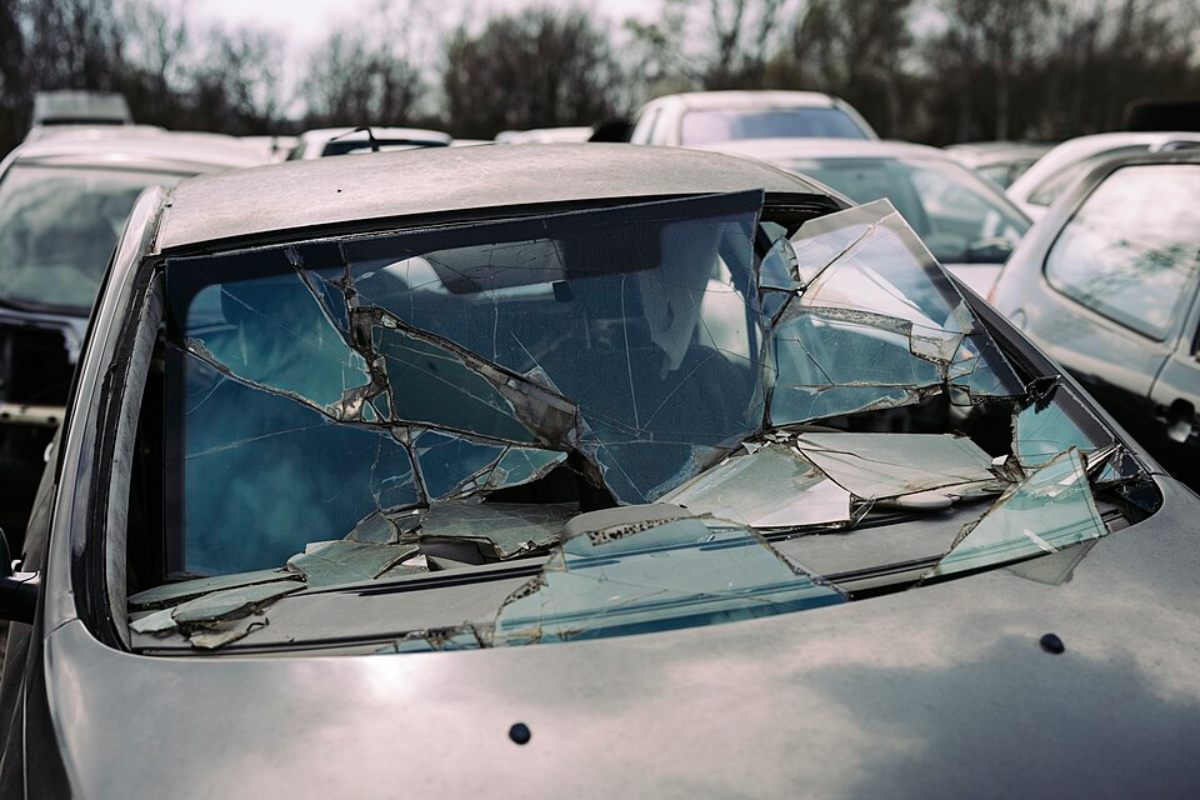
Once the claim is paid, the insurer ordinarily takes ownership and reports the total loss. The National Association of Insurance Commissioners notes that flooded vehicles declared a total loss should be issued a salvage title and usually go to salvage auctions. They can be legally resold, provided the flood damage is declared on the title. Most states require titles to show flood damage, and a federal database, the National Motor Vehicle Title Information System, collects total loss reports to make concealment harder. Florida, for one, has its motor vehicle agency brand such titles as a total loss or flooded vehicle. The two largest salvage auction operators, Copart and IAA, handle much of this volume, and a major flood sends a surge of cars into their lanes. The brand stays on the title through later sales, which is why a car that an insurer sold at auction can end up on a dealer’s lot months afterward, and why buying a flood damaged car carries its own risks.
Many states also let an owner keep a totaled vehicle. The payment is then reduced by the car’s salvage value, the title is branded, and the car generally cannot be driven legally until it is repaired and inspected. For flood vehicles the repair side is the sticking point, because electrical problems can surface long after the water is gone. The trade-offs are laid out in can I keep my car if insurance totals it.
Rental cars, belongings and the policy itself
Rental reimbursement is optional coverage with a daily limit and a total cap, commonly $30 to $50 a day and $900 to $1,500 overall. After a total loss, many policies stop paying within a few days of the settlement offer. The Massachusetts Division of Insurance, for instance, says coverage generally ends shortly after an offer is made, while other policies run until the offer is accepted. Three to seven days is a common range, and the adjuster can state the exact count for a given policy. A driver with no rental coverage pays out of pocket from the first day.
An auto policy does not cover personal belongings inside the car. Standard homeowners and renters policies exclude flood damage as well, so belongings ruined by floodwater often fall into a gap unless a separate flood policy covers contents. A permanently installed stereo counts as part of the car.
Some insurers do not drop a totaled vehicle from the policy automatically, so premiums can keep being billed on a car that no longer exists. Confirming the removal date, any premium refund and the addition of a replacement vehicle takes one call. Whether a flood claim affects the price at renewal depends on the insurer and the policyholder’s claims history, so the question belongs in the same call. Plates and registration are handled by the state motor vehicle agency, and the rules for returning or transferring them differ from state to state.
When there is no comprehensive coverage
A separate flood policy on a house does not fill the gap. The National Flood Insurance Program lists cars and most self-propelled vehicles, including their parts, among the items it does not cover, as its policy overview shows. For a car, flood protection comes from the comprehensive part of an auto policy.
In a federally declared disaster, the Individuals and Households Program run by FEMA can include transportation help, a part of Other Needs Assistance that goes toward repairing or replacing a vehicle damaged by the disaster. Eligibility is tied to need, generally a vehicle used daily, and to losses that insurance does not cover. The payments count toward an overall limit on Other Needs Assistance, which is adjusted every year. FEMA states that its aid cannot replace insurance, and the agency’s housing and other needs page lists the current eligibility conditions.
Timing, delays and disagreements
How long payment takes
The inspection and the declaration usually move quickly. The offer comes next, with the paperwork and the payment trailing behind it. State rules often start the payment clock at the moment of agreement, which can fall well after the date of the flood. New York requires payment within five business days after agreement, Florida within 20 days of a written agreement, and California within 30 days after a settlement is reached. Illinois requires insurers to send written information about the options within seven days of declaring a total loss.
After agreement, the pace depends on the paperwork. A title held by a lender in another state can hold up the check, as can a payoff figure that arrives late. A regional flood that produces thousands of claims at once stretches every one of these steps.
When the valuation looks too low
The valuation report is the document to read first. These reports are commonly produced by third-party software such as CCC ONE or Mitchell, and they list the comparable vehicles behind the number. A car compared against lower trim levels, higher mileage or listings from another region can come out undervalued.
A counteroffer carries weight when it rests on documents:
- Three to five current listings for the same year, model and trim near the owner’s home market
- Service records and receipts for new tires, brakes or other major work
- A written opinion of pre-flood value from a dealer in the same market
The release stays unsigned until the number is agreed. If talks stall, the policy’s appraisal clause and the state insurance department’s complaint process remain available.
State rules, policy terms and disaster programs differ and change, and the amounts above are illustrations, none of them a quote. The written settlement letter, the policy itself and the state insurance department are the places to confirm what applies to a particular claim.

RELATED AUTO INSURANCE GUIDES
Auto Insurance
Factors affecting high-risk driver auto insurance cost
Auto Insurance
Actual cash value of my car: how it is set and disputed
Safety & Driving
What to do if car won’t start after driving through water
Safety & Driving
Water damage car repair cost: what drives the bill