

Should I buy a flood-damaged car? A flood-damaged car is not hard to find, and it often carries a price well below a comparable clean one, which is why the question comes up so often. The discount is easy to see, while the costs it is meant to cover tend to arrive months later, from corroded wiring to sensors that fail without warning. A title does not always say what happened to the car, and sellers do not always volunteer it. Auto Insure News went through what water does to a car, how to check its history, and how the math changes once repairs, insurance and resale are counted.
Should I buy a flood-damaged car?
For most buyers, no. A flood-damaged car can look and drive normally on the day of the sale and still carry corroded wiring, contaminated fluids and failing sensors that surface weeks or months later, while the discount that made it attractive is a one-time number. A small group of buyers have reasons that hold up, and the difference comes down to whether the damage is known, priced in and inspected.
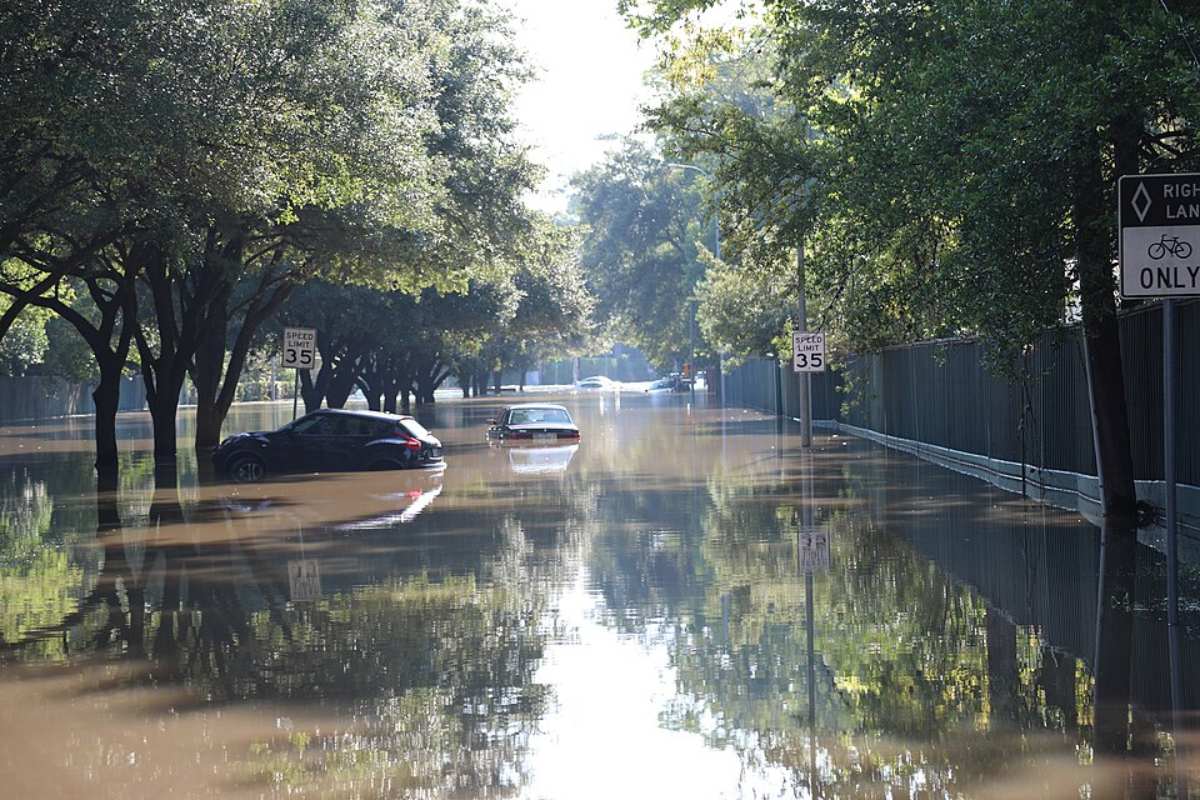
Why most buyers are better off passing
Water damage rarely shows itself on a test drive. Corrosion builds slowly inside connectors and control modules, so a fault can begin as an intermittent warning light and grow into trouble with systems that matter, among them airbags, anti-lock brakes and engine sensors. Each repair is a separate expense, and electrical faults in a car that has been wet are usually difficult and costly to trace.
The size of a single bill gives a sense of the exposure. Published estimates for repairing an engine that took in water run from roughly $2,500 to $10,000, depending on the vehicle and on whether the engine can be rebuilt or has to be replaced. Electrical repairs have no neat range, since the work depends on how far the water reached.
Insurance, financing and resale all get harder as well, and those effects are covered in their own section below.
When a purchase can be defensible
A few situations hold up under scrutiny. One is a car whose flood history is known and disclosed, with the title branded accordingly, a price that reflects it, and an independent inspection showing that the water stayed out of the cabin and the electrical systems. Another is a buyer with the mechanical skill to rework wiring personally, or one who wants the car as a parts source, a project or a low-stakes vehicle. Older cars with simpler electronics are sometimes easier to recover than newer ones loaded with modules.
Even then, the order of operations matters. An insurance quote and a financing answer should be in hand before any money changes hands, and the inspection findings should settle the decision.
What water does to a car’s systems
Electrical and safety systems
Modern cars run on a web of wiring, connectors, control modules and sensors, and water can reach much of it. Water carries minerals and, in coastal flooding, salt, and either one leaves deposits that corrode metal contacts. Salt water is the harsher case because it attacks connectors and circuit boards quickly.
The failures that follow are often intermittent. A window works on Monday and not on Thursday, a dashboard light comes and goes, a sensor reports nonsense in damp weather. Airbags and anti-lock brakes rely on the same electronics, which is why safety-minded inspectors treat water exposure as a safety concern.
Engine, transmission and fluids
If water reached the air intake, the engine may have been damaged by hydrolock at the time of the flood, or may carry a milky film of water in the oil that accelerates wear. Even when the engine survived, transmissions and differentials have vents that can draw in water, and contaminated fluid in either can shorten the life of the parts it is meant to protect.
Sellers can change the oil and fluids before a sale, which removes some of the obvious clues. A fresh oil change on a car with a suspicious history is therefore a reason to ask why it was done.
Corrosion, mold and the cabin
Rust that shows up in places a newer car should not have it, such as seat rails, pedal hardware, hood latches or the undercarriage, is one of the more reliable physical clues. A frame or structural member that corrodes can weaken the car’s ability to protect its occupants in a crash.
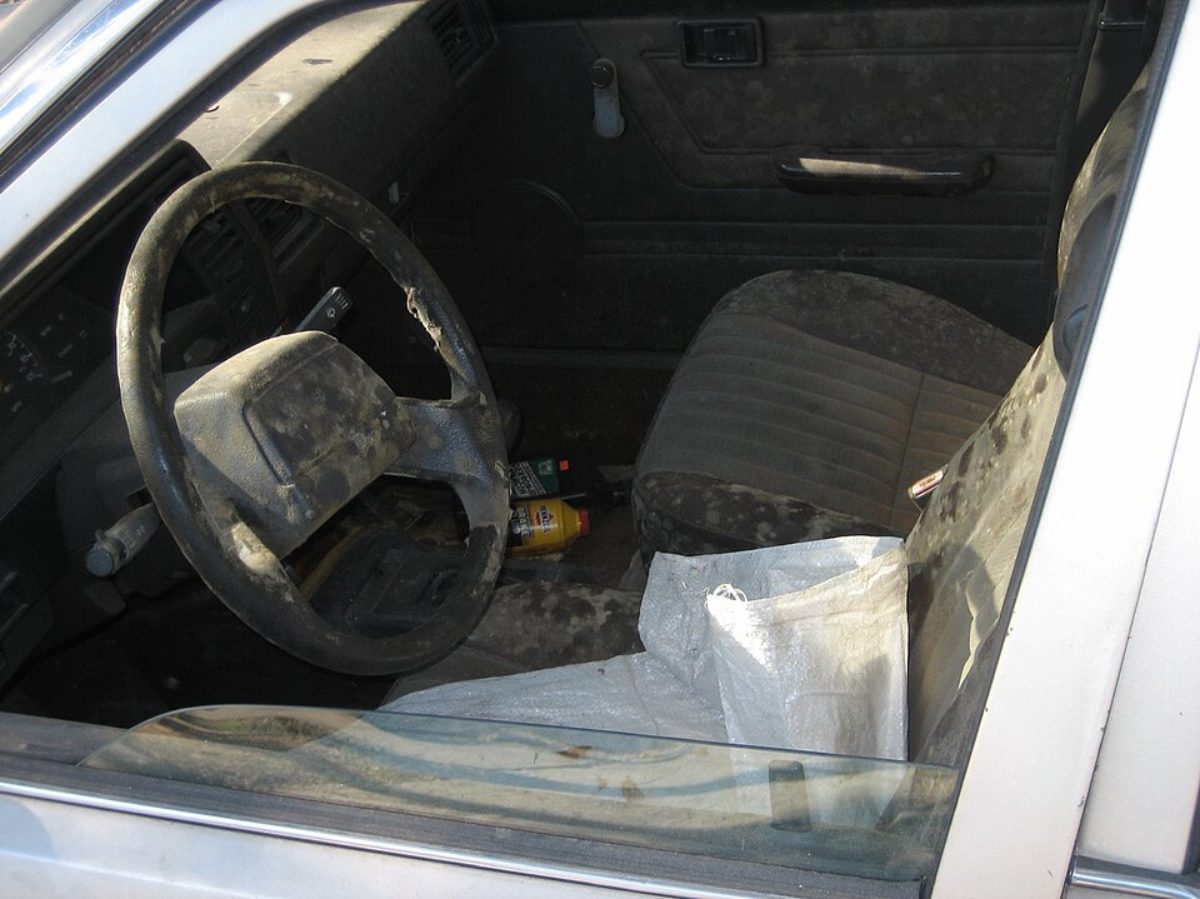
The cabin holds the other half of the evidence. Foam padding under the carpet keeps water for a long time, and mold grows there. Sellers sometimes cover the odor with a strong air freshener, shampoo the carpet shortly before a sale or replace it with a piece that does not match the rest of the interior.
How flood-damaged cars end up for sale
Salvage auctions and title brands
After a flood, insurers usually declare a swamped car a total loss, report it to the state and sell it at a salvage auction, where dealers and rebuilders bid on it. A car that is repaired and passes inspection returns to the road with a rebuilt brand. How the process works from the owner’s side is laid out in can I keep my car if insurance totals it.
States do not brand flood damage the same way. Some use a separate flood brand, some fold it into a general salvage brand, and some do not brand flood vehicles at all. A title that looks ordinary, therefore, proves less than most buyers assume.
Title washing and out-of-state sales
Title washing is the practice of retitling a branded car in a state with weaker checks so that the new title no longer shows the brand. It is illegal, and it happens most often right after large floods. Flood cars also move far from the storm. They turn up in states where flooding is not on shoppers’ minds, which is part of why a seller’s local reputation can mean less than it seems to.
The numbers involved are large. CARFAX estimated about 482,000 water-damaged vehicles on U.S. roads at the start of 2025, with up to 45,000 more added by storms that year, and the National Insurance Crime Bureau (NICB) has warned of roughly 530,000 flood-damaged vehicles in circulation. Industry estimates have long put the share of flood-damaged cars that return to the used market at about half.
Cars that never reached an insurer
Insurer databases are built from claims. A car that was uninsured at the time of the flood, or whose owner dried it out and sold it without filing anything, leaves no total-loss record at all. The Federal Trade Commission notes that the NICB’s free lookup reflects damage only if the car was insured when it happened, and after the 2017 Houston floods roughly one-third of the damaged cars were reportedly uninsured.
How to check a car before buying it
History reports and what they miss
The first step is a lookup by vehicle identification number. The NICB’s VINCheck is free and shows whether participating insurers reported the car as flood-damaged, salvaged or stolen and not recovered. The federal vehiclehistory.gov service, which the FTC points to, offers free title and odometer information, and paid reports add more detail.
None of these is complete. A clean report only shows that no problem was reported. The paper title deserves a look of its own, including where the car has been titled, whether it sits on an out-of-state title in someone else’s name, and whether the seller claims the title has been lost. A story that does not add up is a reason to ask more questions.
Before relying on the seller’s account, follow this flood-damaged car inspection checklist to compare the vehicle’s records with the evidence on the car itself.
Signs of water on the car itself
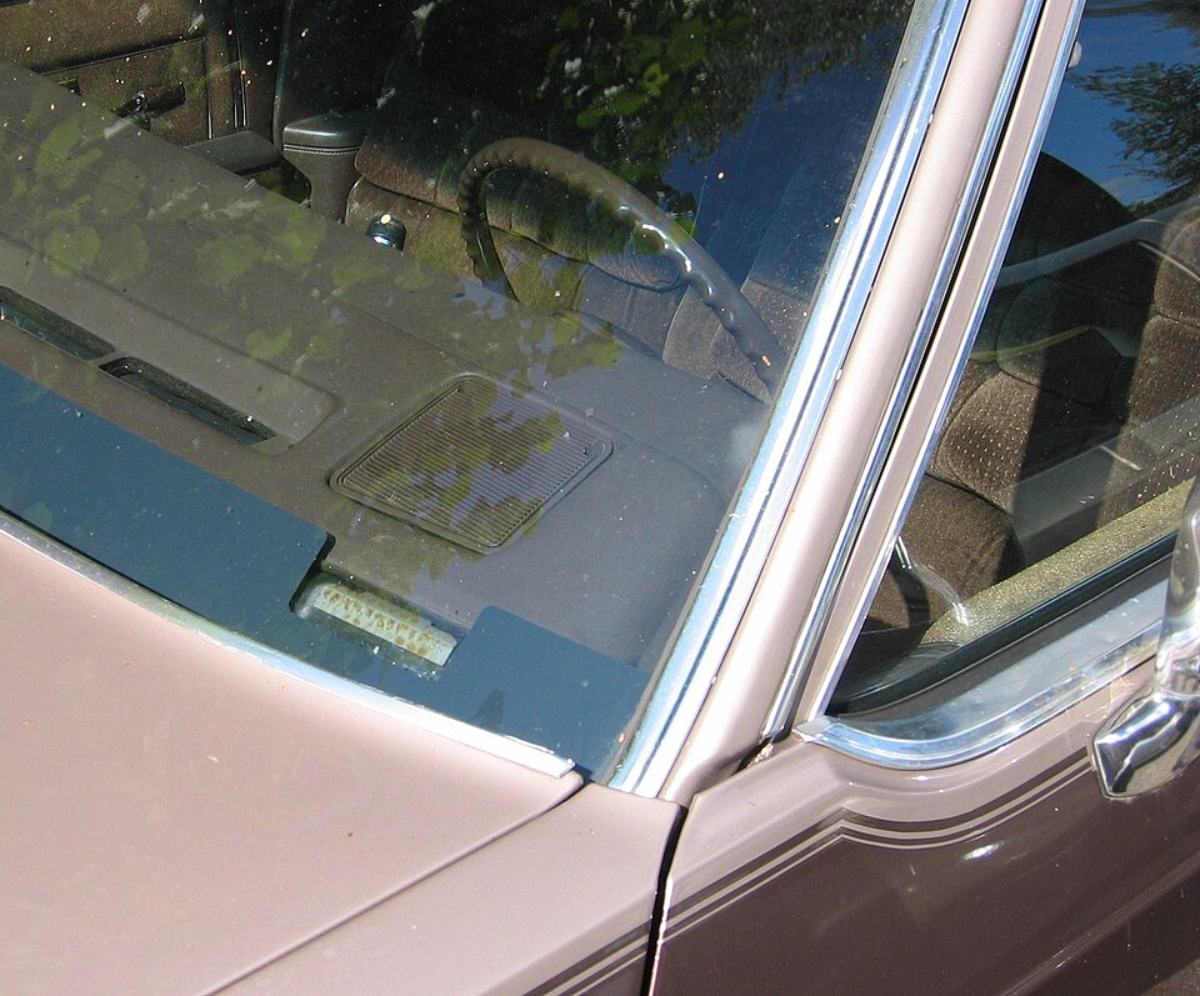
The Federal Trade Commission lists the basics: mud or sand under the seats or dashboard, rust around the doors, and loose, stained or mismatched carpet, plus a sniff test for mold, decay or heavy cleaning products in the cabin and trunk. The NICB adds a closer look at electrical connections, where iron shows rust, copper turns green and aluminum leaves a white powder, and a check for moisture inside the headlights.
Silt in the glove box, the spare-tire well or under the carpet is hard to clean out completely, which makes those spots worth lifting and looking into. Every switch, window, light and screen should be tested, since intermittent electrical behavior is one of the more common signs. A water line on the engine bay or door panels, where it exists, shows how high the water reached.
For a closer look at cabin, electrical and engine-bay clues, review these warning signs of water damage in a car. Use the findings to prepare questions for an independent mechanic.
The independent inspection
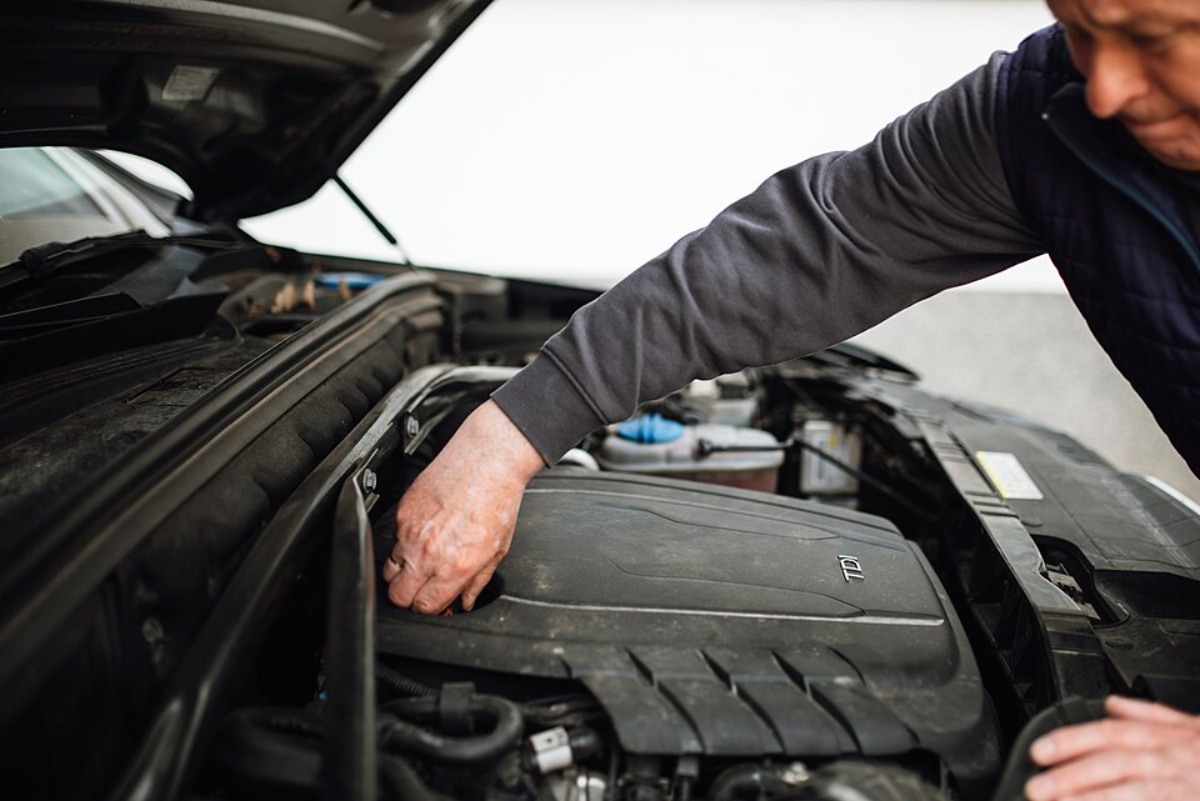
The final check should be done by a mechanic the buyer chooses, with a focus on the electrical system, the underside and the fluids. A diagnostic scan can surface stored trouble codes that a test drive does not.
A seller who refuses a pre-purchase inspection is a reason to walk away. Price negotiation can wait for the inspection report.
Insurance, financing and resale after buying one
Getting coverage
Insurers generally will not write a policy on a car that still carries a salvage title, since it cannot be legally driven. After the car is rebuilt and inspected, coverage becomes available, though many insurers offer only liability on rebuilt-title cars, a smaller group will add comprehensive and collision, sometimes after an independent appraisal, and some will not write these cars at all. Premiums are often higher as well.
The sensible order is to ask before buying. A quote on the specific car, by VIN, answers whether full coverage is available; how to get auto insurance quotes covers how to collect several. What a liability-only policy leaves unprotected is spelled out in liability vs full coverage, and for a car with a history of electrical trouble, that gap is not small.
Financing
Many lenders are reluctant to finance salvage or rebuilt-title vehicles, because the collateral is harder to value. A buyer who needs a loan should confirm that a lender will fund the specific car before committing. Paying cash avoids the question but leaves the buyer carrying all the risk.
Resale value
Published estimates put the discount on a rebuilt-title car at roughly 20 to 50 percent below a comparable clean-title car, depending on the model, its age and how extensive the original damage was. A flood history can pull a car toward the deeper end, because buyers worry about electrical problems that no inspection can rule out. The brand also stays on the record for the life of the car, so the discount that was paid at purchase tends to reappear when the car is sold.
The math: is the discount big enough?
Discount versus repair headroom
The discount works as a repair fund. If a clean-title version of the car costs $16,400, a flood-damaged one priced 20 percent lower saves $3,280, and that sum is the room the buyer has before the savings are gone. By our calculation, a single repair at the low end of the engine range above, $2,500, would use roughly three-quarters of the headroom at a 20 percent discount, while a repair at the high end, $10,000, would exceed it at every discount shown.
| Discount from a $16,400 clean car | Price paid | Repair headroom | Left after a $2,500 repair | Left after a $10,000 repair |
|---|---|---|---|---|
| 20% | $13,120 | $3,280 | $780 | -$6,720 |
| 30% | $11,480 | $4,920 | $2,420 | -$5,080 |
| 40% | $9,840 | $6,560 | $4,060 | -$3,440 |
| 50% | $8,200 | $8,200 | $5,700 | -$1,800 |
The repair figures are a yardstick for one major failure. Actual bills depend on the car and on how far the water got. A seller asking 20 percent less than a clean car is pricing the vehicle as if the water barely mattered, while published resale discounts for rebuilt-title cars run from 20 to 50 percent. Before treating the discount as savings, compare it with the potential repair costs of a flood-damaged car. Use the examples to question the seller’s numbers, then obtain an independent estimate for the actual vehicle.

What the discount does not cover
The table counts dollars only. It leaves out the weeks a car may spend in a shop, the chance that an airbag or brake fault goes unnoticed, and the limits on insurance that apply even to a car that has been repaired well. It also leaves out resale, since the same stigma that lowered the price at purchase lowers it again at sale.
The discount is payment for taking on risk. A buyer who accepts it should be able to absorb the downside, which is a major repair that the insurer will not pay for and a car that is slow to sell.
If a flood car was bought without knowing
A car that turns out to be flood-damaged after the sale is a different problem from one bought knowingly. The FTC advises reporting suspected fraud to the NICB, to the FTC through ReportFraud.ftc.gov and to the state attorney general. Disclosure rules and buyer remedies vary by state, and an as-is sale does not settle every question, especially when a seller knew about the damage and hid it, so a consumer-protection attorney is the right person to ask about options.
Documentation helps in any case. The title and bill of sale, every history report, photos of water lines or silt, and a written statement from a mechanic about what was found should all be kept together.
Repair costs, resale discounts and title rules differ by state, vehicle and insurer, and the dollar figures in the examples are illustrations. A vehicle inspection by a qualified mechanic and a written insurance quote for the specific car settle what applies to any particular purchase.

RELATED AUTO INSURANCE GUIDES
Auto Insurance
Factors affecting high-risk driver auto insurance cost
Auto Insurance
Actual cash value of my car: how it is set and disputed
Safety & Driving
What to do if car won’t start after driving through water
Safety & Driving
Water damage car repair cost: what drives the bill