

A total-loss letter from an insurer reads like a final verdict, and plenty of owners assume the car leaves with the tow truck whether they like it or not. The real situation has more moving parts, including a smaller check, a permanent mark on the title and a driving ban that can last until a state inspector signs off. Those terms tend to surface only after the paperwork has been signed. Auto Insure News went through how keeping a totaled car works, what the choice costs in dollars and where the rules differ from state to state.
Can a car the insurer has totaled be kept?
In most states, yes. The owner tells the insurer the car is staying, and the insurer lowers the settlement to reflect what it will no longer collect by selling the wreck. Nothing in that arrangement is automatic, though, and a few states restrict it outright.
How owner retention works
After a total loss is declared, the insurer offers the car’s actual cash value, minus the deductible. An owner who wants to keep the vehicle says so to the claims adjuster, and the insurer then works out the car’s salvage value, which is the amount a licensed salvage buyer would pay for the damaged car. That figure comes off the payout, a new settlement is issued, and the insurer reports the retention to the state so that a salvage title or certificate can be issued.
Timing matters more than most owners expect. The request is easiest to make as soon as the total loss is declared and before the car has been moved to a salvage yard, where retrieval gets more complicated, and it is worth following up in writing.
Nothing obliges an owner to accept the first valuation either. Both the car’s value and the salvage figure can be questioned, which comes up again below.
Where retention is restricted
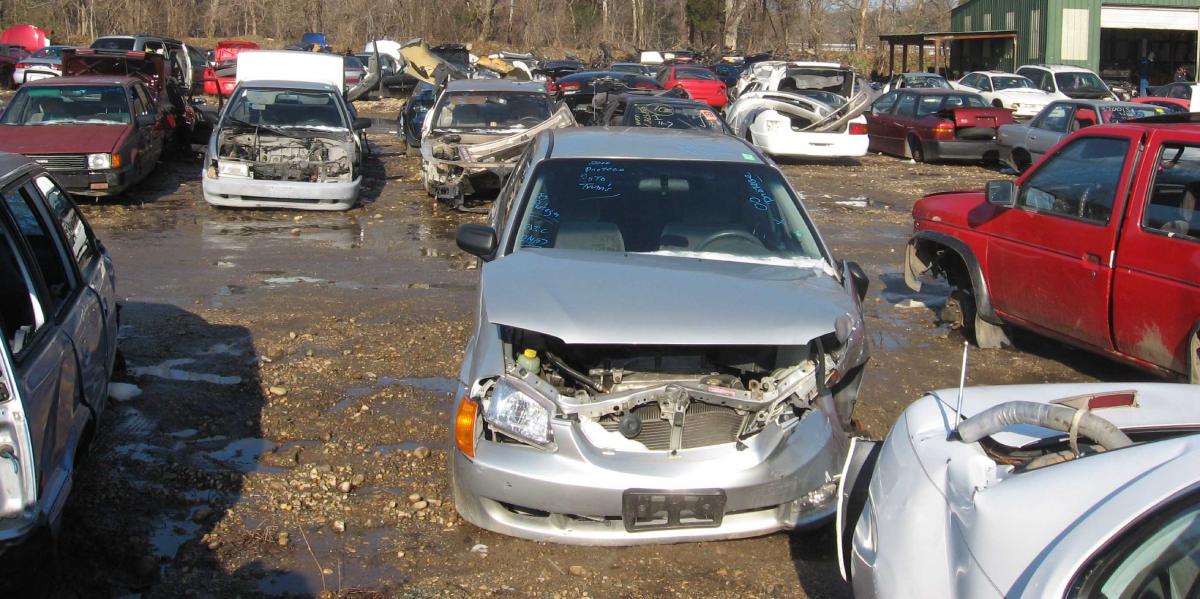
Illinois is the clearest example of a state that does not leave the choice to the owner. Under the Illinois Vehicle Code, an insurer that pays a total loss claim is treated as the owner of the vehicle, and the registered owner may keep it by agreement with the insurer in only two situations: when the car has sustained hail damage that does not affect its operational safety, or when the car is at least nine model years old. Outside those exceptions, the insurer takes possession.
Insurers can also decline a retention request on their own. Safety concerns and worries about liability if a badly damaged car returns to the road are the usual reasons given. A refusal can be challenged by pointing to the state’s motor vehicle rules or by supplying an independent repair estimate.
A separate limit applies when the damage is so severe that the state classifies the vehicle as nonrepairable. California’s DMV says that once a Nonrepairable Vehicle Certificate is issued, the vehicle cannot be titled or registered for use again. The Texas DMV says a nonrepairable vehicle may never be registered or operated on public roads and can serve only for used parts or scrap metal. In that category the car is useful only as a source of parts.
When a total loss does not brand the title
Total loss and salvage title are related ideas that do not always line up. Insurers declare a total loss when the repair estimate crosses a state threshold, which commonly sits somewhere from 60 to 100 percent of the car’s value, or when repair cost plus salvage value exceeds the car’s value in states that use a formula. State salvage-title rules have their own triggers. In some states a car that the insurer sends to auction as a total loss still carries a clean title because it falls below the state’s branding threshold.
That distinction changes the stakes of keeping a car. Where no brand is required, the retained car avoids the title consequences discussed later, although the salvage deduction still applies. Whether a given car falls on one side or the other is a question for the state motor vehicle agency, since the insurer’s declaration alone does not answer it.
What the insurer pays when the car stays with its owner
The salvage deduction
The settlement for a retained car is the actual cash value, minus the deductible, minus the salvage value. Published estimates put salvage value anywhere from roughly 10 to 40 percent of the pre-loss value, depending on the make and model, how bad the damage is and how much demand exists for the parts. Late-model cars with in-demand components tend to sit toward the higher end.
The table below uses a car valued at $12,000 with a $500 deductible. Surrendering the car pays $11,500. Keeping it pays less by exactly the amount of the salvage figure.
| Salvage value (share of $12,000) | Salvage amount | Payout if the car is surrendered | Payout if the car is kept |
|---|---|---|---|
| 10% | $1,200 | $11,500 | $10,300 |
| 25% | $3,000 | $11,500 | $8,500 |
| 40% | $4,800 | $11,500 | $6,700 |
The real number comes from the insurer’s own salvage bid, so asking for it early shows which row applies.

Checking and challenging the number
Two figures drive the decision: the salvage deduction and the adjusted payout. Requesting both in writing lets an owner compare them with an independent quote. A local dealer or a salvage buyer can say what the damaged car would fetch, and if that offer is higher than the insurer’s deduction, keeping the car and selling it privately can leave more money than the standard settlement does.
The actual cash value deserves the same scrutiny. A valuation built on comparable listings in the owner’s own market, plus documentation of the car’s condition and options, is the usual basis for asking an insurer to revisit a low figure. A higher value raises every row in the table above.
When the car is financed
A car with a loan complicates retention, because in many states the lender holds the title until the balance is cleared. The insurer pays the lienholder first, and any remainder goes to the owner. A lender generally has to agree to the owner keeping the car, and the loan balance has to be settled. Loan payments continue until the lender confirms the account is closed.
The salvage deduction hits financed owners directly. Suppose the same $12,000 car carries a $10,000 loan balance. If the car is surrendered, the lender receives $10,000 and the owner receives the $1,500 left over. If the car is kept, the insurer’s $8,500 goes to the lender, and the owner has to produce the other $1,500 before the lien is released. The swing between the two outcomes is $3,000, the same as the salvage figure.
Gap coverage pays the difference between a car’s value and the loan balance after a total loss. Whether it also absorbs a salvage deduction depends on the language in the gap contract, so the question belongs with the gap provider before the retention paperwork is signed.
Titles, inspections and the road back to legal driving
The salvage title or certificate
Retention triggers a reporting chain. In California, the insurer has to notify the DMV of the retention and tell the owner of the responsibility to apply for a Salvage Certificate within 10 days of the settlement, according to the California DMV. The certificate then becomes the ownership document for the car, in place of the usual title.
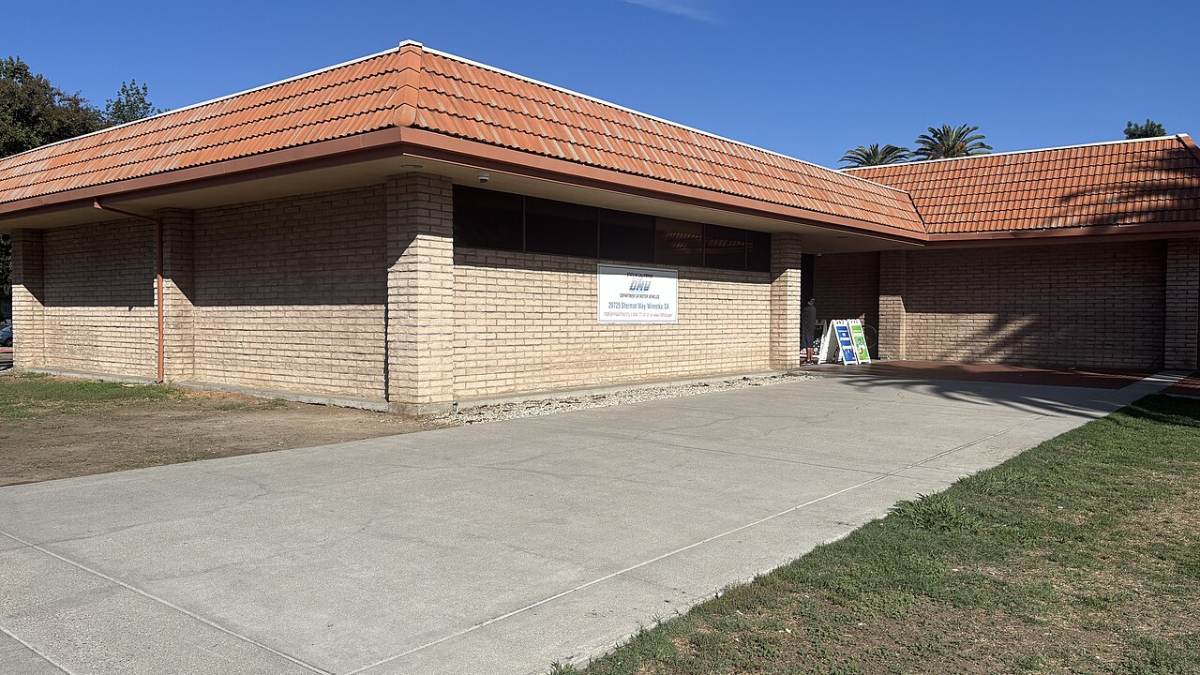
Texas runs a similar process with sharper language. The state’s notice to owners, form VTR-436, says the vehicle has been reported to the Texas DMV as owner-retained and that the registration is no longer valid. A salvage vehicle cannot be operated on public roads until it has been repaired, retitled as a rebuilt salvage vehicle and registered again, and the owner has to apply for the salvage title before repairing the car or selling it. When the insurer does not take ownership of the car, the owner-retained report is due within 30 days.
The details differ elsewhere, but the pattern holds across states: the registration lapses, the brand goes onto the record, and driving stops until the car clears the state’s rebuild process.
Repairs, inspection and the rebuilt title
Getting a retained car back on the road usually runs in a fixed order. The repairs come first, documented with parts and body shop receipts and before-and-after photos, since the state will want proof of where parts came from and what was done. The owner then applies for an inspection, which in many states checks the vehicle identification number against the parts used and screens for stolen components. The agency conducting it varies widely; state police, highway patrol, sheriff’s offices and motor vehicle departments all appear in different states. California adds a brake and light check and a smog test.
A car that passes is retitled with a rebuilt brand. The wording differs by state, with “rebuilt salvage,” “reconstructed” and “restored salvage” all in use, but the effect is the same: the car can be registered and driven again, and the record shows it was once totaled.
Why the brand stays
The rebuilt brand is permanent. Selling the car later means telling the buyer; California’s DMV page, for one, requires the seller of a total loss salvage vehicle to disclose that status before the sale. Vehicle history reports surface the same information to a buyer who never asks. Repairs done well improve the car but do not remove the entry on the record, which is why the brand shapes both insurance options and resale value.
Insurance and resale value after keeping a totaled car
Getting coverage on a salvage or rebuilt car
Insurers generally will not write a policy on a car that still carries a salvage title, since it cannot be legally driven. After the car is rebuilt and inspected, coverage becomes available, though with limits. Many insurers offer only liability on rebuilt-title vehicles. A smaller group will add comprehensive and collision, sometimes after an independent appraisal establishes the car’s value, and some carriers will not write rebuilt-title cars at all. Premiums are often higher as well.
The practical lesson is to confirm coverage before committing to the rebuild instead of after it. How the layers of a policy differ, and what a liability-only policy leaves unprotected, is covered in liability vs full coverage, and getting several carriers on the record is the subject of how to get auto insurance quotes.
One gap deserves attention. A damaged car waiting in a driveway or a shop while repairs are arranged is exposed to fire, theft and storms. Whether the insurer will keep comprehensive coverage in force during that stretch is worth asking before the retention is finalized.
What a rebuilt title does to resale value
Published estimates put the discount on a rebuilt-title car at roughly 20 to 50 percent below a comparable clean-title car, with the exact figure depending on the model, the age and how extensive the original damage was. Buyers and dealers tend to be wary, financing can be harder to arrange and the pool of interested buyers is smaller. A car repaired with strong documentation and a clean inspection sits toward the better end of that range.
The discount is why the retention decision rarely rests on the car’s pre-accident value. The relevant number is what the rebuilt car will be worth, not what it was worth before the crash.

What the math says about keeping the car
The break-even repair cost
Keeping the car beats surrendering it only when the rebuilt car’s value, minus the salvage deduction, minus the title and inspection costs, is greater than the repair bill. By our calculation, a $12,000 car with a $3,000 salvage deduction and an assumed $400 in title, inspection and registration costs leaves the following maximum repair spend before keeping loses ground.
| Rebuilt-title discount | Rebuilt car’s value | Highest repair cost at which keeping still breaks even |
|---|---|---|
| 20% | $9,600 | $6,200 |
| 30% | $8,400 | $5,000 |
| 40% | $7,200 | $3,800 |
| 50% | $6,000 | $2,600 |
Fees vary by state, and $400 is an illustrative figure, not a quote. The comparison also treats the rebuilt car at its resale value, which understates the worth of a car that an owner intends to drive for years.
The second table fixes the discount at 30 percent and varies the repair bill, comparing the cash left over plus the rebuilt car’s value against the $11,500 an owner would get by surrendering the car.
| Actual repair cost | Keep: cash left plus rebuilt car’s value | Surrender | Difference |
|---|---|---|---|
| $3,000 | $13,500 | $11,500 | +$2,000 |
| $5,000 | $11,500 | $11,500 | $0 |
| $8,000 | $8,500 | $11,500 | -$3,000 |
A repair estimate near the total-loss line is where this breaks against the owner. On a $12,000 car, a 75 percent threshold puts the line at $9,000, and the formula used in some states (repair cost plus salvage value above the car’s value) lands at the same $9,000 when the salvage figure is $3,000. An insurer estimate at or above that level means keeping pays only if the real repair cost comes in far below the estimate, which is possible with used parts and the owner’s own labor.
When keeping tends to make sense
Cosmetic damage is the strongest case, hail being the standard example, because dents on a sound frame can often be repaired cheaply. Owners with the skills and time to do repairs themselves, who pay only for parts, also reach the left side of the second table quickly.
Rare or sentimental vehicles are a different kind of exception. A car that cannot easily be replaced, or a model whose parts are worth more sold separately than the salvage deduction, can justify the trade even when the arithmetic is thin.

When surrendering the car usually wins
Structural damage makes repair costs hard to predict, and airbag deployment and missing repair receipts tend to push the resale discount toward the deep end of the range. A high loan balance narrows the owner’s flexibility, since the shortfall has to be paid before the car can be kept. Owners who plan to sell within a few years take the rebuilt-brand discount at sale time.
Insurance is the final filter. A rebuilt car that cannot be covered beyond liability puts every future repair on the owner, and for a newer vehicle that can erase any savings.
Disputing the total loss itself
Some owners who want to keep a car are better served by contesting the total-loss call than by retaining the wreck. A repair estimate from an independent shop that comes in under the insurer’s threshold can persuade the insurer to repair the car instead, and a repaired car avoids the salvage title altogether. This route works best when the damage is mostly body work and the gap between the two estimates is wide.
What to settle with the adjuster before signing
A handful of answers should be in writing before retention paperwork is signed: the salvage deduction and how it was calculated, the adjusted payout, whether the state will treat the car as salvage or nonrepairable, what the lender requires if a loan exists, and whether the insurer will keep any coverage in force during repairs. With those answers in hand, the comparison in the tables above can be run with real numbers.
Salvage values, repair costs, inspection fees and title rules differ by state, insurer and vehicle, and the dollar figures in the examples are illustrations. The state motor vehicle agency and the insurer’s written settlement offer determine what applies to any particular car.

RELATED AUTO INSURANCE GUIDES
Auto Insurance
Factors affecting high-risk driver auto insurance cost
Auto Insurance
Actual cash value of my car: how it is set and disputed
Safety & Driving
What to do if car won’t start after driving through water
Safety & Driving
Water damage car repair cost: what drives the bill