

A car that won’t start after driving through water should stay off and be towed for inspection. Water may have reached the cylinders or the electrical system. A symptom alone cannot say which. Another start attempt can worsen damage if water is already trapped in a cylinder. Auto Insure News covers what to do first and how comprehensive coverage treats the loss.
What to do right after a car stalls or won’t start
The car can wait until the area is safe to approach. Hybrids and EVs carry a high-voltage system, so the dealer is the place for those. For a gasoline or diesel car, five steps protect the engine and the claim.
- Leave the engine and the accessories off until a mechanic has inspected the car, even if the key was already turned once or twice. Starting can cause serious damage when water is inside the engine or cylinders, a point made in State Farm’s flood guidance.
- Photograph the waterline and the spot where the car stopped once the area is safe, before anything is moved.
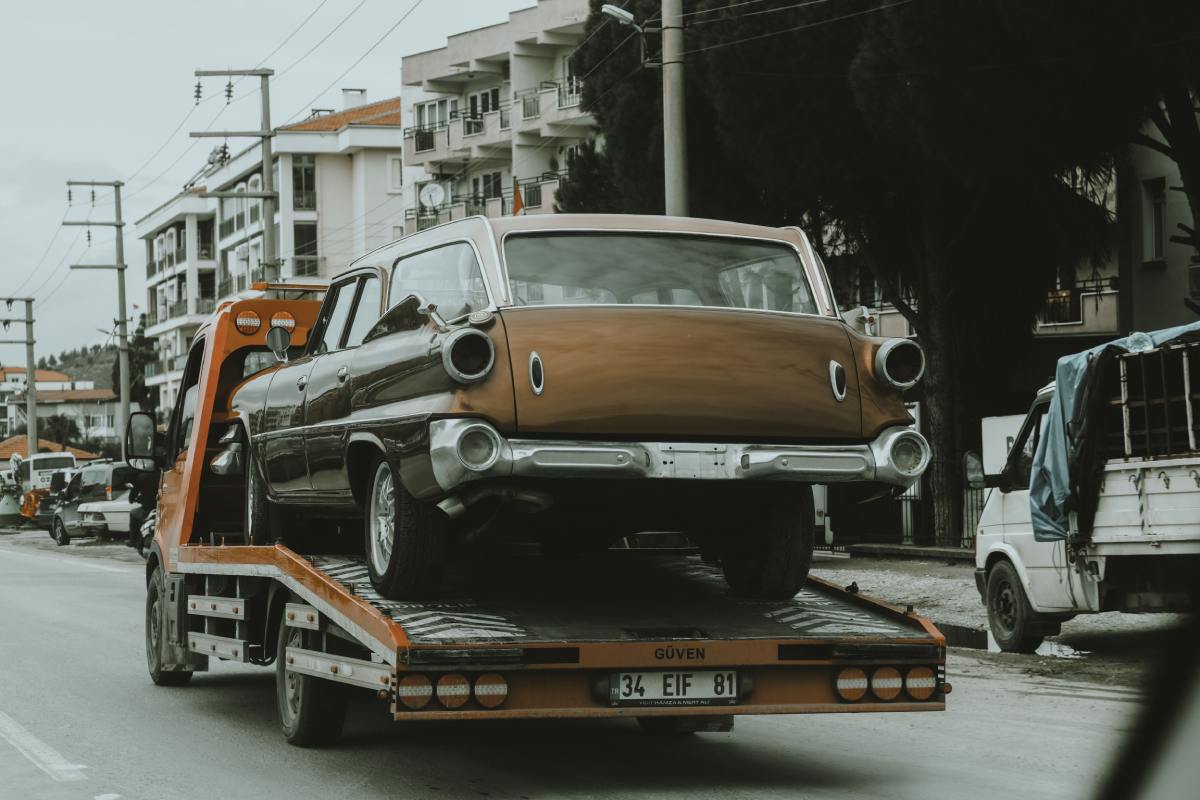
- Have the car towed or recovered. A short drive to see how it behaves risks more damage.
- Tell the tow driver and the shop that water is the suspected cause. Whether the battery should be disconnected depends on the model, so the tow operator or the shop is the one to ask.
- Call the agent or insurer before repairs begin. Follow the steps for filing a flooded car insurance claim to organize your photographs, towing records and inspection documents.
What do the sounds and symptoms point to?
What the car did when it died, or at any attempt already made, gives the shop clues. The key should not be turned again to test them, since each crank with water in a cylinder can bend a connecting rod. The readings overlap, so they narrow the search without settling it.
A sudden stall, sometimes with a knock as the engine died, fits water reaching the cylinders while the engine was running. An engine that will not turn, or turns only slowly, can mean liquid is blocking a cylinder. A weak battery or a failed starter gives the same result. An engine that cranks normally but never catches points toward the fuel or ignition side, where wet ignition parts or water in the fuel both fit.
A single click or rapid clicking often traces to a weak battery or a starter or relay fault. Flood damage to those parts can give the same sound. Total silence with no dash lights suggests a dead battery or a broken connection, or wet fuse boxes and wiring after a flood. Wet parts can mimic any of these. Only an inspection tells the causes apart.
Why won’t a car start after driving through water?
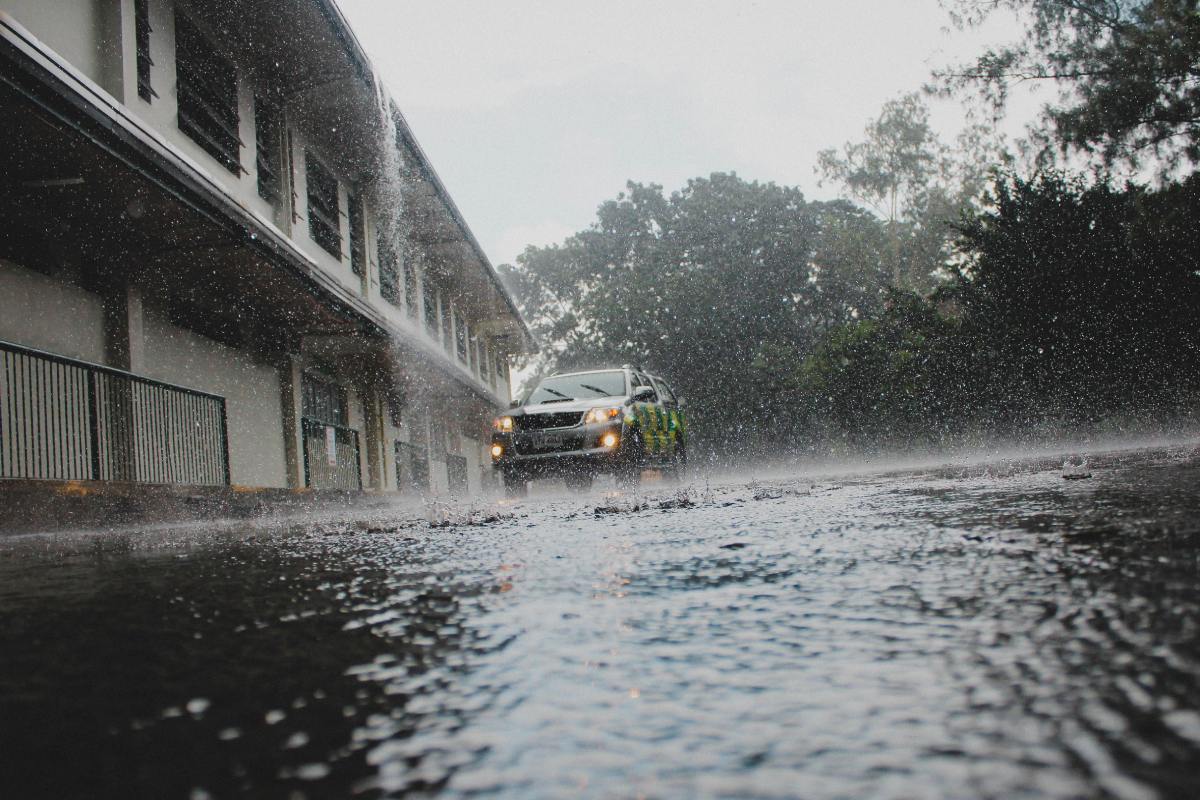
A running engine takes air in through the intake. Water drawn in with that air can stop the engine within moments. As little as six inches of water can be enough to cause a stall or a loss of control.
A stall alone does not show what happened inside. Water may sit in the cylinders or the wiring. Some cars have both.
Water in the cylinders
Water is nearly incompressible, so a piston rising against it cannot finish its stroke. The connecting rod is often the part that bends or breaks. That condition is hydrolock, and the water damage repair costs climb quickly once internal parts are involved. A shop that is told about the water can clear the cylinders before anything turns over.
Wet electrical parts
A car can refuse to start with a healthy engine. Water in the fuse box or the wiring harness can stop it from cranking or firing. Control modules and connectors often sit low in the cabin, so water that reaches the floor can reach them too.
Damage in these parts can stay hidden. Components that were wet can corrode later and cause faults weeks afterward. Salt water raises the corrosion risk, so a car that sat in it is an urgent electrical case.
A no-start may be only one clue. Review other signs of water damage in a car, including cabin moisture and corrosion, so you can describe what you have already noticed to the shop without restarting the vehicle.
Water in the intake, ignition or fuel
An engine can also stall from a soaked air filter or wet ignition parts. The same result follows from water in the fuel. Aftermarket cold-air intakes can sit low and give water an easy path to the engine, so a car fitted with one is worth mentioning to the shop.
What does a shop check before the engine is turned over?
A careful inspection keeps the engine from turning until the cylinders are known to be clear. Telling the shop at drop-off that the car went through water lets it plan around that.
| What is checked | What it can show |
|---|---|
| Air filter and intake | Whether water was drawn toward the engine. |
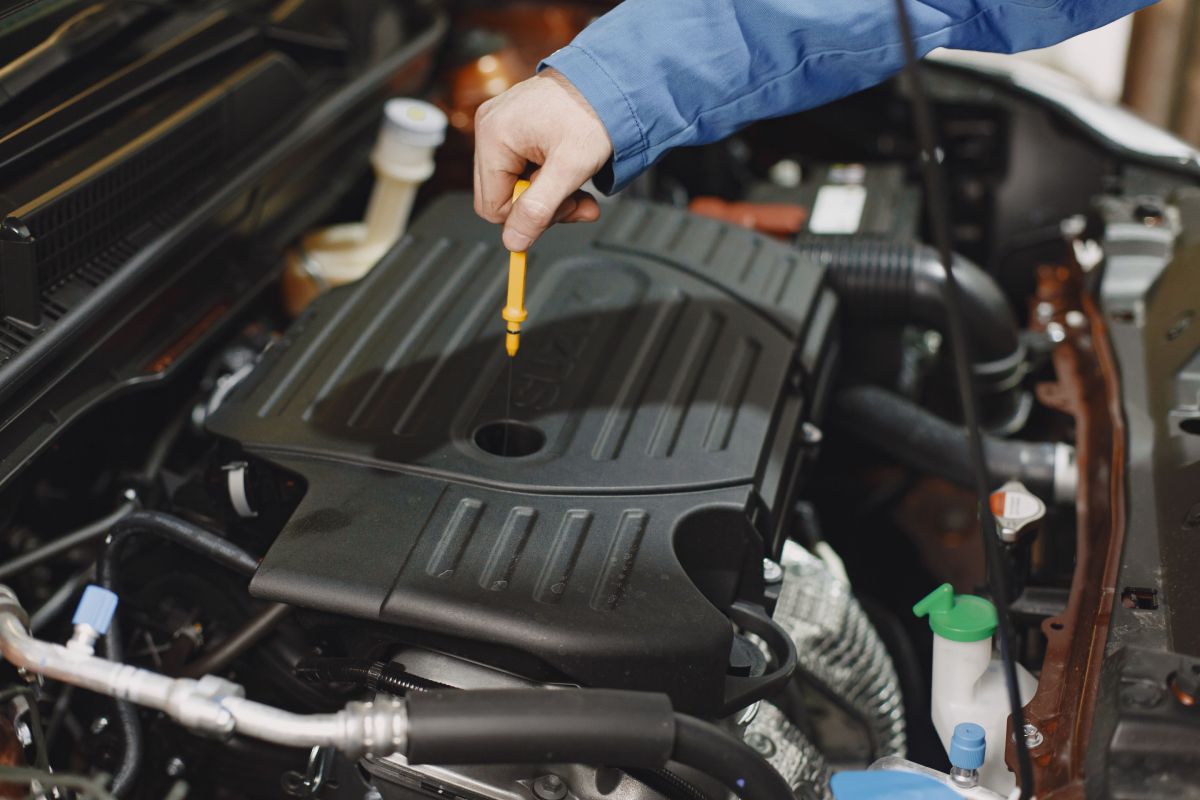
| Oil dipstick | Water droplets, or an oil level that looks too high, can mean water reached the engine. |
| Spark plug holes (gasoline engines) | Access for the technician to inspect the cylinders and clear trapped water using the proper procedure. |
| Fuel tank, lines and filter | Water in the fuel system. |
| Fuse boxes, wiring harness and modules | Wet or corroded electrical parts, which can be the whole reason for a no-start. |
| Transmission and differential fluids | Water that got past the vents. |
A diesel has no spark plugs, so shops typically work through the glow plug or injector openings. Timing matters a great deal. In mild cases, draining the water and changing the oil may be enough, provided the cylinder walls have not corroded. If the engine was cranked with water inside, the work can reach internal parts and the bill climbs with it.
Does insurance cover a car that won’t start after driving through water?
What comprehensive covers
Flood damage falls under comprehensive car insurance, a point outlined in the Texas Department of Insurance guidance on flooded cars. The policy’s usual comprehensive deductible applies. Collision and liability coverage do not pay for water damage to the policyholder’s own car, so a policy without comprehensive leaves the loss uncovered. Unsure whether the diagnosis points to flood damage or a mechanical problem? Review when auto insurance covers engine failure to understand why the cause of the damage matters.
Facing a repair estimate that raises questions about whether the car is worth fixing? Read what happens when insurance totals a car due to flooding to understand the decision, settlement and paperwork that follow.. The old rule that water at the dashboard means a total loss no longer holds reliably.
When the drive or a restart complicates the claim
Insurers publish different guidance on a drive into standing water, and the wording of the actual contract controls. In Amica’s published guidance, a claim is probably denied when the owner drove through deep water on purpose to cause damage. In Lemonade’s, a knowing drive past flood warnings counts as intentional misuse that leads to denial even with comprehensive coverage. A policyholder facing a denial should ask for the reason in writing along with the policy provision cited.
Relevant facts include whether the road was closed and how deep the water looked from the driver’s seat. An honest note of each, made soon after, keeps the account consistent.
A restart that makes the damage worse could be cited by an insurer as increasing the loss, although no standard rule dictates how any one insurer will treat it.
Standard personal auto policy wording commonly requires the insured to protect the car from further loss and to allow an inspection before repairs. Each insurer’s wording varies. Tow receipts and a shop invoice dated before any repair attempt show the order of events. Towing is covered under some policies and left out of pocket under others, so the adjuster is the one to ask.
What if the car starts again after it dries out?
It should still be inspected before anyone drives it. Water drawn into the engine can cause major damage even if the car seems to run later. A dry-looking car proves little.
The checks to make after driving through water cover delayed electrical faults, mold and odors, plus the special case of hybrids and EVs. A car that runs again can still carry damage that has not shown yet.

RELATED AUTO INSURANCE GUIDES
Auto Insurance
Factors affecting high-risk driver auto insurance cost
Auto Insurance
Actual cash value of my car: how it is set and disputed
Safety & Driving
What to do if car won’t start after driving through water
Safety & Driving
Water damage car repair cost: what drives the bill