

A flooded car can look salvageable in the driveway and still be headed for a total loss by the time the adjuster finishes. The first hours matter more than most owners expect, because the car gets photographed where the water left it and the engine stays off. Auto Insure News walks through a flood claim in order, from the first phone call to the final payment, using guidance from the Texas and Maryland insurance departments, Consumer Reports and the claim-handling rules of California and Texas.
Does car insurance cover a flooded car?
Comprehensive coverage pays for flood damage. It is the part of an auto policy that handles losses other than collisions. The Texas Department of Insurance (TDI) says a policyholder with comprehensive is covered for flood damage and points to the declarations page as the place to confirm it.
Liability and collision coverage do not pay for flood damage to the policyholder’s own car. A policy sold as full coverage pays only if comprehensive is one of its parts, since the phrase is a sales label with no fixed legal meaning.
State law generally does not require comprehensive, so a car insured for liability alone has no flood claim to file. Lenders and leasing companies commonly require it, so a financed or leased car usually has it. The guide to comprehensive car insurance covers what the coverage pays and excludes. A separate piece on liability vs full coverage explains how the common policy bundles differ.
What to do in the first days after a car floods
Filing the claim
TDI tells owners to contact the agent or insurer as soon as possible after finding the damage. The first call goes better with a short list in hand. Consumer Reports advises asking for the following:
- The claim number, with the adjuster’s name and phone number
- When the adjuster is expected to make contact
- A payout estimate
- How out-of-pocket costs can be limited
- The rental reimbursement terms, before any car is rented
Consumer Reports also lists where the car was last seen among the details for that call. TDI says an adjuster may take a while to visit.
A car that cannot be reached is a separate case. Consumer Reports suggests asking whether the insurer uses drones. TDI points owners of a car that floated away to the local police department’s unclaimed autos unit.
The Texas prompt-payment statute defines notice of a claim as written notification, and several of the insurer’s deadlines run from receiving it. A short email or portal message after a phone report puts a written date on the claim.
Records that support the claim
Records do two jobs. They show what shape the car was in before the flood, and they document the damage afterward.
| Record | What it supports |
|---|---|
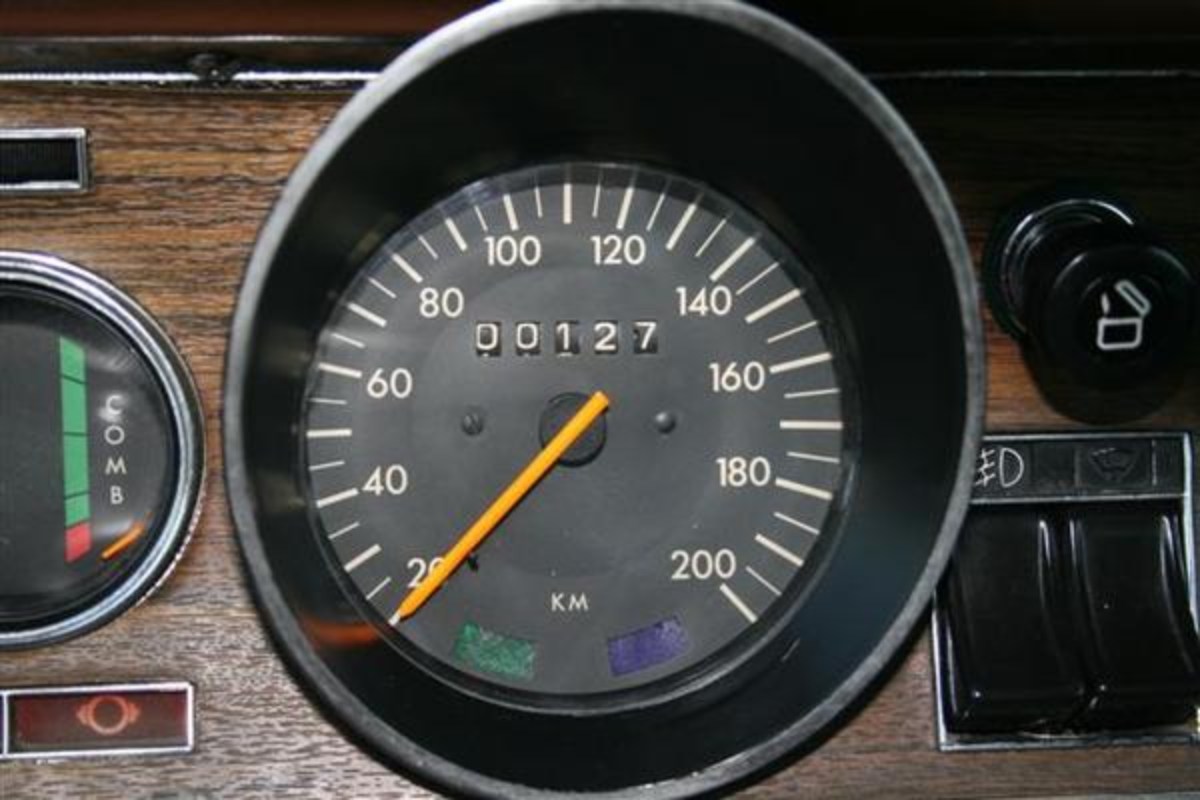
| Photos and video of the car, the waterline inside it, the odometer and the street around it | TDI calls for photographing the damage and, if possible, the submerged car. Consumer Reports adds noting how high the water rose. |
| The declarations page | Shows whether comprehensive coverage was in force and what the deductible is. |
| Maintenance records and receipts for recent work | New tires, brakes or other major work can support a higher valuation, and receipts are the proof. |
| Listings for similar vehicles and a list of special features | Material for the valuation conversation if the first offer looks low. |
| Claim number, adjuster contact details and a log of calls | A record of what was said, when and by whom, useful if the insurer’s timing or statements are later disputed. |
| Loan or lease paperwork, with any gap policy | A lender named on the policy is typically paid first out of a total-loss settlement. A gap policy, where the car has one, is meant to cover the difference between the settlement and the loan balance, subject to the contract’s terms. |
| Receipts for towing, storage, drying and rental | Some of these costs may be reimbursed depending on the policy, and the insurer will ask for receipts. |
Did the same storm also dent the bodywork or break the glass? Review the hail damage claim process and tell the adjuster about both types of damage rather than assuming every repair has the same cause.
Policy duties and what to leave alone
The personal auto policy form from the Insurance Services Office is a template many insurers use or adapt. It contains a duties-after-loss section, and two provisions bear on a flooded car. One requires the insured to take reasonable steps to protect the car from further loss, with the insurer paying reasonable expenses for doing so. The other requires the insured to let the insurer inspect and appraise the damaged vehicle before it is repaired or disposed of. Each insurer’s own wording varies.
In practice the car is not sold or repaired before the insurer has seen it. A car left wet can pick up mold and corrosion, the kind of further loss the duty to protect the car is aimed at. TDI says drying is best left to a professional and that a mechanic should inspect the car before anyone tries to start it. Consumer Reports also says to leave the engine off, and adds that drying speed matters most when the water was salt water.
A tow or a drying service may or may not count as a reasonable protective expense under a given policy. The adjuster can say which costs the insurer will accept. Receipts should be kept either way.
How do adjusters decide whether a flooded car is repaired or totaled?
How inspections are done
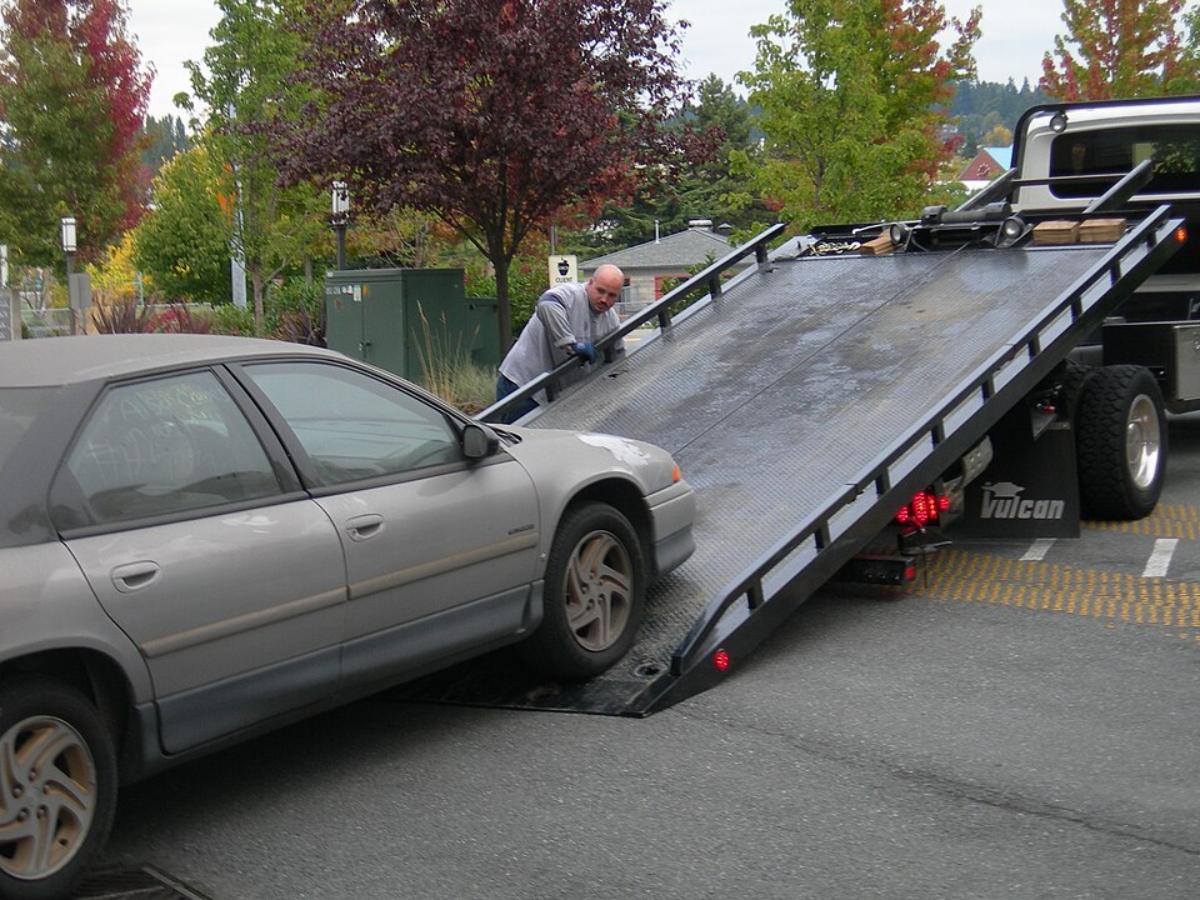
Adjusters may inspect a flooded car remotely over a video call, according to Consumer Reports. Insurers often tow a submerged car. The adjuster weighs the extent and type of damage along with the car’s age, make, model and mileage.
The inspection that declares a car salvageable or totaled usually does not take long. The wait comes before it, and it grows after a disaster that leaves many vehicles to assess.
Repair or total loss
Insurers compare the car’s actual cash value, what it was worth just before the flood, with the cost of repair. TDI says the old rule of thumb about water reaching the dashboard no longer holds reliably as a test for a total loss.
Consumer Reports gives the mechanical reasons. Water drawn into the air intake can fill the cylinders, computer modules can fail, and mold and long-term corrosion follow.
Some states attach a percentage. The Maryland Insurance Administration’s storm-damaged vehicle guidance describes a 75 percent line. It says the insurer may add the cost of a rental car and any hidden damage it expects to the known repair cost when applying it. The settlement arithmetic that follows a total-loss decision, from sales tax to the loan payoff, is worked through in what happens when insurance totals a car after a flood.
When the car goes to a shop
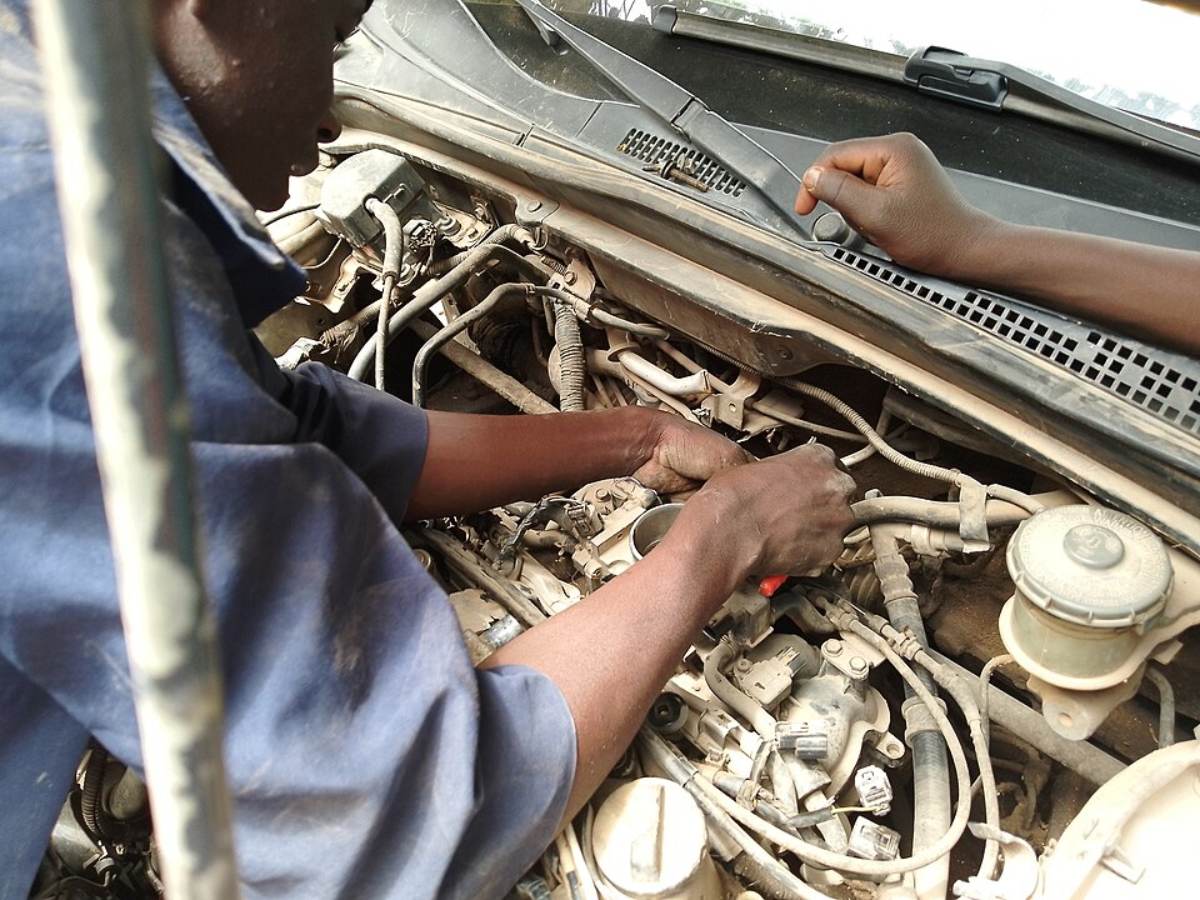
A flood does not always total a car. When the water stayed low, the insurer may approve repairs, and the first estimate then covers only what the adjuster could see. Maine’s insurance regulator says additional damage found after repairs start leads to a supplemental estimate that goes to the insurer for approval.
Once interior trim comes off, a shop can find electrical damage the first inspection missed. Consumer Reports lists failed computer modules among the reasons floods total cars.
For example, suppose a car was worth $17,450 before the flood. A 75 percent line then sits at about $13,088. The figures below are invented for illustration.
| Stage | What the shop reports | Cumulative estimate | Share of value |
|---|---|---|---|
| Adjuster’s first estimate | Seat and carpet removal, plus drying | $4,380 | 25.1% |
| First supplement, $2,140 | Corroded connectors and a failed control module found at teardown | $6,520 | 37.4% |
| Second supplement, $6,975 | A wiring harness section and the climate control unit | $13,495 | 77.3% |
The repair that began at about a quarter of the car’s value ends above the line, and the claim converts to a total loss. The shop may bill for teardown and storage already done, so it is worth asking before teardown who pays those charges if the insurer totals the car afterward.
Trying to understand the shop’s estimate? This water damage repair cost breakdown shows how labor, replacement parts and electrical work can build up before you review the figures with your adjuster.
What deadlines does an insurer have to meet?
Each state sets its own deadlines for how fast an insurer must acknowledge, decide and pay a claim. California and Texas show how far the details can diverge.
| Stage | California | Texas |
|---|---|---|
| Acknowledging the claim | Within 15 calendar days of notice, in writing or by a dated note in the claim file | Within 15 days of notice, when the insurer must also begin investigating and request any documents it needs |
| Deciding | Accept or deny within 40 calendar days after receiving proof of claim | Accept or reject within 15 business days after receiving every item it requested |
| If more time is needed | Written notice within the 40 days, then an update every 30 calendar days | Written notice of the reasons by the same deadline, then a decision within 45 days after the insurer sends that notice |
| Paying | Within 30 calendar days after acceptance, and after a signed release where one is needed | Within 5 business days after the insurer says it will pay |
California’s decision and payment limits come with a carve-out. Automobile repair bills under collision and comprehensive policies are exempt from them and follow separate provisions. A flood claim that ends in a repair shop therefore does not run on exactly this schedule. The acknowledgment deadline applies either way.
The California figures come from sections 2695.5 and 2695.7 of its fair-claims regulations. The Texas figures come from sections 542.055 through 542.057 of the Insurance Code. Texas measures the decision period from receipt of every requested document, so a slow reply to a paperwork request pushes the decision date back. The Texas insurance commissioner can extend the deadlines by 15 days after a weather-related catastrophe or major natural disaster. California’s regulations bar an insurer from repeatedly asking for information it does not reasonably need.
Maryland gives an insurer 10 business days to make a cash settlement offer once it decides a vehicle is a total loss. Each state’s insurance department publishes its own rules, and the NAIC directory of state insurance departments links to them. The general sequence for any kind of claim is laid out in the guide to filing an auto insurance claim.
FEMA gives National Flood Insurance Program policyholders 60 days to submit a proof of loss. NFIP policies exclude vehicles, so a car claim runs on the state deadlines above and the notice terms of the auto policy.
What happens when the claim is denied or the offer looks low?
Why flood claims get denied
The most basic reason is the absence of comprehensive coverage, and Amica’s coverage page adds that wear and tear is not covered.
One ground turns on intent. Amica’s page says a claim will probably be denied if the driver deliberately entered deep water to cause damage. An agent quoted by a consumer insurance site lists intent to cause damage or vandalize the car as one of three exceptions to comprehensive coverage. The same agent says driving through floodwater, intentionally or unintentionally, is otherwise covered under comprehensive, subject to the deductible.
Carelessness is a different question, and the guidance on it is not uniform. An independent insurance agency’s guide says driving into deep water despite warnings or visible flooding can be treated as negligence. Lemonade’s page says a claim is denied for intentional misuse when a driver ignores warnings and drives through flooded roads. The agent above treats the drive itself as covered. Which reading applies depends on the policy wording and on how the insurer applies it, so a denial on this ground is the one to check against the policy text. The guide to what to do after driving through water goes through the question in more detail.
Engine damage raises a third question. Consumer Reports says not to start a flooded car because water drawn into the cylinders can destroy an engine. One consumer guide says the exclusions most often invoked for hydrolock are neglect and misuse.
California’s regulations (title 10, section 2695.7) require a written denial to list every reason with the supporting facts and policy provisions, and to tell the policyholder that the Department of Insurance can review the decision.
Disputing the valuation or the denial
Texas’s complaint guidance lays out a sequence for disputing an auto claim estimate or valuation. Other states have similar offices, though the details differ. The sequence starts with telling the insurer why the offer looks wrong.
For a valuation, TDI points to quotes from used-car dealers, online prices and local ads for similar vehicles, along with documentation of special features. The sensible move is to send that evidence to the insurer. California’s section 2695.7(g) adds a backstop by barring unreasonably low settlement offers.
Does the offer seem low? Review how to check your car’s actual cash value and identify differences in trim, mileage or condition before putting together your counteroffer.
If talking does not move the number, many policies include an appraisal clause. Typically each side hires an appraiser, the two appraisers choose an umpire, and the umpire decides any disagreement over the amount of damage. Each side pays for its own appraiser, and the umpire’s cost is split. Appraisal rules only on the amount. A dispute over what is covered is taken up afterward. TDI tells owners to check the policy for a deadline to request appraisal, and the step is available only when the policy includes the clause.
The next step in Texas is a complaint to the Department of Insurance. It cannot order a company to pay a claim unless nonpayment breaks a law or the policy. The company gets 15 days to respond, with a 10-day extension available on request. TDI’s sequence ends with legal help.
Will a flood claim raise the premium?
Whether a flood claim raises the premium at renewal depends on the insurer. Practices range from no surcharge for a first weather-related claim to a noticeable increase. The insurer or agent can say how a comprehensive claim of this size would be rated.
A total-loss settlement brings title and paperwork questions, including whether the owner can keep the car. That is covered in the piece on keeping a car after the insurer totals it. Flood-branded cars that return to the market are the subject of the guide to buying a flood-damaged car.
State rules and policy terms differ, and the dollar figures in the example above are illustrations. In a dispute over coverage or valuation, the policy text and the insurer’s written offer or denial are the documents to have in hand, and the state department of insurance can explain how its complaint process works.

RELATED AUTO INSURANCE GUIDES
Auto Insurance
Factors affecting high-risk driver auto insurance cost
Auto Insurance
Actual cash value of my car: how it is set and disputed
Safety & Driving
What to do if car won’t start after driving through water
Safety & Driving
Water damage car repair cost: what drives the bill