

Classic cars are attractive targets because they are valuable, recognizable, and often easier to move with a trailer than a modern vehicle. A factory alarm or locked steering column may not be enough to protect a collector car that is stored for long periods or displayed at a show. The most practical approach is to combine secure storage, visible deterrents, hidden immobilization, tracking, and insurance documentation.
For owners in Gary and Northwest Indiana, that plan should also account for seasonal storage, public events, garage access, and travel between Gary, Hobart, Merrillville, Hammond, and nearby Lake County communities. This guide by Auto Insure News explains how to protect a classic car from theft in Gary without treating any single device as a guarantee.
Why classic cars need more than a standard door lock
Many older vehicles have simple ignition systems, limited factory security, and replacement parts that can be valuable in their own right. A thief may not need to drive the car away. A vehicle can be pushed, winched, or loaded onto a trailer, especially if it is parked outside or left unattended at a show.
This is why a good plan has two goals. First, it should make the car difficult and time-consuming to take. Second, it should improve the chance of locating and recovering the vehicle if theft occurs. The strongest protection usually combines measures that deter, delay, alert, and identify.
A theft-prevention plan also needs a realistic insurance record. Auto Insure News offers related guidance on vehicle coverage, claims, and ownership risks.
Start with secure storage in Gary
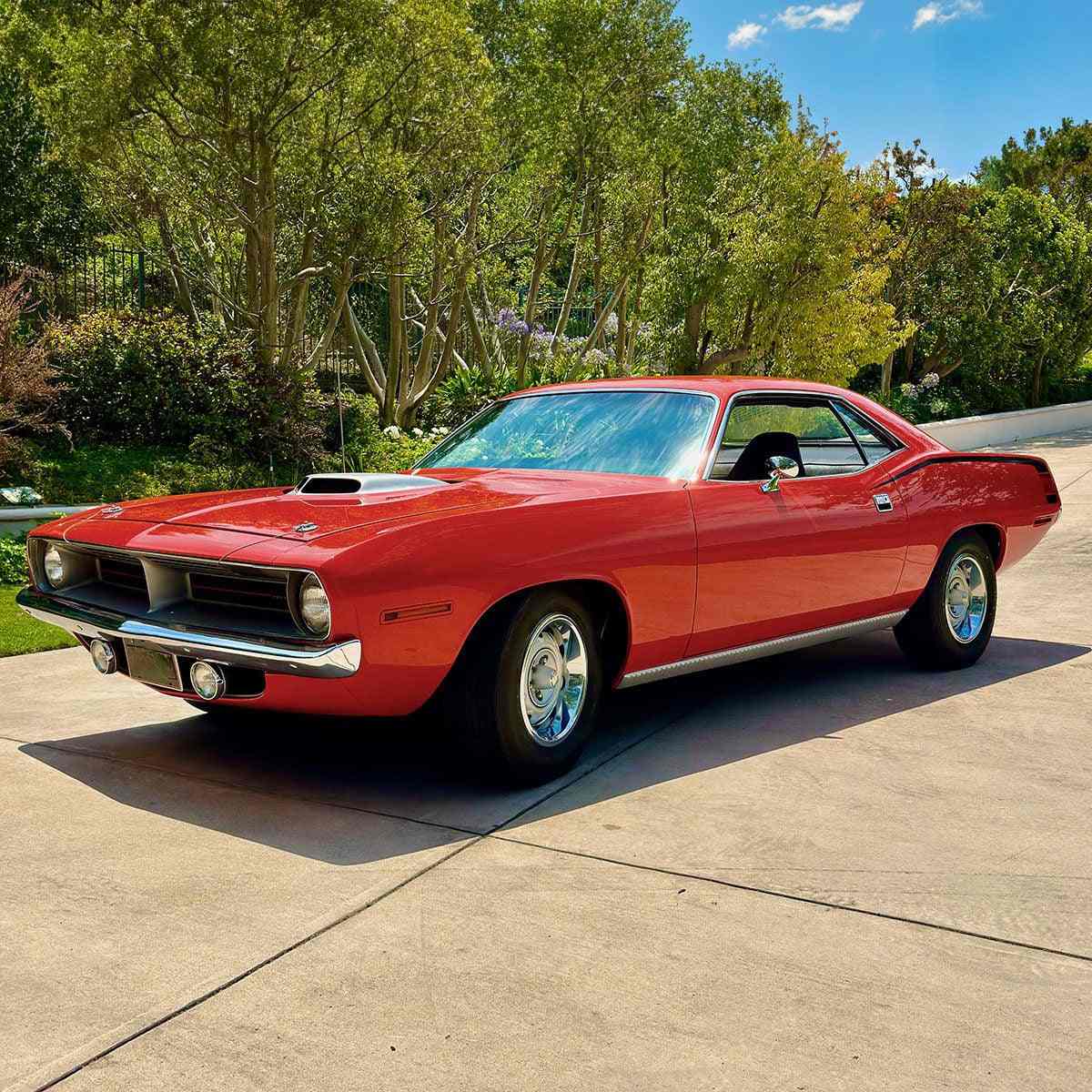
The location where a classic car is stored often matters more than any individual gadget. Whenever possible, keep the vehicle in a locked, enclosed garage rather than on the street, in an open driveway, or in an unattended storage lot. A garage reduces visibility, limits access to the doors and hood, and gives you more control over lighting and cameras.
For a home garage, review the entire access path rather than focusing only on the vehicle. Use a strong door, protect the emergency release on an automatic opener, keep access codes private, and avoid leaving a spare key or remote in an obvious location. If another vehicle blocks the classic car, do not assume that alone is meaningful protection; a determined thief may move it or use a trailer.
If you use commercial storage, ask who can enter, whether access is recorded, how the facility handles overnight visitors, and whether the unit is individually alarmed. Obtain the storage agreement in writing and tell your insurer where the car is actually garaged. A change from an enclosed garage in Gary to an outdoor lot can affect both risk and policy eligibility. Before paying for a facility, owners can review how garage storage can affect classic car insurance rates in Indiana.
Use more than one anti-theft device
No device is guaranteed to stop a determined thief. The practical objective is to create several obstacles so that taking the vehicle requires more time, noise, tools, and exposure. Progressive’s classic-car guidance identifies alarms, dedicated locks, hidden kill switches, tracking systems, cameras, and secure storage as complementary measures rather than substitutes for one another.
Install a visible steering-wheel or pedal lock
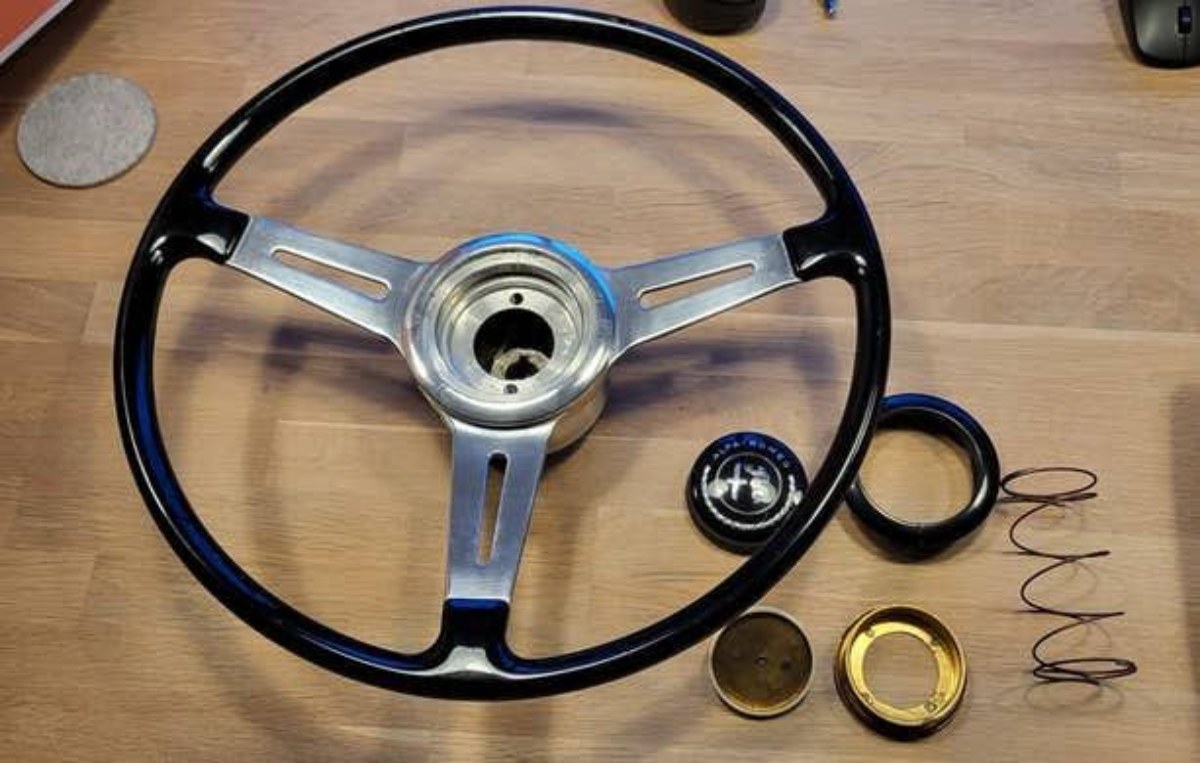
A steering-wheel lock is inexpensive, visible, and easy to use whenever the car is parked away from home. A pedal or brake lock can add another physical barrier. Before buying one, confirm that it fits the steering wheel, pedals, column, and interior layout of your particular classic. Some older vehicles have unusual wheel shapes or limited space around the pedals.
A visible lock is mainly a deterrent. It should be paired with a hidden device because a thief may defeat or remove an external lock. The lock should also be used at car shows, hotels, repair shops, and overnight stops, not only in the home garage.
Add a professionally installed immobilizer or kill switch
A hidden battery disconnect, ignition interruption, or fuel-system immobilizer can prevent the engine from starting or operating normally. On a classic car, installation should be handled by a qualified automotive electrician or restorer who understands the vehicle’s original wiring. Poorly installed equipment can create starting problems, drain the battery, or damage the original harness.
Do not advertise the location of a hidden switch, leave installation instructions inside the car, or rely on a single cutoff point. Ask the installer how the system behaves during storage, how it affects emergency servicing, and whether it can be reversed without harming the vehicle’s originality.
Consider an alarm with door, hood, and tilt detection
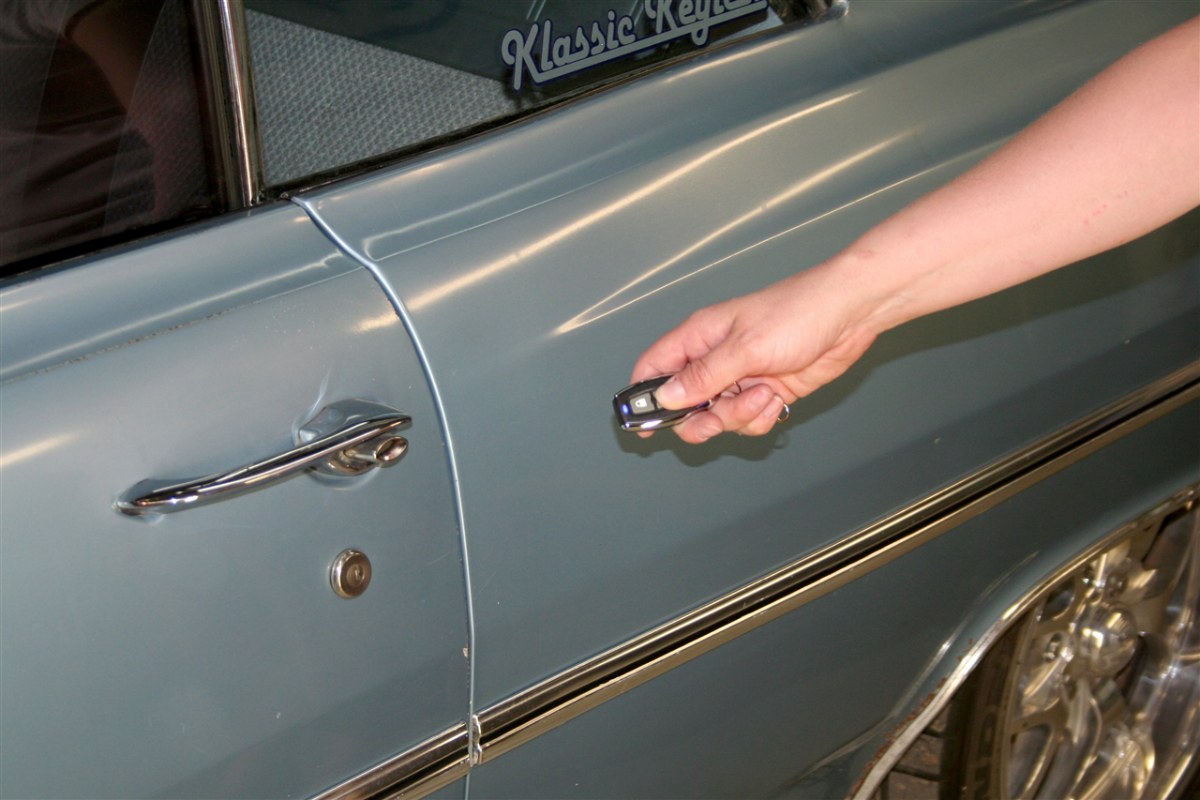
An alarm can draw attention when someone opens a door, raises the hood, disconnects power, or attempts to move the car. Classic cars may need a system designed for older electrical systems rather than a universal installation chosen only for price.
Before installation, ask whether the alarm has a backup power source, whether it can send a phone alert, and whether the sensors can be adjusted to avoid false alarms. An alarm that activates repeatedly may be ignored by neighbors and can cause you to disable it, which defeats its purpose.
Use a tracker for recovery, not as the only defense
A GPS tracker can help locate a stolen vehicle and may alert you when it moves outside a permitted area. Some systems use a backup battery and report tampering, while small Bluetooth trackers can provide a secondary location signal. A tracker does not necessarily prevent theft, and its performance can be limited by battery condition, signal coverage, shielding, or a thief finding the device.
Install the tracker in a discreet location and confirm how often it needs charging or maintenance. Keep the account active, record the device information, and test alerts before the vehicle is stored. If you use more than one tracker, place them separately and do not rely on devices that have the same failure point.
Make the car identifiable if it is stolen
Record the vehicle identification number (VIN), engine number if available, license plate, title information, and distinctive features. The NHTSA vehicle theft prevention guidance also recommends keeping the VIN and identifying characteristics available if the vehicle is stolen. Keep recent photographs of the exterior, interior, engine bay, wheels, trim, and restoration work. Photograph unique marks that a police officer or adjuster could use to distinguish the car from a similar model.
VIN etching on the windows may make resale more difficult and can help identify the vehicle if it is recovered. Store copies of the records outside the vehicle and in a secure cloud account. Do not keep the original title in the glove box; it can make a stolen vehicle easier to misrepresent or sell.
For valuable parts, maintain invoices, restoration receipts, appraisal documents, and photographs of upgrades. These records support both a police report and an insurance claim. They also help establish the car’s condition and value before a loss.
Protect the car at shows, cruises, and overnight stops
A classic may be safer in a locked garage, but more exposed when it is driven to a show or parked at a hotel. Avoid posting the exact storage address or departure schedule publicly. Social media posts that show the car, location, and time when the owner will be away can reveal a useful pattern to a thief.
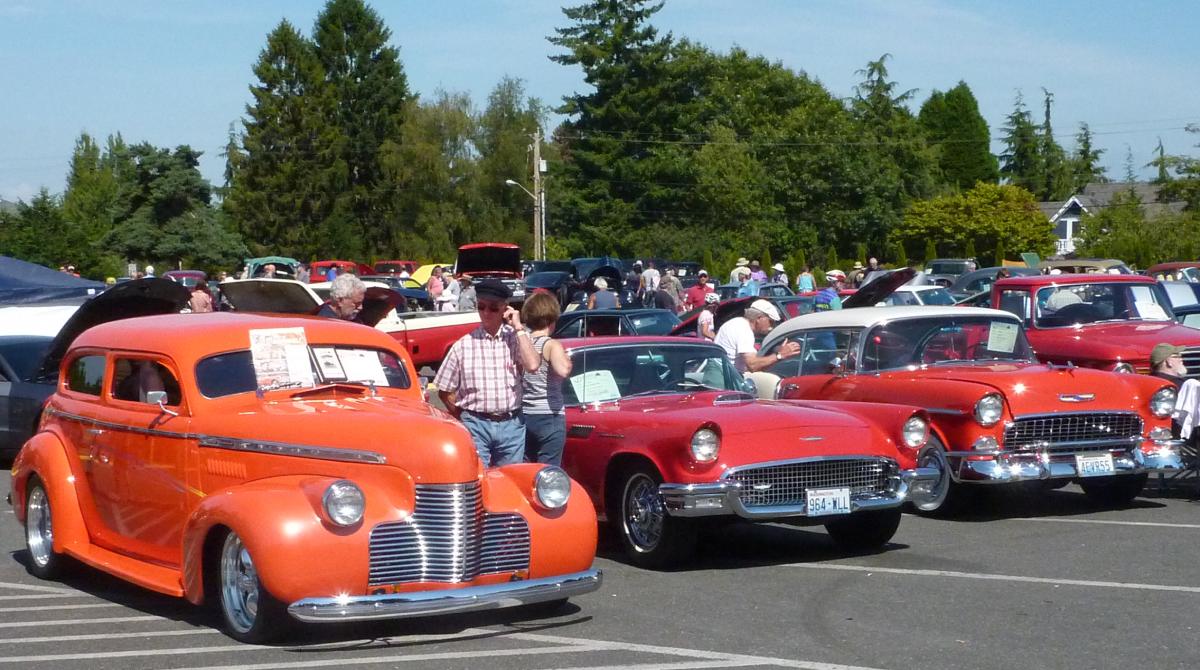
At an event, choose a well-lit location with regular foot traffic or monitored parking. Ask the event organizer how vehicles are secured after hours. At a hotel, park near the entrance, under lighting or a visible camera when possible, and use a steering-wheel lock. If the vehicle is transported, confirm that the transporter is insured and that loading, overnight parking, and delivery procedures are documented.
Never leave keys, the title, restoration invoices, tools, or spare parts inside the car. Close the windows, lock the doors, and check the hood and trunk before walking away. These basic steps do not replace security equipment, but they reduce opportunities for easy entry.
Prepare for winter storage in Northwest Indiana
Gary’s winter weather creates a reason to store many classics for months, but long storage can make security routines less consistent. Before parking the car, verify that the garage door and exterior locks work, test the alarm, check the tracker’s battery, and confirm that camera notifications still reach your phone.
Use a suitable breathable cover, keep the car away from windows where possible, and avoid storing the keys in the garage. If a battery tender or disconnect is used, follow the vehicle and equipment instructions. Ask a trusted person to inspect the garage and vehicle periodically, but do not give access to more people than necessary. For the mechanical side of seasonal storage, see the classic car winter storage guide.
A stored vehicle should not appear abandoned. Keep the area orderly, remove visible signs that the garage is unused, and respond promptly to alarm or camera alerts. Regular inspection can also reveal water intrusion, rodent damage, or a forced entry attempt before a small problem becomes a major loss.
Review classic car insurance before theft occurs
Anti-theft devices reduce risk, but they do not replace appropriate insurance. Review whether the policy covers theft, vandalism, towing, parts, restoration work, and the vehicle’s current value. Many collector-car policies use agreed value, but the amount, deductible, mileage rules, storage requirements, and permitted use are controlled by the policy contract.
If the policy uses stated value instead of agreed value, ask how the insurer calculates a claim payment and what documentation is required. The distinction is explained in this guide to stated value auto insurance.
Ask the insurer these questions in writing:
- Is theft covered under the policy, and what deductible applies?
- Is the vehicle insured at agreed value, stated value, or actual cash value?
- Does the policy require enclosed or locked storage in Gary?
- Must the insurer be told about an alarm, tracker, kill switch, or other modification?
- Are restoration parts, tools, spare parts, and recently completed work covered?
- What documents are required to prove the vehicle’s condition and value after theft?
- Are shows, parades, club events, transportation, and occasional pleasure drives covered?
When comparing providers, ask several Indiana auto insurance companies whether your storage location, mileage, security devices, and show or parade use meet their collector-car requirements.
For the broader insurance decision, compare this theft-prevention plan with the coverage discussed in classic auto insurance in Gary, Indiana. The security measures you install may be relevant to underwriting, but never assume that a device automatically creates a discount or changes coverage unless the insurer confirms it.
What to do if a classic car is stolen in Gary
If the theft is in progress or someone is in immediate danger, call 911. For a non-emergency theft that occurred within Gary city limits, the Gary Police Department provides an online reporting system for eligible incidents. Its official page also lists the non-emergency number, (219) 660-0000, and explains that online reporting is not intended for emergencies, incidents outside the city limits, or incidents on a state freeway.
After contacting the police, notify the insurer promptly. Provide the VIN, plate number, photographs, tracker information, last known location, keys in your possession, and any camera footage. Do not pursue the vehicle yourself or confront a suspected thief. Give the police and claims adjuster the records they need and preserve the original files.
If a tracker shows a current location, share that information with law enforcement. Do not publish the live location on social media. Keep the police case number and the temporary online report record, and ask how to obtain the final report if the agency requires additional review.
A practical theft-prevention checklist for Gary classic-car owners
- Store the car in a locked, enclosed garage whenever practical.
- Use a visible steering wheel, pedal, or tire lock when the car is away from home.
- Install an alarm and a hidden immobilizer through a qualified technician.
- Use a maintained tracker and test its alerts before long-term storage.
- Keep the title, keys, restoration records, and spare parts out of the vehicle.
- Photograph the car and record the VIN, plate, distinctive marks, and upgrades.
- Do not publicly share the storage address or a predictable event schedule.
- Confirm theft coverage, valuation method, storage conditions, deductibles, and documentation requirements with the insurer.
- Save the Gary Police Department’s reporting information before an emergency occurs.

RELATED AUTO INSURANCE GUIDES
Auto Insurance
Is it bad to switch insurance companies? what to check before changing
Auto Insurance
Car Insurance for Roommates: Cost and Quotes
Safety & Driving
How to protect a classic car from theft in Gary Indiana
Safety & Driving
Indiana distracted driving law: rules, fines and license points