

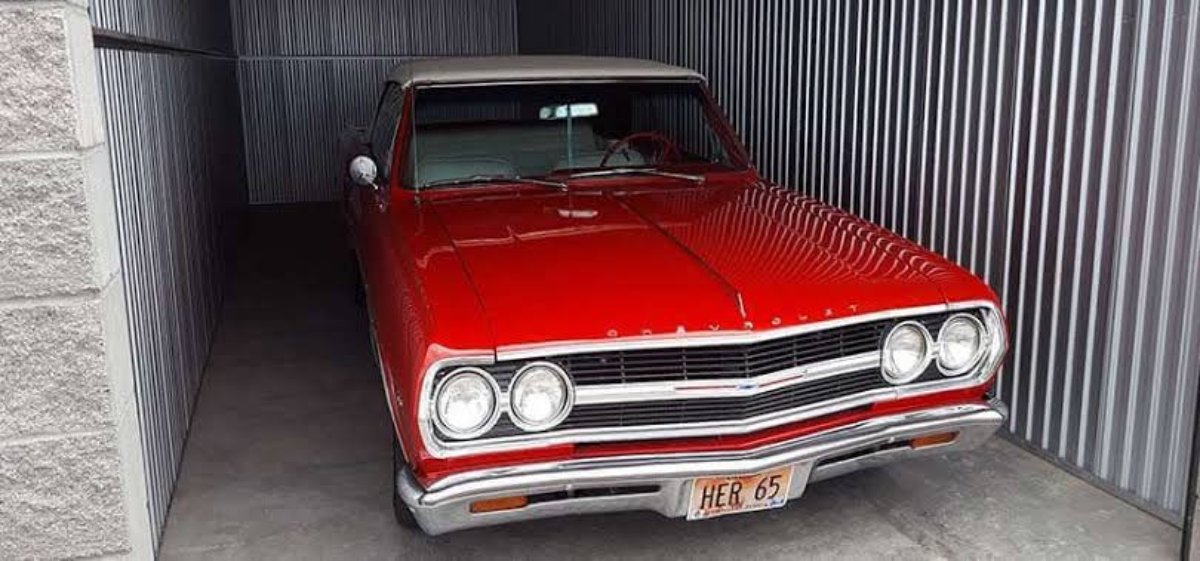
Owning a classic car in Indiana means paying for it even when it spends most of the year parked. A private garage can protect against theft, vandalism, hail, snow, and falling objects, but building or renting one can be expensive. So, does secure storage actually lower your insurance premium?
Insurers do not follow one rule. Some consider garage storage when pricing a policy, while others use it only to determine collector-vehicle eligibility. Requirements may range from a locked detached garage to a fully enclosed storage unit. This guide from Auto Insure News explains how storage affects classic car insurance in Indiana, which storage options insurers accept, and how to compare quotes before investing in one.
How garage storage can affect classic car insurance costs in Indiana
Keeping a classic car in a locked garage may reduce its insurance cost, but the result depends on the insurer. Some companies consider secure storage when calculating premiums, while others use it as a condition for joining a collector-car insurance program.
Garage storage may provide three insurance benefits:
- It can help the vehicle qualify for specialty classic car coverage.
- It reduces exposure to theft, vandalism, and weather damage.
- It may give the owner access to better rates or policy terms.
Progressive states that, when other factors are equal, storing a classic vehicle in a private garage, storage unit, or pole barn may lead to a better insurance rate. Not every insurer offers a separate garage discount. In some cases, the financial benefit comes from qualifying for a collector policy rather than receiving a fixed percentage reduction.
To find the actual difference, request two quotes with the same driver, vehicle value, coverage limits, and deductibles. Use the current storage arrangement for one quote and a locked garage for the other. This comparison shows whether garage storage affects the premium, policy eligibility, or both. The best way to get auto insurance quotes is to change only the storage details while keeping all other inputs consistent.
Why storage matters to classic car insurers
Classic cars can be difficult and expensive to repair. Replacement parts may be rare, and some repairs require a specialist who understands older vehicles.
Where the car is kept affects its exposure to several types of damage. Insurers may review this information when deciding whether to offer coverage and how much to charge.
Theft and vandalism
A classic car parked in a driveway is visible and easily accessible. A locked garage keeps the vehicle out of sight and adds a physical barrier between the car and a potential thief.
Garage storage does not remove the risk of theft. However, it can reduce the opportunity for someone to enter the vehicle, steal parts, or move the car without permission. Security cameras, alarms, strong locks, and exterior lighting may provide additional protection. Owners who want a more complete security plan can review how to protect a classic car from theft in Gary, Indiana. Whether these features affect the premium depends on the insurer.
Indiana weather
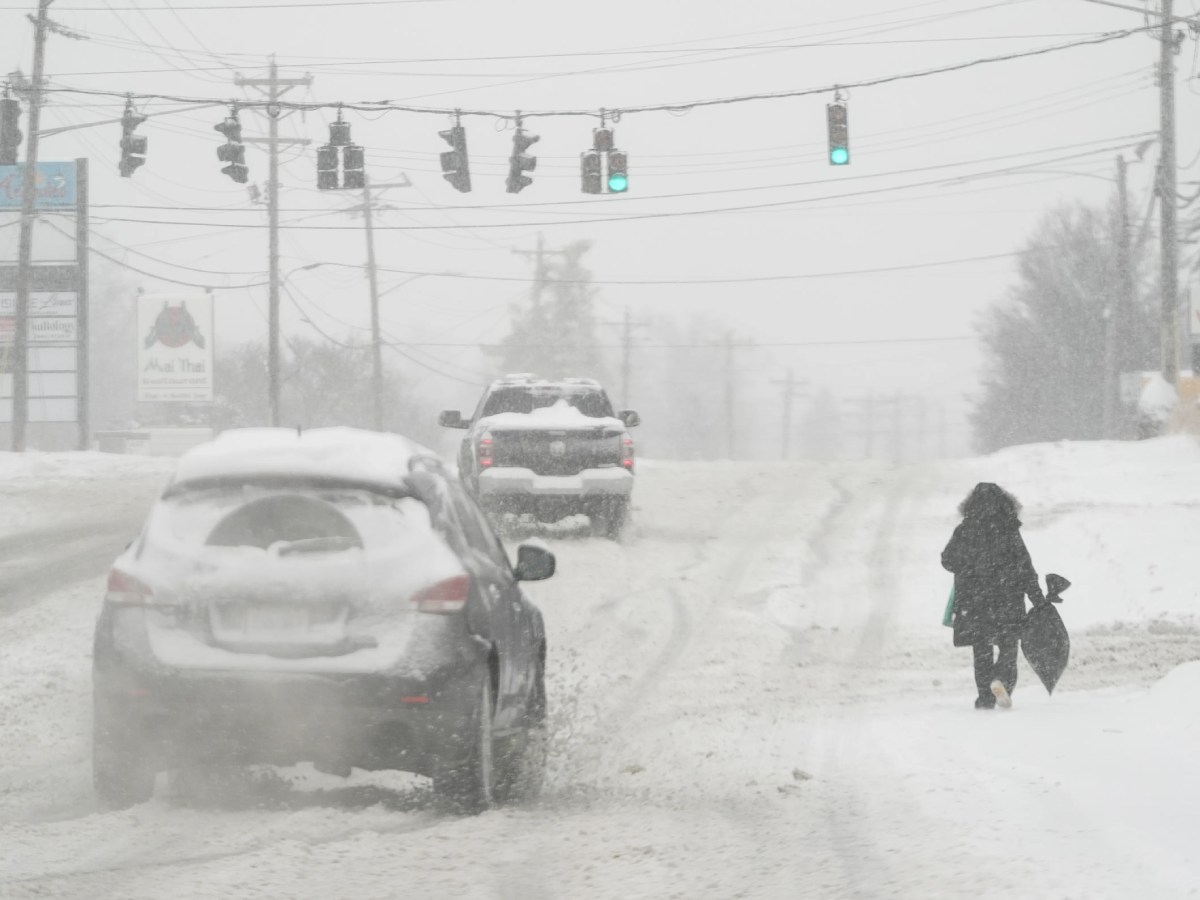
Indiana vehicles may be exposed to hail, snow, ice, wind, and falling branches. A fully enclosed garage protects the body, glass, interior, and trim from direct contact with these conditions. Owners who store a classic through the colder months can also review classic car winter storage practices.
Comprehensive coverage generally applies to certain losses that do not involve a collision. The Indiana Department of Insurance lists theft, fire, windstorm, and glass breakage as examples of comprehensive claims an auto policy may cover, subject to the policy’s terms and deductible.
Garage storage can reduce weather exposure, but it does not make comprehensive coverage unnecessary. A car inside a building may still be damaged by fire, theft, water leaks, flooding, or falling objects.
Accidental damage
A classic car stored outside may be hit by another vehicle, a bicycle, lawn equipment, or loose debris. A private garage limits access and separates the vehicle from normal driveway activity.
An insurer may still ask how the garage is used. A crowded building filled with tools, shelves, and heavy objects can create different risks from a clean space designed for vehicle storage.
Limited use
Collector cars often spend more time in storage than on the road. Secure storage supports the idea that the car is used occasionally rather than for daily transportation.
GEICO states that vehicles in its collector program generally must not be used as daily drivers and should be kept in a secure, enclosed structure. State Farm also notes that some insurers require a locked and fully enclosed private garage or storage unit.
Storage may affect eligibility more than the premium
A garage does not always create a separate discount on the insurance quote. For some companies, secure storage is mainly an eligibility requirement. Classic car insurance is intended for vehicles that are collected, preserved, and driven less often than normal vehicles. The insurer may require the owner to meet several conditions:
- The classic car is not used for daily commuting.
- The owner has another insured vehicle for regular transportation.
- The vehicle is kept in a secure location.
- Its annual use or mileage is limited.
- The driver has an acceptable driving record.
- The car is in good or restored condition.
- The owner and insurer agree on its value.
An owner who does not meet the storage requirement may be offered a standard auto policy instead. That policy could have a different price and may calculate the car’s value differently after a total loss.
The benefit of garage storage may therefore come from gaining access to a suitable collector policy. It may not appear as a line item on the quote labeled “garage discount”. Ask the insurer whether secure storage changes the premium, eligibility, or both.
What insurers may accept as garage storage
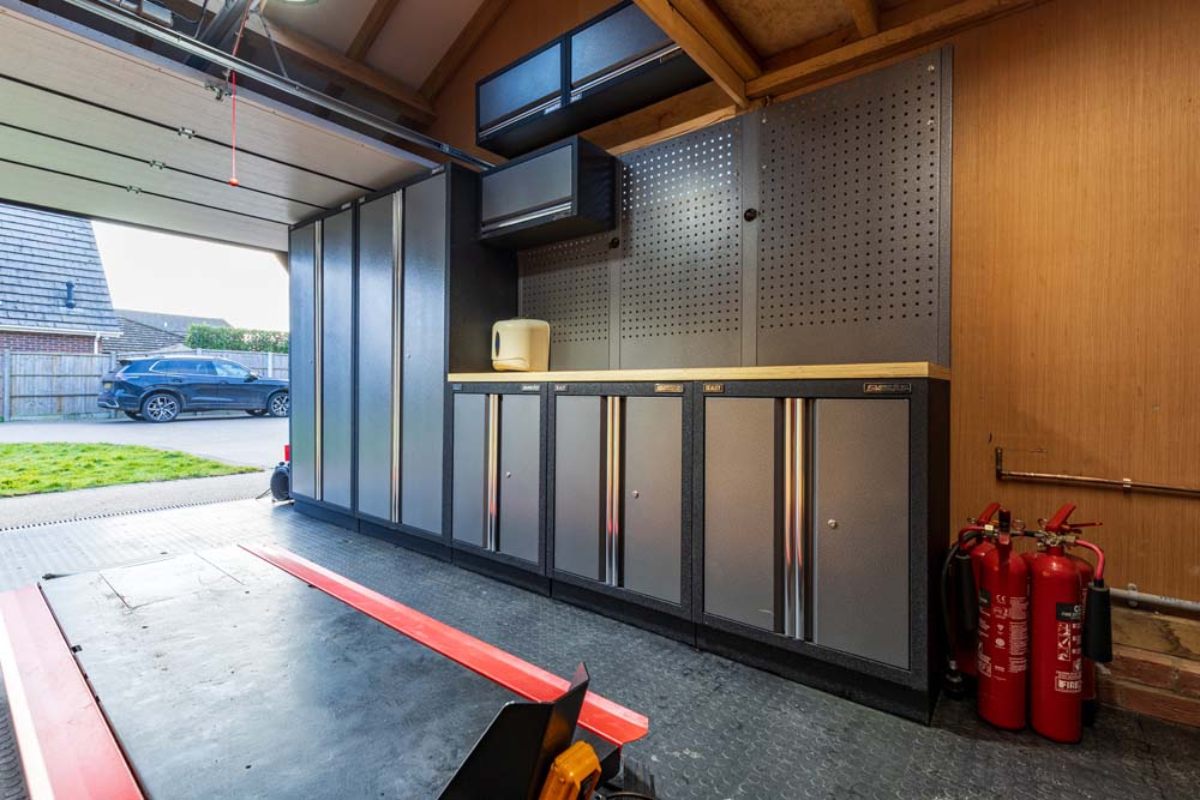
Each insurer sets its own storage rules. Common arrangements include:
- A private residential garage
- A locked detached garage
- A secure storage unit
- A professional collector car facility
- A fully enclosed pole barn
- A shared garage with controlled access
Progressive identifies private garages, storage units, and pole barns as preferred options for its classic car program. It also notes that carports, driveways, parking garages, and trailers may receive individual consideration.
An insurer may ask whether the storage structure is:
- Fully enclosed
- Locked when unattended
- Located at the reported address
- Accessible to the public
- Protected by cameras or an alarm
- Equipped with smoke detection
- Free from visible water leaks
- Shared with other people
- Used to store fuel or hazardous materials
Describe the building accurately. A structure without a door should not be listed as a fully enclosed garage. A car kept at another address should not be reported as being stored at home. Incorrect information about the storage location may create problems when the insurer reviews a claim.
Does a carport count as secure storage?
A carport provides some protection from the sun, snow, and rain. It does not offer the same security as a locked garage because the sides may be open, and the vehicle remains visible. Some insurers may accept a carport when the property has other security measures. Others may reject the arrangement or offer different terms.
A fitted cover does not turn a carport into an enclosed garage. Before buying a policy, ask the insurer how it classifies the storage location. If a private garage is unavailable, a locked storage unit or professional facility may be a better option. Compare the rental cost with any difference in insurance price and the added protection for the vehicle.
Does a detached garage qualify?
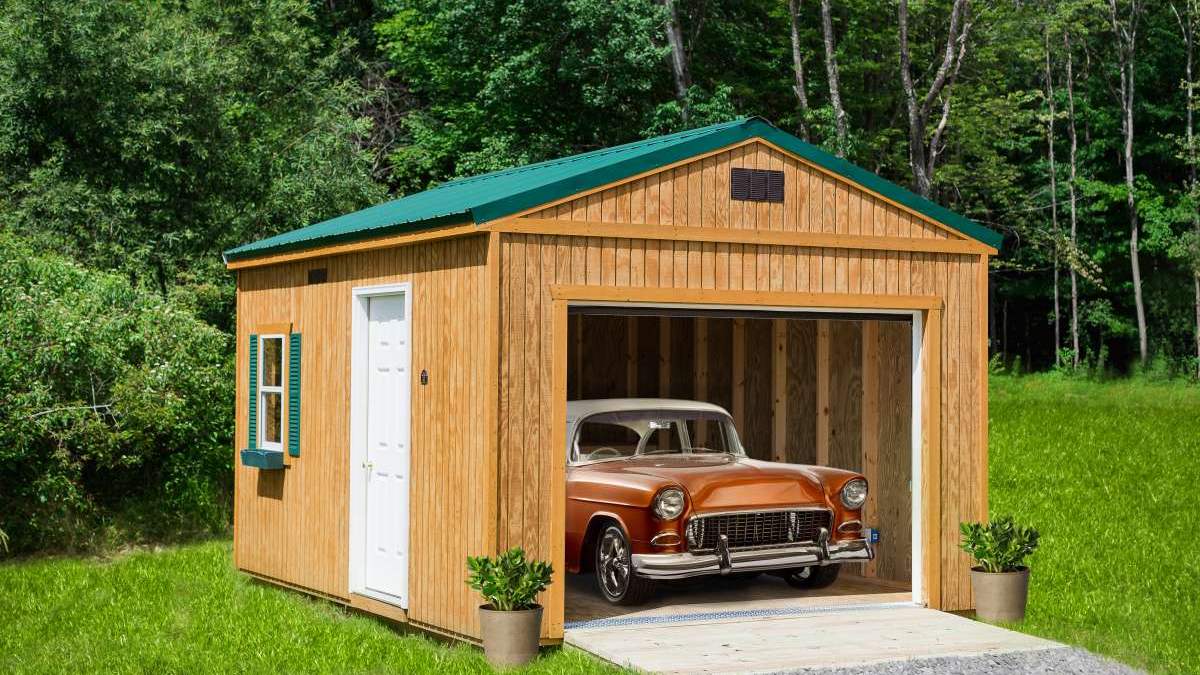
A detached garage will often qualify if it is enclosed, lockable, and located at the address reported on the policy.
The insurer may ask:
- How far is the building from the home
- Whether it has electricity
- Whether it has an alarm
- What type of locks are installed
- Whether other people have access
- Whether the car is visible from the road
- Whether the building is in good condition
A detached garage is not automatically less acceptable than an attached garage. The decision usually depends on the building’s security, condition, and location. If the garage is located on another property, tell the insurer. The ZIP code and type of facility may affect the quote.
How much can garage storage save?
There is no fixed garage storage discount that applies to every classic car owner in Indiana. Insurance companies use different rating and underwriting systems. One insurer may consider a locked garage when calculating the premium. Another may treat secure storage only as a requirement for obtaining collector coverage.
The Indiana Department of Insurance does not set auto insurance prices. Companies file their rates and forms with the department, then apply their own approved rating methods. The department states that premiums may be affected by factors such as car use, place of residence, policy limits, deductibles, vehicle type, driving record, claims history, and credit information.
Storage is only one part of the application. A locked garage may help, but it may not offset other factors such as a high agreed value, recent claims, a low deductible, or regular use. Be careful with websites that promise a fixed percentage saving for garage storage. A general estimate may not apply to your address, vehicle, or insurer.
The best way to measure the difference is to request comparable quotes. Keep every detail the same except the storage arrangement.
Other factors that affect classic car insurance rates
Garage storage is important, but it is not the only detail an insurer may review.
The car’s agreed value
Many collector policies use an agreed or guaranteed value. The owner and insurer establish the insured value before the policy begins. A higher agreed value increases the insurer’s financial exposure and may increase the premium. The company may request photographs, an appraisal, receipts, or information about recent restoration work. Owners comparing valuation methods can also review stated value auto insurance before choosing a collector policy.
Review the value regularly. An amount that is too low can leave the vehicle underinsured. An amount that is too high may increase the premium and require additional proof.
How the car is used
A vehicle driven only for shows, club events, and occasional pleasure trips may have less road exposure than a daily commuter.
Tell the insurer if the vehicle is used for:
- Daily commuting
- Regular errands
- Business travel
- Car shows
- Club activities
- Occasional pleasure driving
- Racing or timed events
Do not describe a daily driver as a limited-use collector vehicle to obtain a lower rate. A claim may be reviewed against the usage information on the application.
Annual mileage
Some collector policies limit annual mileage. Others focus on how the car is used rather than setting a strict number.
Ask whether the policy has a mileage limit and how it is verified. The insurer may request odometer photographs when the policy begins or renews.

Driving and claims history
Recent accidents, violations, and claims may affect the premium or eligibility. Some specialty insurers prefer drivers with clean or stable records.
The company may review other licensed drivers in the household, even if only one person normally uses the classic car.
The storage address
Insurance rates can vary by location. Insurers may consider local traffic, theft patterns, weather exposure, and claims data. The Indiana Department of Insurance lists place of residence as one factor companies may use when setting auto insurance rates.
Owners seeking location-specific information can review this guide to classic auto insurance in Gary, Indiana. Always provide the address where the car is normally kept. Using a different ZIP code to obtain a lower rate may lead to coverage issues.
Coverage limits and deductibles
Higher liability limits can increase the premium. Selecting a higher comprehensive or collision deductible may lower it, but the owner will pay more after a covered loss.
Compare quotes with the same:
- Agreed vehicle value
- Liability limits
- Comprehensive deductible
- Collision deductible
- Mileage terms
- Usage terms
- Storage arrangement
- Optional coverage
A cheaper policy is not necessarily better if it provides less coverage or uses a different method to value the car. Compare each offer using equivalent limits, deductibles, valuation terms, mileage rules, and storage requirements.
Garage storage does not replace insurance
A locked building reduces some risks, but it does not protect the car from every possible loss. Fire, theft, storms, water leaks, and falling objects can damage a vehicle inside a garage. Canceling comprehensive coverage may leave the owner responsible for those costs.
Do not assume homeowners’ insurance will cover the classic car. Ask both the home and auto insurers how their policies treat vehicles, spare parts, tools, and other property stored in the garage. If the car is financed, the lender may require comprehensive and collision coverage even when the vehicle is not being driven.
Indiana requires motorists who operate vehicles on public roads to maintain financial responsibility. The state has a minimum liability requirement of 25/50/25. This represents $25,000 for bodily injury to one person, $50,000 for bodily injury to two or more people in one accident, and $25,000 for property damage.
Parking a car for part of the year does not allow the owner to drive it without the required insurance.
How to compare storage options and insurance quotes
Use the same information for every quote so the results are meaningful.
Follow these steps:
- Choose a realistic agreed value for the vehicle.
- Decide on the liability limits and deductibles.
- Estimate annual mileage and describe how the car is used.
- Request a quote using the current storage arrangement.
- Ask for the same quote using a locked garage or storage unit.
- Confirm whether storage changes the price or only the eligibility.
- Request the storage requirements in writing.
- Compare coverage terms and the premium.
Ask the agent:
- Is a locked garage required?
- Does secure storage create a separate discount?
- Would a carport or driveway be accepted?
- Does a detached garage qualify?
- Can the vehicle be stored at another address?
- Are photographs of the garage required?
- Do alarms or cameras affect the quote?
- What must I do if the storage location changes?
Keep copies of the application, photographs, and written answers. Notify the insurer before moving the vehicle to a different long-term location.
Ways to improve your storage arrangement
If the current garage does not meet an insurer’s requirements, a few changes may improve security:
- Install a solid garage door.
- Repair weak locks and broken windows.
- Add exterior lighting.
- Install smoke detectors.
- Use an alarm or security camera.
- Repair water leaks.
- Limit access to the building.
- Keep the car out of public view.
- Remove heavy objects stored above the vehicle.
- Avoid storing open fuel containers nearby.
Ask the insurer before paying for an upgrade solely to obtain a lower rate. A security improvement may protect the vehicle without changing the premium.
Garage storage may lower classic car insurance rates in Indiana by reducing the insurer’s risk or allowing the vehicle to qualify for collector coverage. Progressive specifically states that secure storage can lead to a better rate when other factors remain equal.
The benefit is not automatic. One company may offer a lower premium, while another may treat a locked garage only as an eligibility requirement.
Compare quotes using the same vehicle value, limits, deductibles, and usage. Report the real storage address and describe the building accurately. Ask the insurer to confirm in writing whether the garage changes the premium, policy eligibility, or both.

RELATED AUTO INSURANCE GUIDES
Auto Insurance
Is it bad to switch insurance companies? what to check before changing
Auto Insurance
Car Insurance for Roommates: Cost and Quotes
Safety & Driving
How to protect a classic car from theft in Gary Indiana
Safety & Driving
Indiana distracted driving law: rules, fines and license points