

Water damage in a car seldom announces itself once the interior has dried and been cleaned. The clues sit in places a quick look skips, such as under the carpet or inside a headlight housing. Auto Insure News covers the common signs of water damage in a car and how to tell flood damage from a plain leak. It also looks at what auto insurance does about each.
What are the signs of water damage in a car?
No single clue is conclusive. Water damage tends to show as a pattern, with odors and stains turning up alongside rust in places that should stay clean and dry.
The National Insurance Crime Bureau lists most of these for used car shoppers. AAA adds two details. Brand-new carpet in an older car is a red flag. A heavy air freshener may be covering mold.
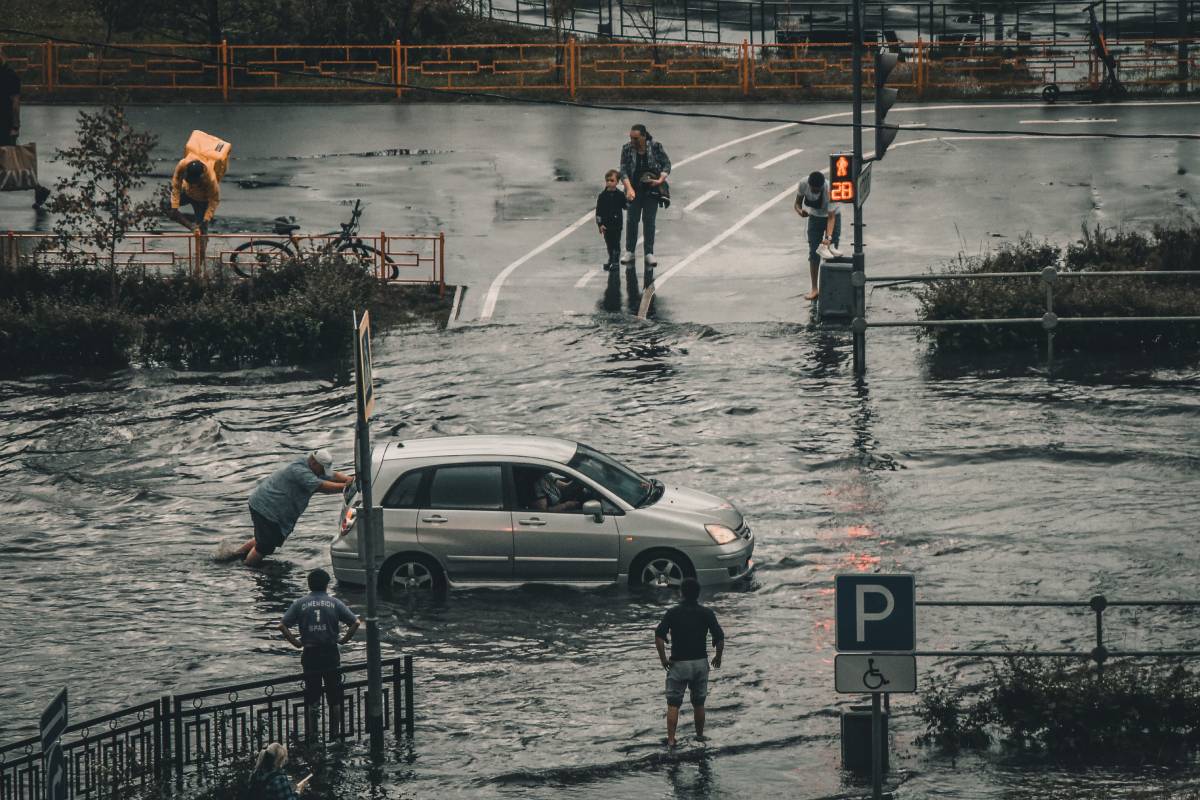
Water damage also comes in degrees. A flood title generally refers to water deep enough to reach the engine compartment, yet insurers point out that many flooded cars only had water on the floor. Those cars can still carry hidden damage.
| Sign | Where to look | What it can point to |
|---|---|---|
| Musty or moldy smell | Cabin with the doors shut, plus the vents | Damp padding or upholstery that never fully dried |
| Stains or silt | Under the carpets and in the trunk | Water that reached the floor or higher |
| New or mismatched carpet | Older cars with fresh interior parts | Parts replaced to hide water exposure |
| Rust in odd places | Seat bolts and under-dash screws | Moisture where metal normally stays dry |
| Water or fog inside lights | Headlights and the instrument cluster | A housing that took in water |
| Milky engine oil | Dipstick and oil filler cap | Water that reached the engine |
| Erratic electronics | Power windows and the radio | Corroded connectors or modules |
Which signs show up inside the cabin?
The cabin holds most of the evidence. It is also where sellers tend to work hardest.
Smell and moisture
A musty or moldy smell is usually the first clue, since padding under the carpet holds water long after the surface feels dry. A strong air freshener is worth the same suspicion because it may be masking the odor. Closing the doors and windows for a minute before sniffing lets the smell build up.
Carpets and seat belts
Lifting the edge of the carpet shows whether the floor beneath holds water or mud. AAA’s checklist includes screws under the seats that look recently removed, which may mean the seats came out for drying.
Seat belts are worth a long pull. Water spots or sand along the webbing point to an earlier soaking. A gritty sound as the belt retracts is another hint.
Under the dash and in the trunk
Bare screw heads under the dashboard show rust in flooded cars. A line of silt along the bottom edges of brackets or panels is another giveaway. The trunk carpet and the well under the spare tire collect water that cleanup often misses.
What do the engine bay and exterior reveal?
Under the hood
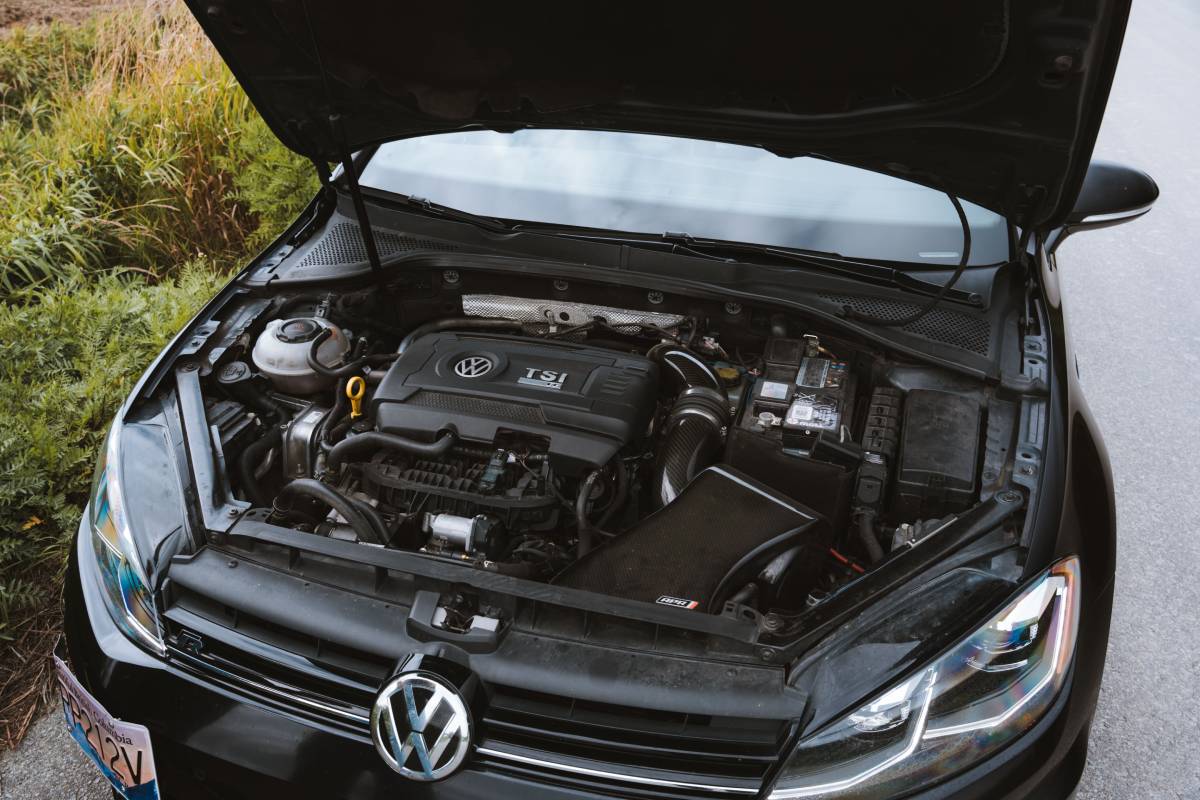
AAA’s checklist treats milky oil as a sign of water contamination and a soaked or deformed air filter as evidence that water reached the engine compartment. Rust inside the hood is unusual on a modern car. Silt or mud in the corners of the engine bay is a warning sign as well. So is an engine bay that looks freshly detailed on an older car, since cleanup erases silt and stains.
Headlights and underbody
Unless a lens is cracked, headlights and taillights should hold no water. A waterline or fog inside the housing is a warning. Rubber drain plugs under the car and at the bottom of the doors are worth checking as well. A plug that was recently pulled can mean someone drained the car. Rust around door hinges and on unpainted screws is the last item to check.
Which electrical and driving symptoms point to water?
Electrical systems tend to fail first, and they often fail unevenly. AAA recommends testing every electrical feature, from the power windows to the A/C. Repeating the test matters because intermittent faults hide easily. Warning lights that stay on or a radio that cuts in and out point the same way.
Safety systems depend on the same wiring. Airbag and anti-lock brake sensors can corrode, and a fault may stay hidden until the system is needed.
A test drive adds more clues, such as smoke or unusual noises. Some faults surface months after the water is gone, so a clean first drive proves little.
If your car has just stalled or will not start after water exposure, leave it off. Read what to do when a car won’t start after driving through water before making another start attempt.
Why does hidden water damage cause trouble later?
Floodwater can harm the engine and the transmission. The electrical system often takes the worst of it, because modern cars rely on many sensors and control modules that corrosion can disable.
Fluids are another concern. Oil and brake fluid can take on water, and tainted fluid does more damage the longer it stays in the car.
Corrosion and mold work on a slower clock. Rust spreads through connectors and brackets while mold grows in padding that stayed damp. Saltwater is generally harder on a car than fresh water.
How can a buyer confirm water damage on a used car?
History reports and title checks
The National Insurance Crime Bureau cautions that flood-damaged cars declared a total loss should carry a salvage or flood title. Dishonest sellers hide that history with cosmetic repairs and title washing. Only a few states issue a dedicated flood title, so a clean title is weaker evidence than it looks. The bureau cites an August 2025 estimate of as many as 530,000 flood-damaged vehicles on U.S. roads.
A vehicle history report is the first step, with one limit: it shows only what was recorded. If an earlier owner never filed an insurance claim, the damage may be missing entirely. The bureau’s free VINCheck tool adds another look by showing whether a participating insurer ever declared the vehicle a total loss or salvage.
A history report is only one part of the check. Use this guide to checking a used car for flood damage to combine the paperwork with a physical inspection before you buy.
The inspection and the price
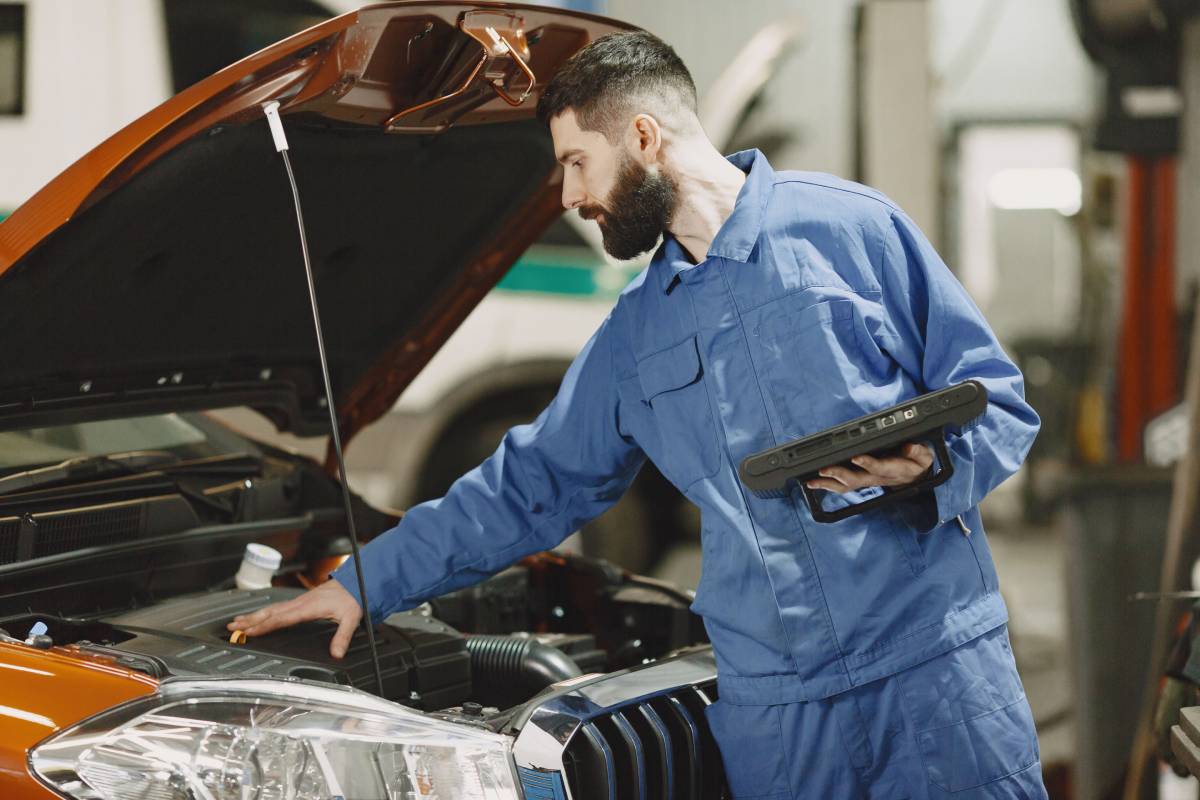
An independent mechanic closes most of the remaining gap. AAA’s flood-damage checklist for used car buyers calls for a mechanic’s inspection of every used car before purchase. The inspection can catch brake and suspension faults along with water damage.
A price well below retail is a clue in itself, since the bureau has warned that sellers of flood vehicles use low prices to entice buyers. For anyone weighing a discounted car with a known flood history, the case for and against buying a flood-damaged car comes down to repair headroom and insurability.
How can an owner tell flood damage from an ordinary leak?
A wet carpet does not always mean flooding. Rain leaks usually trace to a clogged sunroof drain or a worn door or window seal. A blocked air-conditioning drain can also soak the passenger-side floor.
Pattern is the best guide. Damp in one corner, often after rain or a car wash, usually points to a leak. Silt or a waterline across several areas points to submersion.
After a car has taken on water, the electrical system is the most sensitive part. An insurer trade group advises against starting the engine if water reached the floorboards or seats. Experts often recommend towing the car to a mechanic for a fluid and system check before it is driven. Anyone dealing with a car that has just taken on water can start with what to do after driving through water.
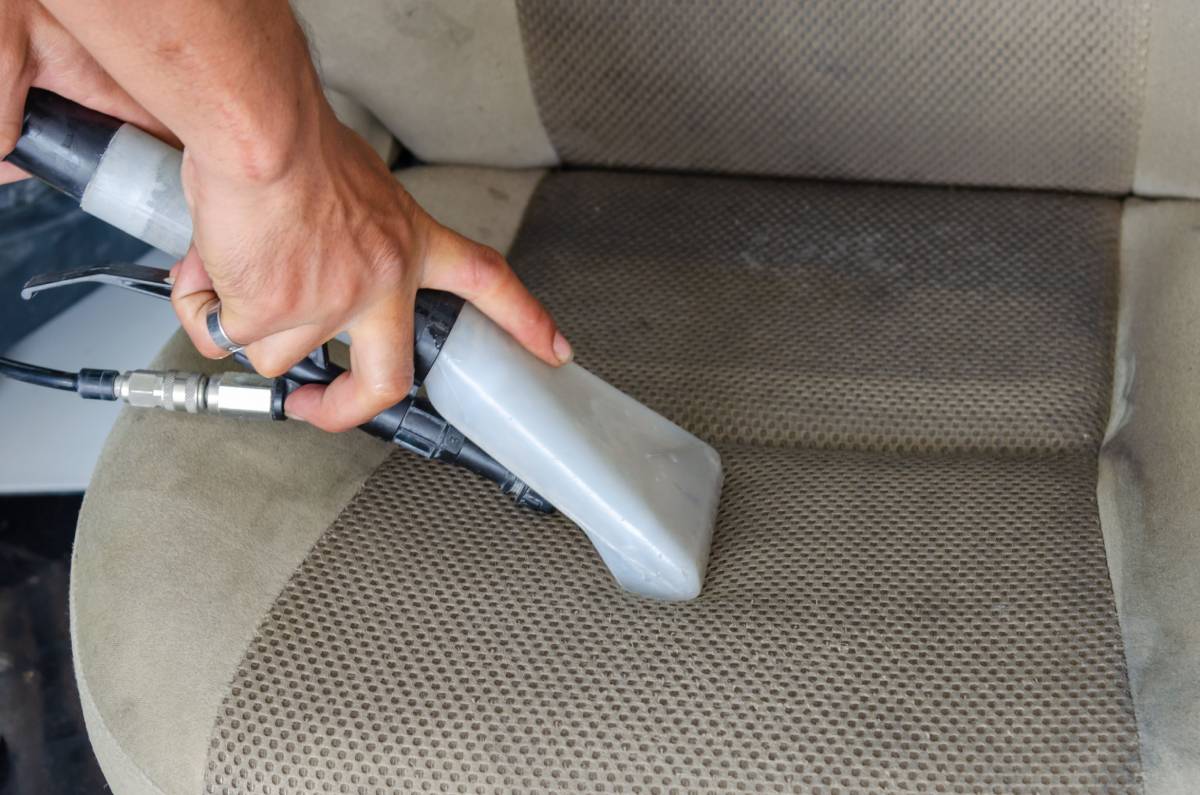
Drying starts with removing wet floor mats and any soaked items, then moving air through the cabin. Carpet and padding that took in a lot of water can stay damp for a long time, so a professional dry-out or replacement is common after a flood. Damp padding is also where mold takes hold.
Signs can also arrive late. Odors and corrosion sometimes surface weeks or months after the car dried out, so rechecking the carpets and the trunk a few weeks later is worthwhile.
Found damp carpets, corrosion or electrical problems? Review the cost of repairing water damage in a car to understand how interior cleanup, wiring and engine work can affect the estimate.
Does car insurance cover water damage?
Comprehensive car insurance is the part of an auto policy that responds to flooding and other storm damage. On Progressive’s water damage page, it is described as the protection for flooding and heavy rain, even for a car parked on a street that later floods. A home flood policy generally leaves vehicles out.
Ordinary wear is treated differently. Insurers commonly exclude damage from a gradual leak or a window left open, so a soaked carpet from a clogged sunroof drain is usually the owner’s expense.
Severe flooding can push repair costs past the car’s value, which is when insurance totals a car because of flooding. A car that ends up with a salvage title can be harder to insure. With many insurers, collision and comprehensive may be unavailable, which leaves liability only.
Document the waterline and visible damage before cleanup, when it is safe to do so. Follow the steps for filing a flooded car insurance claim to organize the photographs, inspection records and insurer communication.

RELATED AUTO INSURANCE GUIDES
Auto Insurance
Factors affecting high-risk driver auto insurance cost
Auto Insurance
Actual cash value of my car: how it is set and disputed
Safety & Driving
What to do if car won’t start after driving through water
Safety & Driving
Water damage car repair cost: what drives the bill