

A short drive through standing water can leave a car damaged in places a quick look never reaches. Some cars run normally for a few minutes with water already in the air intake, the brakes or the wiring. Auto Insure News sets out what to do in the first minutes, what a mechanic checks before the next drive and how auto insurance fits in. The order of the steps matters, since the costliest damage often follows an attempt to restart a stalled engine.
What should a driver do right after driving through water?
Get clear of the water first. The car belongs on dry, level ground away from moving traffic, with the hazard lights on. What happens next depends on whether the engine is still running.
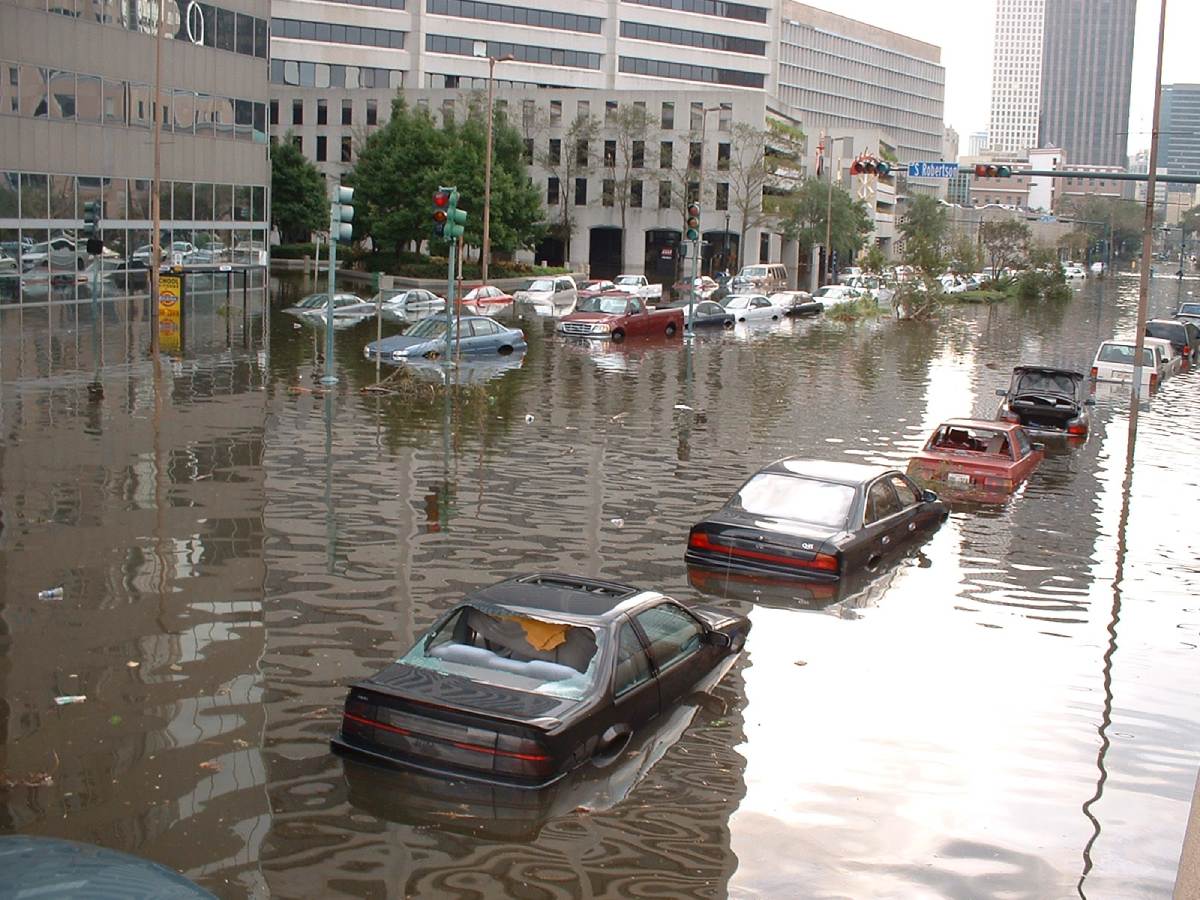
If the engine kept running
A car that kept running can still have taken on water. Warning lights, rough running, a sudden loss of power or an unfamiliar knock point to water in the engine or the electrical system. Any of them is a reason to shut the engine off and leave it off.
Guidance on a car that ran through without trouble is not uniform. AAA’s guidance on driving through floodwaters says to test the brakes once past the flooded area. State Farm’s checklist says a car that was running in floodwater should be shut off when it is safe and kept off until a mechanic has inspected it. A tow is the cautious choice whenever doubt remains.
If the engine stalled or shut off
A stalled car that has been in water should not be restarted. AAA says so directly. State Farm’s checklist agrees, even when the car looks dry or seems to run.
Air compresses and water does not. If water has reached a cylinder, the starter drives the piston up against it. A connecting rod can bend or a piston can crack, a failure called hydrolock. A restart is often what turns a drying job into an engine replacement.
With the ignition off, the next call goes to roadside assistance or the insurer. Water in the cylinders or in the wiring is the usual reason a car won’t start after driving through water. When the water is rising or moving, getting everyone to higher ground comes before anything else, photographs included.
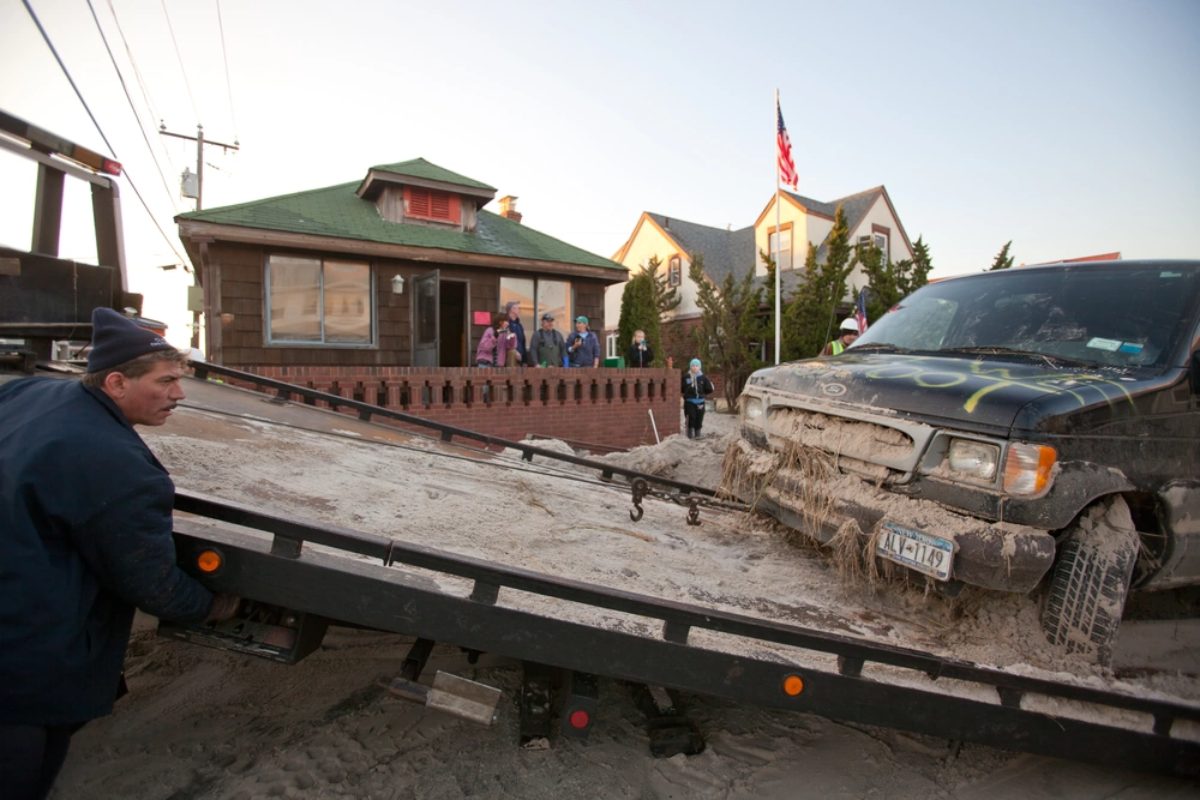
If water reached the floor or seats
Water inside the cabin raises the stakes. Turning the key or running accessories just to see whether the screen lights up risks shorting modules that often sit under the seats and the dash.
The waterline should be photographed before anything is moved, since a mark on the door panel or silt in the glove box shows how high the water rose.
Whether to disconnect the battery is a question for the insurer or the shop. AAA’s steps tell owners to follow the insurer’s instructions on disconnecting the battery and on towing. The question matters more with a hybrid or an electric vehicle.
What can water damage in a car that still runs?
AAA lists the transmission, the engine, the brakes and the electrical system as the parts floodwater can damage. Rust and corrosion may appear later even when the car seems fine at first.
The intake is the usual way in. On many cars the air intake draws from low behind the front fascia. A car pushing through water throws a bow wave ahead of the grille. The wave can push water toward the intake, which is why a fast crossing does more harm than the same crossing taken slowly.
Water can also reach the transmission and the differential. A shop checks those fluids because contamination there may not show for weeks.
What should be checked before the car is driven normally again?
A car that stalled goes straight to a shop. These checks suit a car that kept running through a shallow crossing. Most need only a flashlight and a clean rag.
Air filter and fluids
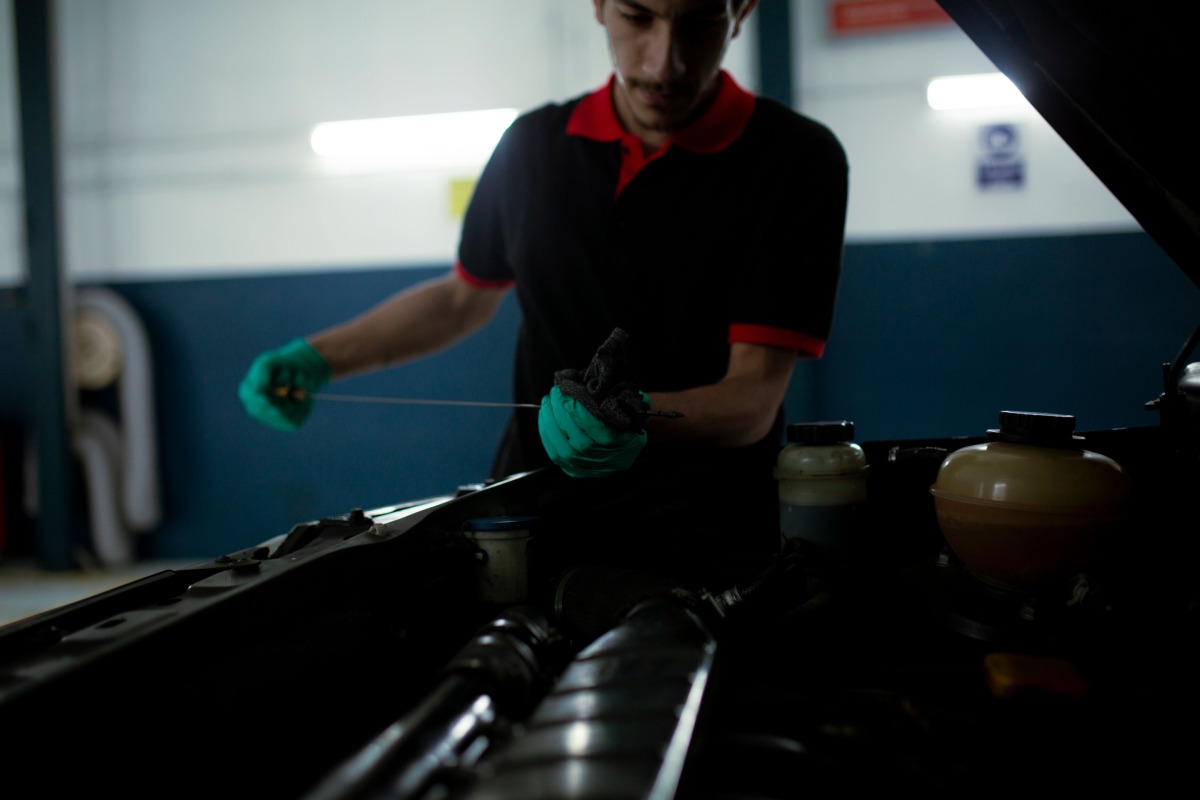
A wet or muddy air filter is the quickest sign that water reached the intake. The dipstick comes next, since oil that looks milky or frothy signals water in the crankcase and means the engine should not be started. Cloudy fluid in the coolant or brake reservoir points the same way.
State Farm’s checklist has oil and transmission fluid inspected, ideally by a professional. It also names the fuel tank and fuel line as places where water can hide.
Brakes
Wet pads and rotors grip poorly until they dry. Driver handbooks commonly describe pressing the pedal lightly at low speed on a safe stretch, which builds enough friction to clear the moisture.
A soft pedal, a pull to one side, grinding or an ABS light that stays lit calls for an inspection before the car goes any farther. Towing it to the shop is the safer route.
Lights and electronics
Floodwater can damage sensors, modules and wiring, and the corrosion can show up later, especially after saltwater. Headlights, wipers, power windows and the infotainment screen rely on connectors that sit lower than many owners expect.
Flickering, intermittent chimes or a warning light that appears after the car has sat point to moisture in a connector or module. A check-engine light after a crossing calls for a scan.
Cabin, carpets and trunk
Pressing a palm into the carpet, lifting the mats and checking the spare-tire well turn up water that a quick look misses. State Farm’s list adds the space under the seats, the engine bay and the inside of the headlights and taillights, places where a waterline or moisture can linger. The signs of water damage in a car run from musty smells to fogged lights.
Standing water comes out first. AAA’s steps call for a wet/dry vacuum, open doors and windows, and fans. Carpet and padding may need to be pulled up so they can dry. Foam padding holds water the longest and is usually where the musty smell begins.
How deep is too deep to drive through?
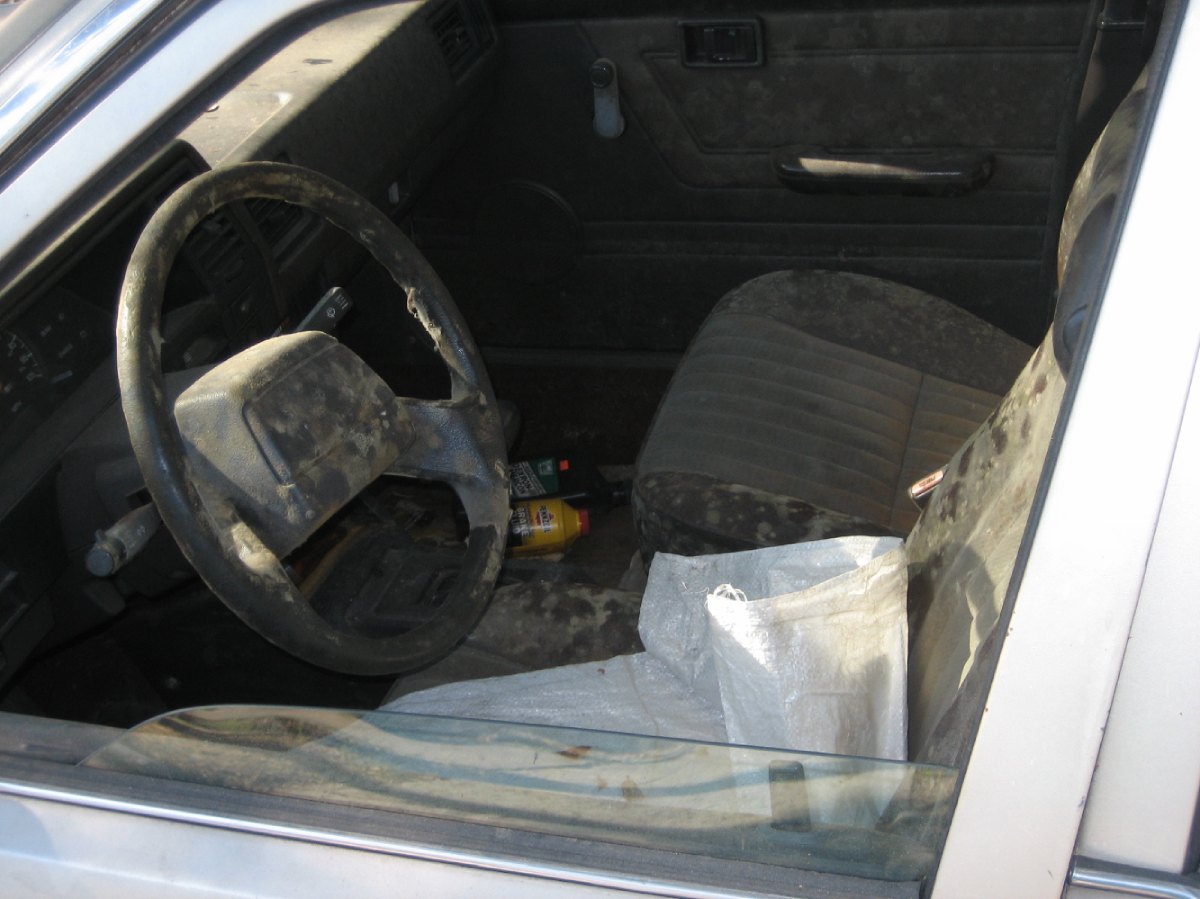
The National Weather Service’s Turn Around, Don’t Drown page puts the line low. Six inches of water is enough for a vehicle to lose contact with the road surface. At 18 inches a vehicle can be swept away. Other NWS material puts the point at which a car can float at about 12 inches.
The agency also reports that more than half of flood fatalities are vehicle-related. Flooded roads can hide washed-out road beds and underwater obstructions. Depth cannot be judged by eye. The weather service’s advice is to turn around.

Does car insurance cover a car that went through water?
AAA says comprehensive car insurance typically pays for water damage from floods, rain and hail after the deductible, while a liability-only policy pays nothing for flood losses. Standard flood insurance generally leaves vehicles out.
Some water losses fall outside the policy, such as damage traced to poor maintenance like a failed sunroof seal or to a window left open. Personal items inside the car belong under a homeowners or renters policy.
Photos and video from several angles, waterline included, are best taken before the car is moved. The insurer is usually called before a tow is booked or a shop is chosen. For the paperwork and next steps, follow the flooded car insurance claim process from the initial report through inspection and settlement. A repair bill that climbs past the car’s value is how insurance totals a car because of flooding.
Coverage details depend on the policy wording and state rules. That includes how an insurer treats a car that was driven into standing water. If the storm also left hail dents or broken glass, see whether auto insurance covers hail damage. Keep those observations separate from the water damage when documenting what happened.
Which problems appear weeks after the water is gone?
Corrosion and electrical faults
Water that dries out of sight leaves silt behind and, after coastal flooding, salt. Salt water corrodes connectors and circuit boards quickly, so a car that ran fine on the first day can start throwing intermittent faults a few weeks later. State Farm’s checklist advises acting quickly after saltwater flooding, since corrosion and odor problems grow as time passes.
Mold and odors
A damp interior can start growing mold within days. The musty smell is the first sign. By the time it is strong, the padding has often absorbed too much water to dry in place. Pulling the carpet for drying or replacing the padding is common in these repairs.
Wet child seats, floor mats and upholstery follow the same logic. Anything porous that stayed saturated is a candidate for replacement.
Once the car has been inspected, the next question is what the repairs may cost. See these flooded car repair cost examples before reviewing a shop’s estimate for interior, electrical or engine work.
Hybrids and electric vehicles
AAA notes that saltwater flooding raises the risk of lithium-ion battery overheating in electric vehicles. The owner’s manual for a hybrid or an electric vehicle spells out the steps after water exposure. A dealer or a qualified shop is the usual next call.
Repair costs, coverage and claim handling vary by vehicle, state and policy. None of this replaces the owner’s manual or an inspection by a qualified mechanic.

RELATED AUTO INSURANCE GUIDES
Auto Insurance
Factors affecting high-risk driver auto insurance cost
Auto Insurance
Actual cash value of my car: how it is set and disputed
Safety & Driving
What to do if car won’t start after driving through water
Safety & Driving
Water damage car repair cost: what drives the bill