

Searches for low income car insurance in Arizona turn up plenty of pages promising state help, special plans or income-based discounts. Most of those promises do not hold up. The real options are smaller and easier to describe. Auto Insure News covers what Arizona does and does not offer, what the law requires and where a tight budget can still save money. It also looks at what a lapse in coverage costs.
Does Arizona have a low-income car insurance program?
No. Arizona has no state program that subsidizes or discounts auto insurance for low-income drivers. California, Hawaii and New Jersey run programs of that kind, and Arizona is not among them. Drivers buy ordinary policies from private insurers. The duty to carry liability coverage applies at every income level.
Advertising fills the gap. Pages describing an “Arizona Low Income Plan” with fixed discount percentages, or insurer programs reserved for EBT cardholders, circulate widely. The claims could not be traced to any state agency page or insurer rate filing. A request for an enrollment fee in a supposed state-backed plan is a reason for suspicion.
Insurers do not price on income. Age, ZIP code, driving record, claims history and the vehicle all count. In most states a credit-based insurance score does too, which is how a quote can land harder on a lower-income household even though no one asks about earnings.

What is the Arizona Automobile Insurance Plan?
One state-supervised option does exist, though it answers a different problem. The Arizona Department of Insurance and Financial Institutions says a driver who has tried several insurers and cannot find coverage can be insured through the Arizona Automobile Insurance Plan. Applications go through any licensed property and casualty agent or producer.
Under the plan’s Arizona page, eligible risks are shared among the companies that write auto insurance in the state. Eligibility turns on whether the regular market will write the driver, with income playing no part. Published guidance describes the rates as higher than standard ones, which makes the plan a last resort.
What does Arizona require at a minimum?
Every registered vehicle needs liability coverage of at least 25/50/15. That means $25,000 per injured person, $50,000 per accident for all injuries and $15,000 for property damage. The Arizona Department of Insurance and Financial Institutions says policies issued or renewed on and after July 1, 2020 must meet those limits. It adds that uninsured and underinsured motorist coverage, when a policy carries it, cannot fall below 25/50.
Registration brings its own deadline. The Arizona Department of Transportation gives owners 30 days after initial registration to submit proof of insurance.
Collision and comprehensive are not required by law. Lenders demand them while a car is financed, which turns an optional layer into a contractual one for anyone with a car loan. How the pieces differ is laid out in liability vs full coverage.
The legal floor and real protection are two different things. Say an at-fault driver with a 25/50/15 policy injures one person with $40,000 in medical bills and damages another car for $22,000. The policy pays $25,000 toward the injuries and $15,000 toward the car. The remaining $22,000 can be pursued from the driver personally.
How much does low-income car insurance cost in Arizona?
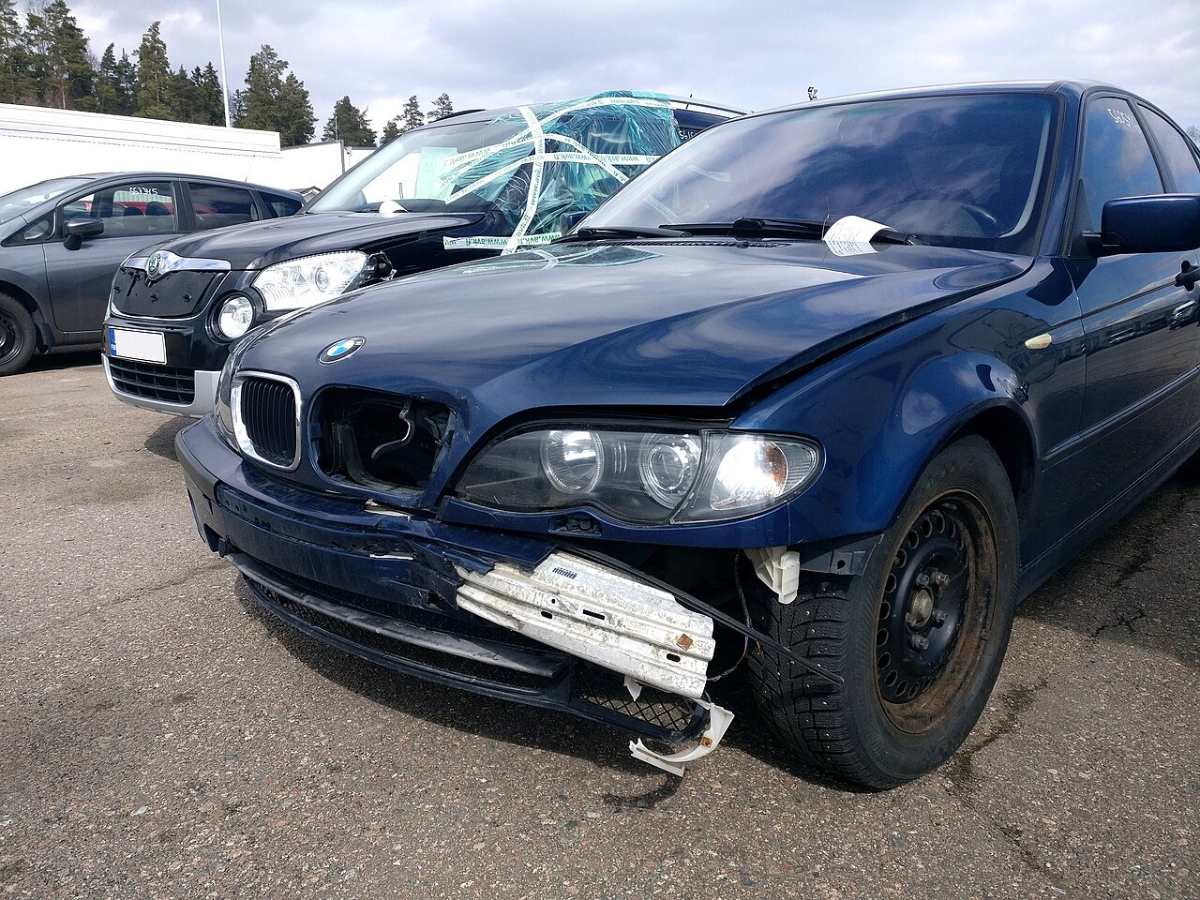
No price tier exists for low incomes, so the cost follows the same factors as any other policy. Published averages for state-minimum coverage in Arizona run from about $660 to about $1,125 a year, depending on the data set. One data set puts full coverage near $1,900. The gap comes from who was quoted, since sample drivers differ in age, record, credit tier and ZIP code.
Say a household earns $30,000 a year. At those averages, minimum coverage takes roughly 2.2 to 3.8 percent of income and full coverage about 6.3 percent. Insurance is seldom the largest bill at that income. It is one of the few with a legal penalty attached to missing it.
Age moves the price more than most factors, so households with a teen driver feel it first. A DUI or another violation that requires an SR-22 filing pushes premiums higher still. Rates also drift upward, which means the policy that was cheapest at the last renewal may no longer be.
How can a low-income driver lower the premium?
Match coverage to the car’s value
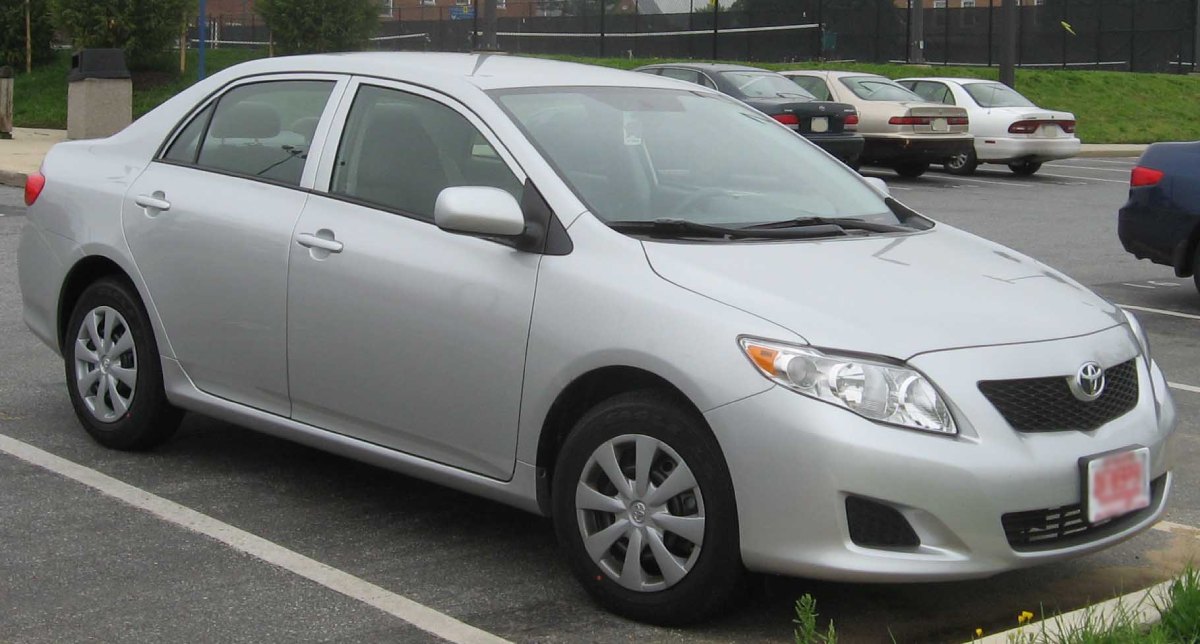
For an older car, the math on full coverage turns quickly. Say a car is worth $4,000 and carries a $1,000 deductible. The most an insurer would pay on a total loss is $3,000. If collision and comprehensive add $900 a year, the premium equals about 30 percent of that payout every year.
A more valuable car changes the arithmetic. A lender’s requirement settles the question while a loan is open.
Shop, then trim the details
Quotes from three to five insurers are a common recommendation, since spreads between companies can outweigh any single discount. The guide to getting auto insurance quotes covers how to run a clean comparison. The checklist in how to save money on car insurance lists the discounts worth asking about.
A higher deductible lowers the collision and comprehensive part of the premium. It only helps if the cash for it exists on the day of a claim. Paying in full can also avoid installment fees at insurers that charge them. The policy documents spell out which do.
Low mileage and usage-based policies
Drivers who put few miles on a car are the natural fit for usage-based and pay-per-mile policies. Availability and pricing vary by insurer, so a quote is the only way to see whether the savings are real.
Pausing coverage on a car that is not being driven
Arizona lets an owner temporarily de-insure a vehicle through AZ MVD Now or with a De-Insured Certificate form. The Arizona Department of Transportation states that a de-insured vehicle is not suspended for lack of insurance unless it is driven on Arizona roads. Insurance has to be reinstated before the car moves again.
For a household between jobs or waiting on repairs, that can mean pausing coverage on a car that is parked. Driving it, even once, ends the protection. Canceling a policy without de-insuring the vehicle is what produces a lapse notice.

What happens if car insurance lapses in Arizona?
Insurers must notify the Motor Vehicle Division of cancellations, renewals and new policies. When a notice shows a policy as no longer active, the division sends an inquiry to verify insurance status. A lapse, missing proof, an open accident case or a newly registered vehicle not yet in the system can each lead to a suspension.
A conviction for driving uninsured under A.R.S. § 28-4135 carries a fine of $500 for a first offense, $750 for a second and $1,000 for a third. Surcharges and assessments come on top. Arizona court information sheets list the matching suspensions at three months, six months and one year. The suspensions cover driving privileges, registration and plates.

Courts have some discretion in first-time cases. A driver with no recent violation who buys a six-month policy can ask to have the suspension waived. The criteria depend on the driver’s record, so the notice and the court are the places to confirm.
Getting plates back requires proof of insurance. An SR-22 filing may be required afterward, and the Department of Transportation says how long it must be kept varies by case. A $500 first-offense fine alone equals roughly five to nine months of minimum coverage at the averages above. That figure leaves out surcharges, months without a legal car and the costlier policy that follows.
Rates, rules and fees change. The Arizona Department of Insurance and Financial Institutions and the Motor Vehicle Division are the places to confirm current requirements before buying or canceling a policy.

RELATED AUTO INSURANCE GUIDES
Auto Insurance
Factors affecting high-risk driver auto insurance cost
Auto Insurance
Actual cash value of my car: how it is set and disputed
Safety & Driving
What to do if car won’t start after driving through water
Safety & Driving
Water damage car repair cost: what drives the bill