

Owning a classic car in Gary, Indiana, is about more than transportation; it’s about protecting a valuable piece of automotive history. Unlike standard car insurance, classic auto insurance is designed for vintage and collectible vehicles, offering specialized coverage that reflects their unique value and limited use.
Whether you’re restoring a timeless model or already own a prized collectible, choosing the right policy can save you money while providing better protection. In this guide, Auto Insure News will explain how classic auto insurance works in Gary, Indiana, what qualifies as a classic vehicle, and how to find the best coverage for your needs.
What is classic auto insurance?
Classic auto insurance, also called collector car insurance, is a specialty policy designed for vintage, antique, collectible, modified, or limited-use vehicles. The biggest difference is how the car is valued.
Most standard auto policies use actual cash value, which means the insurer estimates the vehicle’s value at the time of loss, after depreciation. A classic car policy usually uses agreed value, meaning you and the insurer agree on the vehicle’s insured value before the policy begins. For a closer comparison of stated-value car insurance and agreed-value, review how each method affects the total-loss payout. If the car is a total loss, the payout is based on the agreed amount, subject to policy terms and any deductible.
For a restored classic, a rare collector vehicle, or an appreciating model, that difference can be significant.

How classic auto insurance differs from standard car insurance
Standard auto insurance in Gary, IN is priced for daily driving, while classic auto insurance is built around limited use, secure storage, and agreed value. Before comparing a collector policy to a regular car insurance policy, Gary drivers should understand the difference.
| Feature | Standard auto insurance | Classic car insurance |
|---|---|---|
| Valuation method | Usually, the actual cash value | Usually agreed value |
| Depreciation | Can reduce the claim payout | No depreciation under agreed value, subject to policy terms |
| Vehicle use | Daily driving allowed | Limited pleasure, show, club, or collector use |
| Mileage | Normal personal use | Mileage rules vary by insurer |
| Daily commuting | Usually allowed | Usually not allowed |
| Storage | No special collector-car storage rule | Enclosed or secure storage is often preferred or required |
| Eligible vehicles | Most street-legal vehicles | Classic, antique, collectible, exotic, modified, or modern collector vehicles |
| Typical premium | Often higher for daily-use vehicles | Often lower because collector cars are driven less |
Ready to see your own rate?
Rates can vary based on your driving history, vehicle, coverage, and other factors.
Get a free auto insurance quote and compare your options.
Best Auto Insurance Options in Gary, Indiana
Why Gary classic car owners need specialized coverage
Classic car owners in Gary and Northwest Indiana face a mix of risks that standard auto insurance may not fully address. A collector vehicle may spend long stretches in storage, come out only for weekend drives or shows, and have restoration work or aftermarket parts that are hard to value under a standard policy.
Your garaging address also matters. Insurers may price and underwrite a classic car differently depending on where it is stored, whether it is kept in a locked garage, how often it is driven, and whether the owner has another insured vehicle for everyday use. For a classic car in Gary, secure storage is especially important because many owners reduce driving during winter and avoid exposing older vehicles to snow, ice, road salt, and other harsh weather.
A standard policy may be fine for a normal daily driver, but it can undervalue a collectible vehicle. If your car has been restored, modified, or maintained as a collector’s item, classic auto insurance is usually worth comparing.
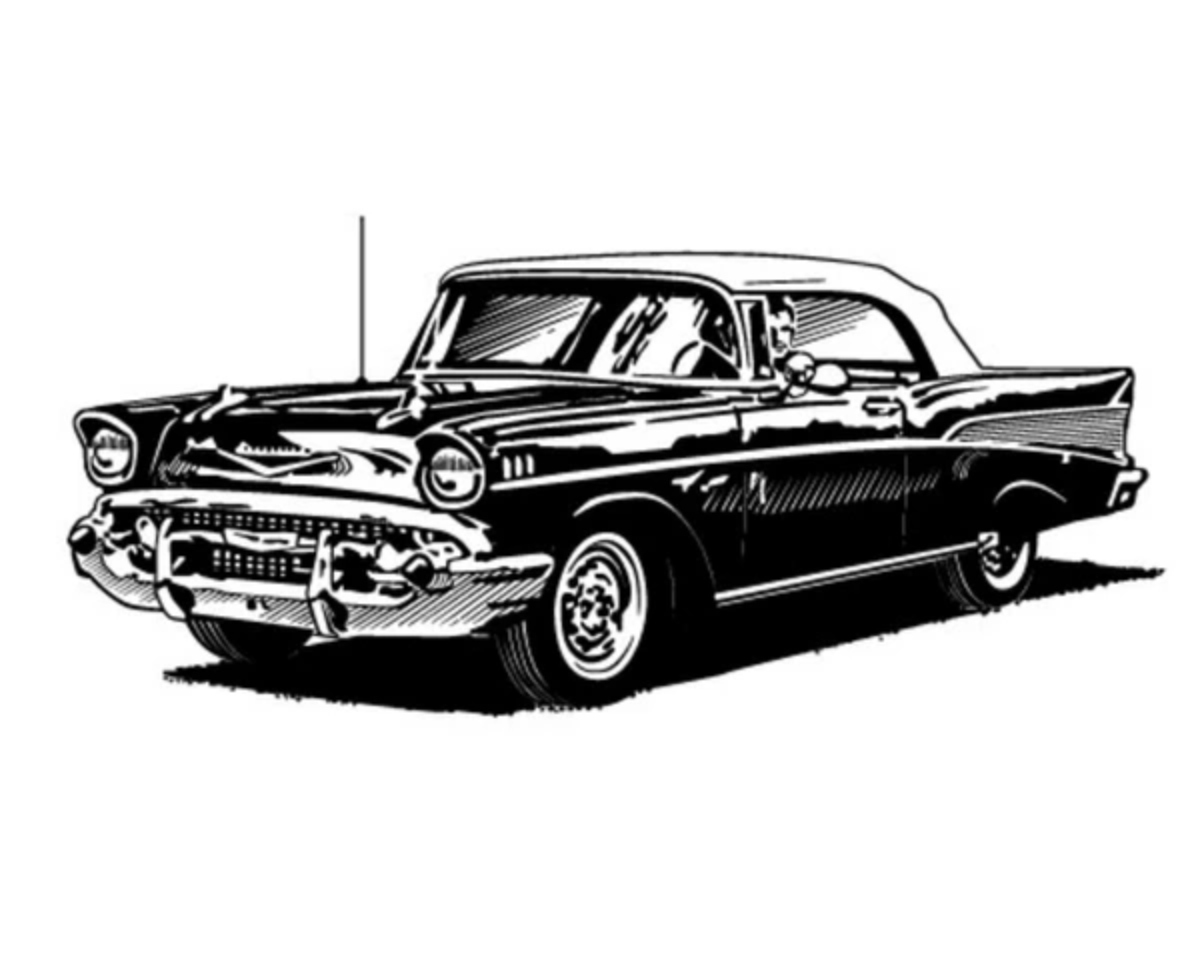
What Gary and Northwest Indiana classic car owners should know
Insuring a collector car in Gary is not quite the same as insuring one in a milder climate. Gary sits on the southern shore of Lake Michigan, and Northwest Indiana gets heavy lake-effect snow, freezing temperatures, and road salt through much of the winter. Salt and moisture are hard on original sheet metal, chrome, and undercarriage components, so many local owners store their classics from late fall through early spring and drive them only in the warmer months. Insurers take that seasonal, limited-use pattern into account, and it is often one reason collector coverage costs less than a standard daily-driver policy.
Storage is especially important in Lake County. An enclosed, locked garage protects your car from winter weather, theft, and vandalism, and it usually helps your eligibility and pricing with specialty insurers. A guide to classic car winter storage can help owners prepare before the season begins. If you can only store the vehicle outdoors or on the street, tell the insurer up front, because it can affect both your rate and the coverage options available to you.
Location also matters for quoting. Your Gary or Lake County garaging ZIP code, nearby storage, and local claim history can all influence pricing on classic auto insurance Gary Indiana. Many Northwest Indiana owners stay active in regional car clubs and attend local shows and cruises during the summer, so when you compare policies, confirm that club events, parades, and occasional pleasure drives around Gary, Merrillville, Hobart, and Hammond are covered the way you actually use the car.
Does Indiana recognize classic and antique vehicles?
Yes. Indiana allows vehicles that are at least 25 years old to qualify for Indiana historic vehicle registration if they are owned, restored, maintained, operated, or used as a collector’s item, a leisure pursuit, or an investment. The vehicle cannot be used primarily for transportation, and you must submit a Collector Vehicle Affidavit (State Form 56166) when you first register and each year you renew.
That registration classification is important, but it does not replace insurance. A historic or collector-plated vehicle still needs to meet Indiana’s insurance and financial responsibility rules if it is driven on public roads. In Indiana, drivers must maintain at least 25/50/25 liability coverage.
| Indiana minimum coverage | Required limit |
|---|---|
| Bodily injury or death of one person | $25,000 |
| Bodily injury or death of two or more people | $50,000 |
| Property damage | $25,000 |
Indiana auto liability policies also include uninsured and underinsured motorist coverage unless the named insured rejects that coverage in writing. Before declining UM or UIM coverage on a classic car policy, review Indiana’s insurance rules of the road indiana and the types of car insurance before asking your agent how the coverage would apply if another driver hit your collector vehicle and had no insurance or not enough insurance.
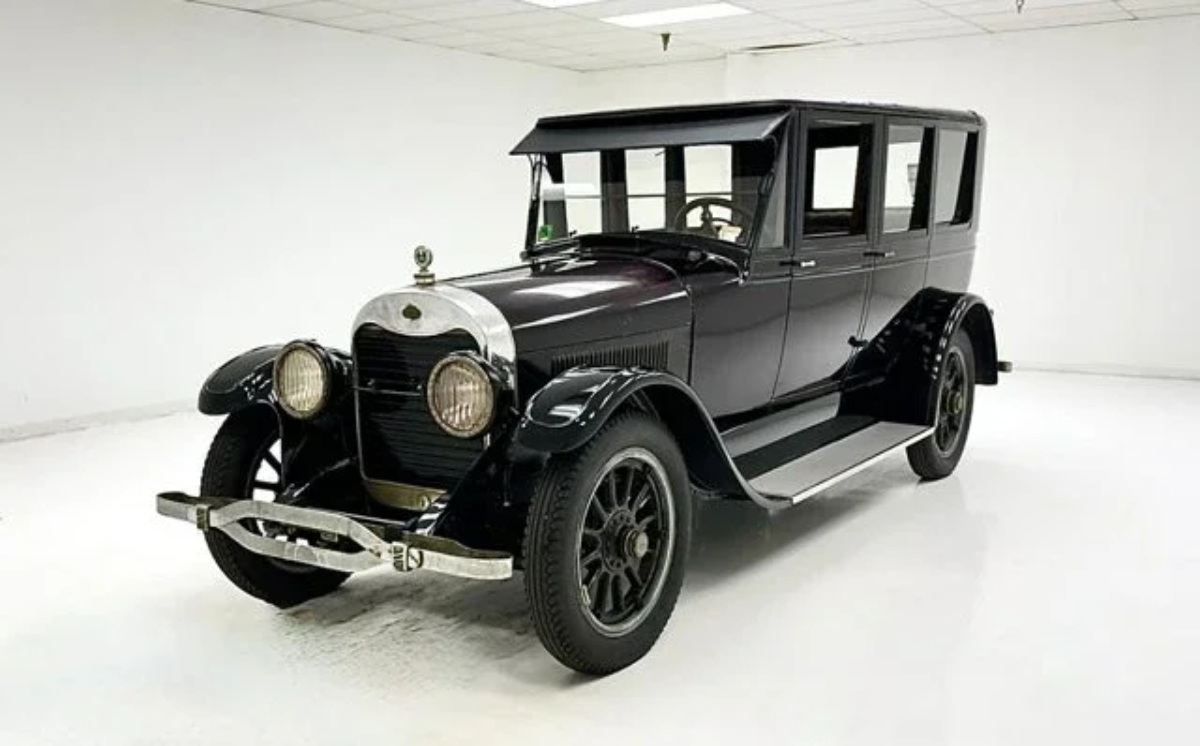
When is a car considered a classic in Indiana?
Indiana historic registration starts at 25 years old, but insurers define a classic differently, so the registration age rule is separate from how a company decides when does a car become a classic for insurance. As a general guide, State Farm may treat some 10- to 24-year-old vehicles with historical interest as classics; American Collectors covers many vehicles over 20 years old; and Hagerty generally focuses on cars around 25 to 30 years old and older. Within those brackets, insurers may also look at condition, production numbers, and how the car is used.
Before requesting quotes, make sure your vehicle fits the basic collector-car profile. In Indiana, historic vehicles are generally at least 25 years old and not used primarily for transportation, while specialty insurers may also review storage, usage, condition, driving record, and whether you have another regular-use vehicle. If your car is a daily driver, a standard auto policy may be a better fit.
Top classic car insurance companies to compare in Gary, Indiana
The best classic car insurance company in Gary depends on the vehicle, how you use it, where it is stored, and whether you need agreed value, spare parts coverage, roadside assistance, restoration coverage, or flexible mileage. Comparing auto insurance companies in indiana can help you identify providers licensed for your situation. Either way, confirm that the provider offers true agreed-value coverage before you buy.
| Provider | Best for | What to check |
|---|---|---|
| Hagerty | Serious collectors and valuation tools | Agreed value, usage rules, roadside options |
| Grundy | High-value vehicles and pleasure driving | No daily driving, household regular-use car requirement |
| American Collectors Insurance | Restoration projects and flexible collector coverage | Mileage plan, inflation guard, restoration coverage |
| J.C. Taylor | Antique and low-mileage collector vehicles | Agreed value, use restrictions, and eligibility |
| Safeco or Heacock | Bundling and mainstream collector options | Whether it is a true agreed value and mileage terms |
| Major carriers or specialty partners | Bundling convenience | Whether coverage is agreed value, stated value, or actual cash value |
Hagerty
Hagerty is one of the best-known names in collector car insurance and operates in all 50 states. It is a strong option for restored classics, show cars, and collectors who want agreed value coverage, flexible use, and valuation tools. Hagerty also underwrites Progressive classic car policies, so you may find a bundling path there.
- Best for: Serious collectors, show cars, high-value restorations, and owners who want a specialty insurer focused on collector vehicles.
- What to ask: Confirm the agreed value, storage requirements, mileage flexibility, spare parts coverage, roadside assistance, and whether your specific use is eligible.

Grundy
Grundy is another long-established classic car insurer, often known for flexible pleasure-use mileage on certain collector policies. That does not mean the car can be a daily driver. Grundy generally expects the collector vehicle to be used for pleasure and collector activities, while the household keeps a regular-use vehicle for everyday transportation.
- Best for: High-value vehicles, collectors who attend shows or cruises, and owners who want flexible terms for pleasure driving.
- What to ask: Confirm whether the policy has any mileage cap, how pleasure use is defined, whether occasional trips are allowed, and what uses are excluded.

American Collectors Insurance
American Collectors Insurance is a strong option for owners who want agreed-value coverage, flexible mileage options, inflation protection, and possible coverage for vehicles undergoing restoration.
- Best for: Budget-conscious collectors, project cars, restored classics, and owners who want flexible collector coverage.
- What to ask: Confirm mileage plan options, restoration coverage, spare parts coverage, inflation guard, and what documentation is required to support the agreed value.

J.C. Taylor
J.C. Taylor has long served the needs of antique and classic car owners. It may fit collectors with older antique cars, low-mileage vehicles, and cars used mainly for shows, club events, and occasional pleasure driving.
- Best for: Antique vehicles, older collector cars, and low-mileage enthusiasts.
- What to ask: Confirm agreed value terms, mileage rules, storage requirements, and whether the vehicle’s age, condition, and use meet underwriting guidelines.

State Farm, Progressive, and other major carriers
Some major insurers may offer classic or collector coverage directly or through specialty partners. This can be convenient if you already insure your home, daily driver, or umbrella policy with the same company. Before choosing, review what to look for in car insurance and do not assume the valuation method matches a specialty collector policy.
- Best for: Entry-level collectors, convenience bundlers, and owners who want to keep policies with one company.
- What to ask: Is the policy agreed value, stated value, or actual cash value? How is a covered total loss paid? Are spare parts covered? Are club events, tours, rallies, and parades covered? Are track, autocross, or performance-driving events excluded?
How much does Indiana classic car insurance cost?
Classic car insurance is often less expensive than standard auto insurance because collector cars are usually driven less, stored more securely, and not used for daily commuting. National guides put classic car insurance around $400 to $1,000 per year on average (WalletHub), or roughly 0.4 to 1.0 percent of the agreed value per year. Providers such as American Collectors and Hagerty say collector rates can be 34 to 40 percent lower than standard auto insurance.
As a reference point, sample full-coverage quotes for a 1967 Chevrolet Camaro have ranged widely by insurer.
| Insurer | Sample annual rate (1967 Camaro) |
|---|---|
| Grundy | $345 |
| J.C. Taylor | $389 |
| American Collectors | $468 |
| Heacock | $522 |
| Hagerty | $542 |
These are national sample rates (from LendingTree), not Gary’s quotes. Your premium depends on the agreed value, ZIP code, storage, mileage, driver record, insurer, deductible, liability limits, and optional coverages. The illustrative ranges below show how vehicle type can shift pricing.
| Vehicle type | Agreed value | Estimated annual premium |
|---|---|---|
| Pre-war vehicle | $20,000 to $50,000 | $250 to $500 |
| 1960s to 1970s muscle car | $30,000 to $80,000 | $300 to $700 |
| Vintage truck | $15,000 to $35,000 | $200 to $400 |
| Rare exotic or collectible | $80,000 to $200,000+ | $600 to $1,500+ |
| Modern classic | $20,000 to $60,000 | $250 to $600 |
These are broad illustrative ranges, not Gary-specific quotes. A 1969 Camaro stored in a locked garage in Gary will not be priced the same as a rare exotic, a partially restored truck, or a car stored outdoors. Always compare quotes using the same agreed value and coverage limits.
What affects your classic car insurance premium?
Several factors influence the cost of classic auto insurance in Gary and across Indiana.
- Agreed value: A higher insured value usually means a higher premium, but it also gives you better protection if the car has a covered total loss.
- Mileage and use: A car driven only to shows and occasional weekend events may cost less than one with a higher annual mileage allowance.
- Storage: Enclosed, locked storage can help with eligibility and pricing. Outdoor, street, or insecure storage may limit your options.
- Vehicle condition: Restored cars, original-condition vehicles, modified classics, and project cars may require different documentation.
- Driver profile: Requirements vary, but specialty insurers often prefer experienced drivers with clean records.
- Coverage choices: Liability limits, comprehensive insurance claims and collision coverage, spare parts, roadside assistance, restoration coverage, and deductible choices all affect the final price.
- Local garaging ZIP code: Your Gary or Lake County garaging address may influence pricing because insurers weigh location, storage, theft risk, weather exposure, and claim history.

How to lower your classic car insurance quote in Gary
You can often reduce the cost of classic car insurance without weakening the policy.
Start with secure storage. A locked garage or approved storage location can make a major difference in eligibility and pricing. Choose a mileage limit that realistically reflects how you use the car, and avoid paying for a higher allowance if the vehicle is used only for weekend drives or local events.
Ask about car club benefits, multi-policy discounts, anti-theft devices, vehicle tracking systems, and spare parts coverage. If you have more than one collector vehicle, ask whether a multi-vehicle collector policy is available.
Also, review the agreed value every year. If your classic has appreciated, been restored, or undergone major upgrades, update its value before a loss occurs. A cheap policy with an outdated agreed value can leave you underinsured.
How to get Classic Auto Insurance in Gary, Indiana (2026)
Getting classic car insurance is straightforward if you prepare the right information before getting a quote.
Step 1: Establish your vehicle’s agreed value
Estimate the car’s value in its current condition using collector valuation tools, recent auction results, NADA or J.D. Power classic guides, comparable sales, restoration receipts, or a professional appraisal. The agreed value should reflect the vehicle as it sits today. A concours-level restoration should not be valued the same as a driver-quality car or a project vehicle.
Step 2: Gather your documentation
Most specialty insurers will want basic documentation before finalizing coverage. Prepare:
- Vehicle title
- VIN
- Current odometer reading
- Exterior photos from multiple angles
- Interior photos
- Engine bay photos
- Restoration receipts
- Appraisal documents, if available
- Storage details
- Your daily-use vehicle and insurance information
Step 3: Confirm eligibility
Before you spend time comparing quotes, make sure the vehicle fits the typical collector profile. It should not be your daily driver, and you should have another insured vehicle for everyday use. Confirm the car is stored in an acceptable location and that your driving record meets the insurer’s guidelines.
Step 4: Request at least three quotes
Compare quotes from specialty insurers such as Hagerty, Grundy, American Collectors Insurance, and J.C. Taylor. When comparing classic car insurance quotes, use the same agreed value, liability limits, storage details, mileage allowance, and deductible across every provider. Also consider a local Indiana-licensed independent agent who can access collector-car markets and help compare terms.
Step 5: Compare policies beyond price
Do not choose based only on the lowest premium. Compare agreed value versus stated value versus actual cash value, liability limits, UM and UIM coverage, mileage rules, storage requirements, spare parts coverage, roadside assistance, event and show use, restoration coverage, deductibles, and the claim process. A stated-value policy that pays less at claim time may not be cheaper in a real loss.
Step 6: Verify Indiana compliance
Before driving your classic car on public roads, confirm the policy satisfies Indiana’s 25/50/25 liability requirement, and review uninsured and underinsured motorist coverage before rejecting it in writing. If your car has historic plates, keep your registration and proof of insurance together, as shows, parades, and club events may require them.
Step 7: Finalize and review annually
Once the policy is active, keep digital and printed proof of insurance. Review the agreed value every year, especially after restoration work, major repairs, market appreciation, or new modifications. Classic cars can rise in value, and your insurance should keep up.
Classic car owners in Gary should avoid these mistakes
- Insuring a collector car on a standard policy that uses actual cash value instead of agreed value.
- Letting the agreed value fall out of date after restoration or market appreciation.
- Using the classic as a daily driver when the policy only allows limited pleasure use.
- Storing the car outdoors without telling the insurer.
- Rejecting UM or UIM coverage without understanding how it applies.
- Choosing the cheapest quote without comparing storage, mileage, and claim terms.
- Skipping proof of insurance for shows, parades, and club events.
Not sure your classic is properly insured in Gary? Compare your coverage first
A restored or appreciating collector car can be underinsured if your policy uses actual cash value rather than agreed value, or if the agreed value has not kept pace with the market. The smart move is to review your coverage before a loss or your renewal, and to compare specialty insurers using the same agreed value, liability limits, deductible, mileage allowance, and storage details so you are comparing like-for-like.
Want help staying ahead of gaps in collector car coverage? Enter your email and state in the form below, and Auto Insure News will send you classic and collector car insurance tips, coverage updates, and money-saving alerts for Gary and Northwest Indiana drivers. It takes less than a minute, with no spam and easy unsubscribe at any time.

RELATED AUTO INSURANCE GUIDES
Safety & Driving
How Does a Learner’s Permit Work? Rules and Next Steps
Safety & Driving
Thunderstorm Safety Tips at Home, Outdoors and in a Car
Auto Insurance
ACV vs Replacement Cost: How Insurance Payouts Differ
Safety & Driving
Black Ice on the Roads: How to spot it and handle a skid