

A flood can total a car overnight, yet the loan stays exactly where it was. Gap insurance exists for the stretch of that balance the insurer’s payment never reaches. Whether it pays depends on the policy, the gap contract and whether the car is a total loss. Auto Insure News walks through the cases with worked examples. Real terms always come from the paperwork.
Does gap insurance cover a flooded car?
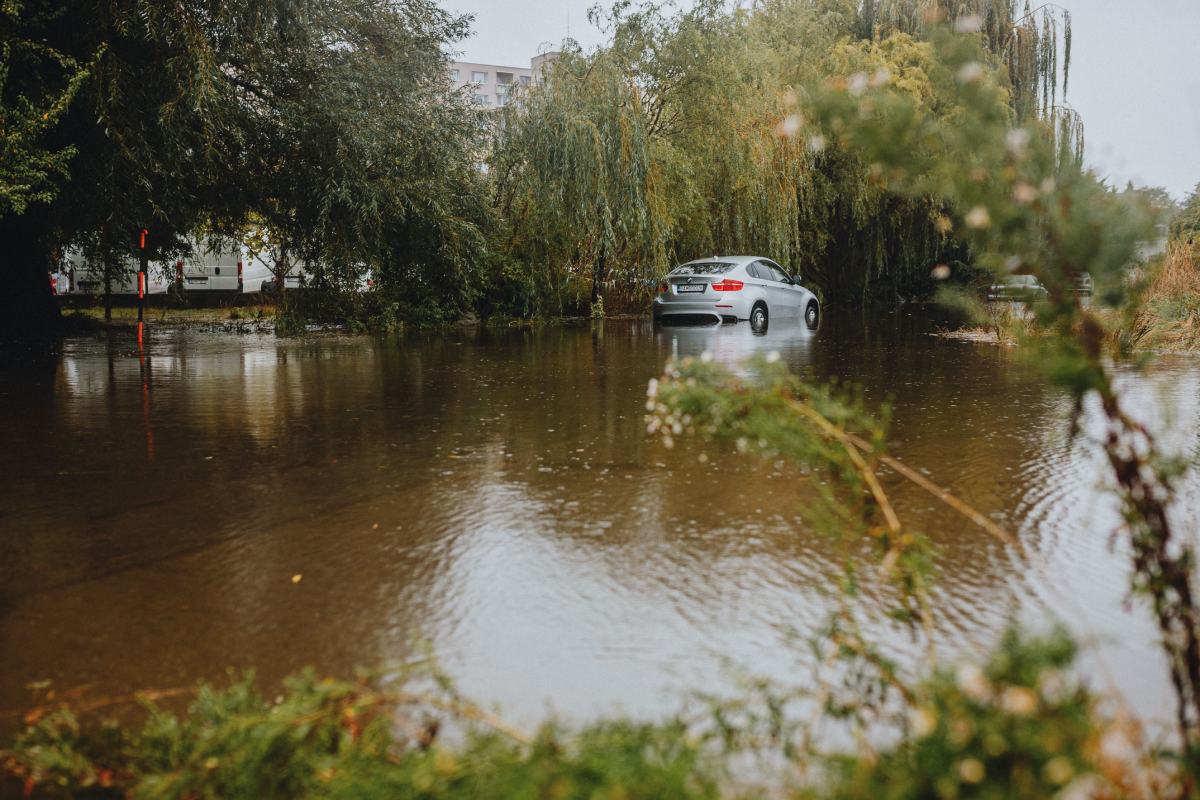
Gap insurance covers a flooded car in one situation. The flood must be a covered loss, the insurer must declare the car a total loss and the loan or lease balance must be higher than the settlement. The contract then pays the difference. Flood damage itself is paid under comprehensive coverage, so the chain starts there.
A gap policy or endorsement pays the difference between what is owed and the settlement. Without it the borrower covers the rest of the loan, the arrangement laid out in Maryland Insurance Administration’s flooded car FAQs. A standard policy pays only up to the car’s value. After a flood that figure reflects what the car was worth the day before the water arrived. The purchase price and the loan balance play no part in it.
Owning gap does not change who decides whether the car is totaled. The insurer makes that call by comparing the repair estimate with actual cash value, a process covered in what happens when insurance totals a car after flooding. A flood can reach that line quickly. Water at seat height soaks the carpets and the wiring routed beneath them. Mold and corrosion follow. A single replaced computer module can take a large share of the car’s value. Thresholds differ by state. Maryland law requires a total when repairs exceed 75 percent of value.
How much does gap insurance pay after a flood?
The coverage pays the loan balance left after the insurer’s settlement. The contract decides what happens to the comprehensive deductible. The examples below assume a car worth $18,900 before the flood, a $500 deductible and an insurer that pays actual cash value minus the deductible.
Before working through the examples, see how insurers calculate a car’s actual cash value. Check that valuation separately from the loan payoff and any limits in the gap contract.
| Example situation | Loan balance | Insurer pays | Gap pays | Owner out of pocket |
|---|---|---|---|---|
| Total loss, gap excludes the deductible | $22,400 | $18,400 | $3,500 | $500 |
| Total loss, gap reimburses the deductible | $22,400 | $18,400 | $4,000 | $0 |
| Total loss, loan below the car’s value | $14,000 | $18,400 | $0 | $0 (and $4,400 left after the payoff) |
| Repairable car, $6,000 repair bill | $22,400 | $5,500 toward repairs | $0 | $500 |
The first two rows describe the same flood and differ by $500, which depends entirely on whether the contract reimburses the deductible. Some contracts do and many exclude it. Others cap the payout. A salvage deduction comes into play only when the owner keeps the totaled car, because the insurer then typically reduces the settlement by the car’s salvage value. The reduction widens the loan shortfall. Some gap contracts do not cover it. Rules on keeping a totaled car differ by state. The last two rows show where gap contributes nothing. An owner with positive equity receives the leftover money. A repairable car never triggers the contract.
Caps work from the car’s value. A contract may limit the covered balance to a percentage of actual cash value, with 125 percent commonly cited. Some insurer endorsements express a similar ceiling as a payout of up to 25 percent of the car’s value. Say a contract caps coverage at 125 percent. On the $18,900 car that ceiling is $23,625, so a $27,000 loan leaves $3,375 above the cap with the owner. A balance rolled over from a previous loan is often excluded entirely, which can push the shortfall higher.

When does gap insurance pay nothing after a flood?
A gap claim depends on a primary claim that ends in a total loss, so most denials trace back to that first step.
A car that can be repaired
The contract applies only to total losses and unrecovered theft. A flooded car that a shop can dry out and repair leaves the loan balance where it was. The owner pays the deductible. Even a large bill, such as the module and wiring jobs priced in the water damage car repair cost examples, produces no gap payment while the car stays below the total loss line.
A primary claim that is not paid
Floodwater damage is paid under comprehensive coverage, so a policy with liability alone or with liability plus collision insurance pays nothing for it. With no settlement from the insurer, the gap contract has nothing to build on. Gap sold through an insurer also usually requires comprehensive and collision on the same policy. Guidance on driving into standing water is mixed. Some consumer guides say comprehensive usually still pays for a flooded street, while others warn that an insurer may deny an engine claim as preventable. A gap claim follows whatever the insurer decides, so a denial at that stage leaves nothing for the gap contract to pay.
A loan balance below the car’s value
Gap exists for borrowers who owe more than the car was worth. After a few years of payments the balance often drops under the car’s value. The insurer’s settlement then clears the loan without help.
Costs outside the contract
Missed payments, late fees, repairs and a rental car sit outside gap coverage. Some contracts also exclude interest that accrues after the date of loss. The comprehensive deductible depends on the contract, as the table shows.
Who sells gap coverage, and does the source matter?
Dealers often offer gap at the time of purchase or lease. Insurers may also add it to the auto policy. Some lenders sell it directly. Prices vary widely, which makes a side-by-side look at cost and coverage worthwhile before buying. A lender or dealer that calls gap mandatory should be able to point to the sales contract language. More detail on the add-on is in the CFPB’s explanation of GAP insurance.
The seller changes the mechanics and the price. Gap added to an auto policy is often cheaper, with published estimates running from roughly $20 to $150 a year. The coverage ends when the endorsement is cancelled. Dealer-sold gap is typically a one-time charge, with published estimates commonly between $400 and $900. It is often rolled into the loan, so interest is added. Say a $600 dealer product is financed at 7 percent over 60 months. The total comes to about $713 with interest, compared with $200 for five years of an insurer endorsement at $40 a year.
Some lender and dealer products are structured as a gap waiver, a contract in which the lender agrees to waive the remaining balance. An insurer endorsement is an insurance product added to the policy. The two can look alike at the dealership, but the terms on deductibles and refunds vary by product and state. A waiver is tied to the loan, so refinancing usually ends it. Asking the seller whether the product is insurance or a waiver shows which terms apply.
Many lease agreements already include gap protection. The lease states whether it does. More background on leasing is in how a car lease works.
How does a gap claim work after a flood?
The gap claim starts after the comprehensive claim reaches a settlement. The first claim runs through the insurer, as laid out in filing a flooded car insurance claim.
Loan payments continue while the claims are open. The valuation, the settlement and the gap payout arrive one after another, so at least one payment may fall due before the loan is cleared. Borrowers are generally told to keep paying until the loan is paid in full. A missed payment can bring late fees and a credit report entry. It also falls outside most gap contracts. A payment that lands after the payoff is typically returned by the lender.
Once the insurer issues its settlement, the gap provider is contacted separately, since the contract may sit with the dealer, the lender or the insurer. The provider typically asks for the settlement letter and the loan payoff figure. Many contracts set a deadline for reporting the loss, so a delay can put the benefit at risk.
The lender receives the insurer’s payment first. The gap payment covers the remaining balance. A low valuation can be negotiated with proof such as dealer quotes or online listings for similar cars. With gap in place, a disputed valuation matters most when the contract caps the payout, since the owner then carries any amount above the cap.
Is gap insurance worth carrying where floods are common?
Gap matters most when the loan balance runs ahead of the car’s value. Down payments under 20 percent and loans of five years or longer are the situations flagged by the Insurance Information Institute, and leases belong in the same group. Flooding adds little to that math except timing, since the water can total a car in the first year or in the fifth.
Coverage has to be in force before the water arrives, because gap added after a flood will not apply to that loss. Because the product is optional, it can be cancelled at any time, which many borrowers do once the balance drops below the car’s value. A prorated refund of the unused portion may be due after an early payoff or a refinance, although terms differ by product and some dealer contracts refund little. The lender or the provider is the place to ask.

RELATED AUTO INSURANCE GUIDES
Auto Insurance
Factors affecting high-risk driver auto insurance cost
Auto Insurance
Actual cash value of my car: how it is set and disputed
Safety & Driving
What to do if car won’t start after driving through water
Safety & Driving
Water damage car repair cost: what drives the bill