

A renewal notice with a higher premium can make switching insurers look like the obvious answer. But the lowest quote is not automatically the right policy, and canceling too soon can leave a driver without the coverage they expected. The decision depends on the replacement policy, the cancellation terms, and how the two effective dates line up.
At Auto Insure News, we help drivers understand what to compare before requesting quotes or changing a policy. Rules and coverage can vary by state, company, and contract, so check your own policy before acting.
What switching actually means
Changing insurance companies usually involves two separate steps: starting coverage with a new insurer and ending the existing policy. A quote or online application is not the same as active coverage. Drivers can generally switch auto insurers before the current policy expires, but canceling the old policy is typically the policyholder’s responsibility.
That distinction matters. If the old policy ends before the replacement begins, even a short interval may leave the vehicle uninsured. If both policies overlap, you may pay for duplicate coverage for a period or need to clarify which policy applies. The goal is to coordinate the change so the new policy is active by the time the old one ends, with dates confirmed in writing.
When changing companies, it may be worth considering
Your renewal premium has gone up
A higher renewal price is a good reason to compare, not a guarantee that switching will save money. Ask your current insurer what changed and whether a discount, deductible, or coverage adjustment could affect the cost. Then obtain quotes from other companies using the same driver, vehicle, address, limits, and deductibles.
The National Association of Insurance Commissioners (NAIC) recommends providing the same information and requesting the same coverage types and limits from each company. Without that consistency, a lower quote may reflect less protection rather than a better price for equivalent coverage.
Your circumstances are different now
A move, a new vehicle, a change in household drivers, marriage, or a shift in how often you drive can make an old policy a poor fit. Review the listed drivers and vehicles, and inform insurers of any relevant changes when requesting quotes. Insurers may rate policies differently based on personal and vehicle details, so an old comparison may no longer reflect your current situation.
You can also review your coverage without deciding to change companies. Check whether the limits, deductibles, and optional protections still suit your needs. Shopping around is useful even if you ultimately stay with the same insurer.

You want a different service experience
Price is not the only reason to switch. A driver may want clearer communication, easier access to customer support, or a claims process that feels more suitable. Before choosing another company, look into how it accepts claims, how customers can reach support, and which services are available in your state.
No insurer can promise that every future claim will be simple. Treat service information as one factor in the comparison, not a guarantee. If your reason for switching is a past claim, ask how the existing insurer will continue handling it before you change policies.
The new policy fits your needs better
A competing policy may offer a coverage option, discount, or way to manage the account that better fits your priorities. Confirm that you actually qualify for the advertised discount and that it appears in the written quote. Insurers’ discounts, coverage features, and eligibility rules vary by company and state.
What can go wrong when you switch
A lapse can leave you uninsured
Do not cancel the current policy until the replacement is active. A lapse can expose you to costs after an accident and may create legal or registration consequences. The NAIC says most states require auto insurance and warns that driving without it can lead to fines or vehicle impoundment. The exact requirements and penalties depend on the state.
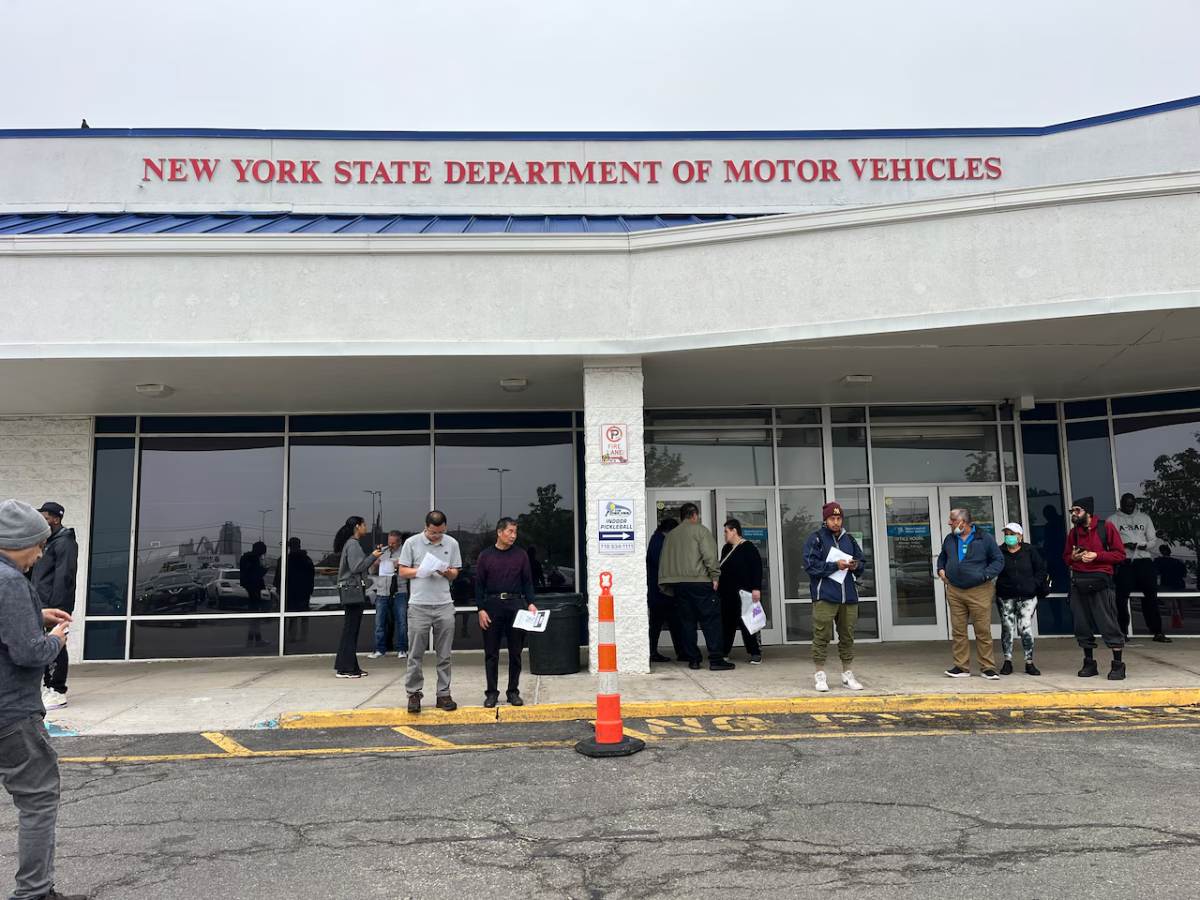
New York provides a specific example: the New York DMV’s insurance-lapse rules explain that a lapse occurs when a registered vehicle has no liability coverage between the cancellation date and the start of the new policy. Depending on the circumstances and length of the lapse, New York may suspend a vehicle registration and, in some cases, a driver’s license. Those rules are specific to New York; drivers elsewhere should check their own state’s requirements.
A car being parked does not automatically mean you can cancel insurance without taking other steps. If you are storing, selling, or no longer driving a vehicle, ask your insurer and state motor-vehicle agency whether registration, plates, or proof of coverage must be handled first. New York DMV, for example, says a registered vehicle must maintain liability coverage or the owner must follow the state’s plate and registration procedures.
A cheaper quote may provide less coverage
Compare the protection, not just the premium. Review liability limits, deductibles, and whether collision, comprehensive, or other optional coverages are included. A lower limit can reduce what the insurer may pay for a covered liability claim. A higher deductible can lower the premium while increasing what you may have to pay after certain losses.
Write down the coverage on your current declarations page before you request quotes. Ask each company to match it as closely as possible. If a quote differs, record the difference instead of treating it as an equivalent offer. The NAIC advises consumers to compare the same coverages and limits and to get rate and coverage information in writing.
Cancellation charges can reduce the savings
If you end a policy before its renewal date, ask the insurer whether an early-cancellation fee applies. If you prepaid, ask whether you may receive a refund for the unused premium, how it is calculated, and when it will be processed. Refunds and fees vary by contract and insurer, so include them when estimating the cost of switching.
Follow the existing insurer’s cancellation instructions rather than assuming the new company will close the old policy for you. Request written confirmation with the cancellation date and keep it with the replacement documents. Check the final bill or refund when it arrives.
You may lose a bundle or other discount
If you have more than one policy with the current insurer, moving only your auto coverage could change the price of the policies you keep. Ask the company to recalculate any bundle discount before you compare totals. A lower auto premium may not reduce your household’s overall insurance costs if another discount disappears.
Ask the new insurer to show which discounts are included and what conditions apply. Do not assume a promotion will continue at renewal or that a discount available in one state is available in another. The written quote is a better basis for comparison than a general marketing claim.

A lender or lease may require particular coverage
If you are still paying off or leasing a car, check the agreement before changing policies. A lender or lessor may require specific coverage while it has a financial interest in the vehicle. The NAIC says most lenders require insurance on a financed vehicle and notes that a lender may arrange coverage if the borrower allows the policy to lapse. That coverage can cost more and may not protect the driver in the same way as a policy they choose themselves. Confirm the replacement meets the agreement and ask where to send proof.
An open claim needs a careful handoff
If a claim is still being handled, contact the current insurer before choosing a cancellation date. Ask how to submit documents, receive updates, or respond to requests after the policy ends. Switching companies does not mean the new policy automatically replaces the one that covered an earlier incident. Polly’s consumer guidance notes that changing insurers during an open claim may complicate matters, but the effect depends on the claim and policy.
What to compare before choosing a new company
Use your current declarations page as a baseline. Compare the items below and ask the insurer to explain any difference in plain language. The same information should be used for each quote so the prices are meaningful.
| Item | What to verify |
| Coverage types and limits | Does the quote match the protection and limits you have now? |
| Deductibles | How much would you pay out of pocket for a covered loss? |
| Vehicle and drivers | Are the correct cars and household drivers listed? |
| Discounts | Which savings are included, and what conditions apply? |
| Cancellation costs | Is there a fee, and is any prepaid premium refundable? |
| Service and claims | How do you report a claim and contact the company? |
| Start date | When exactly does the new policy become active? |
| Lender or lease terms | Does the policy satisfy the agreement, and who needs proof? |
Compare the total cost of the policies you plan to keep, not just one premium. Include a possible cancellation charge, an expected refund, and any change to a bundle discount. If a quote depends on an assumption, such as a driver, mileage, or discount, confirm that the information is correct and the final offer still applies.
When to switch: renewal or mid-policy?
Renewal can be convenient because it gives you a natural date to compare the old policy with new quotes. It may also help avoid an early-cancellation fee, although you still need to check the contract. But drivers generally do not have to wait until renewal to change auto insurers.
A mid-policy switch may make sense if the new policy is a better overall fit and the expected benefits outweigh the fees or lost discounts. If the difference is small, waiting for renewal may be simpler. If the existing coverage no longer fits your circumstances, switching earlier may be reasonable once you have confirmed the contract terms and the new effective date.
There is no single ideal month for every driver. Start comparing early enough to review the documents and ask questions. Do not schedule cancellation based only on a quote or an unconfirmed application.
How to change insurers without a coverage gap
1. Review the current policy. Note the coverage types, limits, deductibles, discounts, renewal date, and any lender or lease requirements.
2. Request comparable quotes. Give each insurer the same information and ask for the same coverages and limits. Request the quote in writing.
3. Compare the full offer. Consider price alongside deductibles, policy features, service, bundle effects, and any cancellation charges.
4. Confirm eligibility and timing. Ask the new company to confirm the exact effective date and that the requested coverage is accepted. Check the old policy’s cancellation terms and ask about any refund.
5. Activate the replacement policy. Complete the purchase and verify that the new policy is in force before canceling the old one.
6. Cancel the old policy directly. Follow the insurer’s process, request written confirmation, and retain the record.
7. Update your records. Replace the insurance card or proof documents and send evidence to a lender or lessor if required. Review the final bill or refund from the previous company.
Does the answer change for other types of insurance?
The leading results for this search focus on auto insurance, so the examples above should not be treated as rules for every product. The general idea, compare coverage and check cancellation terms before making a change, may apply elsewhere, but effective dates, eligibility, and consequences are policy-specific. Read the contract and ask the insurer what happens if you cancel or replace it.
Take particular care before replacing a whole-life policy. Ask what happens to any accumulated cash value and how a replacement policy would work. Canceling an existing contract can have financial consequences that depend on its terms.
Request information about auto coverage
If you are comparing auto policies, you may use the form on this page to provide basic details about your vehicle and coverage needs. Submitting information does not bind you to a policy or guarantee that a company will offer coverage or a particular price.
Before you switch, confirm the quote matches the protection you want, understand cancellation fees and possible refunds, check any lender or lease requirements, and verify the new policy’s effective date. Keep written records of the new coverage and the old policy’s cancellation. If you are unsure about state requirements, consult your state insurance department or a licensed insurance professional. The policy contract controls the specific coverage, exclusions, and claim terms.

RELATED AUTO INSURANCE GUIDES
Auto Insurance
Is it bad to switch insurance companies? what to check before changing
Auto Insurance
Car Insurance for Roommates: Cost and Quotes
Safety & Driving
How to protect a classic car from theft in Gary Indiana
Safety & Driving
Indiana distracted driving law: rules, fines and license points