

A flat tire looks like an easy insurance claim, since the car is damaged and the driver is stranded at the roadside. In practice, a policy usually treats an ordinary flat as an ownership cost and pays only when something specific caused it. Vandals, a crash, a pothole or a curb can change the outcome. Auto Insure News sorts out which coverage answers which kind of flat, what roadside assistance adds, and when filing a claim is worth the trouble.
Does insurance cover flat tires?
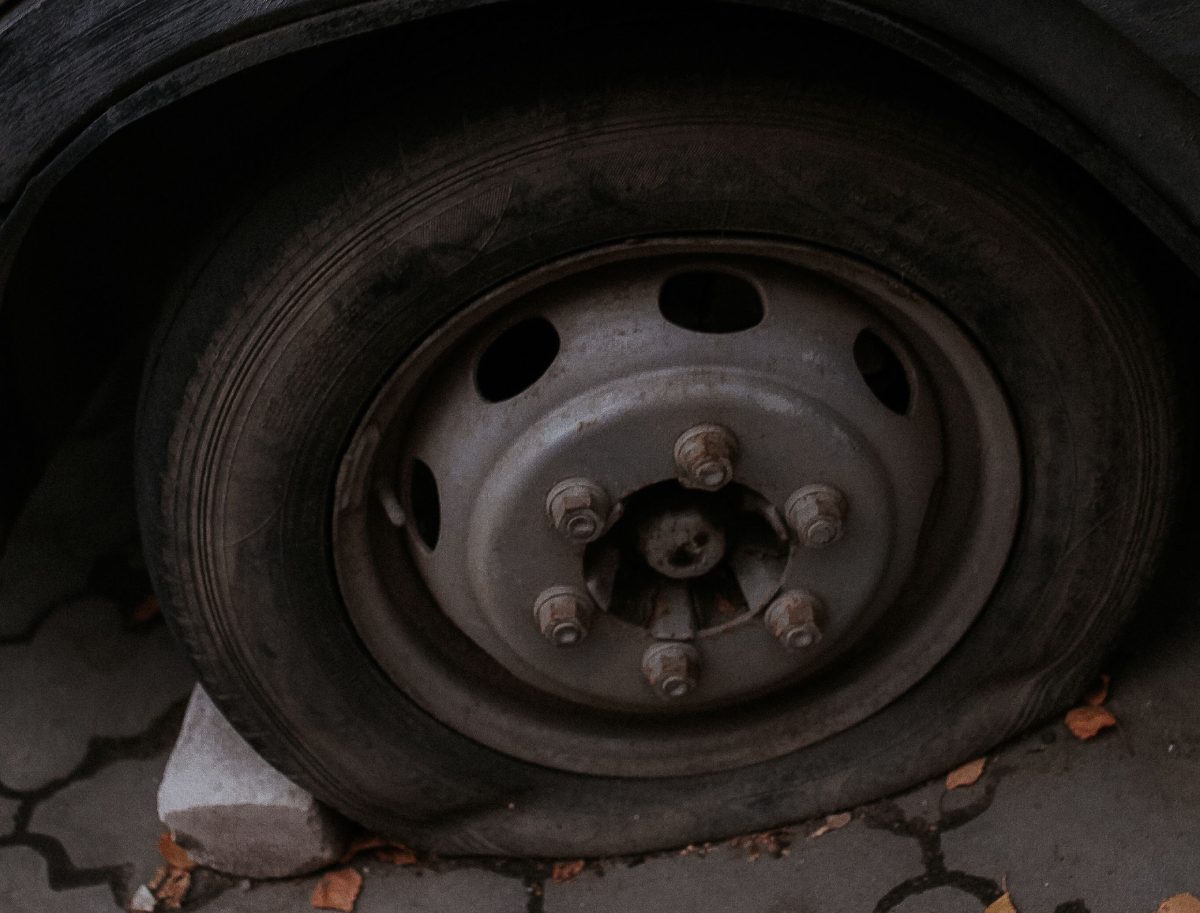
Usually not, when the flat came from ordinary driving. Vandalism or a crash changes that. So does a pothole or curb strike on a policy that carries collision coverage.
Progressive’s tire-damage guidance says a policy typically won’t pay to fix or replace a flat unless an accident caused it. Slow leaks and worn tread count as maintenance and stay with the owner. Tires wear out on a schedule, much as brake pads and batteries do. Auto insurance generally treats that wear as an ownership cost that sits outside what the policy is built to cover.
| How the tire went flat | Coverage that may respond | Usual outcome |
|---|---|---|
| Slashed or stolen tires | Comprehensive | Typically paid after the deductible, however many tires were hit. |
| Falling limb, fire or severe weather | Comprehensive | May be paid after the deductible. |
| Pothole or curb strike | Collision | May cover tire and rim damage once the repair bill clears the deductible. |
| Crash with a vehicle or an object | Collision | Tire damage is handled with the rest of the repair. |
| Nail, screw or road debris | Usually none | Typically excluded as an everyday road hazard. |
| Slow leak, worn tread or dry rot | None | Maintenance, left with the owner. |
Liability coverage pays only for damage the driver causes to other people, so a driver who carries only liability has no coverage for any row above. The phrase full coverage usually points to a policy that adds both comprehensive and collision. Because the term is not standardized, the declarations page shows what is actually on the policy.
Which flat tire situations are hard to call?
Nails, screws and road debris
A nail puncture involves no collision and no one to blame, so most policies leave it outside both collision and comprehensive. Progressive takes the same view of nails, screws and similar road hazards. Some policies and endorsements are worded more broadly, which makes a call to the agent worthwhile.
The coverage question rarely matters financially. The consumer organization Checkbook puts the shop price of plugging and repairing a nail puncture at roughly $25 to $50, well below any common deductible.
Potholes and curbs
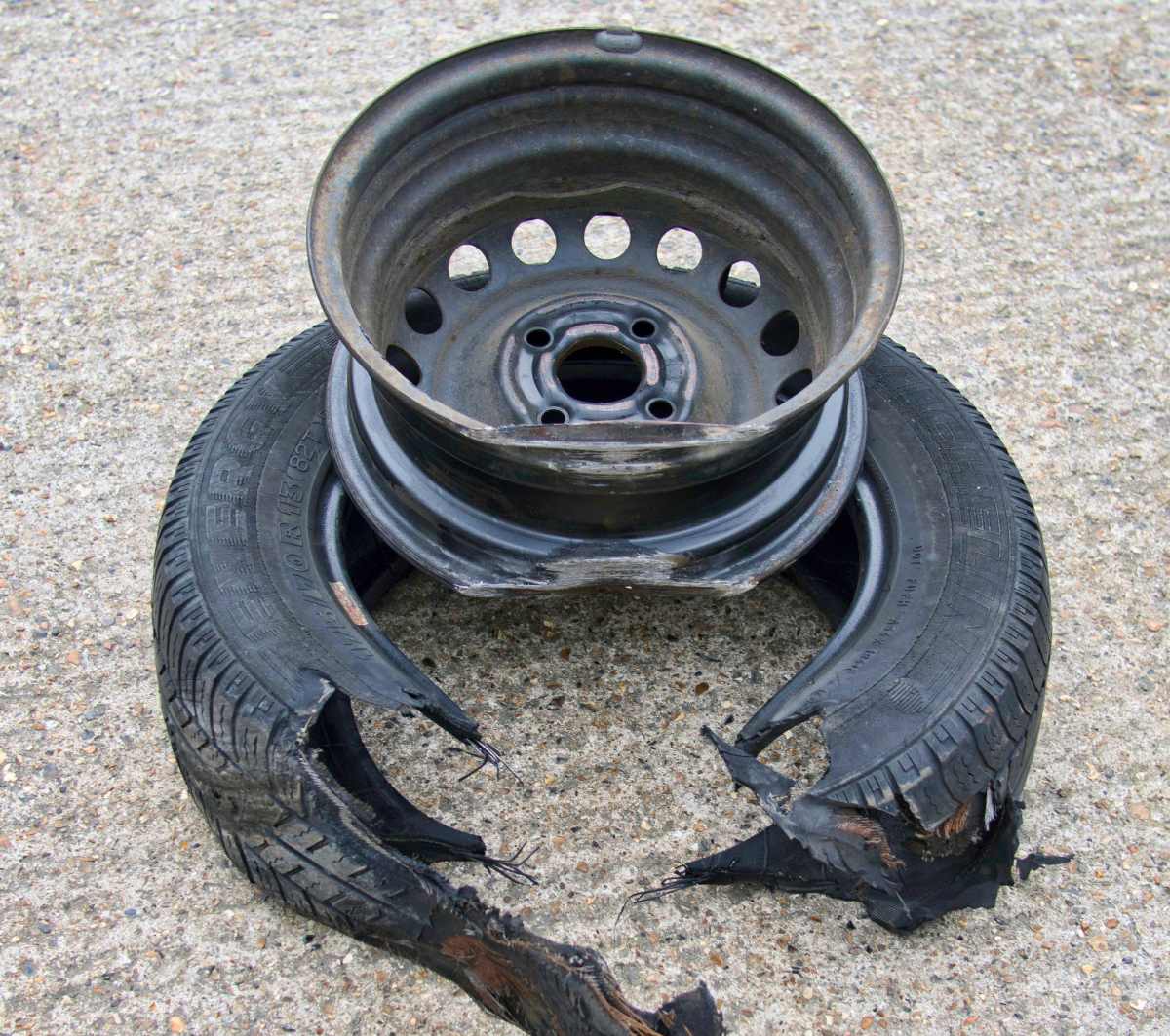
Hitting a pothole or a curb counts as striking an object, so collision coverage is the one that applies. Under Progressive’s pothole guidance, rim damage counts along with the tire. Say a pothole shreds a front tire and bends the rim on a rainy night, leaving a $640 shop bill against a $500 deductible. On those example numbers, collision would pay $140 and put a claim on the record for that small return.
Comprehensive car insurance, the coverage for non-collision losses, does not apply to a pothole claim. Insurers vary in how they record a one-car claim like this, so the effect on renewal is worth asking about first.
Custom wheels and rims
Aftermarket wheels often need more than the standard policy offers. At Progressive, custom parts and equipment coverage typically insures custom equipment up to $5,000. Other insurers set their own limits, and owners of expensive aftermarket wheels should confirm them with the insurer before any damage happens.
What does roadside assistance do about a flat tire?
What the service pays for
Roadside assistance is the coverage built for a flat on the shoulder. Many insurers sell it as an optional add-on, with a technician coming out to put the spare on. Among them, Progressive’s 24/7 service covers a flat change along with towing and jump-starts.
The service pays for the labor of putting on the spare, while a replacement tire stays a separate cost. Allstate’s explanation of towing and labor coverage draws the same line between the fee for changing a flat, which may be paid, and the new tire, which is excluded.
Some membership plans reach further. On the Roadside Advantage and Roadside Elite tiers, Allstate lists reimbursement of up to $100 and $250 per event for a tire or wheel damaged by a covered road hazard. The limit is two events a year. The benefit is not offered in every state.
When the spare is missing or unusable
A flat with no usable spare changes the picture. Allstate’s pay-per-use terms allow a tow when the spare is unusable or more than one tire is flat. That tow can count as a separate service event.
The roadside assistance limits on towing distance and calls per year differ by plan and tier. Whether a roadside call counts as an insurance claim depends on how the service was bought. Allstate’s FAQ says a stand-alone membership call is not recorded as a claim on the auto policy. Roadside plans attached to a policy can still involve a claim for towing and related services.
Is it worth filing a claim for a flat tire?
How the deductible changes the answer
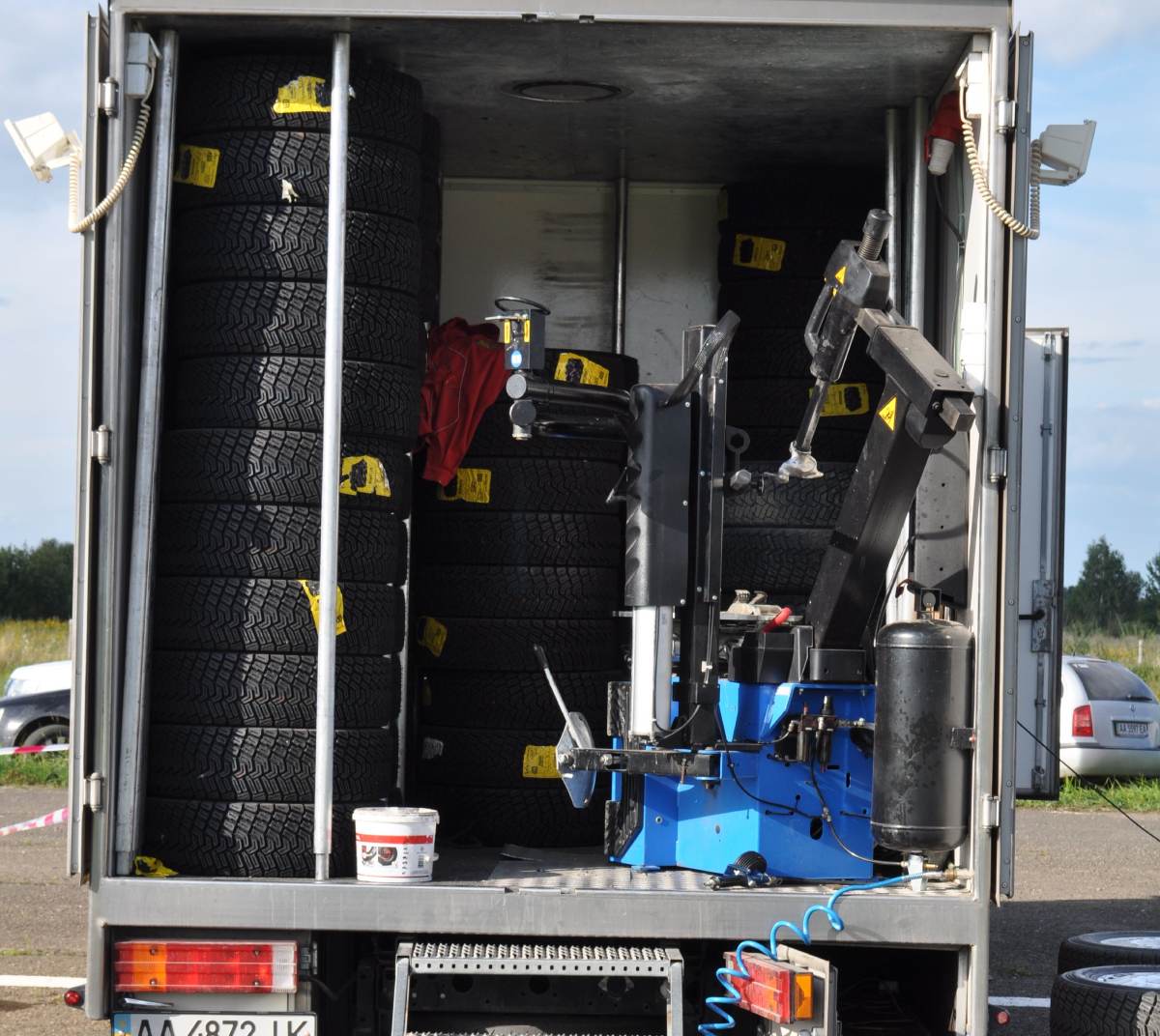
In most cases, the deductible decides whether a claim makes financial sense. The insurer pays only the part of a covered repair that lands above the deductible, which is commonly set at $500 or $1,000. A single tire sits far below that line. Say one replacement tire costs $180 and the deductible is $500, so the insurer pays nothing. Four slashed tires at the same price come to $720, which leaves a payout of $220 after the deductible. Those prices are round examples, since real ones vary widely by vehicle and tire size.
Before filing an auto insurance claim, a driver should get a written estimate from the shop and compare it with the deductible. A repair that lands near the deductible often isn’t worth the paperwork.
Whether a claim can raise the premium
Insurers differ on how claims affect renewal pricing. Comprehensive claims often weigh less than at-fault collision claims. A slashed-tire loss falls into the first group, while a pothole strike lands in the second. Asking the insurer or agent before a claim is opened is the simplest way to learn how it would be recorded.
Do tire and wheel protection plans cover what insurance leaves out?
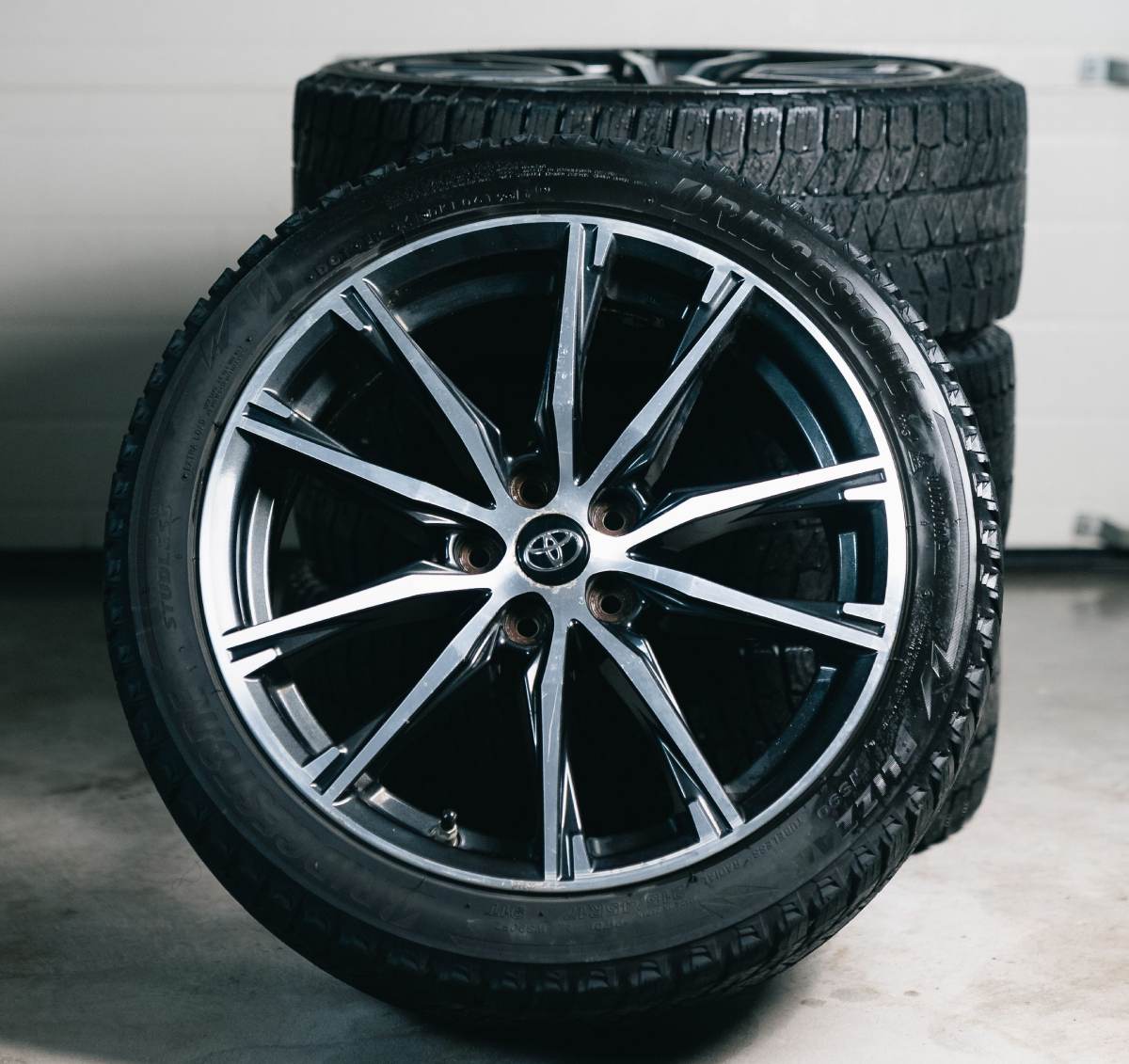
Tire and wheel protection fills part of that gap, mainly for everyday road hazards. Tire shops and dealers sell it as a separate product that repairs or replaces a tire damaged by a covered hazard such as glass or a pothole. Auto insurance does not bundle it.
Checkbook, which has reviewed these plans, advises skipping any that cost extra. Shops commonly add $50 to $200 for a set of four tires, while some retailers include the protection free. Curb strikes and worn tread are typically excluded.
If a plan costs, say, $100 for four tires, it would need to pay for two to four repairs at $25 to $50 each before breaking even. Because terms and prices differ by seller and market, buyers should read the exclusions first.
What to do after a flat tire if a claim may follow
Photos taken at the scene and receipts kept afterward make any claim easier to support.
- Photograph the tire and the wheel, along with the road surface where the car stopped, including any pothole, curb or object that may have caused the flat.
- Hold onto the damaged tire. A technician or adjuster can often tell from the shape of the cut or puncture whether it came from debris or a curb strike.
- Report vandalism or theft to the police first. Most insurers want a report on file before they process the claim.
- Once the shop says whether the tire can be repaired or has to be replaced, keep the invoice with any tow or roadside receipt.
- If the invoice lands close to the deductible, call the insurer or agent first.
Policy wording and state rules differ. Roadside and tire-protection terms also change over time. Drivers can confirm what applies to a specific flat on the declarations page or with a call to the insurer.

RELATED AUTO INSURANCE GUIDES
Auto Insurance
Factors affecting high-risk driver auto insurance cost
Auto Insurance
Actual cash value of my car: how it is set and disputed
Safety & Driving
What to do if car won’t start after driving through water
Safety & Driving
Water damage car repair cost: what drives the bill