

A learner’s permit usually lets you practice with a qualified licensed adult while you work toward a driver’s license. Who can supervise, when you can drive and how long you must wait for the road test depend on your state and age. Auto Insure News explains how a learner’s permit works in the United States, including the application, practice requirements, insurance and the move to independent driving.
What a learner’s permit allows
A learner’s permit, also called an instruction permit or learner license, grants a beginning driver limited permission to practice driving. In the usual supervised permit stage, an eligible licensed driver must accompany you. Passing the knowledge test does not give you the same privileges as passing the road test and receiving a license.
For teens, this is generally the first stage of graduated driver licensing, or GDL. The next stage often permits independent driving, with restrictions on nighttime trips or on transporting young passengers. Full privileges follow upon meeting the remaining age and licensing requirements.
| Stage | Driving privileges | Requirements for moving forward |
|---|---|---|
| Learner’s permit | Supervised practice under the state’s permit rules | Required practice, education, minimum age, holding period and road test |
| Intermediate or provisional license | Independent driving with specified restrictions | Further age, time and driving record requirements |
| Full license | Driving without the special novice restrictions that have ended | Ordinary license renewal and traffic-law obligations continue |
How to get a learner’s permit
The application starts with your state’s motor vehicle agency. It may be called the DMV, BMV, DPS or another name. Its passenger-car permit instructions identify the minimum age, approved documents, education requirements and testing options.
Documents and application requirements
Applicants generally complete an application, establish their identity and residency, and pay the required fee. Social Security documentation or other eligibility records depend on the state’s application route. Minors commonly need a parent or guardian’s approval.
Driver education may be required before the permit is issued. Texas teen applicants, for example, must complete the classroom hours required by their chosen course format and provide documentation of education and school attendance, or an accepted alternative.
The document checklist matters more than a generic list found online. The agency may require originals or certified records, and a name change may require supporting documentation. Preparing those records before the appointment avoids a second trip.

The knowledge and vision tests
The knowledge test checks road rules, signs and safe-driving decisions. The vision screening checks whether you meet the state’s vision standard. Studying the official driver handbook helps connect practice questions to the rules you will actually use.
Online testing is available in some application systems, but completing an online test does not necessarily finish the application. Document review, identification, a photo or other office requirements can remain.
A failed test can also trigger a waiting period or a new fee. The relevant retest rule is the one for your state and age group; another state’s attempt limit will not tell you when you can try again.
California minors must begin behind-the-wheel training with an instructor who validates their permit before they use it for practice. Passing the knowledge test alone does not complete that step.
Who can supervise a learner driver?
The supervising driver’s eligibility is part of the permit rules. A licensed friend is not automatically old enough or otherwise qualified to supervise.
California requires a California-licensed driver age 25 or older to supervise a minor’s practice. Texas requires a licensed adult age 21 or older in the front passenger seat. New York requires a licensed supervisor age 21 or older, with additional regional rules for junior permit holders.
The supervisor needs to occupy the position required by the state. A parent following in another vehicle does not satisfy a rule requiring the supervisor to be beside the learner.
Using a different practice car also raises an insurance question. Coverage for someone driving a borrowed vehicle depends on the vehicle’s policy, the driver’s status and applicable policy terms. A supervisor’s presence alone does not establish that the learner is insured.
Practice hours and waiting periods
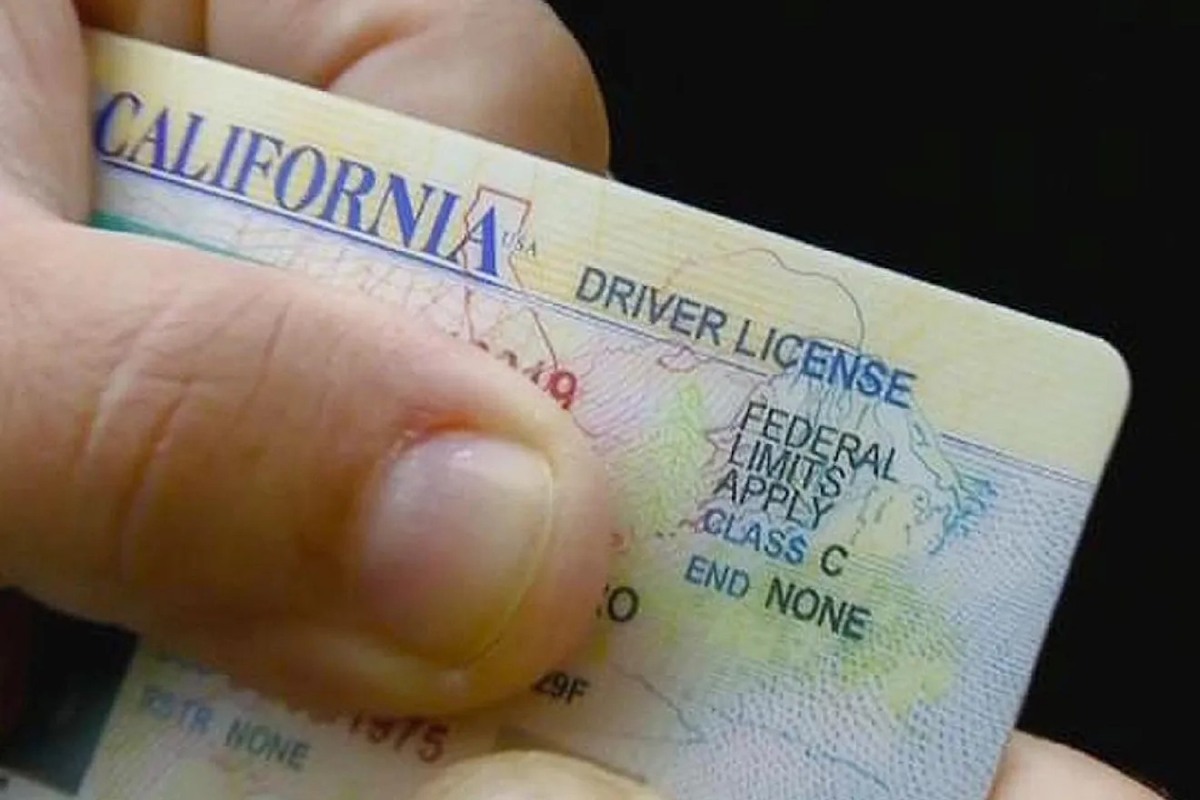
Teen licensing programs can require both a minimum number of practice hours and a minimum period holding the permit. Finishing the hours early does not shorten the required holding period.
| State | Earliest permit age | Teen permit holding period | Supervised practice requirement |
|---|---|---|---|
| California | 15½ | At least 6 months before testing while under 18 | 50 hours, including 10 at night; professional training is also required |
| New York | 16 | At least 6 months before scheduling a road test while under 18 | 50 hours for junior permit holders, including 15 after sunset |
| Texas | 15 | At least 6 months on the teen pathway, unless the holder turns 18 | 30 practice hours, including 10 at night, in addition to the required instructor driving and observation |
These are parts of each state’s licensing process, rather than the complete requirements for a license. California and Texas also require a teen to be at least 16 to receive the next-stage license.
Practice records should distinguish actual driving from watching an instructor or another student. Texas separates its 30 practice hours into seven hours of instructor-led driving and seven hours of observation. A course certificate and a family practice log, therefore, document different work.
Keeping the log after each session makes it easier to record the date, duration, supervising driver and nighttime hours accurately. The state may require a particular certification form or a parent or guardian’s signature before the road test.
Driving restrictions during the permit stage
A standard supervised permit does not authorize solo trips to school, work or a nearby store. An exception attached to a provisional or hardship license does not automatically apply to a learner’s permit.
Passenger and nighttime restrictions need separate attention. The presence of a qualified supervisor does not always allow for every trip or passenger arrangement. In New York City, junior permit practice requires dual brakes and an eligible supervisor; junior permit driving is prohibited between 9 p.m. and 5 a.m.
Phone restrictions can be stricter for learners than for experienced drivers. Texas teen learner-license holders cannot use a cellphone while driving, including hands-free use, except in an emergency. Setting the route before moving and letting the supervising adult manage changes keeps the learner’s attention on driving.
Driving with a permit in another state
An out-of-state permit is not automatically accepted everywhere. The destination state’s minimum age and permit recognition rules, along with restrictions imposed by the issuing state, matter.
New York, for example, does not allow someone under 16 to drive there with an out-of-state permit or license. Older visiting permit holders must follow the applicable New York restrictions as well as those imposed by their home state.
A family road trip is therefore worth checking before the learner takes a turn at the wheel. Permission to practice at home may not extend across the state line.
Learner’s permits for adults
Adults learning for the first time may still need a permit and supervised practice, even when teen education or holding-period rules no longer apply. Turning 18 does not, by itself, turn a permit into permission to drive alone.
In California, adult learners can practice with a California-licensed driver age 18 or older, while minors need a supervisor age 25 or older. The six-month teen holding requirement ends at 18. Texas, meanwhile, requires a six-hour adult driver education course for first-time license applicants ages 18 through 24; the course requirement does not apply at 25 or older.
The next step for an adult applicant is outlined in the adult licensing instructions. A teenager approaching 18 should also check how that birthday affects the existing permit, required coursework and testing eligibility.
Insurance while learning to drive
A permit provides driving authorization. Insurance provides financial protection for covered losses. The practice vehicle and learner need an arrangement that satisfies the applicable insurance or financial responsibility rules.
Using a parent’s or household policy
A teen practicing in a family car may be covered through the household policy. The insurer determines when the learner must be disclosed or added and whether a premium change applies during the permit stage. Contacting the insurer before the first practice session establishes the coverage arrangement.
When comparing insurance options for a teen driver, the useful questions include which family vehicles the learner can use, whether any driver exclusion applies and what changes after licensing.
Insuring a car you own
A permit holder who owns a car or cannot join an eligible household policy may need separate coverage. Insurer acceptance, vehicle ownership and the applicant’s age affect the available arrangement.
The difference between liability and full coverage also matters during practice. Liability generally addresses covered injury or damage caused to others; collision coverage can address covered crash damage to the practice car.
The insurance budget can change when supervised practice ends. For a new adult driver, car insurance costs at 18 depend on the vehicle, location, coverage and household-policy options. The amount charged during the permit stage should not be assumed to continue after licensing.
Permit fees and other learning costs
There is no single national learner’s permit fee. California currently lists an original Class C application fee of $46. Texas lists $16 as the fee for a new license for someone under 18. These charges do not represent the full cost of learning to drive.
Driver education, professional lessons, additional testing, transportation to appointments and vehicle insurance can add to the expense. The fee schedule should specify what the application payment covers and whether a retest incurs an additional fee.
Buying a car is a separate decision. A learner with access to an eligible, insured practice vehicle may be able to complete training without purchasing one. When setting a budget for a first car, insurance and routine ownership expenses should be included alongside the purchase price.
Permit expiration and driving violations
The holding period and expiration date serve different purposes. A six-month holding requirement does not mean the permit expires after six months. California’s application is valid for up to a year from the application date; a Texas teen learner license expires on the holder’s 18th birthday.
An expired permit does not authorize continued practice. Renewal or reapplication rules determine which tests, fees and records are needed, and whether earlier permit time receives credit.
Violations can delay progress through the licensing system. Depending on the state and offense, consequences can include suspension or an extended wait before the next stage. In Texas, time spent suspended is added to the initial six-month learner period.
Moving from a permit to a license
Before booking the road test, the learner needs to meet the applicable age, education, practice and permit-holding requirements. Required course certificates and signed practice certifications need to be ready for the appointment.
The test vehicle also needs to meet the agency’s requirements, including applicable registration, insurance and safety checks. Arranging a qualified accompanying driver is part of legally taking the test.
After a passing result, confirm when the new driving privilege becomes effective and which document proves it. Teen drivers may receive a provisional or junior license with passenger and nighttime restrictions. Independent driving begins under those license terms, and the insurer needs the updated license status.

RELATED AUTO INSURANCE GUIDES
Safety & Driving
Thunderstorm Safety Tips at Home, Outdoors and in a Car
Auto Insurance
ACV vs Replacement Cost: How Insurance Payouts Differ
Safety & Driving
Black Ice on the Roads: How to spot it and handle a skid
Auto Insurance
Car Insurance Umbrella Policy: Coverage, Cost and Limits