

Winter weather can be unpredictable, and the damage it causes to a vehicle is not always straightforward to assess. When any of these situations happen, many drivers assume their auto insurance will automatically cover the repair costs. So, does car insurance cover snow damage? This guide from Auto Insure News examines the most common winter-related scenarios, the coverages that may apply, the exclusions drivers should know about, and what to expect when filing a claim.
Is snow damage covered by car insurance?
Yes, but only if you carry the right types of car insurance coverage. If a falling icicle cracks your windshield or the weight of snow caves in on your parked car in a carport, comprehensive car insurance pays to repair or replace your vehicle, minus your deductible. If you lose control on a snowy road and hit a guardrail, collision coverage will pay to repair your car. If you carry only state-required liability, neither of those repairs is covered.
The simplest way to think about it: comprehensive handles snow that happens to your parked or stationary car, and collision handles damage that happens while you are driving.
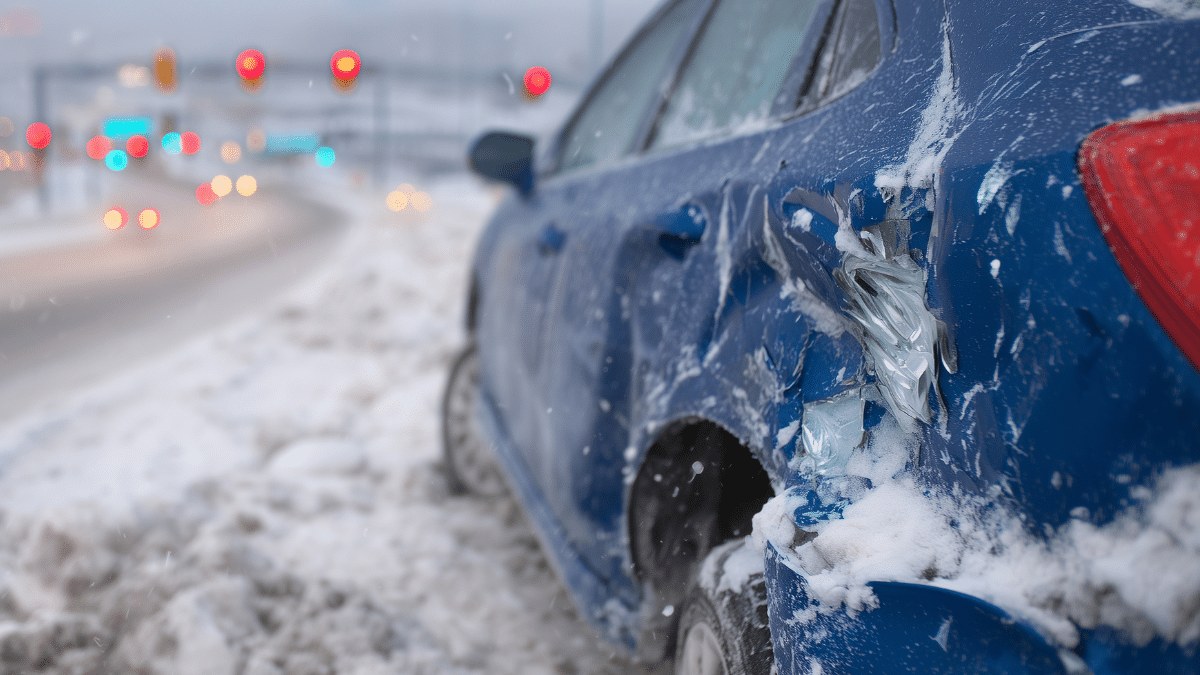
What snow and ice damage is covered by comprehensive?
Comprehensive coverage generally applies when winter weather damages your car outside of a crash. Common covered situations include:
- Falling ice or icicles that crack a windshield, dent the hood, or damage the body.
- The weight of snow, including a carport, garage roof, or other structure that collapses onto the car.
- Tree limbs or whole trees are brought down by heavy snow or ice.
- Flooding from rapidly melting snow, which is treated as flood damage under comprehensive.
- Hail damage covered by car insurance during a winter storm.
- Fallen power lines or debris blown onto your car during a winter storm.
In each of these cases, the damage is caused by an outside force while the car is not in motion, which is the defining feature of a comprehensive claim.
When snow damage is a collision claim instead
Collision coverage, not comprehensive, applies any time your moving vehicle strikes something. Winter examples include:
- Skidding on black ice and hitting a guardrail, pole, tree, or curb.
- Sliding into another vehicle at an icy intersection.
- Losing traction and rolling the car or sliding into a ditch or snowbank hard enough to cause damage.
If you slide into another car, your collision coverage pays for your vehicle, while your liability coverage pays for the other driver’s car if you are at fault. Keep in mind that losing control of your vehicle on ice is often considered within your control, so you may be found at fault even though the weather played a role.

What snow damage is NOT covered?
Even a full policy has limits. The following are generally excluded:
- Sliding into an object with no collision coverage. If you carry comprehensive but not collision, a skid-and-crash is not covered.
- Insurance coverage for engine failure does not apply to a frozen or cracked engine block from neglect. If the engine freezes because coolant or antifreeze was not maintained, insurers treat it as wear and neglect, which is excluded.
- Mechanical failures such as a dead battery, frozen fuel line, or failed alternator in the cold.
- Snow removal. Your policy will not pay to dig your car out of a snowbank or plow your driveway.
- Routine wear items such as tires, wiper blades, brakes, belts, and hoses.
- Additional damage was caused by delaying repairs after the first incident.
Comprehensive vs. collision in winter
| Winter scenario | Coverage that pays |
|---|---|
| A falling icicle cracks your windshield | Comprehensive |
| Snow weight collapses a carport onto your car | Comprehensive |
| Snow-laden tree limb falls on a parked car | Comprehensive |
| Flooding from melting snow | Comprehensive |
| Hail during a winter storm | Comprehensive |
| You skid on ice and hit a guardrail | Collision |
| You slide into another car | Collision (your car) + Liability (their car) |
| Engine cracks from no antifreeze | Not covered |
| Digging your car out of a snowbank | Not covered |
How much does comprehensive coverage cost, and is it worth it?
Comprehensive is usually one of the more affordable coverages on a policy, often costing far less per year than a single winter claim would cost out of pocket. For context, the Insurance Information Institute reports that in 2024, the average comprehensive claim was about $2,306, while the average collision claim was about $5,489. In the same year, about 3.95 percent of comprehensive policyholders filed a claim.
Whether comprehensive is worth it depends on a few factors:
- Where do you live? In heavy-snow regions, the odds of ice, falling limbs, and flooding damage are much higher, making comprehensive insurance easier to justify.
- Your vehicle’s value. Comprehensive and collision only pay up to your car’s actual cash value. On a very old, low-value car, the annual premium plus deductible may approach the car’s value, so some owners drop these coverages.
- Lender requirements. If you lease or finance, both comprehensive and collision are almost always mandatory until the loan is paid off.
Understanding your deductible on a snow claim
Both comprehensive and collision claims are paid minus your deductible, the amount you agree to pay before insurance contributes. Deductibles are commonly $250, $500, or $1,000.
Here is how it works in practice. Say a falling limb causes $1,800 in damage, and your comprehensive deductible is $500. You pay the first $500, and your insurer pays the remaining $1,300. If the same limb caused only $400 in damage, filing would make no sense because the repair is below your deductible, and a claim on your record could still raise your premium.
A lower deductible means a smaller out-of-pocket cost per claim but a higher annual premium. A higher deductible lowers your premium but means you pay more out of pocket for each claim. Choose a deductible you could comfortably pay in the middle of winter.
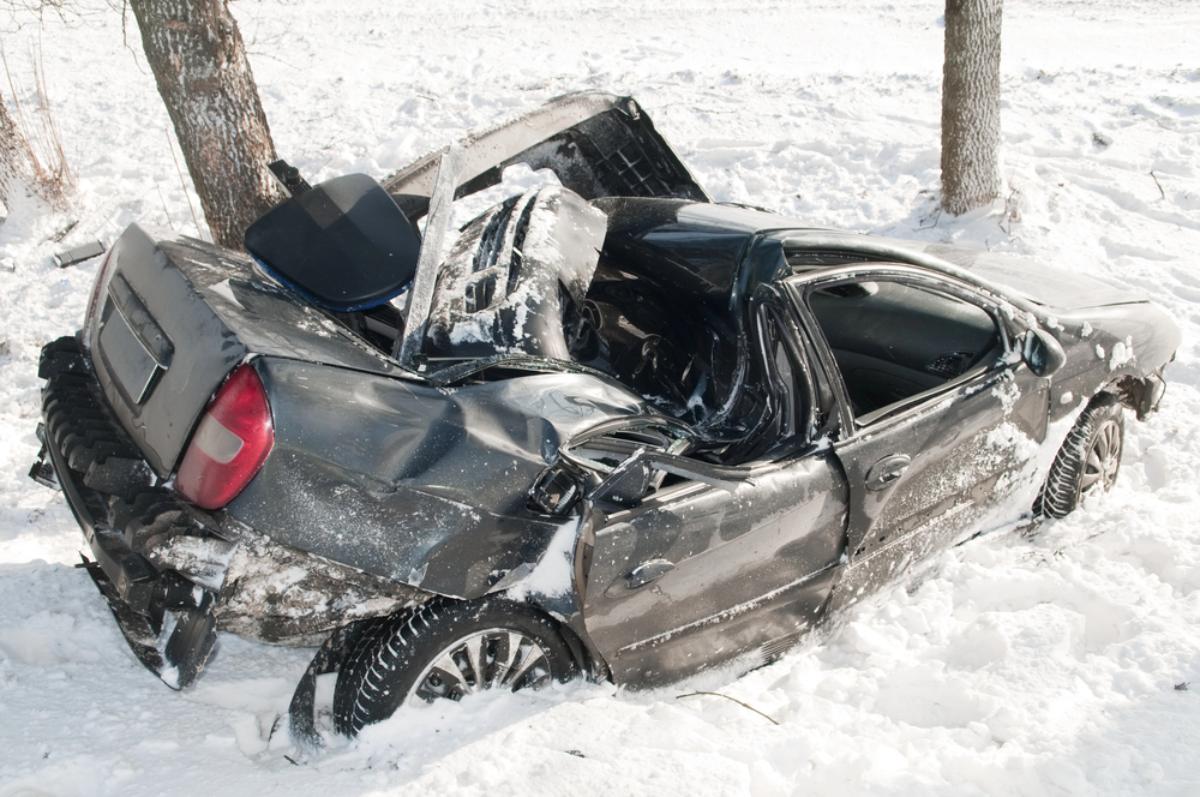
What if snow totals your car?
If a roof collapse, flood, or crash causes damage that exceeds the caris value, the insurer will declare it a total loss. In that case, comprehensive or collision pays the car’s actual cash value (ACV), which is its market value after depreciation, minus your deductible. ACV is almost always less than what you originally paid and often less than what you may still owe on a loan or lease.
That gap is where gap insurance matters. If you owe more on your loan or lease than the car’s ACV, gap coverage pays the difference, so you are not left making payments on a car you can no longer drive. If you do not have gap coverage and your car is totaled, ask your lender about a collateral exchange, which rolls the remaining balance onto a loan for a replacement vehicle.
How to file a snow damage claim
- Ensure safety first. If the incident involved a crash, move to a safe place and check everyone for injuries before doing anything else.
- Document the damage with clear photos and video before any repair or snow removal.
- Note the date and cause, such as a storm, falling ice, a downed limb, or a skid on ice.
- Contact your insurer promptly through its app, website, or claims line. Some claims, such as a windshield chip, can be filed days after the event, but reporting early helps.
- Get a repair estimate and meet the adjuster if one is assigned.
- Pay your deductible while the insurer covers the rest.
- Keep records of every call, email, and document.
If another party caused the damage, for example, ice flying off an unsecured truck, your insurer may pay your claim first and then pursue the other party’s insurer to recover costs. This is called subrogation, and if it succeeds, you may be reimbursed for your deductible.
Will a snow damage claim raise your rates?
It can, but the effect is usually smaller for weather claims than for at-fault crashes. Comprehensive claims, such as a falling limb or hail, are generally considered outside your control and often have a smaller impact on your premium, though multiple claims in a short period can still raise it or affect renewal. Collision claims from losing control on ice are more likely to be treated as at-fault and can raise your rate more noticeably.
Because even a paid claim can affect your premium at renewal, it is often smarter to pay for minor damage yourself rather than file a claim that costs only slightly more than your deductible.

Does car insurance cover related winter problems?
Several common cold-weather headaches fall under separate optional coverages, not comprehensive:
- Towing after a breakdown or a ditch slide is covered only if you carry roadside assistance or towing coverage.
- A rental car while yours is repaired is covered only if you carry rental reimbursement.
- A dead battery, frozen locks, or a jump-start fall under roadside assistance, not comprehensive.
Adding these coverages is inexpensive and can be worth it if you drive in harsh winter conditions.
Snow damage: your auto policy vs. your home policy
Winter storms often damage both a vehicle and property, and each is covered by a different policy. If a carport or garage collapses under snow:
- Your car is covered by your auto policy’s comprehensive coverage.
- The structure itself, such as the carport, garage, or roof, is covered by your homeowners’ policy.
Both policies have their own deductibles, so a single storm could result in two separate claims and two deductibles.
How to protect your car from snow and ice
A few habits reduce both damage and claims:
- Park in a garage or covered structure when possible, and avoid parking under heavy tree limbs or roof lines prone to icicles.
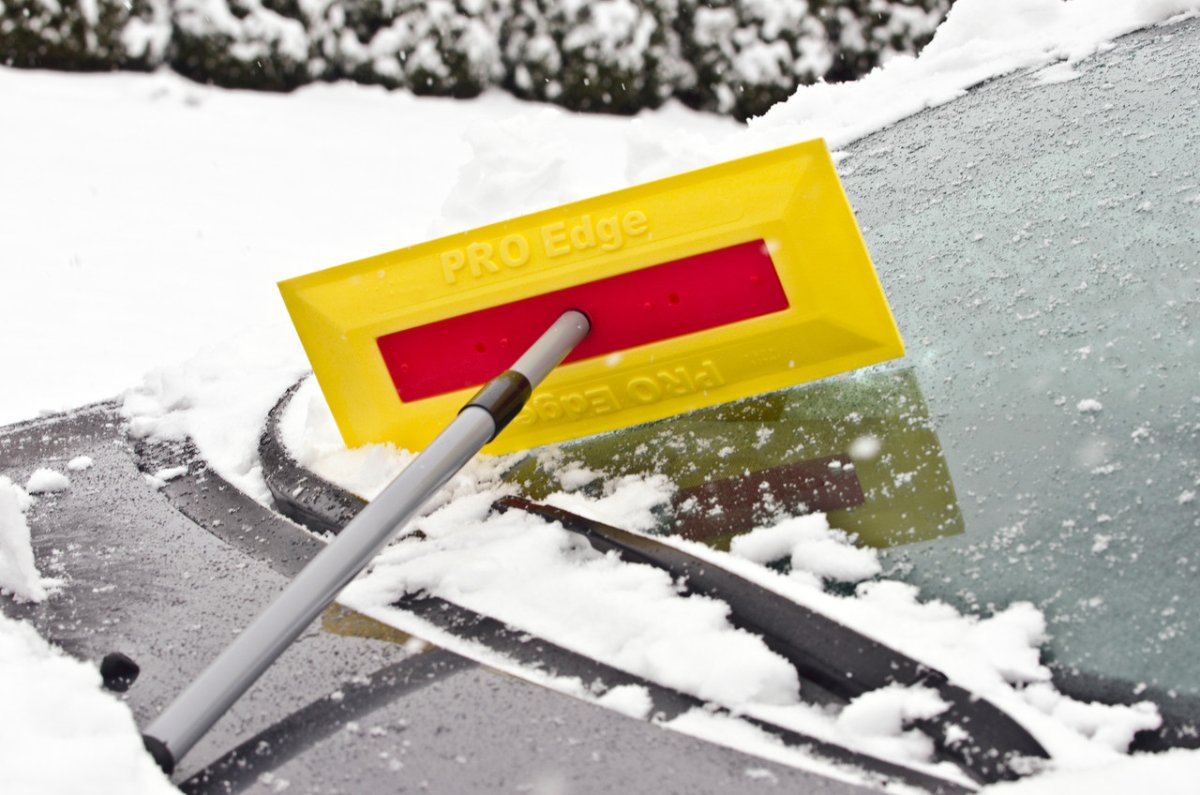
- Clear snow off the roof and hood before driving so it does not slide and cause damage or block visibility.
- Keep up with antifreeze, coolant, battery, and tire maintenance so a covered event does not turn into an excluded mechanical failure.
- Consider winter tires in heavy-snow regions to lower the odds of a collision claim.
Snow damage and car insurance for New York drivers
Few states see winter weather like New York. Lake-effect storms bury Upstate and the North Country under some of the heaviest snowfall in the country, and towns such as Potsdam average nearly 70 inches of snow each year. That makes comprehensive coverage especially valuable for New York drivers, who face a higher-than-average risk of falling ice, snow-laden limbs, and roof or carport collapses.
A few New York specifics are worth knowing:
- The coverage rules are the same, but the risk is higher. New York has no special “snow” coverage; comprehensive still handles non-driving snow and ice damage. Because claims are simply more likely here, keeping comprehensive in force through the winter matters more than it would in a milder state.
- New York is a no-fault state. No-fault, or Personal Injury Protection, applies to injury claims, not vehicle damage. Repairs to your own car from snow or ice still run through comprehensive or collision, never through no-fault.
- Local rates vary widely. Snowy Upstate regions price winter risk very differently from New York City, so drivers in places like Potsdam should compare quotes carefully before renewal.
For state-specific coverage details, New Yorkers can read our local guide to auto insurance in Potsdam, NY, and our explainer on whether New York is a no-fault state.

How to review your winter coverage
The best time to check your policy is before a storm or your next renewal, not after the damage is done. Confirm that you actually carry comprehensive coverage, review your deductible, and make sure your coverage matches the severity of your winters. If you want to compare rates, compare the same limits, deductibles, vehicles, and garaging addresses across insurers so the quotes are truly apples-to-apples.
Want to stay ahead of winter coverage gaps? Drop your email and state in the sign-up form below to get the latest coverage guides and rate updates from Auto Insure News.
Is your car ready for winter? Compare your coverage first
Snow and ice damage can turn into a costly surprise if your policy is missing comprehensive coverage or your deductible is higher than you remember. The smart move is to review your coverage before the next storm or your renewal, and to compare quotes using the same limits, deductibles, vehicles, and garaging address so you are comparing like-for-like.
Want us to help you stay ahead of winter coverage gaps? Enter your email and state in the form below, and Auto Insure News will send you the latest coverage guides, winter checklists, and rate updates for drivers in your area. It takes less than a minute and could save you from paying for snow damage out of pocket.

RELATED AUTO INSURANCE GUIDES
Safety & Driving
Hot Car Safety Tips for Children, Pets and Drivers
Safety & Driving
How Does a Learner’s Permit Work? Rules and Next Steps
Safety & Driving
Thunderstorm Safety Tips at Home, Outdoors and in a Car
Auto Insurance
ACV vs Replacement Cost: How Insurance Payouts Differ