

Many drivers use the terms DWI vs DUI interchangeably, but they aren’t always the same. While both relate to driving while impaired in the operation of a vehicle, the exact meaning of DUI and DWI can vary depending on the state where the violation occurred.
Understanding the difference between DUI and DWI is crucial for drivers who want to know how these violations might affect their licenses, insurance rates, and legal record. In this guide, Auto Insure News will analyze the key differences between DUI and DWI, explain how states define each term, and discuss the penalties drivers may face after conviction.
What Is a DUI?
DUI stands for “Driving Under the Influence,” and it is the most widely used impaired-driving term in the United States. The DUI meaning is straightforward: operating a motor vehicle while your ability to drive safely is affected by alcohol, drugs, or a combination of both. According to FindLaw, DUI is the default acronym in most states, while DWI and OUI appear in others.
A DUI charge generally rests on one of two legal grounds:
- Per se intoxication – The driver’s blood alcohol content (BAC) meets or exceeds the legal limit (0.08% for most adult drivers), regardless of whether they appear impaired.
- Impairment in fact – The driver’s ability is noticeably affected, even at a lower BAC, based on observed behavior and field testing.

What Is a DWI?
DWI most commonly stands for “Driving While Intoxicated,” though several states use it to mean “Driving While Impaired.” The DWI meaning points to the same core offense as a DUI – operating a vehicle while impaired -, but the exact statutory wording and severity differ by state. NHTSA’s training materials even note that “DWI” is treated as synonymous with “DUI” and other impaired-driving acronyms.
Here’s where the nuance matters: a common myth is that “DWI means alcohol only.” In Texas, for example, “intoxicated” under Penal Code §49.04 can involve alcohol, a controlled substance, a drug, a dangerous drug, or a combination – not alcohol alone. Likewise, North Carolina punishes impairment whether it stems from alcohol, prescriptions, or controlled substances.
Closely related acronyms you may encounter include:
- DWAI – Driving While Ability Impaired (a lesser charge in New York and Colorado for impairment below the 0.08% threshold)
- OWI – Operating While Intoxicated (used in Wisconsin, Iowa, and others)
- OUI – Operating Under the Influence (used in Massachusetts and Maine)
DWI vs. DUI: Key Differences
DWI and DUI both refer to impaired driving, but the difference depends on the state. One state may use DWI as the main charge, another may use DUI, and some states use both terms to separate adult drivers, underage drivers, BAC levels, or different levels of impairment.
In many cases, the two charges can involve the same core issue: driving after alcohol, drugs, or another substance affects your ability to drive safely.
Do not judge the charge by the acronym alone. A DWI is not always worse than a DUI, and a DUI is not always worse than a DWI. Check your state’s law, BAC rules, driver-age rules, and how the charge affects your license, record, and auto insurance explained.
BAC Limits and Drug Impairment
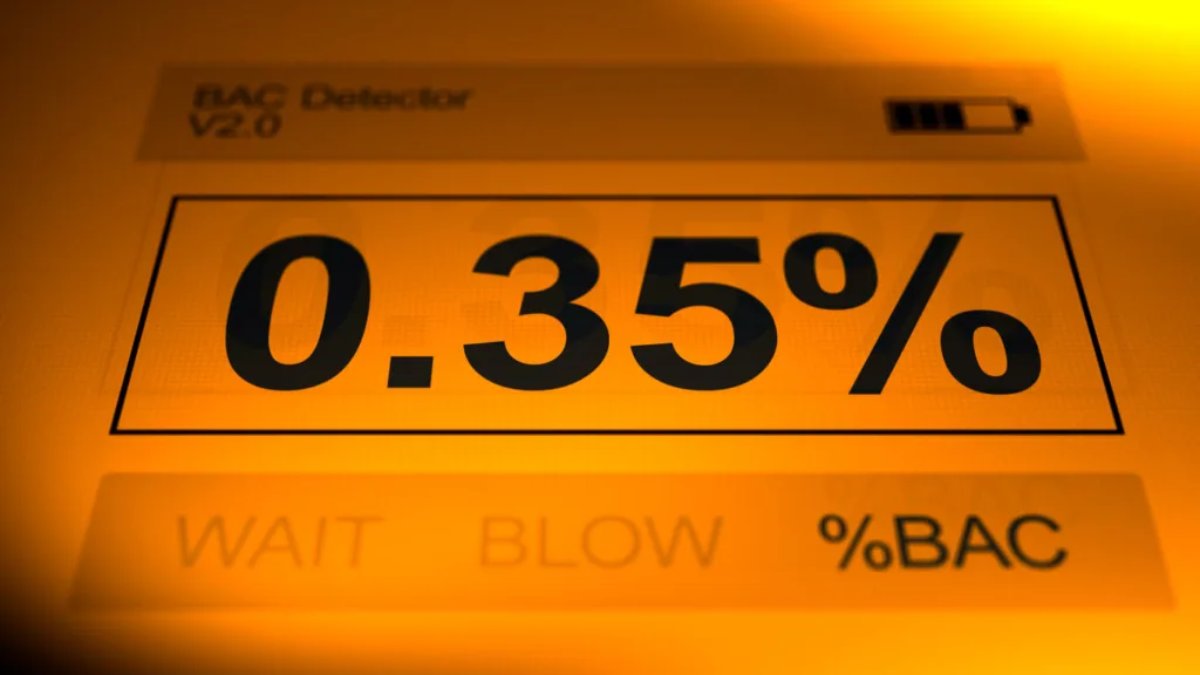
Whether a charge is labeled DWI or DUI, the blood alcohol content (BAC) limit is the legal foundation of most cases, and the same thresholds apply to both. Understanding these limits clarifies how DUI vs DWI cases actually get proven:
- 0.08% – The per se limit for most drivers aged 21 and over in nearly every state.
- 0.05% – Utah’s limit, the lowest in the nation and currently the only state below 0.08%. NHTSA confirms it is illegal to drive at 0.08% or higher in all 50 states, D.C., and Puerto Rico, “except in Utah where the BAC limit is .05.”
- 0.04% – The stricter limit for commercial drivers (CDL holders).
- 0.00%–0.02% – Zero-tolerance limits for drivers under 21 in most states.
Which Is Worse: DUI or DWI?
There is no nationwide rule that makes one charge automatically more serious than the other; the hierarchy is set by each state’s statutes. In some states, one term is the greater offense, while in others, they are functionally identical.
A few concrete examples show how the ranking flips from state to state:
- Maryland: DUI is the more serious charge (driving under the influence), while DWI is the lesser “impaired” charge. MADD confirms this split.
- New York: DWI is the stronger charge (BAC 0.08%+), while DWAI is the lesser charge. New York does not use “DUI” as an official charge.
- Texas: DWI is the standard adult offense, while “DUI” is generally reserved for underage drivers under the state’s zero-tolerance law.
How Different States Define DUI and DWI
The examples below show how different states name, rank, and apply these charges. If your state isn’t listed, check your state’s DMV or motor-vehicle statute for the exact term.
| State | Primary term | How it works |
|---|---|---|
| Texas | DWI | DWI is the adult offense; DUI applies to underage drivers under a zero-tolerance law. |
| New York | DWI / DWAI | DWI is the stronger charge; DWAI is the lesser charge. “DUI” is not an official charge. |
| Maryland | DUI & DWI | DUI is the more serious charge; DWI is the lesser “impaired” charge. |
| New Jersey | DWI | DWI/DUI is used interchangeably; treated as a serious traffic offense, not a crime. |
| California | DUI | Primarily uses “DUI”; “DWI” is informal and not a separate charge. |
| Arizona | DUI | Uses “DUI” (including tiers like Extreme DUI for high BAC). |
| Florida | DUI | Uses “DUI” as the single official term for impaired driving. |
| North Carolina | DWI | Uses “DWI”; no legal difference between DUI and DWI – impairment from any substance. |
| Wisconsin / Iowa | OWI | Use “OWI” (Operating While Intoxicated) instead of DWI or DUI. |
A charge in one state generally follows you home. An impaired-driving conviction in another state can still affect your license and insurance in your home state, even if the acronym differs.
Penalties for DUI and DWI Convictions
When comparing DUI vs DWI penalties, the consequences are broadly similar because both describe serious impaired-driving offenses – and both can carry life-changing results.
Common penalties for either charge include:
- Fines – From hundreds to thousands of dollars.
- License suspension or revocation – Temporary or extended loss of driving privileges.
- Jail or prison time – A few days for a first offense, up to years for repeat or aggravated cases.
- Ignition interlock device (IID) – A breathalyzer that prevents the vehicle from starting if alcohol is detected.
- Probation – Court supervision in place of, or alongside, jail.
- Mandatory education or treatment – Alcohol-awareness courses or substance-abuse programs.
- sr22 definition – A certificate proving you carry the required insurance after a serious violation.

Is a First DUI or DWI a Felony?
Most first-time DUI or DWI offenses are charged as misdemeanors. However, either can become a felony under aggravating circumstances – repeat offenses, a very high BAC, an accident causing injury or death, or driving impaired with a child in the vehicle. Felony charges carry significantly steeper penalties, including prison time.
How a DUI or DWI Affects Car Insurance
Because a DUI or DWI often involves a period of driving without valid coverage, it is also worth understanding why is it illegal to not have car insurance before you drive again.
For most drivers, the real-world cost of a DWI vs DUI shows up on their auto insurance policy – and here, the terminology rarely matters. Insurers treat both DUI and DWI as serious, high-risk violations, so a different acronym usually won’t lower your premium. What matters to an insurer is the conviction itself, not the label. For a timeline of the pricing impact, see how long does a dui affect your insurance.
Key points on insurance impact:
- Both raise rates significantly. Drivers with a DUI/DWI are typically reclassified into high-risk categories, losing preferred rates and discounts. Industry data shows national premiums can rise dramatically after a conviction. Insurers may also reassess what determines car insurance rates.
- SR-22 / FR-44 may be required. Many states require an SR-22 (or FR-44 in Florida and Virginia) – a certificate proving you carry minimum coverage – for about three years after a conviction.
- It stays on your record for years. Depending on the state, a DUI/DWI can affect your insurance for roughly three to seven years. During that period, an insurer may change your policy or decide can an insurance company cancel your policy under applicable state rules.
- Shop around. Increases vary widely by insurer, so how to get insurance quotes can meaningfully reduce the cost. You still must comply with the law; see should car insurance be mandatory for the coverage requirement context.

RELATED AUTO INSURANCE GUIDES
Safety & Driving
How Does a Learner’s Permit Work? Rules and Next Steps
Safety & Driving
Thunderstorm Safety Tips at Home, Outdoors and in a Car
Auto Insurance
ACV vs Replacement Cost: How Insurance Payouts Differ
Safety & Driving
Black Ice on the Roads: How to spot it and handle a skid