

Choosing between the Toyota RAV4 and Toyota Highlander comes down to how much SUV you actually need. The RAV4 is the more efficient two-row choice for commuting, smaller families, and lower ownership costs, while the Highlander is built for shoppers who need three rows, more cargo space, and stronger towing ability. Auto Insure News compares the RAV4 vs Highlander for U.S. shoppers in 2026, including price, fuel economy, seating, cargo room, towing, safety, depreciation, and insurance cost considerations.
The 2026 tale of the tape: Quick specs and platform differences
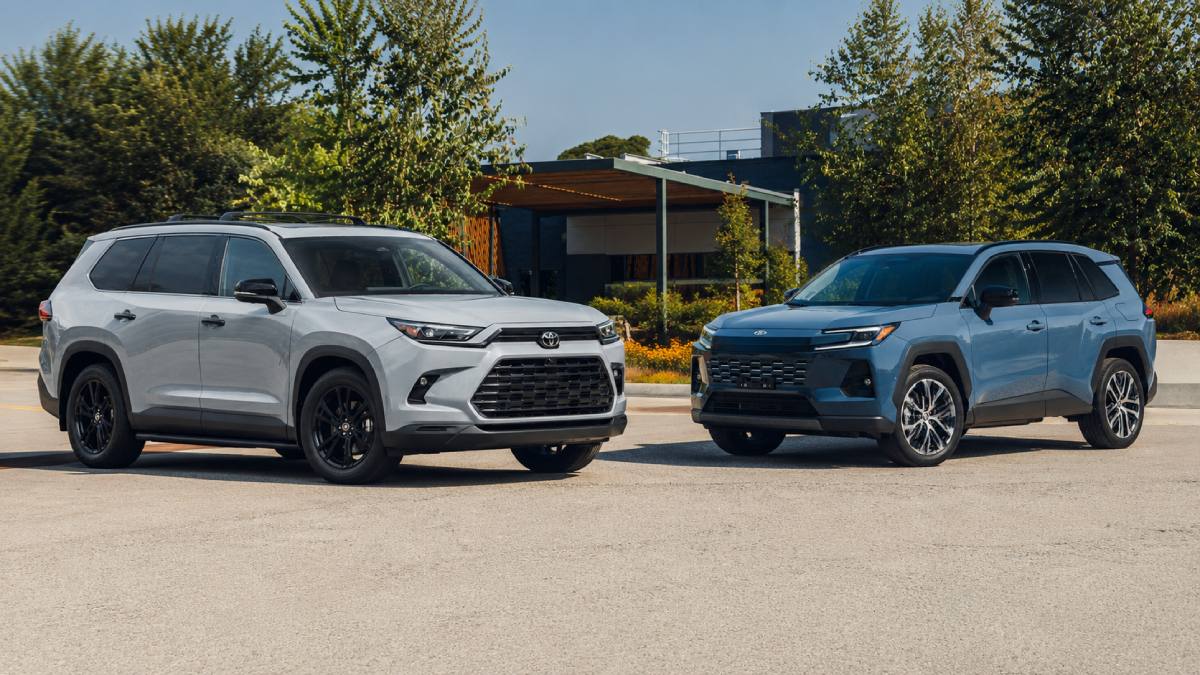
Before comparing specs, it helps to understand that these SUVs serve different roles. Toyota just happens to make a popular compact SUV and a larger midsize three-row SUV, and buyers end up cross-shopping them simply because they sit next to each other in the showroom.
For 2026, Toyota made massive changes to both lineups. Here is how the key 2026 specs compare:
| Feature | 2026 Toyota RAV4 | 2026 Toyota Highlander |
|---|---|---|
| Vehicle class | Compact 2-row SUV | Midsize 3-row SUV |
| Starting MSRP | $31,900 before processing/handling fee | $45,270 before processing/handling fee |
| Powertrain | Hybrid or plug-in hybrid only | 2.4L turbo gas or hybrid |
| Horsepower | 226 hp FWD hybrid / 236 hp AWD hybrid / 324 hp plug-in hybrid | 265 hp gas / 243 hp hybrid |
| Seating capacity | 5 | 7 or 8 |
| Overall length | About 181 inches | 194.9 inches |
| Max towing | Up to 3,500 lbs on properly equipped trims | Up to 5,000 lbs gas / up to 3,500 lbs hybrid |
| Best fit | Commuters, small families, fuel savings | Larger families, third-row needs, and heavier towing |
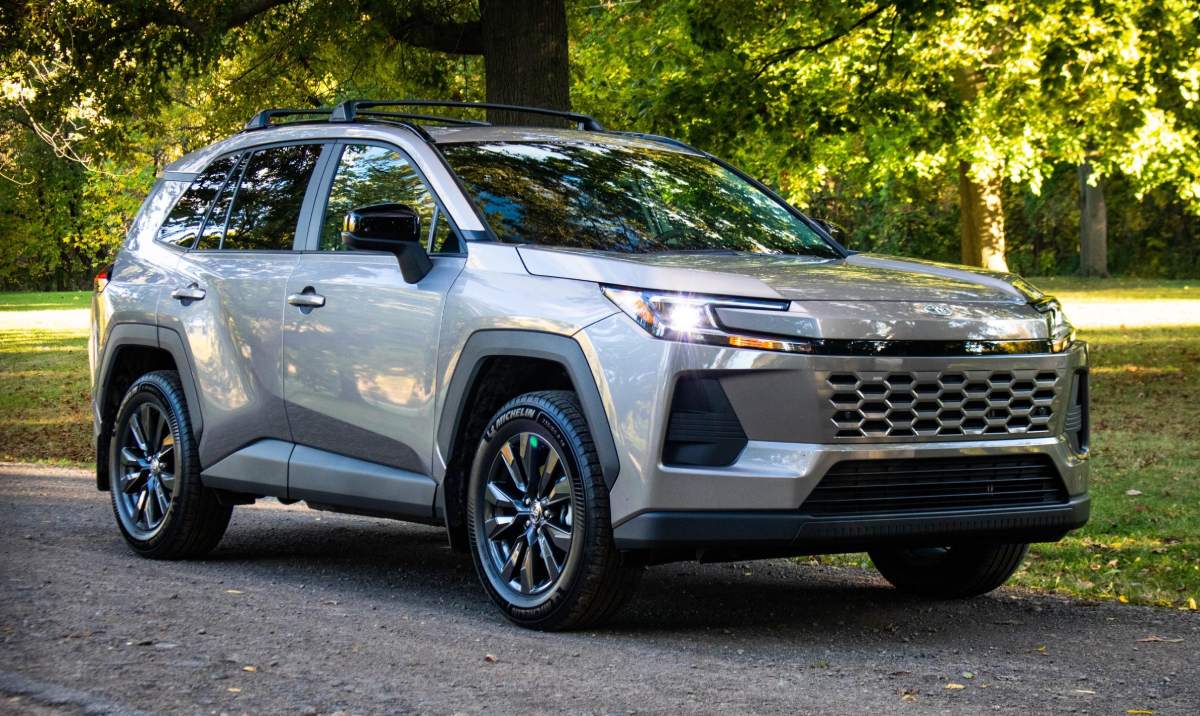
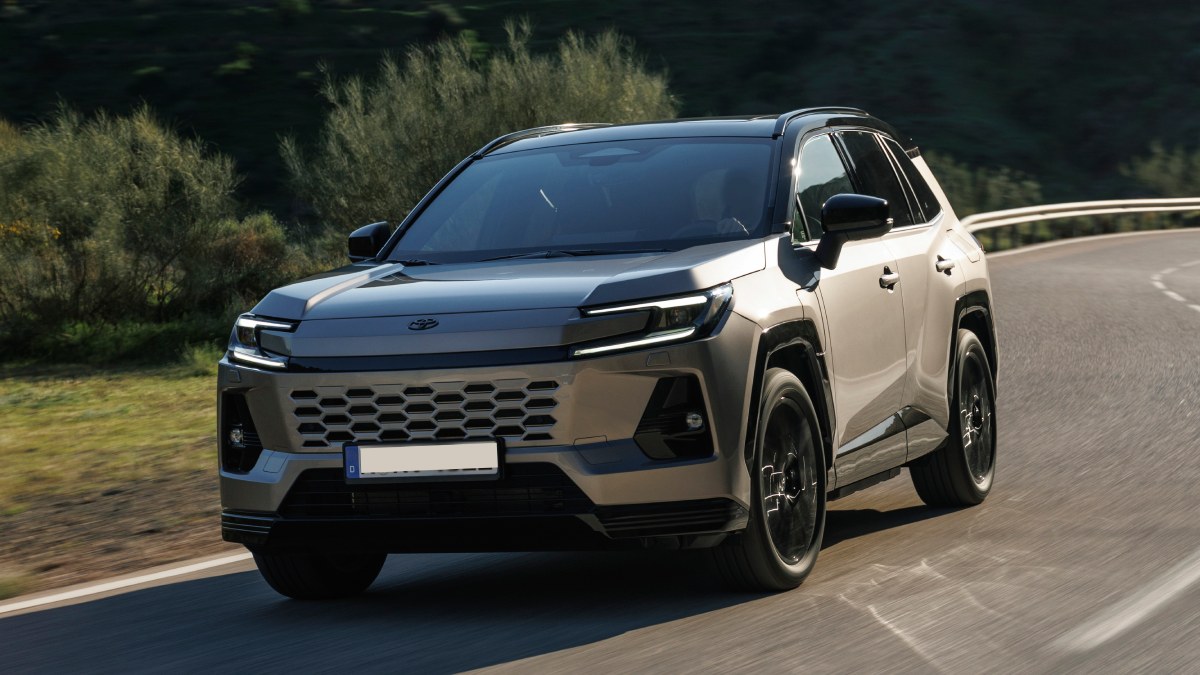
The RAV4 is one of Toyota’s most important SUV models and has long been one of America’s most popular compact SUVs. It is built for shoppers who want SUV ride height, practical cargo space, strong fuel economy, and easier daily driving without moving into a larger three-row vehicle. Buyers cross-shopping other compact SUVs may also want to compare the honda hrv vs crv before deciding which size class fits best.
The Highlander is a midsize three-row SUV built for families that need more passenger space, more cargo flexibility, and stronger towing capability. It is larger, quieter on the highway, and better suited for long trips with people and luggage, but that extra size also makes it more expensive and less convenient in tight city parking.
Pricing, trim changes, and ownership costs
Price is one of the biggest differences between the RAV4 and Highlander. For 2026, Toyota completely restructured the pricing ladder for both vehicles, and the price difference is significant
Starting MSRP: Why does the Highlander cost much more
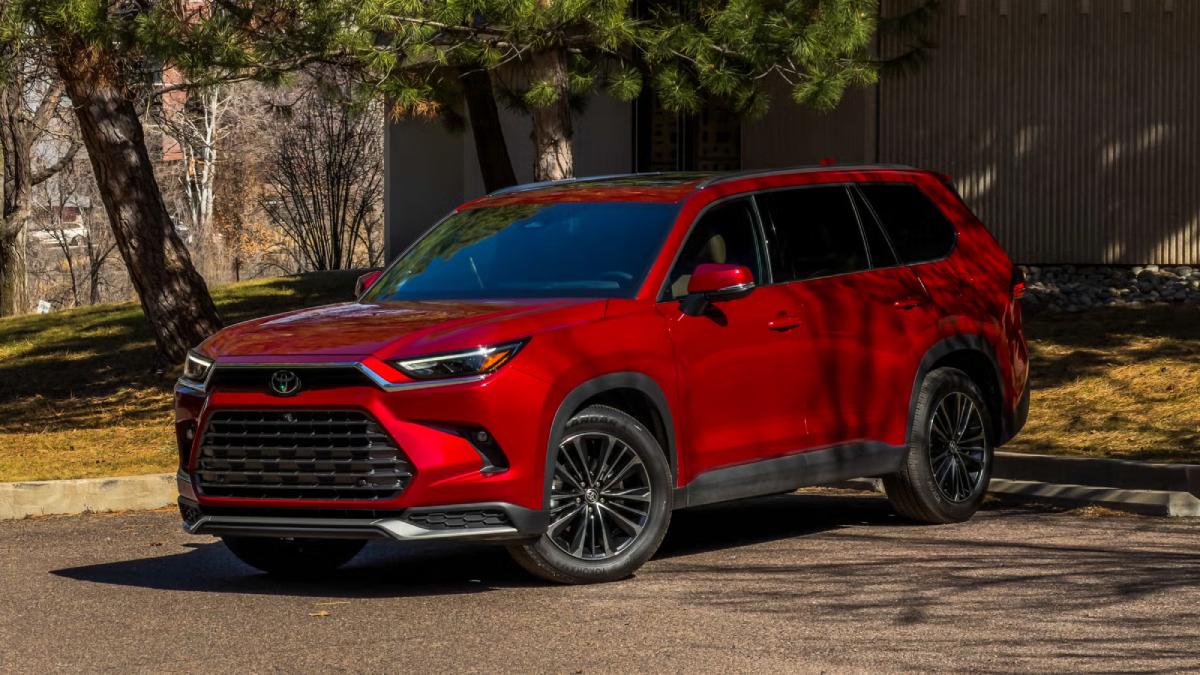
The 2026 Toyota RAV4 starts at $31,900 before Toyota’s processing and handling fee. But here is where the math gets wild: Toyota removed the base LE trim from the 2026 Highlander lineup. The 2026 Highlander now starts with the XLE grade at $45,270 before Toyota’s processing and handling fee. When destination or dealer fees are included, the real transaction starting point can be higher.
Based on starting MSRP before processing and handling, the Highlander starts about $14,000 more than the RAV4. The final gap can be larger once destination charges, taxes, fees, dealer pricing, and trim choices are added.
Trim levels: The 2026 restructuring
Toyota’s trim ladder got a major overhaul this year:
- RAV4 (No gas-only model for 2026): Toyota discontinued the gas-only RAV4 for 2026. The new hybrid-only lineup is split into three distinct camps: Core (LE, XLE Premium, Limited for daily driving), Rugged (Woodland Edition for light trails), and Sport (SE, XSE, GR Sport for stiffer handling).
- Highlander (All-AWD standard): With the LE gone, the gas lineup consists of XLE, XSE, Limited, and Platinum. The Hybrid lineup offers XLE, Limited, and Platinum. For 2026, every Highlander comes standard with all-wheel drive.
Depreciation and long-term ownership cost
Depreciation is another reason the RAV4 can make more financial sense for many buyers. In iSeeCars’ 2026 depreciation study, the Toyota RAV4 / RAV4 Hybrid lost an average of 25.2% of its value after five years, while the Toyota Highlander / Highlander Hybrid lost an average of 36.0%.
That does not mean every RAV4 will hold value better than every Highlander. Trim, mileage, condition, powertrain, location, and purchase price all matter. But based on this study, the RAV4 has a clear resale-value advantage, while the Highlander’s higher starting price can also create a larger dollar loss over time.
The practical takeaway: if you do not truly need three rows, the RAV4 may be the better long-term value. If you need the Highlander’s space, comfort, and towing ability, the higher ownership cost may still be worth it.
How do the RAV4 vs Highlander compare on interior space, comfort, and cargo?
For many shoppers, the decision comes down to one question: Do you actually need a third row?
Seating capacity and everyday comfort
The RAV4 is a strict five-seater. The front row has plenty of room, and the rear bench can work for two adults or three children, but it remains a two-row SUV with no third-row option.
The Highlander gives you seating for seven or eight, depending on whether you choose second-row captain’s chairs or a second-row bench. Captain’s chairs can make the cabin more comfortable for families, but they also reduce total seating capacity from eight to seven.

The Highlander’s third row is best for kids and short trips
The Highlander’s third row is useful for children, short trips, and occasional extra passengers. Adults can fit in a pinch, but the space is tight compared with larger three-row SUVs or minivans. If you regularly carry adults in the third row, test the Highlander carefully and compare it with the Grand Highlander or Sienna before deciding. Pickup shoppers who need a second-row cabin can also review a crew cab definition before switching vehicle types.
Cargo space compared
Here is the stat that usually catches buyers off guard: if you leave the third row up in the Highlander, you actually have LESS usable trunk space than the RAV4.
| Cargo Configuration | 2026 Toyota RAV4 | 2026 Toyota Highlander |
| Behind 3rd row | N/A | 16.0 cu ft |
| Behind 2nd row | 37.8 cu ft | 48.4 cu ft |
| All seats folded flat | 70.4 cu ft | 84.3 cu ft |
If you are just doing normal Costco runs or hauling sports bags, both are totally fine. But drop all the rear seats flat, and the Highlander turns into a cavern, swallowing 84.3 cubic feet of gear compared to the RAV4’s 70.4.

Engine specs, daily driving, and the towing reality
What’s powering these things?
- RAV4: The 2026 RAV4 no longer offers a gas-only model. Standard hybrid versions produce 226 hp with FWD or 236 hp with AWD, while the RAV4 Plug-in Hybrid raises output to 324 net combined horsepower.
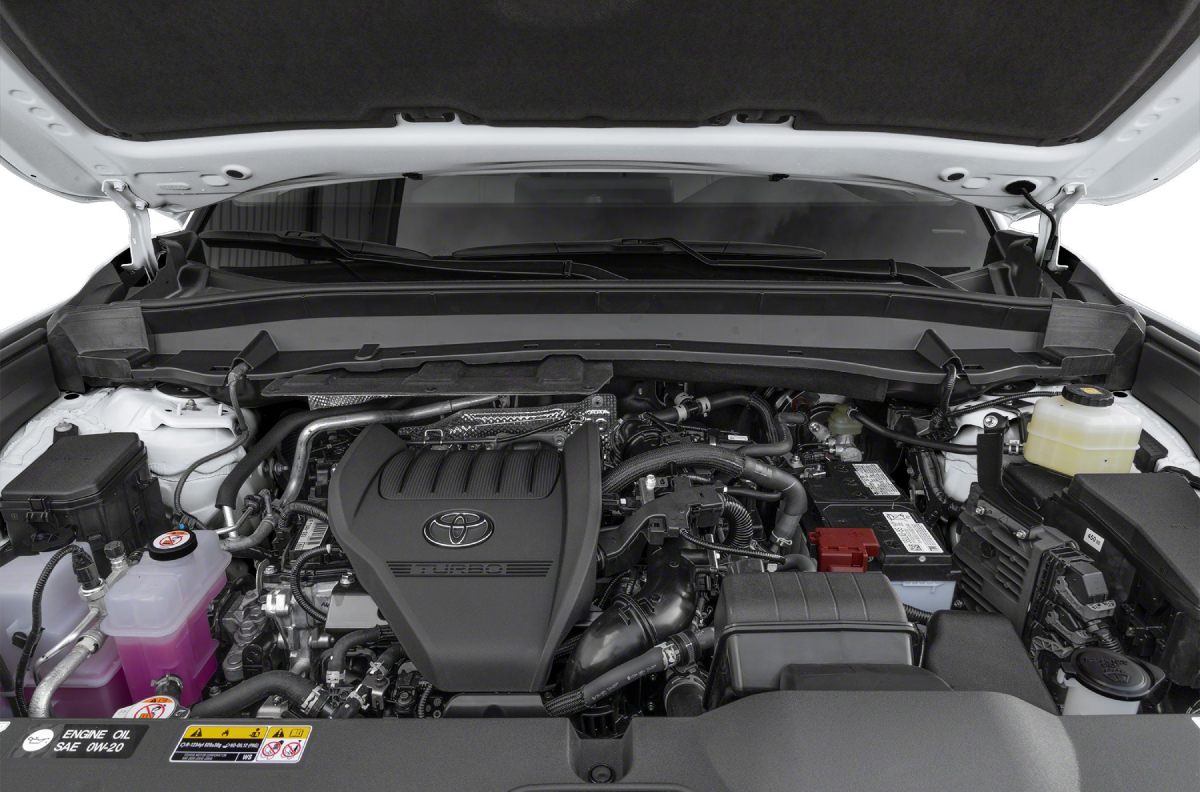
- Highlander: Still rocking a 2.4-liter turbocharged 4-cylinder making a gutsy 265 horsepower and a massive 310 lb-ft of torque to get that heavy frame moving (with Hybrid options available).
How they actually handle on the road
Behind the wheel, the RAV4 feels smaller, lighter, and easier to manage in tight spaces. It is the most convenient SUV for city driving, crowded parking lots, and daily commuting. The trade-off is that some drivers may find it less quiet and less relaxed on long highway trips than the Highlander.
The Highlander feels more settled and relaxed on long highway drives. Its larger body and family-focused tuning help it feel quieter and more comfortable than the RAV4, especially when carrying passengers and luggage. The trade-off is size: the Highlander feels bulkier in tight parking garages and crowded city streets.

The 2026 towing limits
If you own a boat or a camper, both vehicles can put in the work, but the Highlander’s 5,000-lb capacity is mandatory
- RAV4: Up to 3,500 lbs on properly equipped trims, but not every RAV4 configuration carries the same tow rating.
- Highlander: Up to 5,000 lbs with gas models and up to 3,500 lbs with hybrid models.
With the new hybrid powertrains, the RAV4 can now tow up to 3,500 lbs, easily handling a jet ski or a teardrop camper. But for a real pontoon boat or mid-size travel trailer, the Highlander’s 5,000-lb capacity is mandatory.
How the RAV4 and Highlander compare on fuel economy
A lot of buyers focus purely on the sticker price, but fuel costs are another ownership factor that keep draining your wallet. Over five years, bad gas mileage can easily wipe out whatever discount you negotiated at the dealer. If a sedan is also on your list, compare the 2026 toyota camry hybrid mpg with the SUV figures before choosing based on fuel use alone.
Here is how the 2026 fuel-economy picture compares using Toyota’s published estimates for key trims:
| Powertrain | 2026 Toyota RAV4 | 2026 Toyota Highlander |
|---|---|---|
| Gas-only | Not available | 21 city / 28 highway / 24 combined |
| Hybrid | Up to 47 city / 40 highway / 43 combined (on the most efficient FWD trims; AWD trims are lower) | Up to 35 city / 35 highway (on Hybrid XLE) |
| Plug-in hybrid | Up to 54 miles of EPA-estimated electric range (on SE) | Not available |
The RAV4 Plug-in Hybrid advantage
It offers a plug-in hybrid option. (Note: Toyota officially retired the “Prime” badge back in 2025, and it remains branded as PHEV for 2026).
The RAV4 Plug-in Hybrid is the performance-and-efficiency wildcard. For 2026, it produces 324 net combined horsepower and offers up to an EPA-estimated 54 miles of all-electric range on the SE trim. If you can charge at home and your daily driving fits within that range, it can dramatically reduce gas use while still giving you a gasoline engine for longer trips. Buyers comparing a PHEV with a full EV should also understand why are evs so expensive before comparing purchase prices.
Safety tech, crash tests, and reliability
Standard safety gear
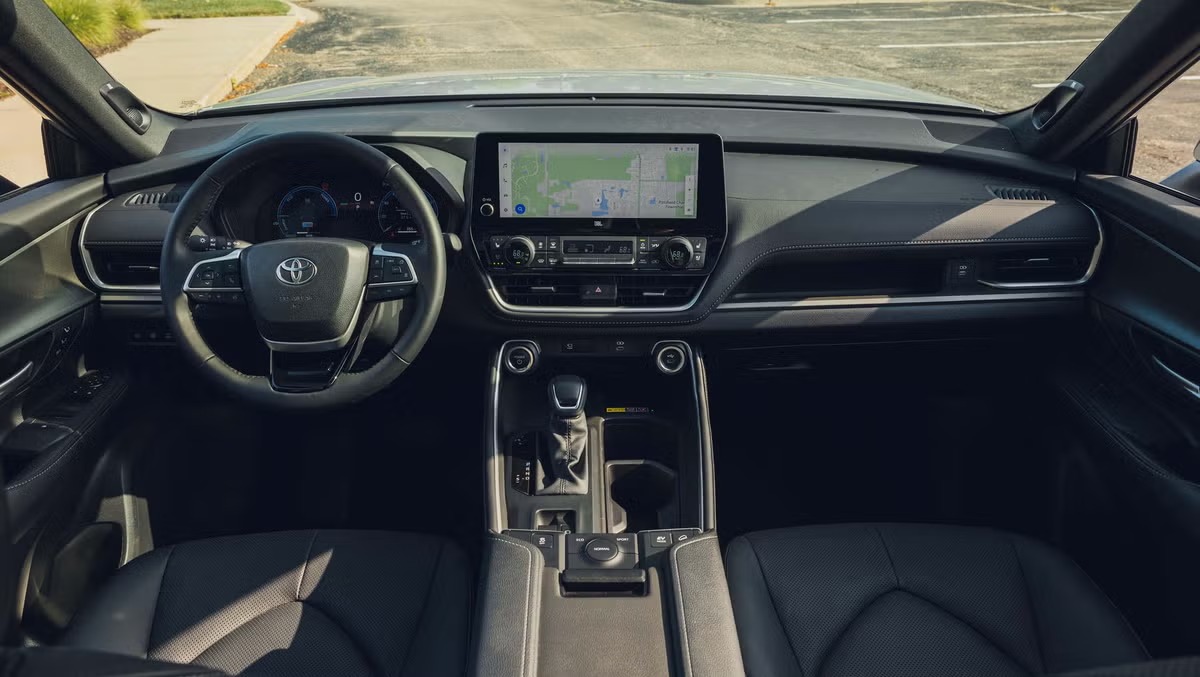
Toyota includes a strong set of standard safety features on both models. The 2026 RAV4 and Highlander do not use the same Toyota Safety Sense package. The redesigned RAV4 gets Toyota Safety Sense 4.0, while the 2026 Highlander continues with Toyota Safety Sense 2.5+. Both systems include core driver-assistance features such as a Pre-Collision System, adaptive cruise control, lane support, and automatic high beams, though exact features can vary by model and trim.
Cross-checking the crash tests
Because the 2026 RAV4 is redesigned, check the latest IIHS and NHTSA ratings for the exact model year and trim before buying. The Highlander has more carryover crash-test history, but safety ratings can still vary by year, drivetrain, headlights, and trim. Do not assume last year’s rating automatically applies to a redesigned model.
Will they break down?
Both models have strong reputations for Toyota reliability, but neither should be treated as maintenance-free. Compare warranty coverage, maintenance costs, owner complaints, and repair costs for the exact trim and powertrain you plan to buy. J.D. Power currently lists the 2026 Highlander with a Quality & Reliability score of 82/100 and the 2026 RAV4 at 77/100. Treat those scores as one reference point, not the whole reliability story, because long-term ownership costs still depend on trim, powertrain, maintenance, repairs, and owner history.
The screens and tech
Both vehicles offer Toyota’s modern Audio Multimedia system with wireless Apple CarPlay and Android Auto. While base trims get standard displays, the RAV4 now offers massive, crisp screens up to 12.9 inches on upper configurations.

Off-road capability
Neither SUV is designed for serious off-roading. But the RAV4 has always leaned into an adventurous lifestyle. While the old TRD trims are gone, the 2026 RAV4 Hybrid Woodland Edition gives you all-terrain tires and suspension tweaks that handle muddy camp roads just fine. If serious trail capability is your priority, compare the vehicle’s ownership costs with typical jeep wrangler insurance rates before choosing an off-road model.
The Highlander is better suited for pavement, snow, and light weather than rugged trails. Standard AWD is great for snowy highways and slick rain, but the sheer length and low ground clearance mean it has no business on a rugged trail.
What owners and reviewers often notice
Owner feedback and long-term reviews tend to show a clear pattern.
RAV4: Drivers often like its fuel economy, ease of parking, practical cargo space, and Toyota’s reputation for reliability. Common complaints include increased road and wind noise at highway speeds and a less refined ride than that of larger SUVs.
Highlander: Drivers often like its quiet highway ride, smoother cabin feel, extra cargo room, and three-row flexibility. Common complaints focus on the cramped third row, larger size in parking lots, and higher purchase price compared with smaller Toyota SUVs.
RAV4 vs Highlander pros and cons
Here is a quick summary
| Vehicle | The Good (Pros) | The Bad (Cons) |
| Toyota RAV4 | • Lower starting MSRP than the Highlander • Hybrid-only lineup for 2026 • Easier to park and drive in tight city spaces • Strong fuel economy, especially on efficient FWD hybrid trims • Available plug-in hybrid with up to 54 miles of EPA-estimated electric range | • Seats only five • Less total cargo room than the Highlander with seats folded • Highway ride and cabin noise may feel less refined than the Highlander • Some trims tow less than the 3,500-lb maximum |
| Toyota Highlander | • Seats seven or eight • More total cargo room with rear seats folded • Quieter and more comfortable for long highway trips • Gas models can tow up to 5,000 lbs • Standard AWD for 2026 | • Much higher starting MSRP • The third row is tight for adults • Larger size makes parking harder • Hybrid fuel economy trails the RAV4 • A higher purchase price can raise total ownership and insurance costs |
Insurance cost considerations: RAV4 vs Highlander
Insurance should not be the only reason to choose between the RAV4 and Highlander, but it can affect the true cost of ownership. The Highlander may cost more to insure because it has a higher starting price, larger body, more expensive trims, and higher potential repair costs. The RAV4 may be cheaper for many drivers, but the plug-in hybrid version can cost more than a base hybrid because of its higher price and electrified components. That does not guarantee the Highlander will always cost more to insure, but it is a reason to understand what determines your car insurance rate and compare quotes for the exact trim before choosing.
Before buying either SUV, compare insurance quotes for the exact trim, powertrain, ZIP code, driver profile, and coverage limits. A RAV4 Hybrid LE, RAV4 Plug-in Hybrid, Highlander XLE gas, and Highlander Hybrid Limited can produce very different insurance quotes even if they all wear a Toyota badge.
Which one belongs in your driveway?
There is no single winner in the RAV4 vs Highlander comparison. The better choice depends on how many people you carry, how much cargo space you need, where you drive most often, and whether fuel economy or towing capacity matters more.

When the Toyota RAV4 makes more sense
Choose the Toyota RAV4 if you have a smaller household, drive mostly in the city or suburbs, and do not need a third row. It is easier to park, costs less to start, and offers strong fuel economy from its hybrid-only 2026 lineup. The plug-in hybrid version also makes sense if you can charge at home and want more electric-only driving for daily trips.
When the Toyota Highlander is the better fit
Choose the Toyota Highlander if you regularly carry more than five passengers, need extra cargo room for long road trips, or tow heavier loads. Its three-row layout, quieter highway ride, and available 5,000-lb towing capacity on gas models make it the more practical choice for larger families and buyers who need more space.
Avoid buying more SUVs than you need
The easiest mistake is buying more SUV than you actually use. If you only need a third row once or twice a year, the RAV4 may be the smarter long-term choice because of its lower starting price and better fuel efficiency. But if your family already needs three rows, the Highlander’s extra space will matter every week, not just on holidays.
Final tip before you decide
Before deciding, test drive both vehicles back-to-back. Pay attention to parking, visibility, highway noise, third-row comfort, cargo access, and how the vehicle feels in normal daily driving. The spec sheet can narrow the choice, but your real driving routine should make the final decision clear.

RELATED AUTO INSURANCE GUIDES
Safety & Driving
How Does a Learner’s Permit Work? Rules and Next Steps
Safety & Driving
Thunderstorm Safety Tips at Home, Outdoors and in a Car
Auto Insurance
ACV vs Replacement Cost: How Insurance Payouts Differ
Safety & Driving
Black Ice on the Roads: How to spot it and handle a skid