

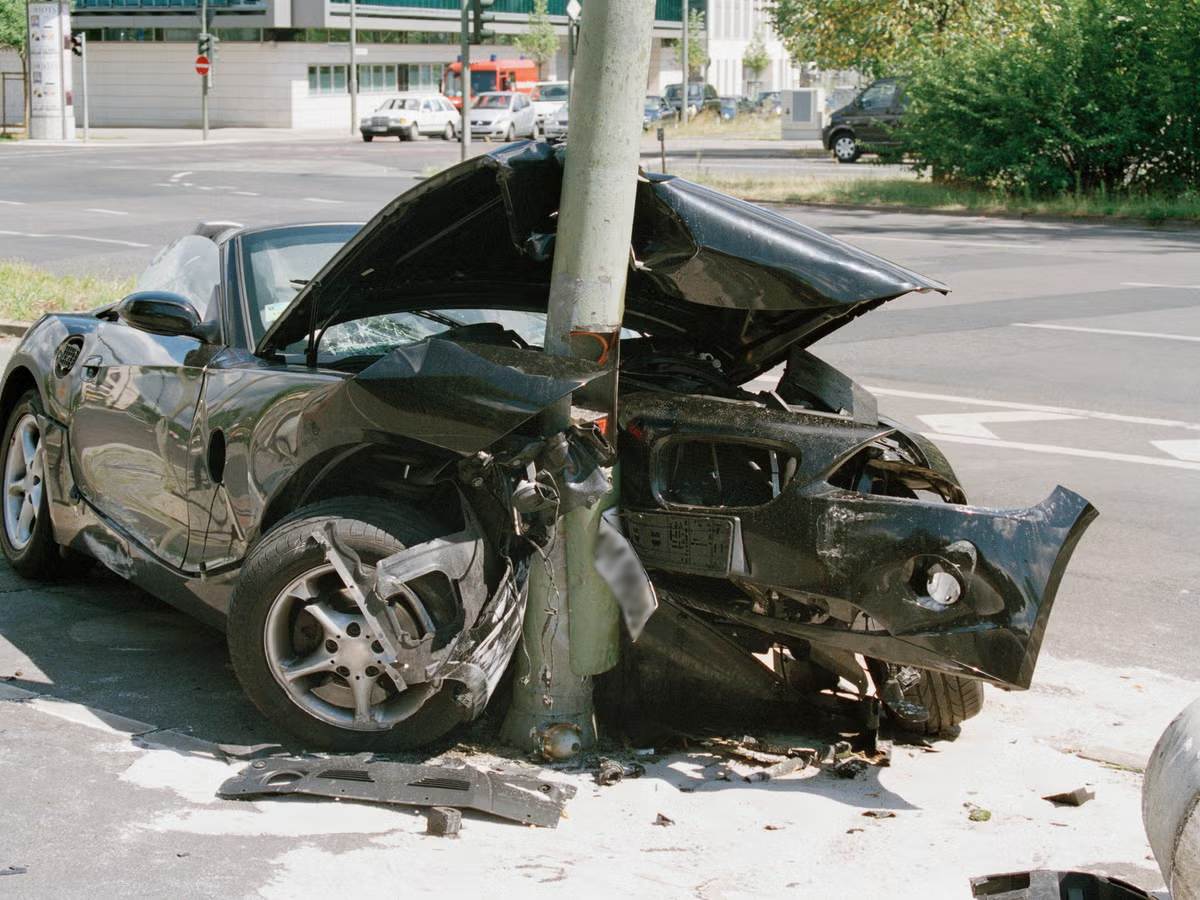
After a serious accident, your car may be declared a total loss, even when it still appears repairable. This often raises a crucial question: How does insurance determine the value of a totaled car? At Auto Insure News, we explain the key factors insurers consider, including the vehicle’s age, mileage, condition, and current market value, so you can better understand whether your settlement is fair.
How is a totaled car valued?
In a typical first-party collision claim, the insurer may use the following process. Understanding the broader auto insurance claim definition can also help clarify what happens before and after the valuation stage.
- Confirm that the vehicle is a total loss under the applicable state rule, policy language, or insurer’s claims standard.
- Establish the vehicle’s pre-loss actual cash value.
- Identify comparable vehicles in the relevant market.
- Adjust the comparable vehicles for mileage, condition, equipment, trim, and other differences.
- Add applicable sales tax, title, license, transfer, or registration fees when required by the policy or state law.
- Subtract the policy deductible and any other permitted deductions.
- Subtract salvage value if the owner keeps the totaled vehicle.
- Pay the settlement to the vehicle owner and, when applicable, the lienholder.
A simplified illustration is:
Estimated settlement = ACV + applicable taxes and fees − deductible − owner-retained salvage deduction
The actual calculation can differ. Read the valuation report and policy before treating this formula as a final payment calculation.
What does actual cash value mean?
Actual cash value is generally the vehicle’s market value immediately before the covered loss, taking depreciation into account. It is not the amount needed to buy a brand-new vehicle with the same model name, and it is not necessarily the amount originally paid for the car.
The Texas Department of Insurance describes ACV as the cost to replace a vehicle minus depreciation. Depreciation reflects factors such as age, wear, mileage, condition, and market demand. The National Association of Insurance Commissioners also explains that auto collision insurance may pay the vehicle’s ACV when the insurer determines that the vehicle is totaled.
| A number of people commonly confuse ACV | Why it may differ |
| Original purchase price | The vehicle may have depreciated since purchase, or the purchase price may have included dealer-specific charges |
| Replacement cost | A comparable replacement vehicle may cost more than the pre-loss market value |
| Loan balance | The amount owed to a lender depends on financing, interest, down payment, and prior payments, not only on vehicle value |
| Private-party asking price | An asking price is not always the same as a completed local transaction |
| Kelley Blue Book estimate | KBB can be a reference point, but the insurer may use another valuation method and adjust for local data and vehicle condition |
| Salvage value | Salvage value is the damaged vehicle’s value after the loss, not its pre-crash ACV |
What information does the insurer use to calculate ACV?
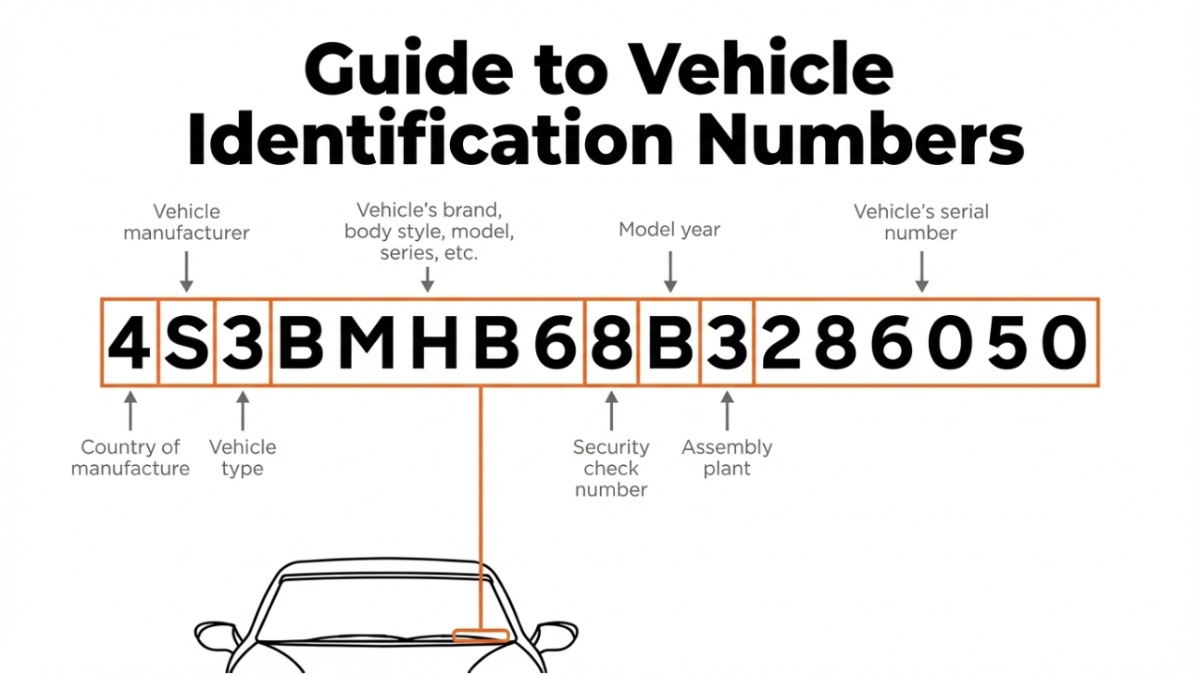
The insurer or valuation provider typically requires accurate vehicle information to produce a reliable estimate. The report may use the vehicle identification number, mileage, trim, factory-installed equipment, condition, prior damage, title history, geographic location, and comparable listings or transactions.
Important details to check include:
| Valuation factor | What to verify in the report |
| Year, make, and model | Correct model year, body style, drivetrain, and vehicle configuration |
| Trim and options | Correct trim package, engine, transmission, technology, safety equipment, sunroof, premium audio, and other options |
| Mileage | The mileage recorded by the adjuster or valuation provider matches the vehicle’s pre-loss mileage |
| Condition | The report does not classify a well-maintained vehicle as average or below average without an explanation |
| Prior damage | Pre-existing damage is separated from damage caused by the current loss |
| Location | The vehicle’s normal garaging area and local market are correctly identified |
| Comparable vehicles | The listed vehicles are genuinely similar in age, trim, mileage, condition, and equipment |
| Fees and taxes | Applicable sales tax, title, license, transfer, or registration amounts are addressed |
The CCC valuation platform, for example, describes tools for comparable vehicles, build-sheet data, vehicle optioning, condition assessment, branded-title information, and fee calculations. That does not mean every insurer uses CCC, or that every report uses identical data. Some carriers or claims vendors may use other systems or proprietary methods. The key question is not only which software was used but also whether the underlying vehicle data and adjustments are accurate.

Does the insurer use CCC ONE, Mitchell, or Audatex?
Many consumers see the name of a third-party valuation platform in a total-loss report. CCC, Mitchell, and Audatex are examples of systems or data providers associated with vehicle damage and valuation workflows, but the specific platform varies by insurer, claim administrator, jurisdiction, and claim type.
A valuation report generated by software is not automatically correct or incorrect. It is a starting point that should be reviewed for data quality. Ask the adjuster or insurer:
- Which valuation system or source produced the report?
- What vehicle options and trim information were entered?
- Which comparable vehicles were selected?
- Were the comparable vehicles local and available near the date of loss?
- What adjustments were made for mileage, condition, equipment, prior damage, and market differences?
- Were taxes, title fees, license fees, or transfer fees included?
Do not argue only that “KBB shows a higher number.” A stronger dispute identifies a specific factual error or supplies better evidence about the vehicle’s local pre-loss market value.

How does the insurer decide that a car is totaled?
A car may be declared a total loss when it cannot be safely repaired, when repair costs approach or exceed the vehicle’s pre-loss value, or when the applicable state rule requires or permits a total-loss designation. The threshold is not identical throughout the United States.
Some states use a specific damage threshold that compares estimated repair costs to ACV. Other states use a total-loss formula (TLF) that compares the sum of the repair cost and salvage value to the ACV. A simplified TLF is:
Repair cost + salvage value ≥ actual cash value
For example, if a vehicle has an ACV of $15,000, estimated repairs of $10,000, and a salvage value of $6,000, the combined amount is $16,000. Under a TLF approach, the vehicle may qualify as a total loss even if the repair estimate is less than the ACV.
The percentage or formula used depends on state law, title rules, policy language, and the circumstances of the claim. A state’s total-loss threshold is not the same thing as the amount the insurer ultimately pays. The threshold determines whether repair or total-loss treatment applies; the settlement amount is then based on the vehicle’s value and the policy’s payment terms.
The Texas Department of Insurance explains that an insurer compares the vehicle’s value to repair costs and may deem the vehicle totaled when repairs cost about the same as or more than its value. It also notes that some insurers may total a vehicle even when repair costs are lower. This is why a driver should ask both why the vehicle was totaled and how its ACV was calculated.
What happens to the deductible, taxes, and fees?
The settlement calculation may include more than the ACV, but the treatment of taxes and fees varies by state, policy, and claim type. Some jurisdictions require applicable taxes and transfer-related fees to be included in a total-loss settlement. Others use different rules or require documentation of a replacement vehicle.
The Washington Office of the Insurance Commissioner states that an insurer must add applicable taxes, license fees, and other fees required to effect the transfer of ownership under its total-loss rules. California’s consumer guidance similarly states that a total-loss settlement must include taxes, license fees, and transfer fees, and that the settlement should reflect a comparable vehicle of like kind and quality. These examples should not be treated as a universal rule for every state.
The deductible is different from tax and title fees. If you are making a collision claim under your own policy, the collision deductible may be deducted from the settlement. In a third-party claim against the at-fault driver’s insurer, the deductible treatment can be different.
If you keep the totaled vehicle, the insurer may deduct the vehicle’s salvage value from the payment. Washington’s consumer guidance explains that the settlement can be calculated as the ACV plus applicable taxes and fees, with a deduction for the salvage value when the owner retains the vehicle. The vehicle may also receive a salvage or rebuilt title, depending on state procedures.

Why is the insurance offer lower than the loan balance?
A lender’s payoff amount and the vehicle’s ACV are different numbers. If you financed a vehicle with a small down payment, rolled prior loan debt into the new loan, financed taxes and fees, or made only a few payments, the loan balance may be higher than the vehicle’s depreciated market value.
Standard collision or comprehensive car insurance generally pays the covered vehicle’s value under the policy, not whatever amount remains on the loan. If you are deciding whether gap insurance is worth it on a used car, remember that it may cover some or all of the difference between the insurer’s settlement and the covered loan or lease balance, subject to the Gap contract’s exclusions and limits.
Before assuming Gap Insurance will cover the entire shortfall, check whether the contract excludes late payments, overdue amounts, negative equity from a previous vehicle, extended warranties, or other financed products. Contact the lender or Gap provider for the payoff process after the insurer confirms the total-loss settlement.
How can you dispute a low total-loss valuation?
You can ask questions and submit evidence before accepting a settlement. The insurer is not required to accept every number you propose, but a focused review can correct missing options, incorrect mileage, wrong trim, inaccurate condition, or unsuitable comparables.
Step 1: Request the complete valuation report
Ask for the total-loss valuation report and the settlement worksheet. Washington’s insurance regulator specifically advises consumers to ask for the valuation report because it shows the data used to determine the vehicle’s value. Request the report even if the adjuster initially provides only a settlement number.
Step 2: Check the vehicle description
Compare the report with your purchase documents, VIN record, service records, photographs, inspection records, and maintenance history. Look for errors in:
- Trim level and body style.
- Drivetrain, engine, and transmission.
- Factory packages and installed options.
- Mileage before the accident.
- Condition immediately before the loss.
- Tire quality, recent repairs, and documented upgrades.
- Prior damage or branded-title history, including records that may help you spot flood damage in a car.
Step 3: Review the comparable vehicles
Comparable vehicles should be reasonably similar and relevant to the local market. A lower-trim, substantially higher-mileage vehicle, a salvage vehicle, or a vehicle in a different market may not be a strong comparable.
Useful evidence may include local dealer listings, completed sales where available, dated advertisements, purchase offers, and listings with the same trim and options. A listing price is evidence of the market asking price, not conclusive proof of ACV, so explain why each example is comparable.
Step 4: Submit a written correction request
Create a short table showing the report’s error, your evidence, and the requested correction. For example:
| Report issue | Evidence to attach | Requested correction |
| Wrong trim level | Window sticker, VIN build sheet, purchase documents | Recalculate the option and trim adjustment |
| Mileage understated or overstated | Service invoice or inspection record dated before the loss | Correct the mileage input |
| Missing factory package | Original equipment documentation or photographs | Add the package to the vehicle profile |
| Poor comparable selection | Dated local listings with matching trim and mileage | Review or replace the comparable |
| Missing taxes or transfer fees | State agency guidance or replacement documentation | Add the applicable amount |
Keep the request factual and ask for the insurer’s written response. Avoid signing a release or accepting a settlement as full and final until you understand whether it resolves all disputed issues.
Step 5: Check appraisal, mediation, and complaint options
Your policy may contain an appraisal provision, but appraisal procedures and what the appraisers can decide vary by policy and state. Washington’s regulator notes that independent appraisers or another policy-based method may be available when the parties disagree about value. California provides an automobile claims mediation program and consumer complaint resources for qualifying disputes. Texas advises consumers who believe the insurer’s offer is too low to negotiate using local market evidence.
If the insurer’s offer remains disputed, review the policy, contact the state insurance department, and consider qualified legal or appraisal advice. A complaint can help identify claims-handling concerns, but the regulator may not decide the exact value of a private claim for you.
Can you keep a totaled car?
Sometimes. If you keep the vehicle, the insurer generally subtracts the vehicle’s salvage value from the settlement. The car may receive a salvage title, and state law may require inspections, rebuilt-title procedures, or special disclosure before it can be driven or sold.
Keeping the vehicle may make sense only after comparing the reduced settlement, repair cost, inspection requirements, future insurability, and resale difficulty. Do not assume that the insurer will pay for every repair after an owner-retained total loss.

What documents should you collect before negotiating?
A strong valuation review usually starts with documents created before the accident, not only online advertisements found afterward.
| Document | Why it matters |
| Total-loss valuation report | Shows the insurer’s data, comparables, and adjustments |
| Policy declarations page | Shows coverage, deductible, and applicable limits |
| Purchase documents | Helps establish trim, options, and original vehicle identity |
| Service and repair records | Supports condition, maintenance, and recent improvements |
| Pre-loss photographs | Shows the condition and equipment before the accident |
| Registration and title records | Helps verify ownership and vehicle identity |
| Local comparable listings | Supports a market-based correction request |
| Loan or lease payoff statement | Shows the balance that may need to be addressed separately from ACV |
| Gap contract | Shows whether a loan shortfall may be covered |
Insurance generally determines the value of a totaled car by estimating its actual cash value immediately before the accident. The insurer or valuation provider may compare similar vehicles, adjust for mileage, trim, options, condition, prior damage, and location, then apply the policy and state rules for taxes, fees, deductibles, and salvage.
If the offer seems low, request the complete valuation report, check every vehicle detail, challenge unsuitable comparables with local evidence, and review the policy’s appraisal or dispute process. The first number is not always the end of the discussion, but a successful challenge should be based on specific evidence rather than a general claim that the car was worth more.

RELATED AUTO INSURANCE GUIDES
Safety & Driving
Hot Car Safety Tips for Children, Pets and Drivers
Safety & Driving
How Does a Learner’s Permit Work? Rules and Next Steps
Safety & Driving
Thunderstorm Safety Tips at Home, Outdoors and in a Car
Auto Insurance
ACV vs Replacement Cost: How Insurance Payouts Differ