

Auto insurance rates are not set by a single formula, and that is why two drivers with similar cars can receive very different quotes. Insurers calculate premiums by estimating the likelihood and potential cost of future claims, then applying factors such as driving history, location, vehicle type, mileage, coverage choices, and state rating rules.
In this guide, Auto Insure News explains how auto insurance rates are determined, why prices vary between companies, which factors have the greatest impact, and what drivers can do to keep their premiums competitive.
What’s the difference between a rate and a premium?
Insurers use the words rate and premium interchangeably. They’re not.
A rate is one of the ingredients an insurer uses to price coverage. Your premium is the finished dish, the actual dollar amount you’re charged after the company runs its rating factors and layers in your chosen coverages, limits, deductibles, discounts, and any fees.
In plain terms, the insurer begins with rates it has filed and gotten approved, then tailors the price to you, your vehicle, your address, and how you use the car. What comes out the other end is the premium printed on your quote.
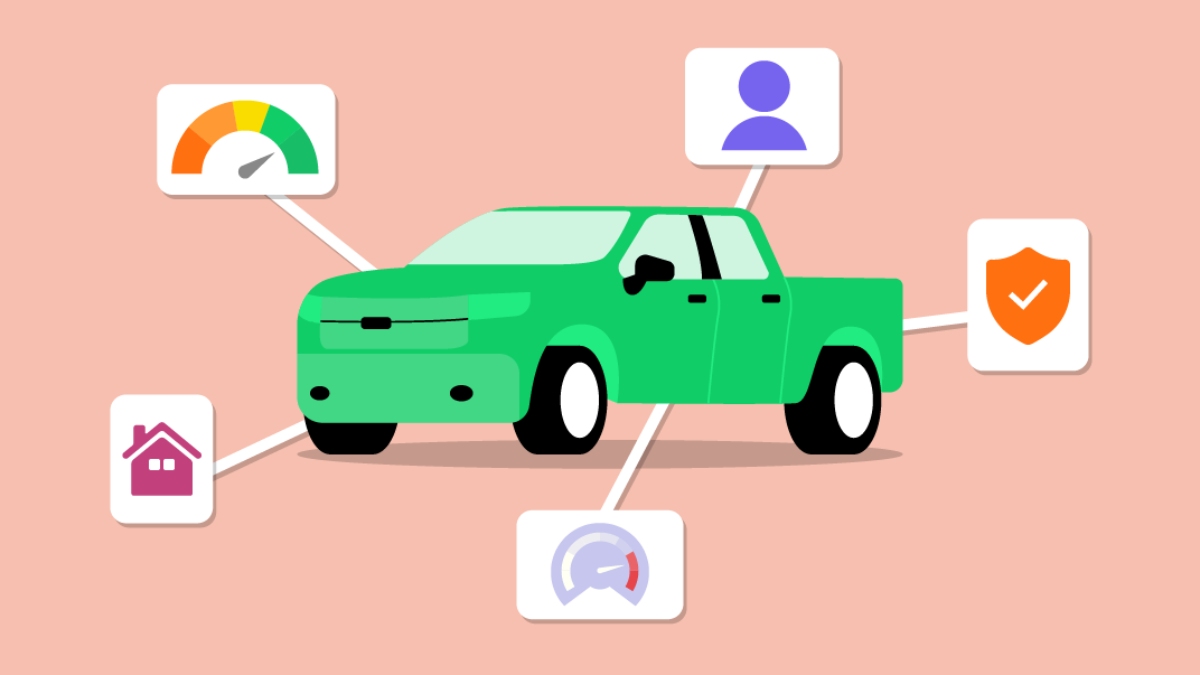
How do insurers actually price risk?
Insurers sift through mountains of historical data, including:
- Accident frequency and severity
- Vehicle repair and replacement costs
- Medical and injury claims
- Theft and vandalism rates
- Weather-related losses
- Driving records
- Mileage and how the vehicle is used
- Local claim patterns
Anything statistically associated with more frequent or more expensive claims tends to raise your premium. Anything tied to fewer or cheaper claims can pull it down or earn a discount.
What driver-related factors affect your rate?
Driving record and claims history
This is one of the heaviest levers there is. Your record and past claims are among the strongest signals an insurer has about your future, so speeding tickets, at-fault accidents, reckless-driving violations, and serious offenses like a DUI can all raise your premium, and depending on your state and insurer, the effect can linger for years.
Age and driving experience
Inexperience costs money. Younger, greener drivers file claims more often, so they pay more, and teens are usually the most expensive of all to insure. Premiums generally ease as you rack up experience, level off through middle age, and can creep back up for some older drivers. Just note that age doesn’t carry the same weight everywhere; state law and each insurer’s rules decide how much it counts.
Credit history
In many states, insurers factor a credit-based insurance score into pricing. It isn’t the same score a lender pulls when you apply for a loan, though the two draw on similar information, such as payment history, outstanding debt, and how long you’ve had credit, subject to your state’s laws.
Higher credit-based scores usually correspond to lower premiums. But several states prohibit or restrict using credit at all in auto pricing, so it may not apply to you. Because the rules genuinely vary, it’s worth asking your insurer or your state insurance department whether credit is affecting your quote.

Gender, marital status, and occupation
Some states let insurers weigh gender and marital status; others limit or ban it outright. Where it’s allowed, younger male drivers sometimes pay more because historical data has shown higher claim frequency or severity, and married drivers may be priced differently when a company’s data points to lower average risk. A few insurers also consider occupation or education, though these are more limited in certain states.
The common thread: whether any of this can be used at all depends on the law under which your policy is written.
How does where you live affect your rate?
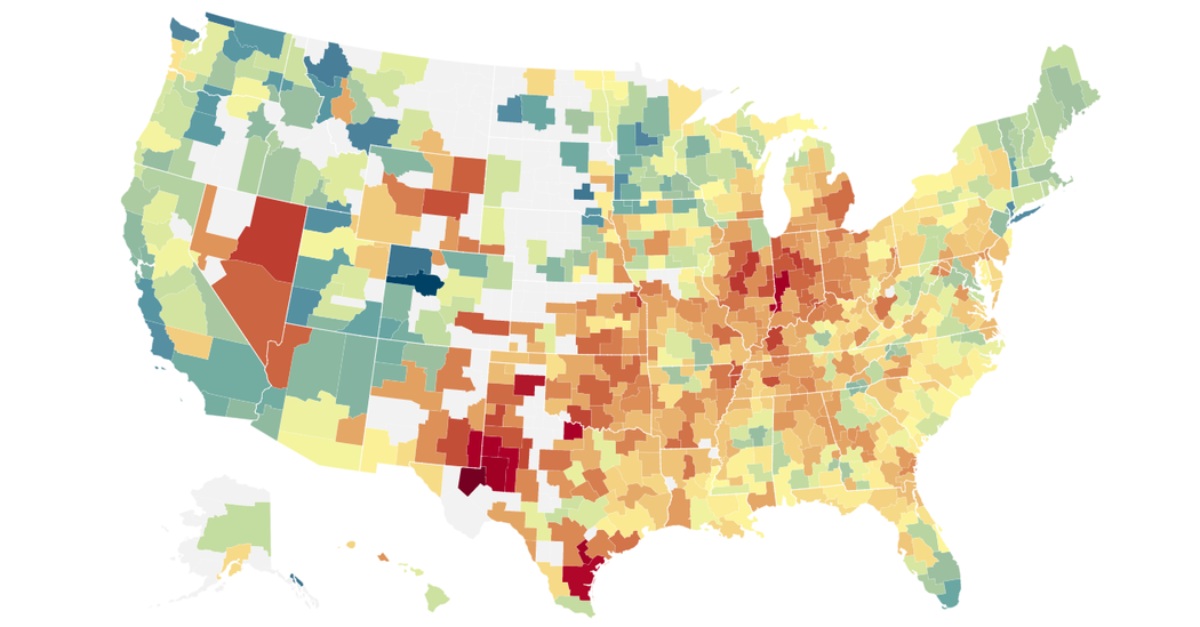
Location moves the needle more than most people expect. Insurers look at your garaging address and the approved geographic territory it falls into, because local conditions shape both how likely a claim is and how much it’ll cost.
- Population density. Cities pack in more traffic, intersections, pedestrians, theft, and vandalism, which tends to mean more claims than in quieter rural or suburban areas.
- Local claim patterns. Insurers study how often claims happen nearby and how expensive they are. Repair rates, medical costs, litigation habits, fraud, and the share of uninsured drivers in your area all feed into the price.
- Weather and natural disasters. Places exposed to hail, hurricanes, tornadoes, flooding, wildfires, or brutal winters generate more comprehensive claims. You can have a spotless record and still pay more simply because cars around you keep getting hammered by expensive weather.
- State insurance laws. Every state regulates auto insurance differently, including required coverage, claims rules, and which rating factors insurers may use. Geography may also be handled differently from one state to another. To check the rules where you live, visit your state insurance department.
How does your car affect your rate?
The vehicle itself plays a significant role in determining the cost of a future claim.
- Repair and replacement cost. Newer, luxury, electric, and tech-heavy cars can be pricier to fix or replace. Modern bumpers, windshields, mirrors, and headlights are often packed with cameras, radar, and sensors that need calibration, so even a minor fender-bender can turn into a surprisingly large bill.
- Make, model, and claims history. Insurers track claims tied to specific makes, models, and sometimes trim levels. A car with frequent collision claims, expensive parts, high injury losses, or a poor theft record can cost more to insure than a similarly priced car.
- Theft risk. Frequently stolen models tend to carry higher comprehensive premiums. Anti-theft devices can help, but how much depends on the vehicle, the insurer, and the equipment involved.
- Performance characteristics. High-performance vehicles often cost more to insure because they can produce more severe losses and pricier repairs. Insurers may weigh engine power, acceleration, trim level, and the model’s own claims history rather than looking at horsepower alone.
- Safety and driver-assistance features. Automatic emergency braking, electronic stability control, airbags, lane-departure warning, and anti-theft systems can reduce certain risks or qualify for discounts. But there’s a catch: all that advanced electronics can make repairs more expensive, since a damaged sensor or camera may need both replacement and recalibration. So a car loaded with safety tech isn’t automatically cheaper to insure.
- The coverage you carry on it. Your car’s make and model matter most when you carry collision and comprehensive coverage, because those are the coverages that pay to fix or replace the vehicle. Go liability-only, and your car’s value matters less to the premium, though other vehicle traits can still come into play.
How does the way you use your car affect your rate?
Annual mileage
More miles mean more time exposed to the possibility of a crash, so heavy commuters usually pay more than people who only drive occasionally. If your mileage has dropped, maybe you started working from home, retired, or switched jobs, and telling your insurer can lower your premium. Just keep the estimate honest: lowballing your mileage can backfire if the insurer later finds you’re driving far more than you claimed.
Commuting, personal use, and business use
Insurers may price the same car differently depending on its main use. Typical classifications include:
- Personal use
- Commuting
- Business use
- Delivery or rideshare use
- Farm use
Running regular business deliveries or rideshare trips in a personal auto policy can create a coverage gap. Be upfront about how you actually use the car and ask whether you need an endorsement or a commercial policy.
Usage-based insurance and telematics
These programs use a phone app, a built-in vehicle system, or a plug-in device to gather driving data. Depending on the program, the insurer might track:
- Total mileage
- Time of day you drive
- Hard braking
- Rapid acceleration
- Speed
- Cornering
- Phone use behind the wheel
Safe, low-mileage drivers can earn real discounts here. But the programs don’t all behave the same; some can only lower your premium, while others can move your future price in either direction. Read the terms and the privacy disclosures before you sign up.

How do your coverage choices and limits affect your rate?
A chunk of your premium simply reflects the protection you pick, and this is the part most directly in your hands.
Coverage types. Liability-only usually costs less than a policy that also includes collision and comprehensive coverage. The trade-off is that a cheaper policy can leave you paying out of pocket to repair or replace your own car after certain losses.
Liability limits. Higher limits cost more because the insurer is agreeing to pay more if you cause an accident. The right limit depends on your assets, income, exposure, state requirements, and budget. Carrying only the state minimum trims the premium, but it can leave you badly exposed after a serious crash.
Deductibles. This is what you pay toward a covered collision or comprehensive claim before the insurer covers the rest. Raise it, and your premium usually drops, since you’re shouldering more of the loss; lower it, and the premium climbs. Before raising it, make sure you can actually cover that amount on short notice.
Optional coverages. Add-ons pad the total. Common ones include:
- Rental reimbursement
- Roadside assistance
- Gap coverage
- New-car replacement
- Accident forgiveness
- Custom equipment coverage
- Rideshare coverage
Many are genuinely useful, but weigh each against whether you actually need it.
Why do two similar drivers still pay different prices?
Two people who look nearly identical on paper can still get very different quotes. Each insurer runs its own approved rating formula and weights the inputs its own way; one leans hard on claims history, another reacts more to the vehicle, mileage, credit, or location.
Companies also differ in their:
- Claims experience
- Customer base
- Repair networks
- Operating expenses
- Discount programs
- Growth strategies
- Appetite for risk
A driver who looks expensive to one company might be exactly the customer another is trying to attract. That’s why comparing quotes can save you real money: you’re not chasing a generic discount; you’re hunting for the insurer whose model views your specific mix of factors most kindly. Just make the comparison fair: same coverage types, limits, deductibles, drivers, and vehicles on every quote.
Which rate factors can you actually control?
Some levers move fast. Others take years, or never budge at all.
More within your control:
- The vehicle you buy
- How much do you drive
- How the vehicle is used
- Your coverage selections
- Your policy limits
- Your deductibles
- Whether you join a telematics program
- Whether you bundle policies
- The discounts you ask for
- Your future driving behavior
- The insurer you choose
May improve over time:
- Driving record
- Claims history
- Credit-based insurance score, where permitted
- Years of driving experience
You can’t erase an old ticket or claim overnight, but its drag on your price tends to fade as time passes and your record cleans up.
Mostly outside your control:
- Age
- State insurance laws
- Regional weather exposure
- Local theft and accident rates
- Repair and medical inflation
- Litigation trends
- Industrywide claim costs
- Insurer rate filings and market conditions
Even a careful driver can watch a premium rise when repair costs, medical expenses, weather losses, or the insurer’s overall claims climb.
What should you do if your premium goes up?
Start by checking whether anything on the policy actually changed. Review:
- Drivers listed on the policy
- Vehicle information
- Annual mileage
- Garaging address
- Coverage limits
- Deductibles
- Discounts
- Recent tickets or claims
- Fees and payment-plan charges
Then ask the insurer to explain the increase. It might trace back to your own record, a statewide rate adjustment, rising repair costs, or some combination of all three.
Next, compare quotes from several insurers using identical coverage. A rate hike doesn’t necessarily mean you did anything wrong, and another company may size up your risk differently. And remember the real goal isn’t just the lowest possible premium, it’s a competitively priced policy that still protects your vehicle, your income, and your financial exposure.

RELATED AUTO INSURANCE GUIDES
Auto Insurance
How does insurance determine the value of a totaled car?
Auto Insurance
Agreed Value vs. Stated Value for Classic Cars in Gary, IN
Safety & Driving
Rules of the road Indiana: Essential driving laws and safety rules
Auto Insurance
Commercial insurance for Uber Black: requirements & costs